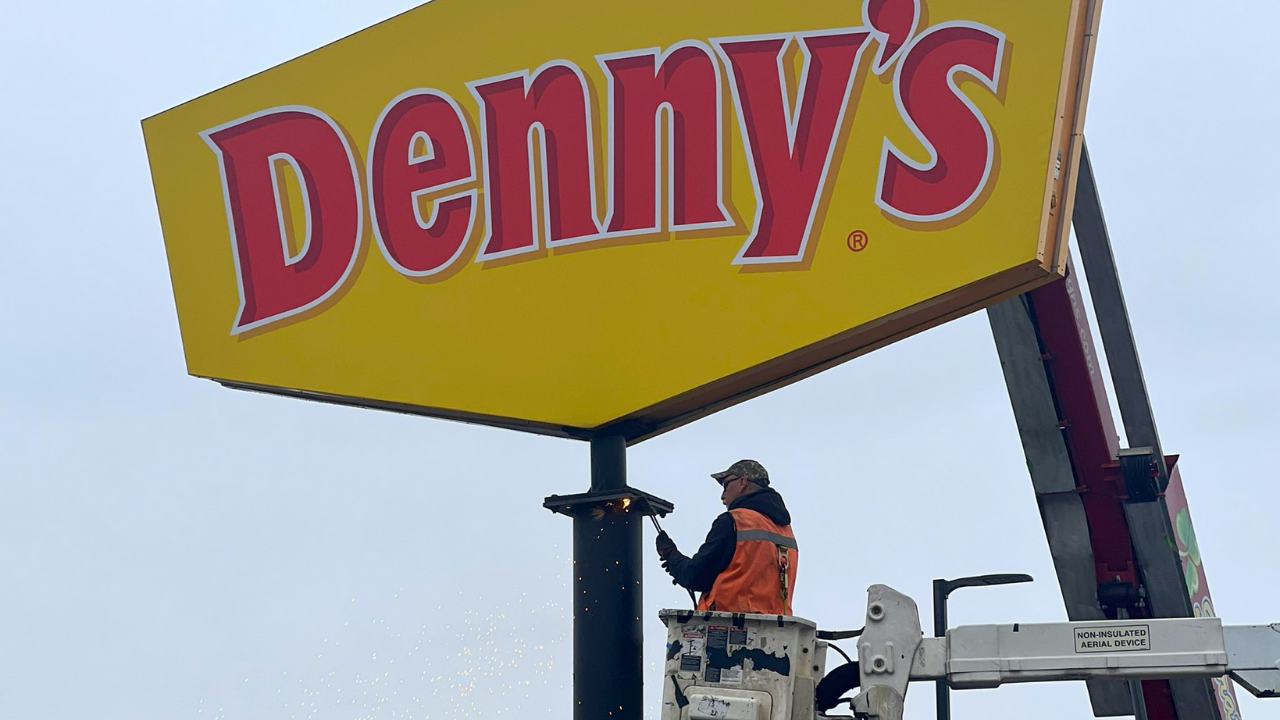
Denny’s, the iconic American diner chain known for its round-the-clock pancakes and neon yellow signs, is closing 180 locations nationwide by the end of 2025. The closures, part of a $620 million private equity buyout, signal a dramatic shift for a brand that has been a fixture of roadside America for 72 years. For many, the loss is more than a business transaction—it marks the end of an era for a beloved gathering place that once promised a warm meal at any hour.
Why Denny’s Is Shutting Its Doors
Denny’s decision to shutter nearly 10% of its restaurants comes after a period of declining performance. In the third quarter of 2025, same-restaurant sales dropped 2.9%, with many older locations struggling to keep up with rising labor costs and the expense of maintaining outdated facilities. The chain’s nostalgic appeal has not been enough to offset these challenges. Private equity firms TriArtisan Capital, Treville Capital, and Yadav Enterprises are betting that a leaner, more modern Denny’s can be profitable, but the closures reflect a broader struggle to adapt to changing consumer habits and economic pressures.
The Disappearance of 24/7 Diners
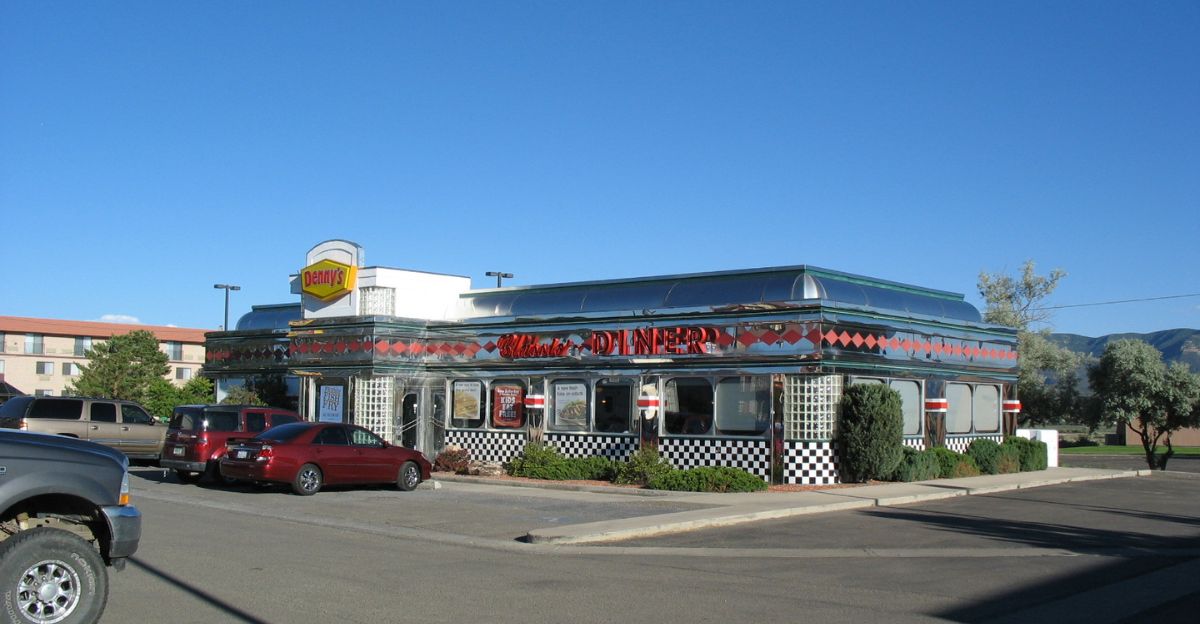
The wave of closures is the largest in Denny’s history and is part of a wider trend affecting 24-hour diners across the country. Between 2020 and 2024, the number of restaurants open around the clock fell by 18%. Rising wages, safety concerns, and shifting dining patterns have forced many establishments to reduce hours or close entirely. For small towns and highway travelers, the loss of a local Denny’s means the disappearance of a familiar landmark—a place where truckers, night-shift workers, and families could always find a seat and a stack of pancakes.
Impact on Workers and Communities
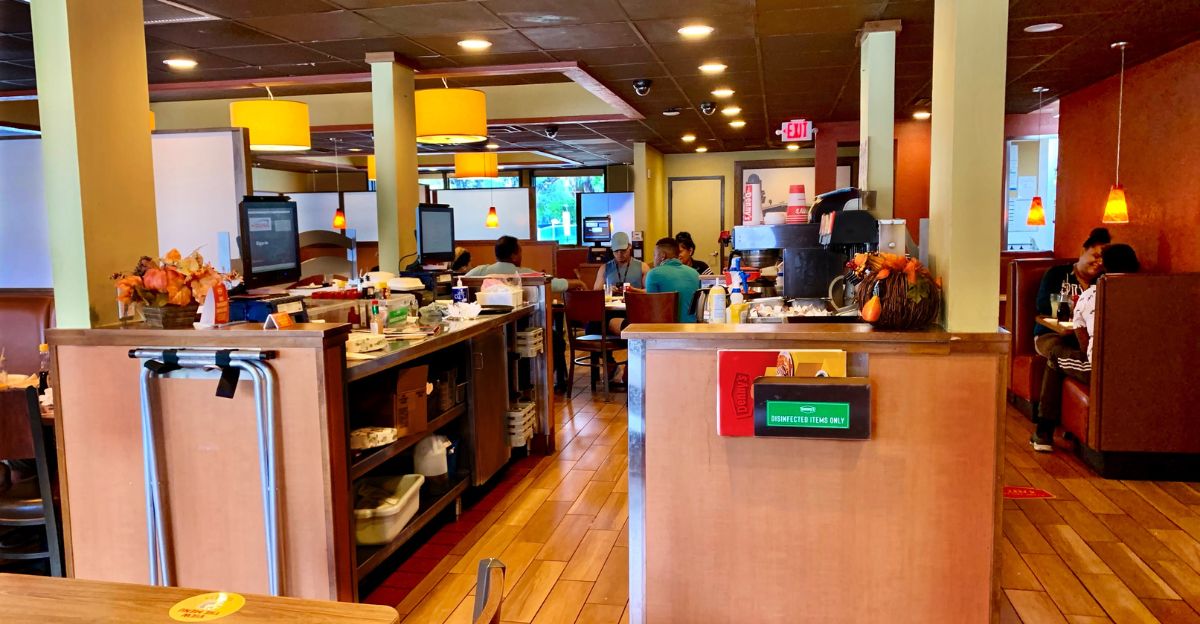
Many employees, from veteran waitstaff to kitchen crews, are losing their jobs as locations close. Some have spent years, even decades, serving regulars and late-night crowds. The closures underscore the human cost of corporate restructuring, as Denny’s transitions from a symbol of American comfort food to a company focused on efficiency and profitability under private ownership. Franchise owners face tough choices as well: many will rebrand or sell, while others will leave the business altogether, reflecting a broader industry trend toward consolidation and cost-cutting.
A New Vision for Denny’s

Despite the closures, Denny’s new owners plan to open 25 to 40 revamped locations in the coming years. These restaurants will be smaller, more technologically advanced, and designed to appeal to modern diners. Features like self-service kiosks and updated menus with fresher ingredients are intended to boost sales and streamline operations. The company has also introduced a new value menu, offering breakfast combos under $10 and special deals like a buy-one-get-one Slam for $1. While these promotions attract budget-conscious customers, they also squeeze profit margins, highlighting the challenge of balancing affordability with financial sustainability.
The Changing Landscape of American Dining
As Denny’s retreats, competitors such as IHOP and Waffle House continue to compete for customers with their own versions of the classic diner experience. Meanwhile, the closures are expected to affect vendors and suppliers who relied on Denny’s business. The real estate left behind may be snapped up by fast-casual chains and convenience stores, transforming the landscape of America’s highways and small towns.
For public shareholders, the buyout offers a 52% premium over the pre-announcement stock price, ending Denny’s 55-year run as a publicly traded company. Yet for millions of Americans, the closures represent a deeper loss—the fading of a cultural touchstone that brought together people from all walks of life.
Looking Ahead
Denny’s transformation is emblematic of broader shifts in the restaurant industry, where private equity firms are reshaping legacy brands and the traditional 24/7 diner is becoming a rarity. As inflation and changing consumer habits continue to reshape the market, the future of affordable, accessible dining remains uncertain. The question now is whether Denny’s can reinvent itself for a new era without losing the sense of comfort and community that made it an American institution.