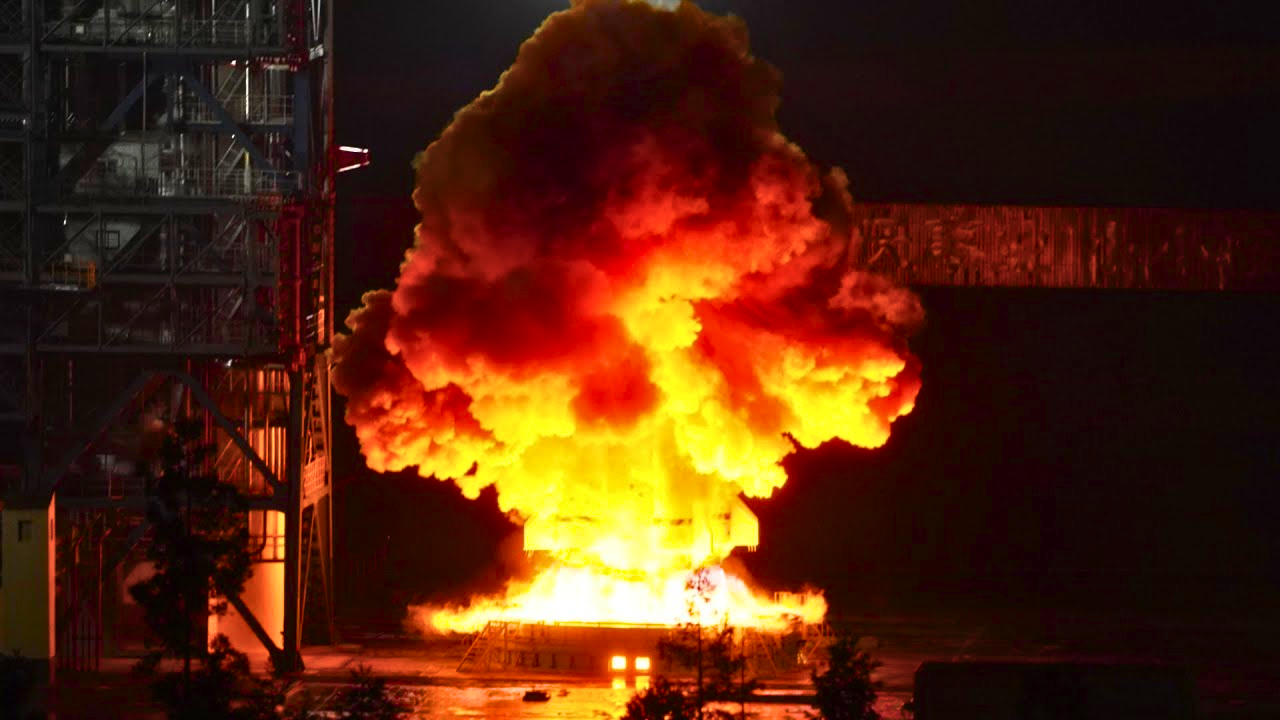
In a major development in the war, Ukraine conducted a long-range missile strike on a power plant deep inside Russia. The target was reportedly the Oryol thermal power plant, described as one of Russia’s significant energy facilities. Videos and reports from local residents indicated large explosions that caused substantial damage and led to emergency repair efforts. Electricity and heating were disrupted in parts of the region.
This attack signals Ukraine’s growing capability to strike well beyond the front lines. It is seen as a significant step forward for Ukraine’s military, impacting how the conflict unfolds.
According to Russian regional officials, fires broke out following the explosions, and parts of the plant’s operations were disrupted. The strike drew attention because Oryol is located about 1,300 kilometers from Ukrainian-controlled territory and over 360 kilometers from Moscow, raising new concerns that infrastructure deep within Russia may be vulnerable.
Ukraine’s Missile Advancement
Reports state that the missile used was a Ukrainian-made FP-5 Flamingo. Publicly shown for the first time in 2025, sources assert the missile can carry a warhead of up to 1,150 kilograms and reach distances up to 3,000 kilometers. Independent military observers have commented that it is among the most powerful missiles Ukraine has deployed during the conflict.
Manufactured by the Ukrainian company Fire Point, the Flamingo missile is a recent addition to Ukraine’s tactics. Ukrainian leaders say it exemplifies advances in their own defense technology and assert it can target Russian facilities that were previously unreachable. They claim it could significantly affect Russia’s logistics and production capabilities.
Ukraine’s use of the Flamingo missile in the Oryol strike reportedly set a new distance record for attacks in the war. Analysts suggest this demonstrates Ukraine’s ability to engage targets inside Russia without heavy reliance on foreign weapon systems.
Impact on Russia’s Energy System
The Oryol thermal power plant is a major local provider of electricity and heating, producing approximately 330 megawatts. In addition to civilian demand, the facility supports local industry and military logistics.
Observers have pointed out Russia’s energy infrastructure may be difficult to defend due to its scale. According to multiple reports and videos, the Oryol strike caused widespread fires and outages affecting nearby towns.
Russian authorities stated that air defenses intercepted several incoming attacks, but satellite images suggested significant damage at the site. The attack led to temporary losses of power and heat for civilians, with repairs ongoing several days later. The disruption also affected local industry and military operations relying on the plant.
This attack marks one of the most serious strikes against Russian energy infrastructure noted so far, underscoring Ukraine’s capacity to reach high-value targets inside Russia.
Growing Risks and Evolving Warfare

The Oryol incident demonstrates potential vulnerabilities in Russia’s energy network. Experts say defending every facility from long-range strikes is difficult given the infrastructure’s size and Russia’s evolving military technology challenges.
Following the attack, Russia launched strikes against Ukraine’s energy systems, leading to reported blackouts and disruptions in several Ukrainian regions. This exchange targeting energy infrastructure has become a regular element of the conflict.
International observers warn that hitting energy facilities can greatly affect civilian well-being, especially in winter months.
Looking ahead, the Oryol strike has been cited as evidence of changing warfare tactics, with long-range precision weapons replacing large-scale troop maneuvers. Ukraine’s use of advanced missiles illustrates how technological development can shift the war’s dynamic, requiring new defense strategies for both sides.
Protecting energy, industrial, and transport infrastructure will likely be a major focus for both countries as technology-driven attacks continue. Each new strike raises concerns over escalation and the future direction of the conflict.