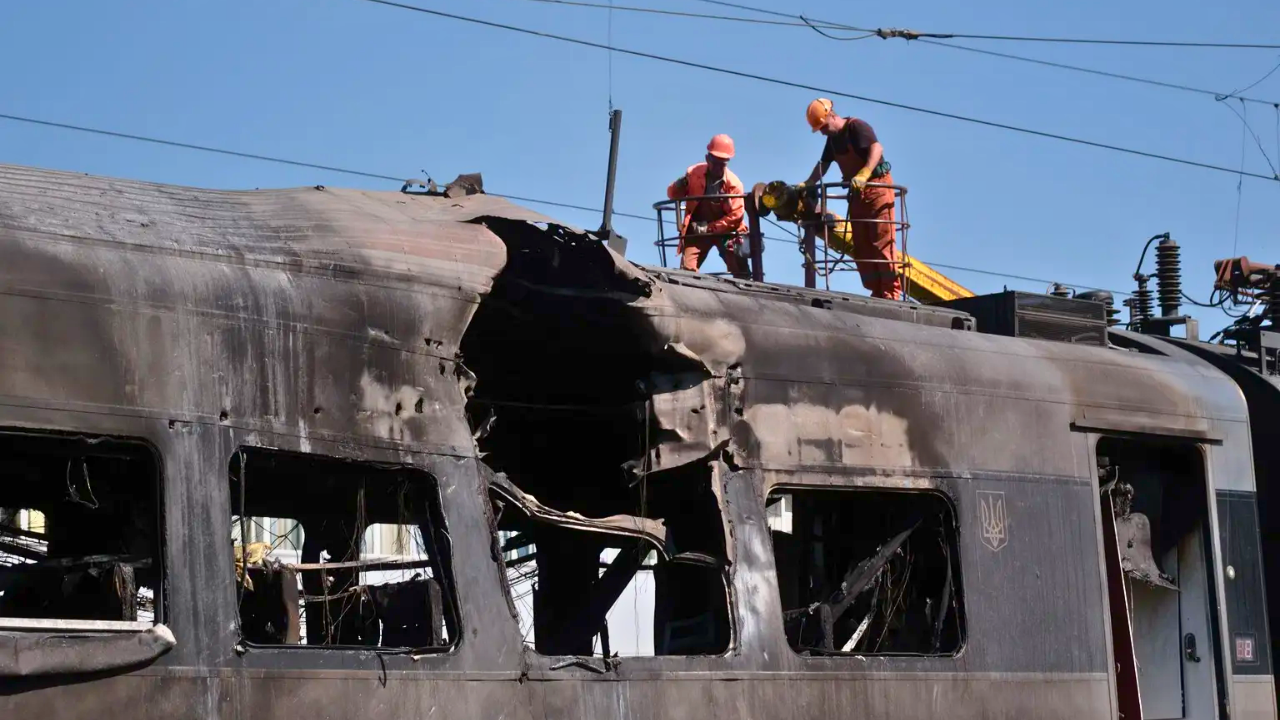
In the early hours of November 6, 2025, a series of coordinated attacks set Russian railway locomotives ablaze, sending shockwaves through the country’s military logistics. The Freedom of Russia resistance movement, operating from within Russia, claimed responsibility for the sabotage, which targeted engines used to transport weapons and ammunition to the Ukrainian front. Ukrainian intelligence confirmed the operation, marking a significant escalation in the internal opposition to Moscow’s war effort.
Sabotage in the Heart of Russia
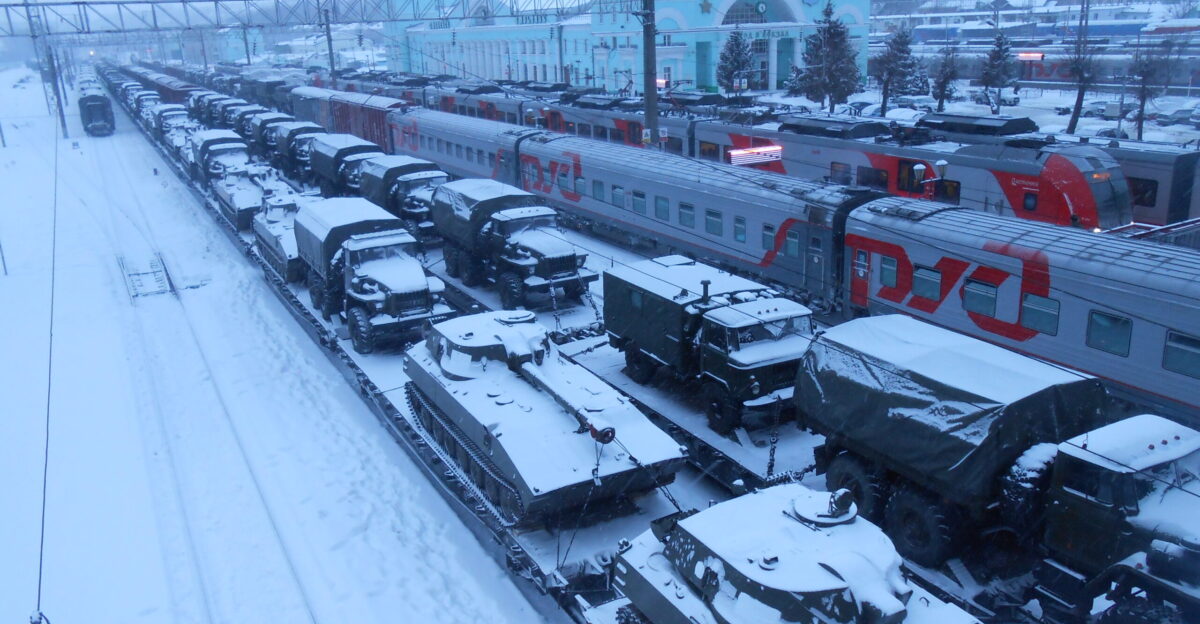
The attacks unfolded under the cover of darkness, with columns of orange flame engulfing dozens of locomotives across multiple railway facilities deep inside Russia. The Freedom of Russia movement, active since the full-scale invasion of Ukraine in 2022, orchestrated the strikes to disrupt the Kremlin’s supply lines. Their objective was clear: undermine the Russian military’s ability to move critical war materiel and expose vulnerabilities in what Moscow portrays as a unified and unbreakable war machine.
The resistance’s actions were not random acts of vandalism but a calculated effort to impose strategic burdens on Russian logistics. By targeting the locomotives that haul bombs, ammunition, and equipment to the front lines, the group aimed to delay or reroute military shipments, forcing the Russian military to adapt its supply strategies under pressure.
Immediate Disruption to Military Logistics
The impact of the sabotage was immediate and far-reaching. Ukrainian intelligence reported that the destruction of dozens of locomotives significantly hindered Russian resupply operations. Trains carrying weapons and heavy equipment were delayed, rerouted, or left stranded, complicating the already challenging task of maintaining steady supplies to front-line units.
The attacks forced Russian military planners to reassess the security of their railway supply routes and consider alternative logistics solutions. The disruption rippled through the entire supply chain, reducing reliability, increasing costs, and adding new layers of complexity to front-line operations.
Coordinated Tactics and Operational Sophistication
The method and scale of the operation revealed a high degree of organization within the Freedom of Russia movement. Partisans deployed incendiary devices, including Molotov cocktails, to target the control and power systems of locomotives. Strikes occurred simultaneously at multiple locations, demonstrating careful planning, reconnaissance, and secure communication.
Such coordination surprised both analysts and Russian authorities, who have struggled to contain the growing sophistication of internal resistance. The ability to execute synchronized attacks and evade detection points to a maturing movement capable of inflicting significant damage on critical infrastructure.
Human Risks and the Evolution of Resistance
Behind the headlines are the individuals who risked their lives to carry out the sabotage. The partisans’ actions reflect a mix of desperation and determination, challenging the Kremlin’s narrative of national unity. For railway workers, the attacks brought new dangers to an already fraught environment, as they continued to operate the logistical backbone of the war effort under heightened threat.
The Freedom of Russia movement has evolved from isolated acts of defiance into a network capable of major, coordinated strikes. This transformation signals a shift in the nature of anti-Kremlin resistance, with internal opposition now targeting the logistical arteries of Russia’s military campaign.
Strategic and Psychological Implications
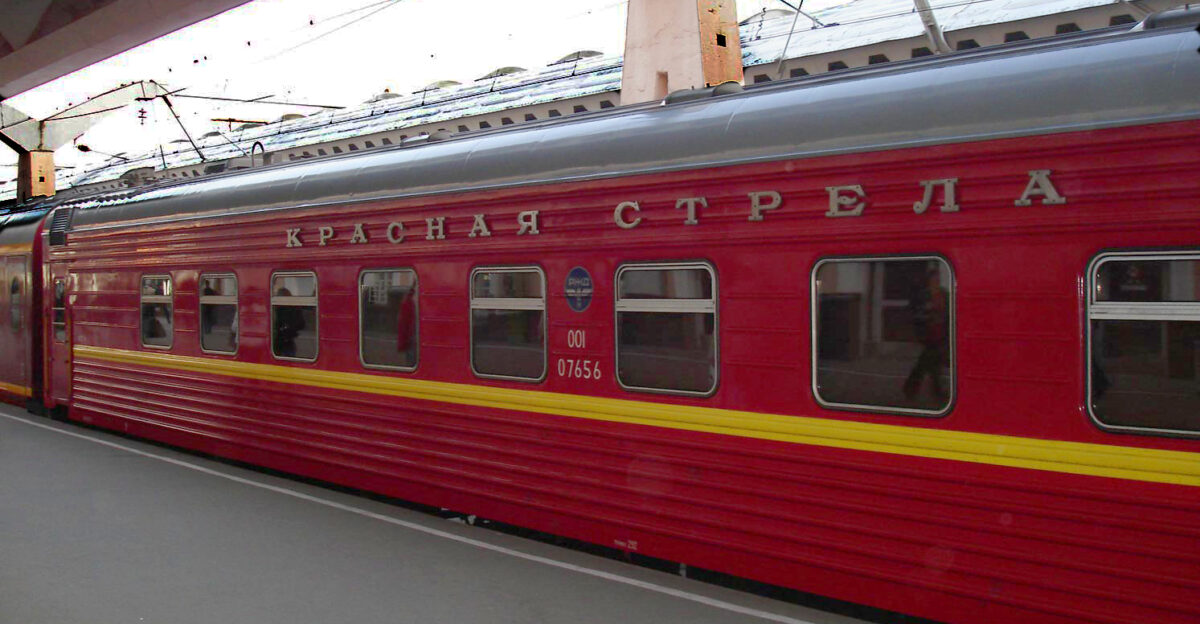
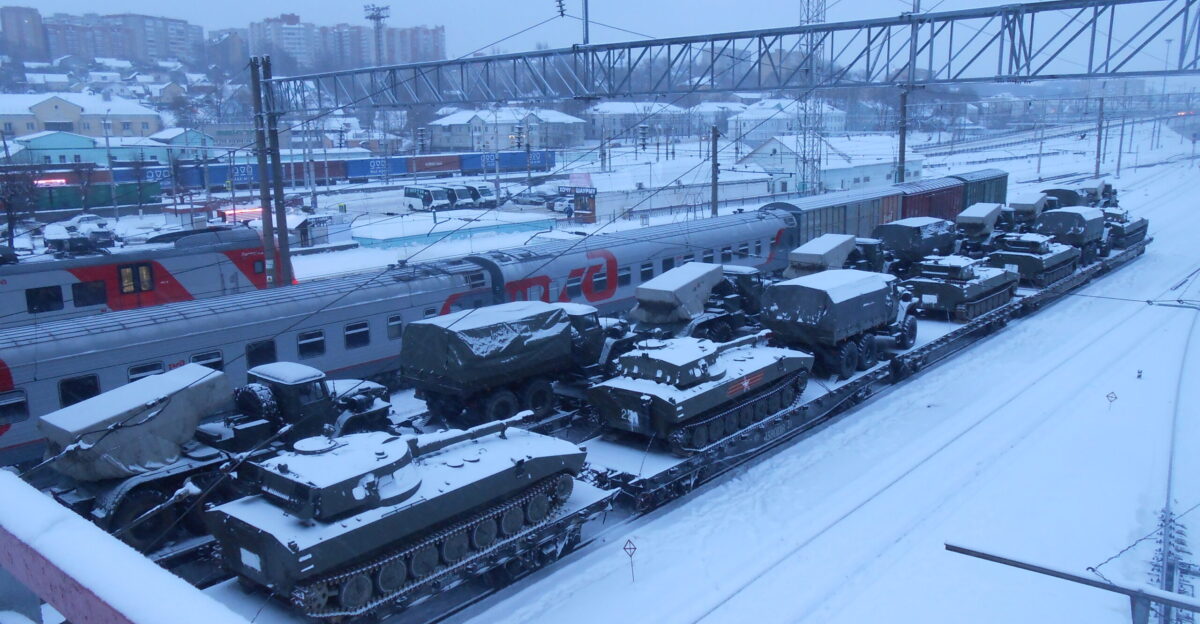
Railways are the backbone of Russia’s military logistics, moving tanks, artillery, and vast quantities of ammunition to the front. By striking at this backbone, the resistance exposed a critical vulnerability in Russia’s war infrastructure. The sabotage not only disrupted physical supply lines but also delivered a psychological blow, challenging Moscow’s image of internal stability.
Ukrainian intelligence’s public confirmation of the operation amplified its impact, serving as both proof of internal fractures and a weapon in the ongoing information war. Russian authorities have responded by prosecuting more than 130 individuals for similar acts, labeling them as terrorists, while Ukrainian outlets portray them as freedom fighters. The episode has sparked debate over the ethics and risks of targeting infrastructure during wartime, especially when such actions occur on Russian soil.
Looking Ahead: A New Phase in the Conflict
The November sabotage marks a turning point in the conflict’s logistical front. The Freedom of Russia movement has demonstrated its capacity to strike deep within Russian territory, raising the prospect of further disruptions to critical infrastructure. As internal resistance grows bolder and more organized, the Kremlin faces the challenge of securing its supply lines not only against external threats but also from within its own borders.
The stakes are high for both sides. For Russia, maintaining the flow of military supplies is essential to sustaining its war effort. For the resistance, each successful operation chips away at the Kremlin’s control and signals that opposition remains alive inside Russia. The coming months may see an intensification of this shadow war, with the outcome shaping the broader trajectory of the conflict.