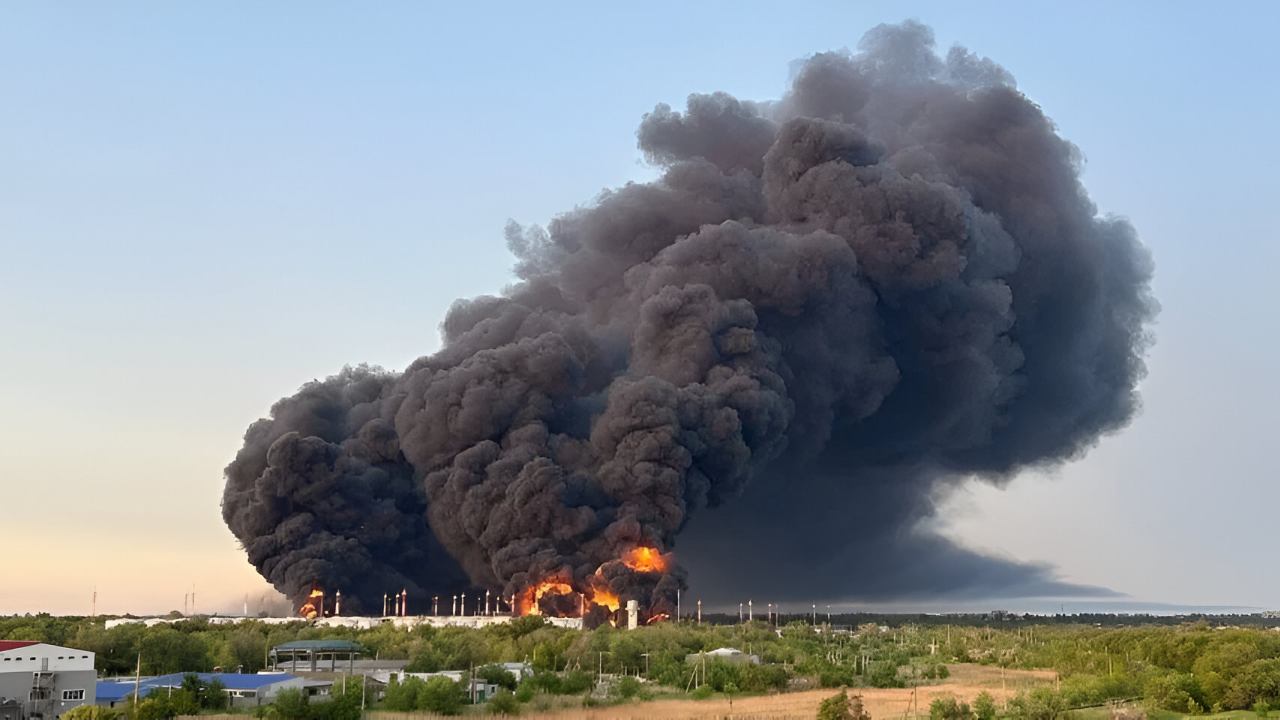
In the early hours of October 17, 2023, a series of powerful explosions shattered the night over Russian-occupied Luhansk and Berdyansk. Ukrainian forces launched a coordinated missile strike on two major airbases, destroying at least nine Russian military helicopters and igniting fires that burned for hours. The attack, described by Russian military bloggers as “one of the most serious blows of all time,” marked a dramatic escalation in Ukraine’s ability to strike deep behind enemy lines.
Counting the Cost
The financial and operational impact of the attack was immediate and severe. Analysts estimate that Russia lost between $130 million and $420 million in aircraft and equipment in a single night. Among the destroyed helicopters were advanced Ka-52 “Alligator” attack helicopters, each valued at up to $30 million, and Mi-8 transport helicopters, which cost about $10 million apiece. These losses went beyond hardware: each destroyed helicopter meant the loss of highly trained crews and a significant reduction in Russia’s ability to provide close air support and mobility for its ground forces.
The scale of the destruction was rare for the Russian Air Force since the start of the full-scale invasion. Ammunition depots at both airfields also erupted, causing secondary explosions that further damaged infrastructure and delayed emergency response efforts. The attack exposed the vulnerability of Russian air power, even at bases thought to be safely behind the front lines.
Exposing Rear-Area Weaknesses
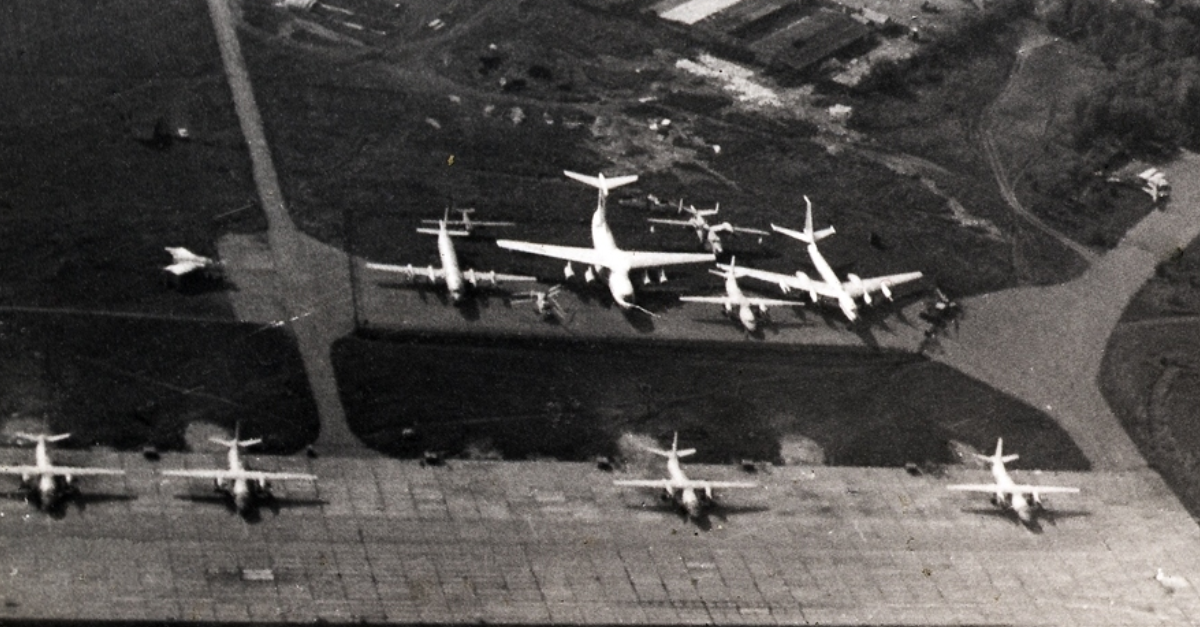
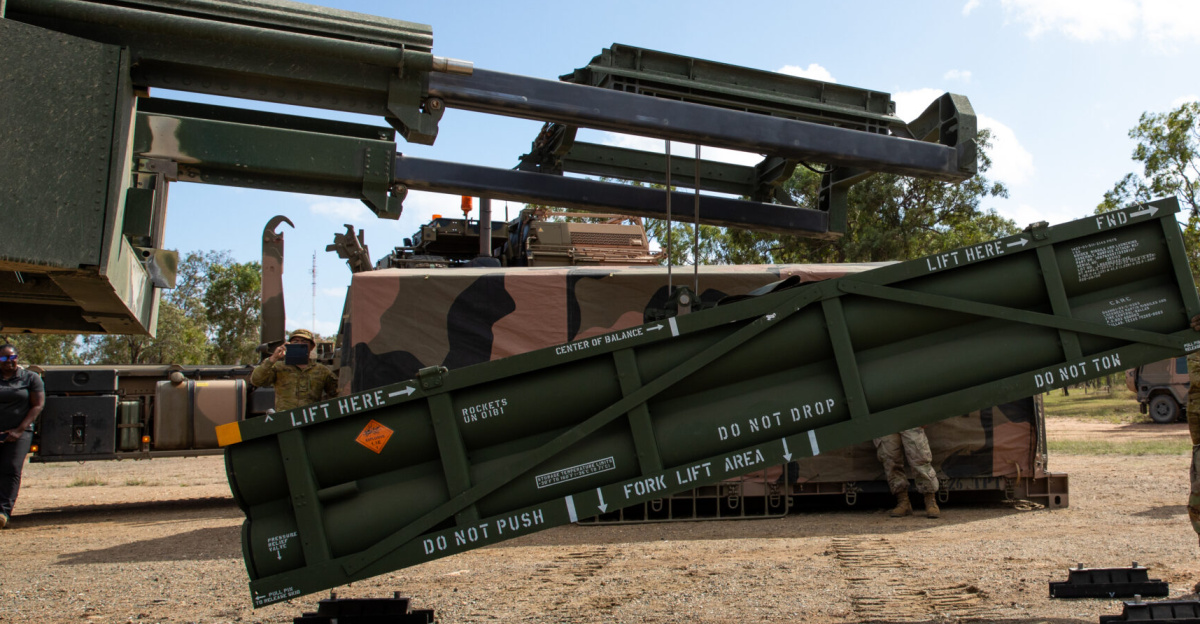
The airbases at Luhansk and Berdyansk had long been considered secure, located roughly 100 kilometers from the front. They served as critical hubs for Russian helicopter operations supporting ongoing offensives. The Ukrainian strike, however, shattered the assumption that rear-area assets were out of reach. The precision and range of Ukraine’s new long-range missiles, notably the U.S.-supplied ATACMS ballistic system, revealed that Russian-occupied territory is now “porous,” with even high-value targets exposed to attack.
The operation forced Russian commanders to confront the reality that their air defenses and base security were insufficient against evolving threats. Many Russian air defense systems had been positioned to counter drones or low-flying cruise missiles, not ballistic missiles traveling at high speeds. This miscalculation left expensive aircraft and critical infrastructure virtually defenseless.
A New Phase in the Conflict
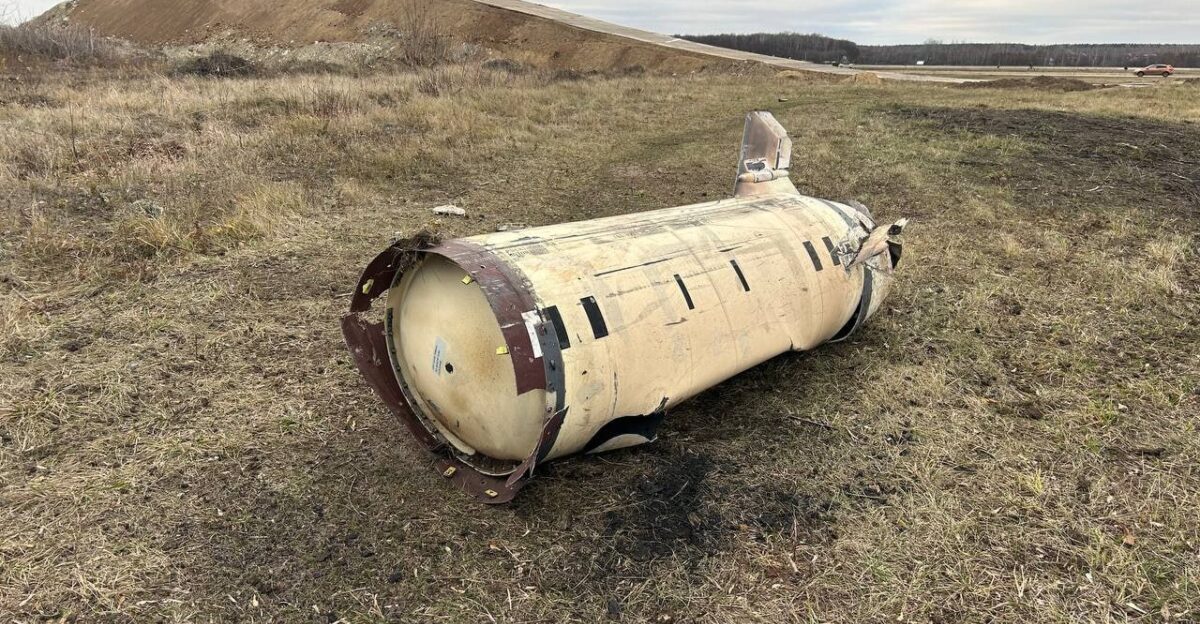
The attack, codenamed “Operation Dragonfly,” was executed by Ukrainian Special Operations Forces using ATACMS missiles in a carefully timed assault. The strikes destroyed not only helicopters but also a missile launcher, ammunition depots, and damaged runways. The operation demonstrated Ukraine’s growing ability to integrate Western-supplied technology with its own intelligence and special operations tactics.
The destruction of so many helicopters in a single night represented one of the steepest losses for Russian rotary-wing aviation during the war. It also signaled a turning point: Ukraine could now threaten even the most fortified Russian positions far from the front, forcing Moscow to rethink how it deploys and protects its air assets.
Shockwaves and Reactions
The aftermath of the strikes was chaotic. Fires and secondary explosions continued for hours, with emergency crews struggling to contain the damage. In Berdyansk, explosions lasted until around 4 a.m.; in Luhansk, until nearly midday. The night sky glowed from burning fuel and munitions, and shockwaves were felt in nearby towns.
Russian military bloggers, who typically downplay setbacks, openly acknowledged the scale of the losses. The Telegram channel Fighterbomber called the attack “one of the most serious blows of all time,” a rare admission that reflected deep concern within Russian aviation circles. For the first time, Russian sources publicly confirmed both equipment and personnel losses, breaking with the usual pattern of silence.
Strategic Implications and Unanswered Questions
The destruction of at least nine helicopters, including several Ka-52s, has immediate tactical consequences for Russian operations in southern Ukraine. The loss reduces Russia’s ability to provide close air support and rapid troop movement, potentially shifting the balance in contested sectors. The attack also forced Russia to disperse its remaining aircraft and reconsider the concentration of high-value assets at vulnerable locations.
Beyond the loss of helicopters, the strikes damaged ammunition depots, fuel stores, and repair hangars, further degrading Russia’s operational readiness. The focus on logistics and supply hubs suggests a deliberate Ukrainian strategy to erode Russia’s ability to sustain its occupation.
Looking Ahead
While some military experts caution that Russia retains hundreds of helicopters and may adapt by dispersing its fleets or strengthening defenses, the psychological and operational impact of the attack is clear. Ukraine’s successful use of long-range missiles has expanded the battlefield and forced Moscow to reassess its assumptions about security in occupied territory.
As both sides race to adapt, the future of air power in the conflict remains uncertain. What is certain is that the boundaries of the battlefield are shifting, and neither side can afford to underestimate the evolving reach of modern warfare.