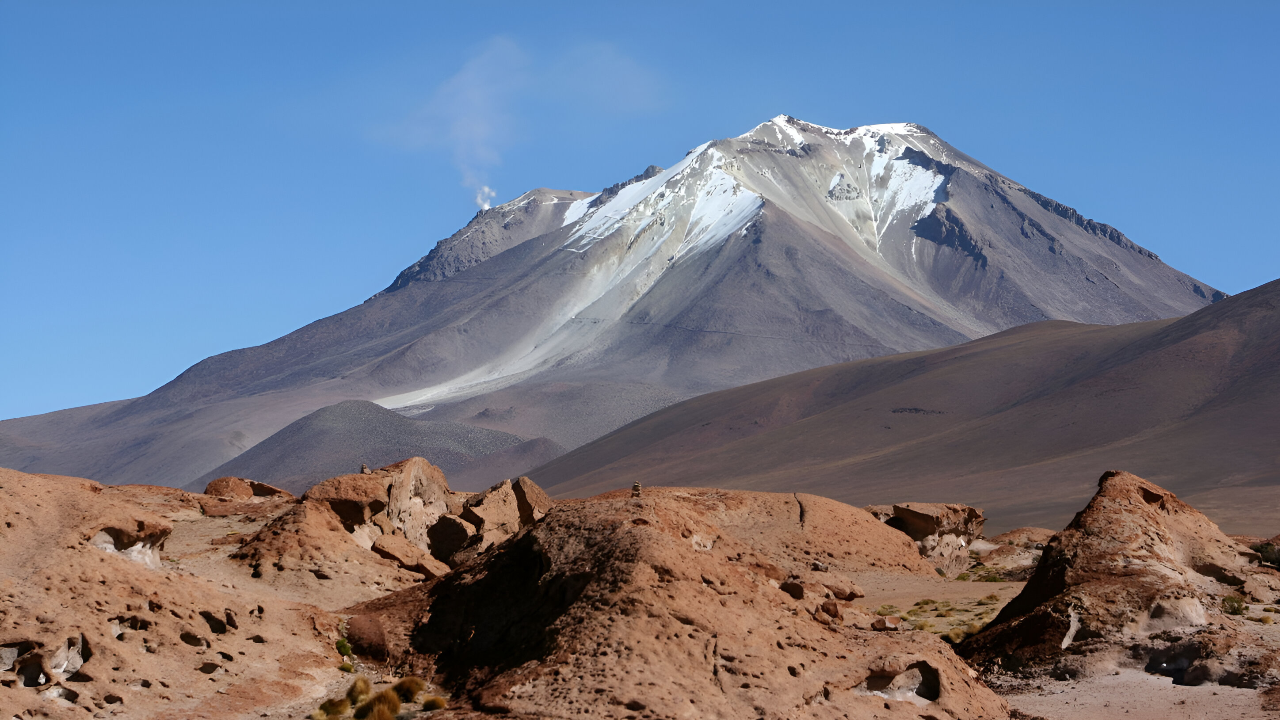
Between July 2023 and May 2024, satellites discovered surprising changes at Mount Taftan, a tall mountain near the Iran-Pakistan border. The top of the mountain rose by almost nine centimeters, which is unusually fast for a geological structure.
At the same time, scientists saw sulfur gases drifting from the volcano toward Khash, a city about 31 miles away. To the casual observer, Taftan appeared calm, but these changes revealed that something was happening beneath the surface.
People in Khash began complaining about a strong sulfur smell in 2023, and many experienced health problems, forcing some to visit hospitals. By May 2024, sulfur dioxide emissions had reached 20 tons a day. Since Mount Taftan was long believed extinct, local authorities had no monitoring systems or emergency plans, leaving residents vulnerable.
What made the situation even more puzzling was that no earthquakes or major weather events explained the mountain’s swelling or gas release. What made the situation even more puzzling was that neither earthquakes nor major weather events could explain the mountain’s swelling or gas release. Usually, such dramatic changes come with other warning signs, but Taftan’s unrest was happening silently.
The combination of rising ground and strong gas emissions indicated that pressure was building beneath the surface, signaling a risk of sudden hazardous events, such as gas eruptions or ground collapse, even though scientists could not yet determine how close it was to reaching a breaking point.
The True Nature of Mount Taftan
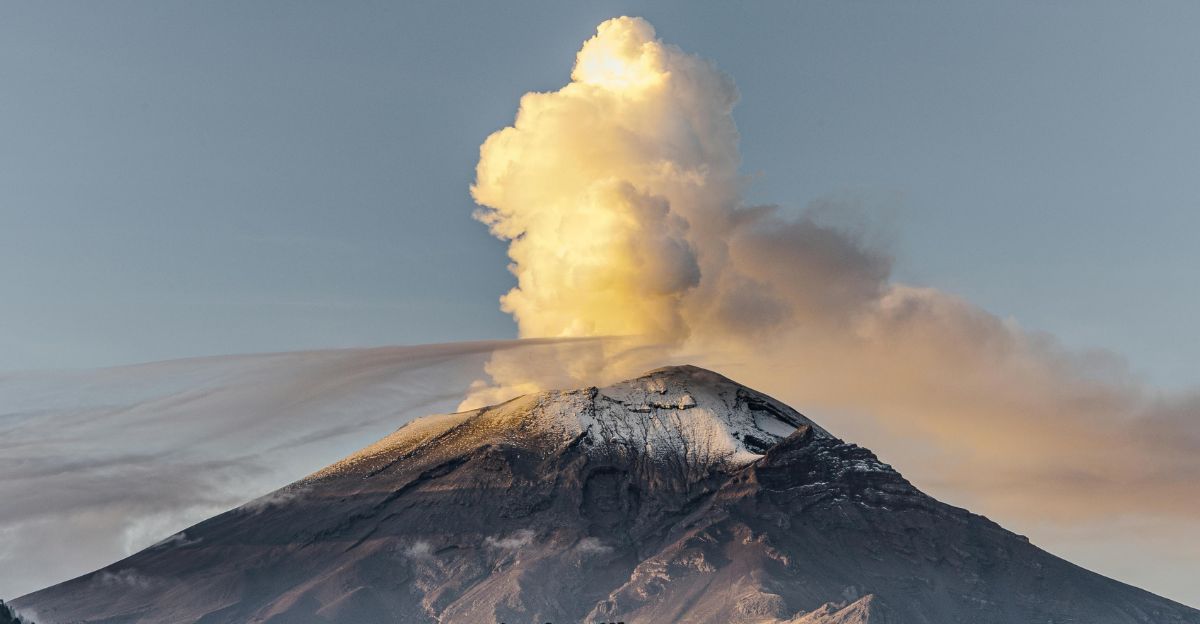
The Makran subduction zone is where the Arabian and Eurasian plates converge and collide with one another. This tectonic activity produces hot molten rock, or magma, deep beneath the Earth. Over millions of years, volcanoes like Taftan build up their steep sides through repeated eruptions of ash and lava.
For decades, scientists believed Taftan was extinct because its last major eruption happened between 700,000 and 710,000 years ago. But that assumption is now being questioned.
Although there were reports of smoke in 1902 and a possible lava flow in 1993, most people ignored them as minor events. The recent increase in gas emissions and swelling shows that the volcano might not be dead after all — it could be sleeping, or dormant.
Calling a volcano extinct assumes its magma chamber has cooled and it will never erupt again—but proving this is difficult, especially in remote regions. Without proper research or monitoring, misclassifying a volcano may give communities near Taftan a false sense of safety. Taftan’s awakening shows even long-quiet volcanoes can surprise us.
A Wake-Up Call for Global Preparedness
The sudden increase in sulfur dioxide around Mount Taftan had serious health and environmental effects. The gas made breathing difficult, and the sudden increase in sulfur dioxide around Mount Taftan had serious health and environmental effects, increasing risks of respiratory illness and longer-term harm to crops and water sources.
The gas made breathing difficult and caused burning eyes and throats for thousands of residents. The smell spread far beyond Khash, forcing people to keep their windows closed, even in neighboring districts.
Local officials stated that the mountain often releases steam after rain or snow, but they acknowledged that the recent changes were extreme and concerning, raising concerns about more severe eruptions or gas emergencies.
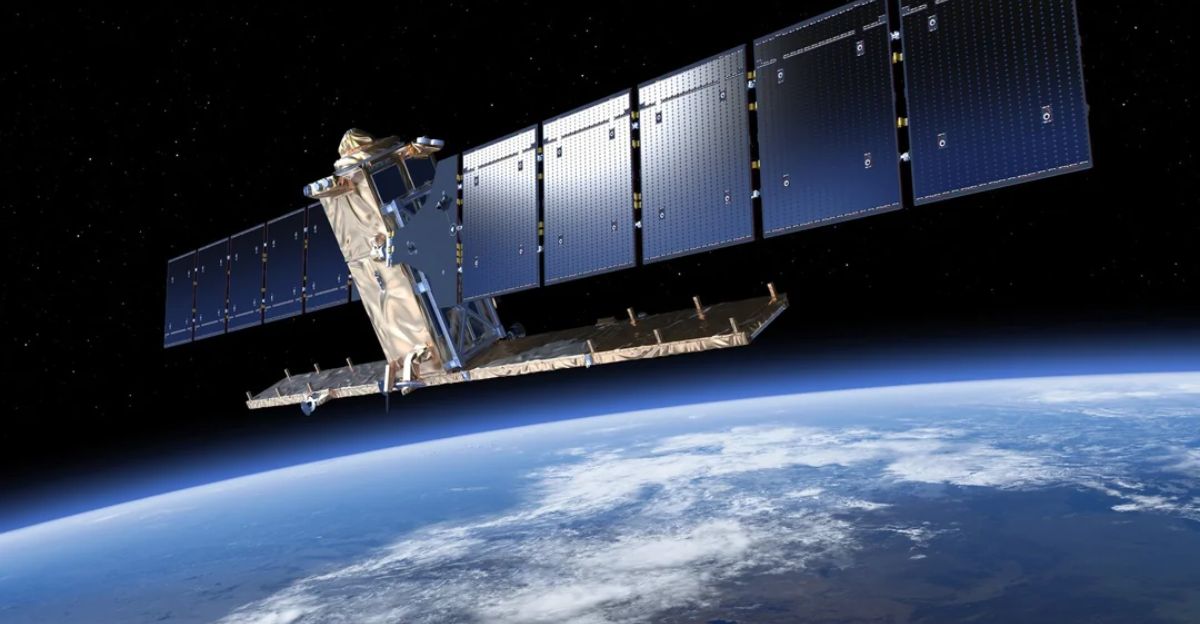
The Sentinel-1 satellites measured even tiny changes in the mountain’s shape. The data revealed that the ground had been rising steadily since mid-2023, and the source of the pressure was located less than a kilometer below the surface. If that pressure is suddenly released, the area could be exposed to toxic gas clouds, falling ash, and fast-moving volcanic flows with little warning.
Experts insist Mount Taftan must be reclassified from extinct to dormant. The government must act immediately, implementing hazard mapping, real-time monitoring, and community drills. Lives depend on these steps. Globally, many volcanoes are quietly hazardous due to limited monitoring, especially in low-income regions.
As climate change increases risks, governments must prioritize ongoing surveillance and emergency planning. Mount Taftan is a warning: silent volcanoes can erupt unexpectedly. Only immediate action will shield communities from disaster.