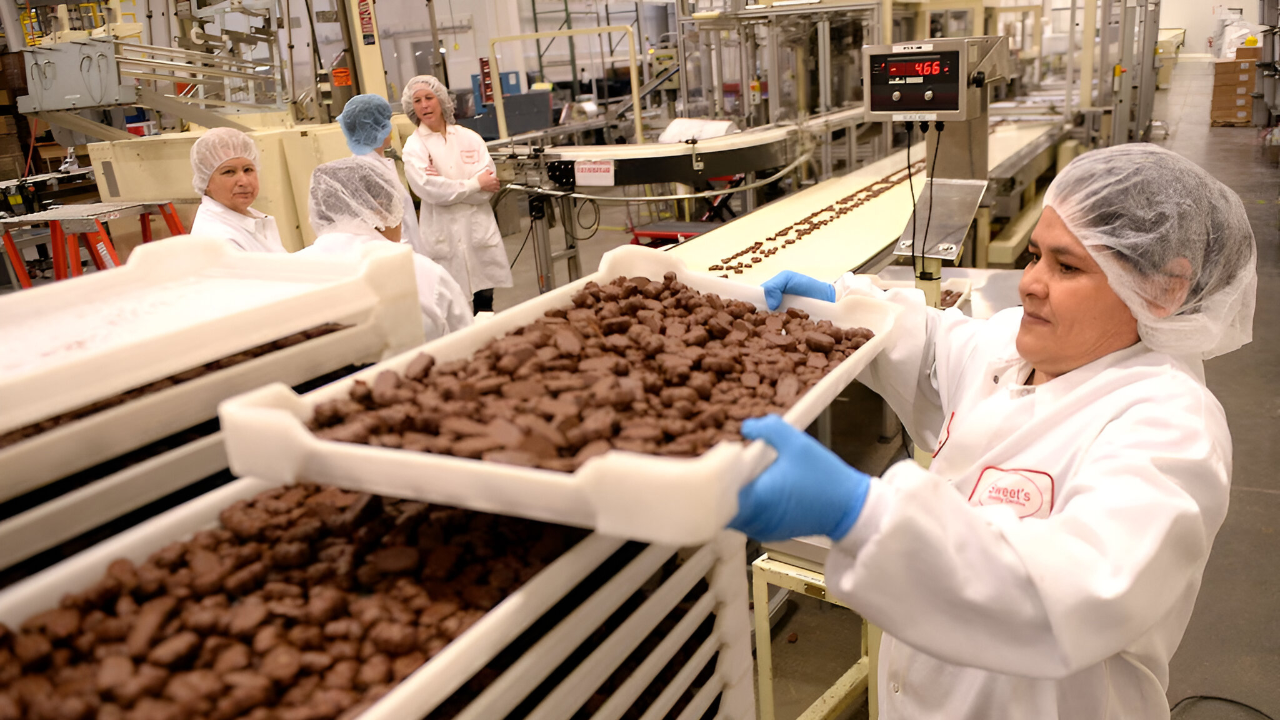
A 178% surge in global cocoa prices in 2024 sent tremors through the U.S. candy industry. Texas-based CandyWarehouse.com, a small online bulk candy retailer, suddenly faced massive financial pressure just as Halloween approached, the holiday that drives peak sales.
The soaring cocoa prices exposed cracks in traditional candy businesses, highlighting how a single commodity shock could threaten decades of growth and survival. The scene set the stage for a dramatic, high-stakes collapse that would unfold in real time.
Halloween Crunch

CandyWarehouse.com filed for Chapter 11 bankruptcy on October 24, 2025—just seven days before Halloween. The timing was catastrophic, as Halloween normally generates the bulk of annual revenue for candy retailers.
This collapse became a stark warning about the fragility of small candy businesses in the modern market. Even a seasoned operator like CandyWarehouse.com could be undone by unexpected spikes in global commodity prices.
Industry Roots

Founded in 1998, CandyWarehouse.com became a nationwide supplier of bulk candy to hotels, restaurants, and event planners. Its Sugar Land, Texas headquarters and Carrollton warehouse were central to its operations and distribution network.
For nearly three decades, the company had grown steadily, surviving major economic events like the dot-com crash, the 2008 recession, and the COVID-19 pandemic. Yet, this new crisis would prove far more disruptive.
Mounting Pressures
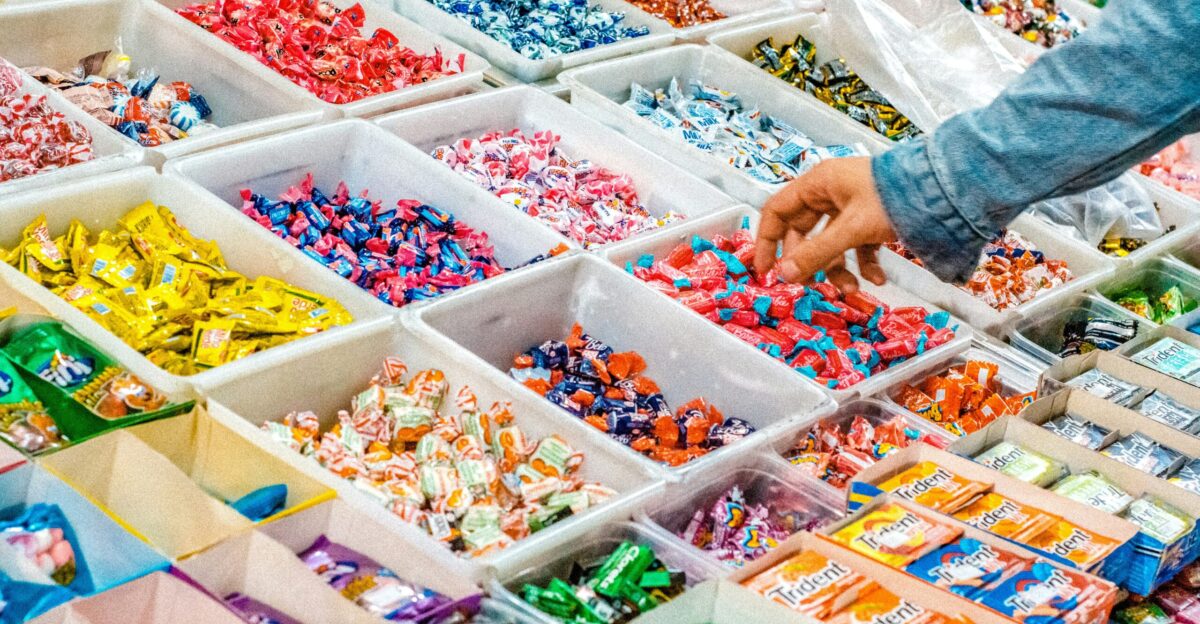
In 2024, CandyWarehouse.com saw a 10–20% drop in online sales, with projections pointing to a 50% decline in 2025. Rising ingredient costs, shrinking pack sizes, and shifts in consumer preference toward healthier treats compounded the pressure.
These financial strains left the company struggling to remain competitive, highlighting the challenge small retailers face when global supply chain disruptions collide with evolving consumer tastes.
Bankruptcy Revealed
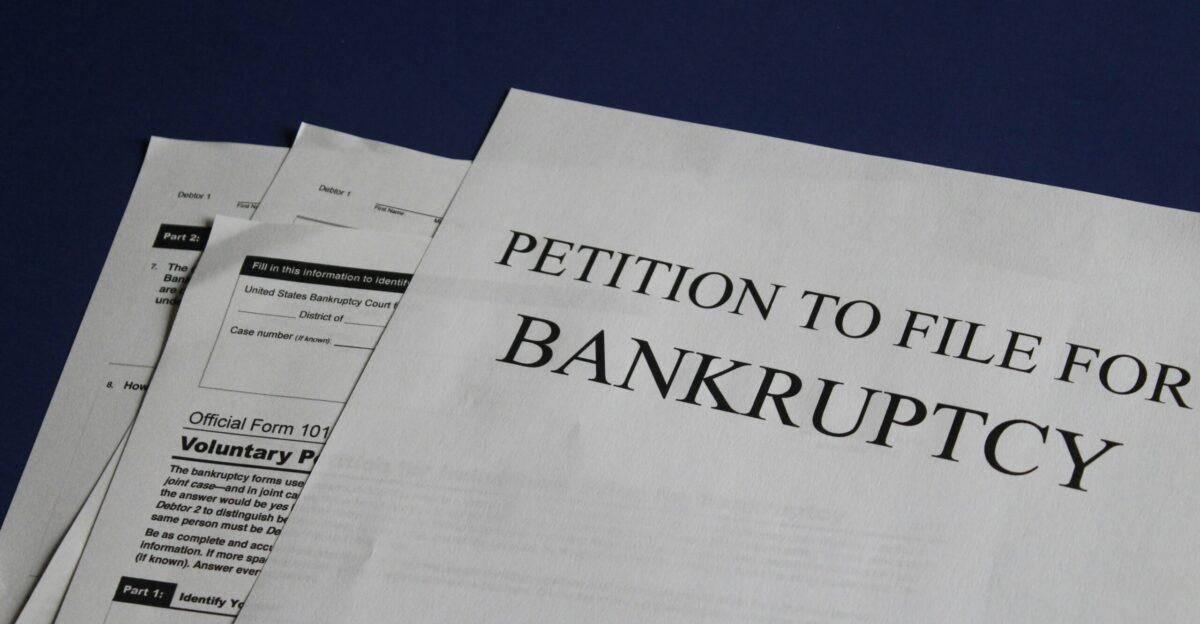
On October 24, 2025, CandyWarehouse.com formally filed for Chapter 11 bankruptcy in the Northern District of Texas. The company reported assets of roughly $224,000 and liabilities between $2.8 million and $3.2 million.
The filing was designed as a debt-restructuring strategy, not an immediate shutdown. Yet, it publicly confirmed that even established players in the candy industry are vulnerable to external shocks.
Texas Impact

The bankruptcy had significant repercussions for Texas operations. CandyWarehouse.com’s headquarters in Sugar Land and warehouse in Carrollton provided jobs and supplied bulk candy to regional businesses.
The collapse raised alarm about the sustainability of small retailers in Texas, revealing how dependent local communities are on these companies for both employment and product supply.
Human Toll

CEO Mimi Kwan described CandyWarehouse.com as “a little fish in a big sea,” competing with giants like Amazon, Target, and Walmart. The company employed roughly 17 people and generated $4.5 million in annual sales.
The bankruptcy left staff and leadership facing uncertainty as they navigated the complex Chapter 11 process, underscoring the human impact of market volatility on small businesses.
Competitor Moves
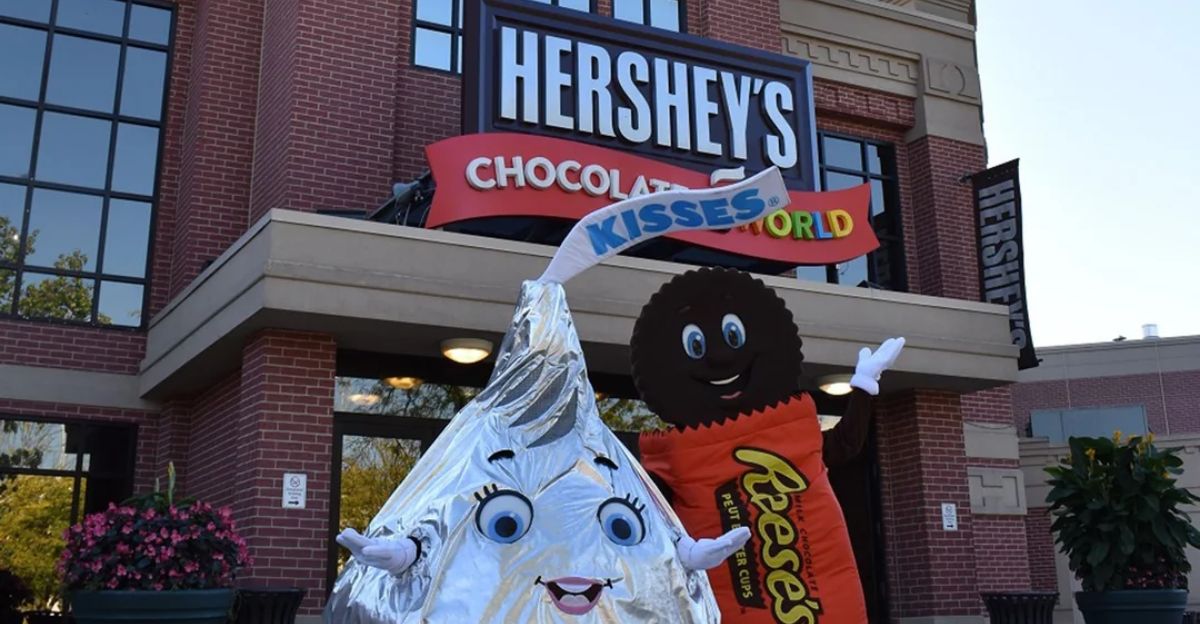
Major chocolate brands responded to the cocoa price surge by raising retail prices. Hershey increased prices by 10–20%, Lindt hiked prices by 15.8%, and Mondelez passed costs along to consumers.
These shifts demonstrate how price shocks ripple through supply chains, affecting both companies and the shoppers who ultimately bear the cost.
Macro Trends

Chocolate’s share of Halloween candy sales fell from 52% to 44% in 2025. Consumers increasingly favored sugar-free and functional treats, reflecting broader health-conscious trends.
These changes coincided with inflationary pressures, suggesting that small retailers specializing in traditional chocolate products faced a double challenge: higher ingredient costs and a shrinking market share.
Supply Chain Strain
Cocoa futures reached $12,646 per metric ton in 2024, more than double historical norms. Crop failures in Ghana and the Ivory Coast drove farmgate price hikes of 45% and 20%, respectively.
These disruptions compounded stress across the global supply chain, creating a perfect storm that small retailers like CandyWarehouse.com struggled to survive.
Internal Frustration

CandyWarehouse.com’s leadership cited persistent cost pressures and narrowing margins as major frustrations. The company could not fully absorb soaring ingredient prices while keeping products competitively priced.
Maintaining quality under financial strain became nearly impossible, highlighting how global events can overwhelm even the most resilient operations.
Ownership Lens

CandyWarehouse.com is a woman-owned, minority family business. Its bankruptcy filing illustrates not only financial strain but also the challenges small independent operators face in a market dominated by global giants.
The story emphasizes how ownership structure and scale can influence a company’s ability to weather crises, even for long-established firms.
Survival Strategy

Chapter 11 allowed CandyWarehouse.com to continue operations while reorganizing debts. The company’s goal was survival, restructuring its business to adapt to new market realities rather than liquidating immediately.
This strategy represents the balancing act small businesses must navigate between maintaining operations and managing mounting financial pressure.
Expert Outlook

Industry analysts warned that additional small candy retailers could face collapse if cocoa prices remain high and consumer preferences continue shifting away from traditional sweets.
The risk of further bankruptcies looms, illustrating how market volatility disproportionately affects smaller operators compared to large, diversified competitors.
Looking Ahead

A court hearing on October 29, 2025, will decide whether CandyWarehouse.com can continue operations, pay employees, and meet supplier obligations during restructuring.
The outcome could set a precedent for similar small-business Chapter 11 cases, influencing how other retailers respond to financial shocks in the candy sector.
Policy Implications

The cocoa price crisis highlights weaknesses in global commodity supply chains. Policymakers may need to strengthen agricultural resilience and address market volatility to protect small businesses from similar shocks.
Without intervention, independent operators remain highly vulnerable, demonstrating how global events can directly impact Main Street enterprises.
International Ripple
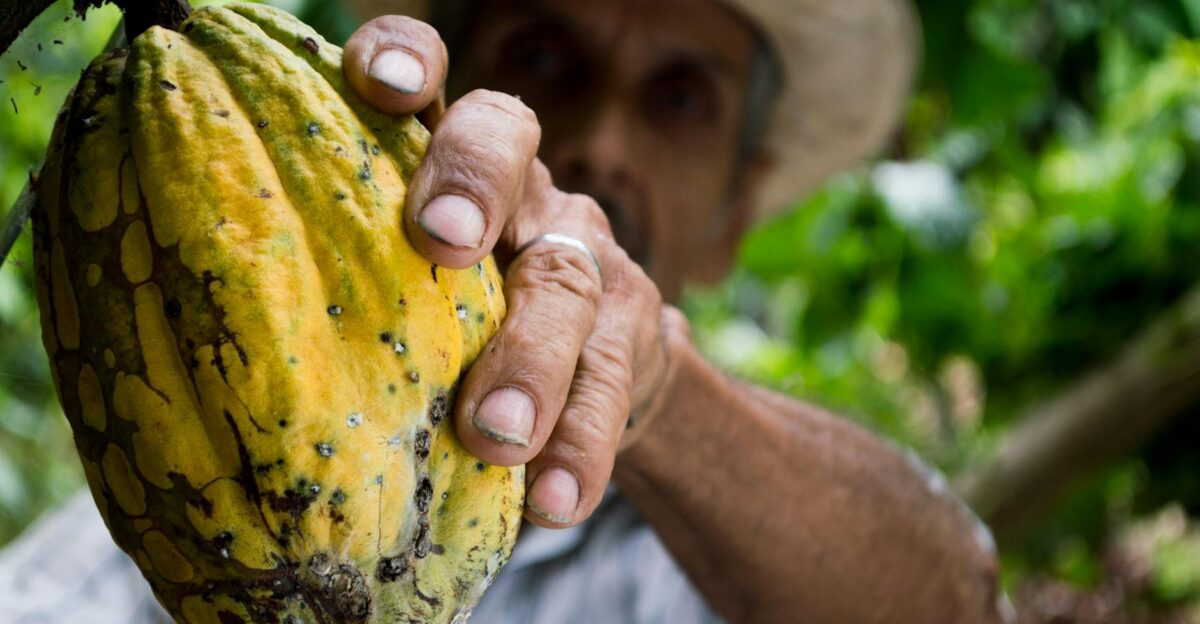
Crop failures in Ghana and the Ivory Coast, which produce around 60% of the world’s cocoa, drove farmgate price increases of 45% and 20%.
These decisions had cascading effects, pushing costs onto U.S. retailers and showing how climate and agricultural issues abroad can directly influence domestic markets.
Legal Angle

Chapter 11 bankruptcy allows companies to reorganize under court supervision. For CandyWarehouse.com, the legal process will determine whether it can survive and adapt in a market facing both financial and cultural shifts.
This pathway offers hope for recovery but comes with high stakes, as only a portion of small businesses emerge successfully from Chapter 11 restructuring.
Cultural Shift

Traditional candy is losing its dominance as consumers gravitate toward healthier, sugar-free alternatives. The bankruptcy reflects a generational change in dietary habits and expectations for food products.
Small candy retailers must innovate to stay relevant, or they risk disappearing in a market that increasingly favors health-conscious choices over nostalgic classics.
Industry Reflection

CandyWarehouse.com’s collapse marks a turning point for small U.S. candy retailers. Commodity volatility and health trends are reshaping the market landscape.
Independent operators must embrace adaptation, resilience, and innovation to survive. The story is a stark reminder that even a 27-year legacy is not immune to global and local pressures.