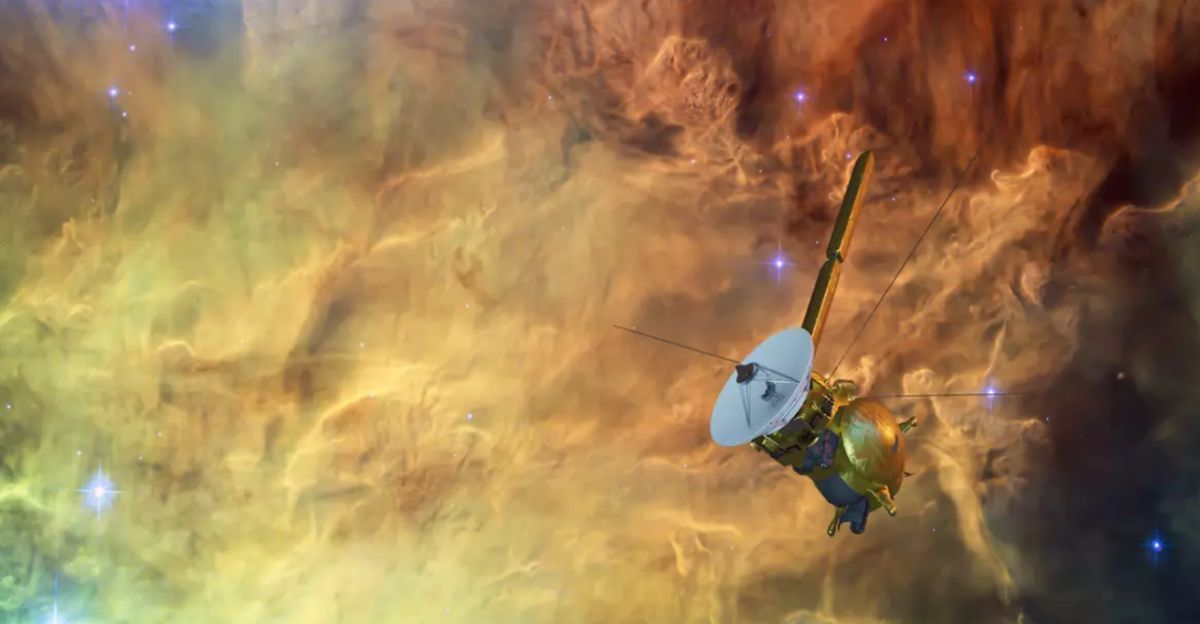
NASA’s twin spacecraft, traveling 15 billion miles from Earth, discovered something unexpected. Temperature readings at our solar system’s edge were twice as high as scientists predicted.
The spacecraft passed through this hot boundary safely.
Engineers realized they were seeing the first measurements of a region no one understood. This discovery challenged our understanding of space.
Temperature Shock
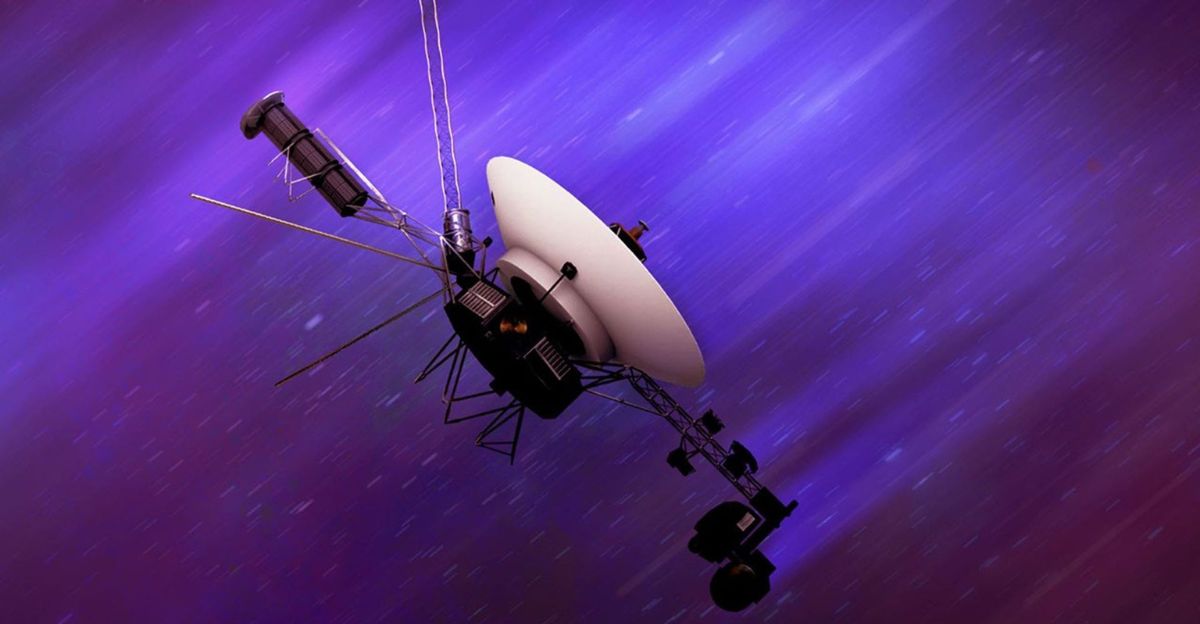
Voyager 2 measured temperatures between 54,000 and 90,000 degrees Fahrenheit in November 2018. Scientists had expected temperatures of only 27,000 to 54,000 degrees.
“This was totally unexpected,” said Tom Krimigis from Johns Hopkins University. “The environment is totally unlike what the models predicted.”
The temperatures were double what anyone had calculated. Something powerful was happening at the boundary.
Journey Origins
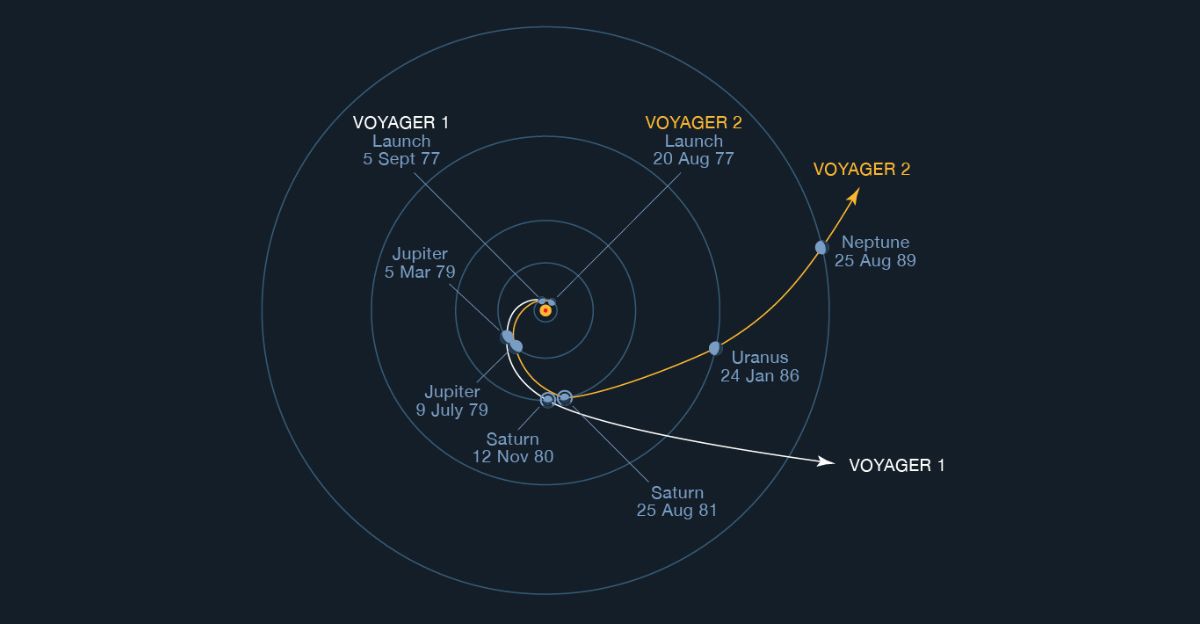
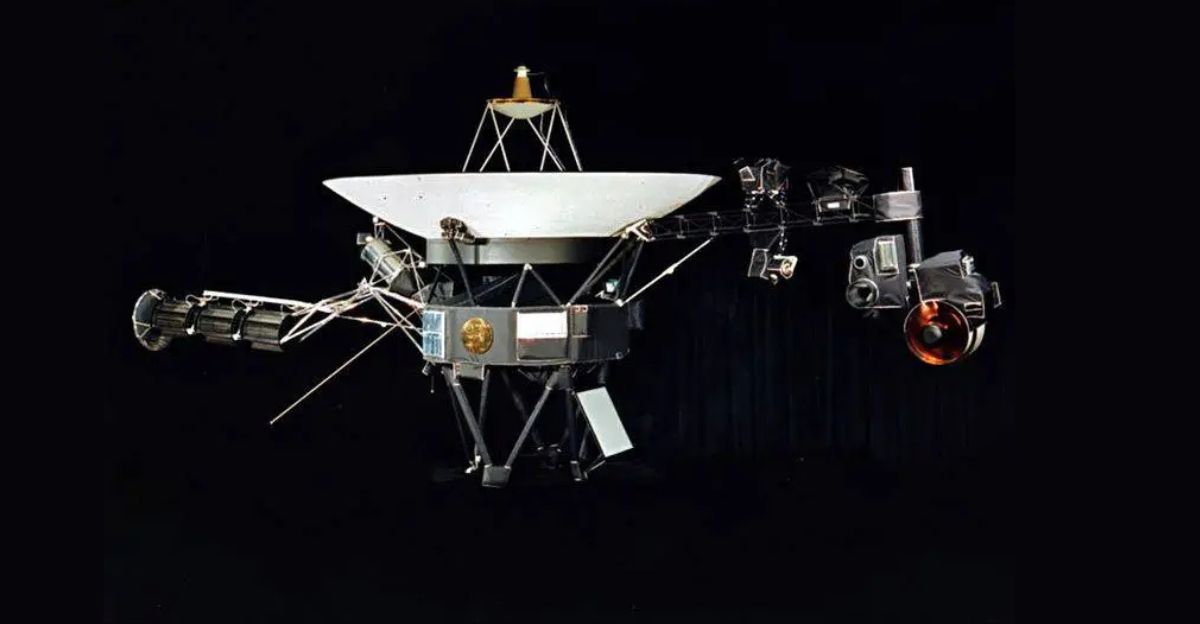
NASA launched Voyager 2 on August 20, 1977, and Voyager 1 on September 5, 1977. A rare planetary alignment allowed them to visit multiple planets.
Each spacecraft carried power generators producing 470 watts. They also carried golden records with 116 images, greetings in 55 languages, and 90 minutes of music.
The original mission focused on Jupiter and Saturn. Going further was just a hope.
Edge Approach
After visiting Jupiter, Saturn, Uranus, and Neptune, both spacecraft continued outward.
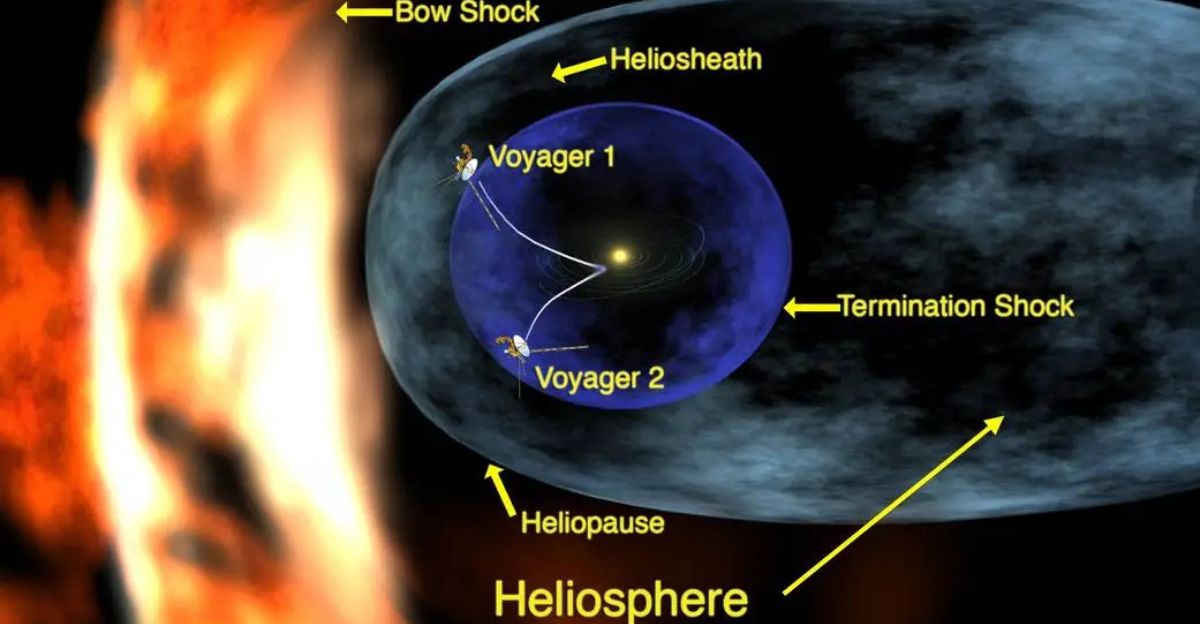
The heliosphere is a giant bubble of particles from the Sun. Voyager 1 crossed the termination shock in December 2004, where solar wind slows down dramatically. Voyager 2 crossed in August 2007.
Beyond lies the heliopause—the boundary between our solar system and interstellar space. Scientists waited to see what they would find.
Fire Wall Discovered
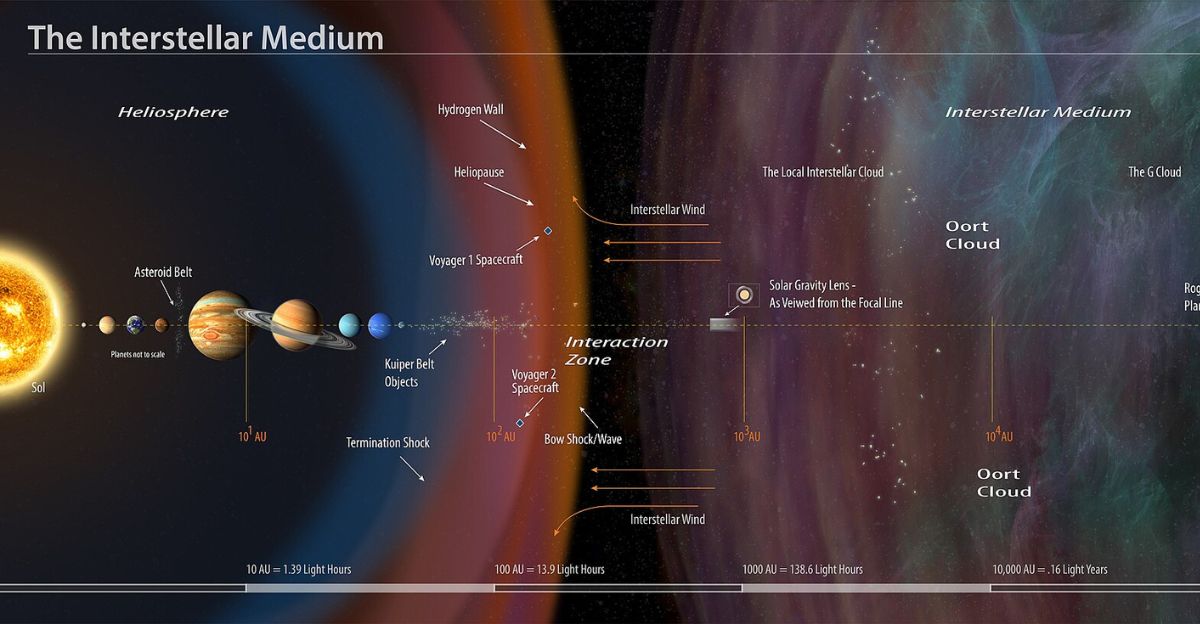
On August 25, 2012, Voyager 1 crossed the heliopause, entering interstellar space.
Voyager 2 followed on November 5, 2018. Both found a “wall of fire”—a super-hot region between 54,000 and 90,000 degrees Fahrenheit.
This is where solar wind hits interstellar gas. Voyager 2’s instruments gave the first direct temperature readings. This firewall was much hotter than predicted.
Sparse Yet Scorching
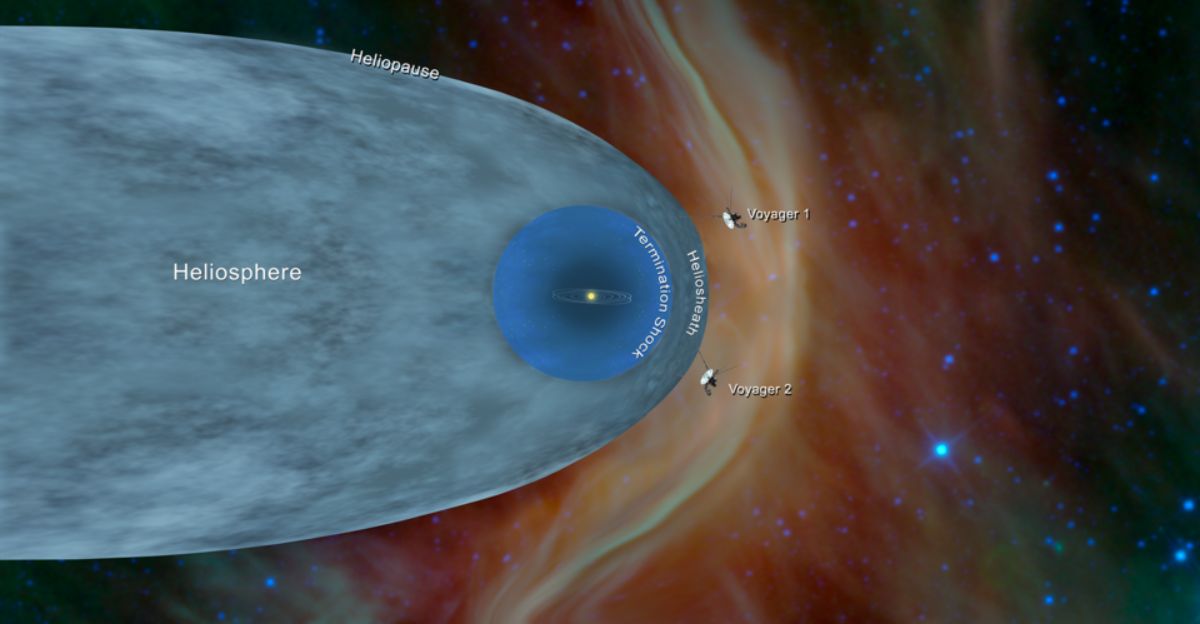
Despite temperatures of 90,000 degrees, neither spacecraft was damaged. The plasma is extremely thin—just 2 particles per liter.
Earth’s atmosphere has trillions of times more particles than the atmosphere of Venus. Heat needs particles to transfer to solid objects.
With so few particles, almost no heat reached the spacecraft. The temperature measures how fast particles move, not actual heat. The spacecraft stayed safe in the firewall.
Magnetic Mystery
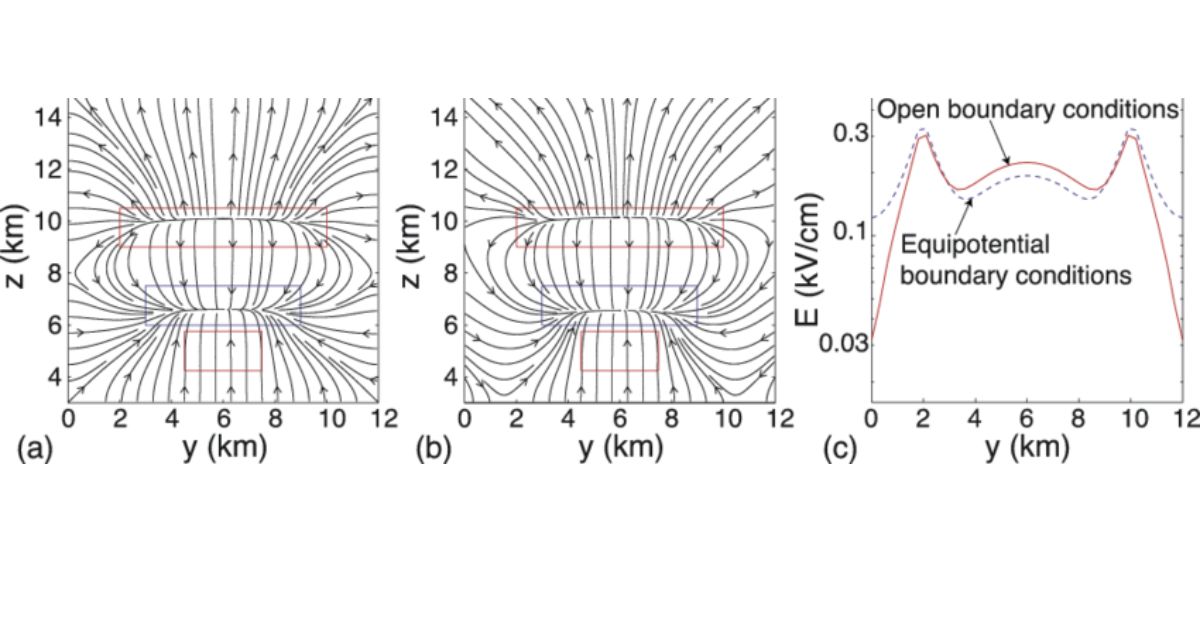
Scientists expected the magnetic field to change direction at the boundary. Instead, magnetic fields stayed parallel on both sides.
NASA reported this surprising finding in November 2019. Researchers think magnetic “tubes” connect solar and interstellar fields.
The boundary also leaks, allowing particles to flow in both directions. Voyager 2 detected more leakage than Voyager 1, showing the boundary varies by location.
Cosmic Ray Gateway
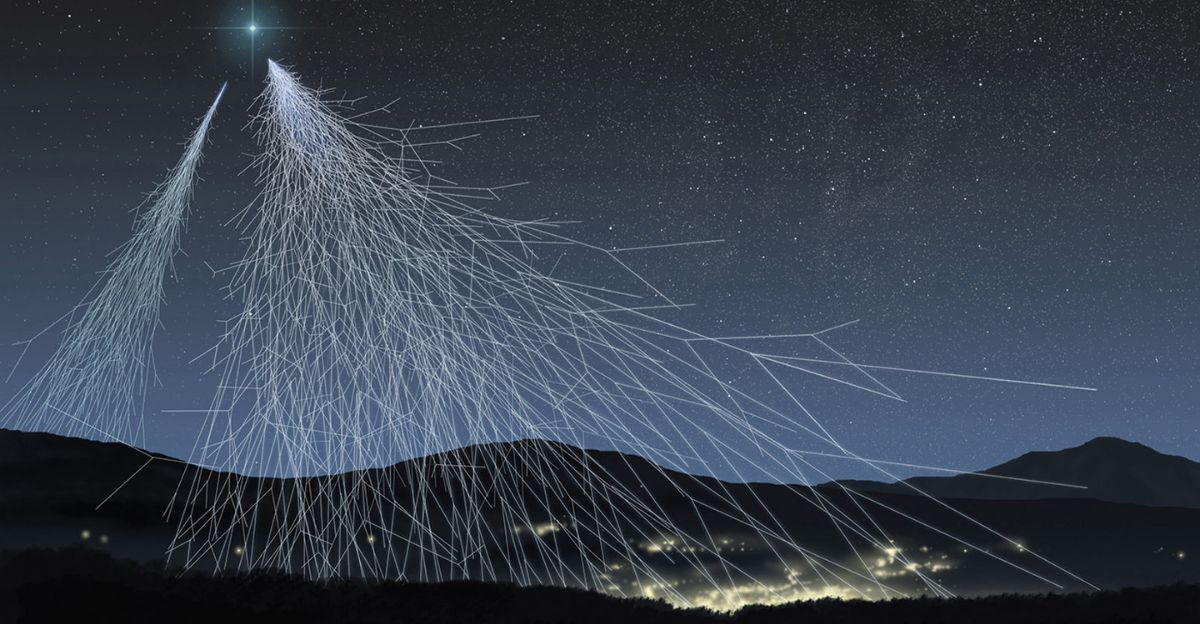
The heliopause acts as a barrier for cosmic rays from distant stars. Voyager 1 detected a 9.3% increase in cosmic rays starting in May 2012.
At the same time, solar particles dropped sharply. The spacecraft measured particles moving at approximately 10% of the speed of light.
This firewall accelerates particles as they collide with each other. Understanding this helps protect future astronauts traveling in deep space.
Breathing Boundary
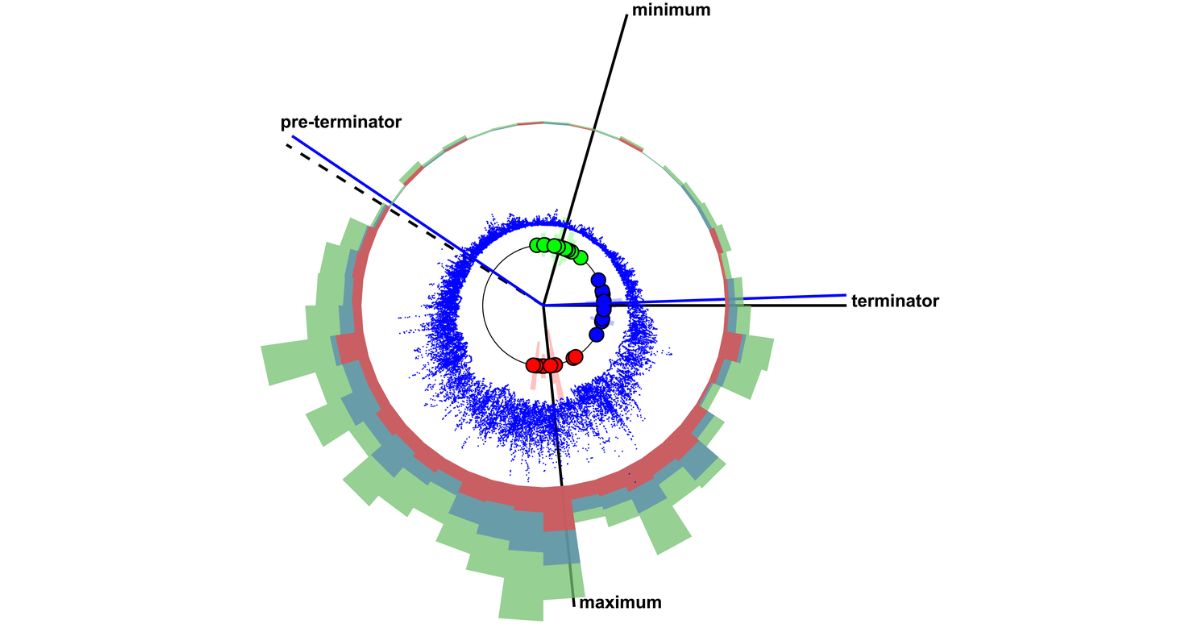
The heliopause isn’t fixed—it moves with the Sun’s 11-year activity cycle. During periods of high solar activity, the stronger solar wind pushes the boundary outward.
During quiet periods, it contracts. This explains why Voyager 1 and 2 crossed at different distances.
NASA’s IBEX spacecraft observed these changes from its orbit around Earth. The solar system’s size actually changes over time.
Double the Prediction
The discovery of the record temperature challenged scientific models. Scientists predicted temperatures ranging from 27,000 to 54,000 degrees based on earlier observations.
Voyager 2 measured 54,000 to 90,000 degrees—approximately double the expected maximum. Interstellar material compresses at the edge of the heliosphere, creating heat.
Multiple studies in 2019 reported this finding. Scientists had to revise their understanding of how plasma behaves at this boundary.
Power Decline Challenge
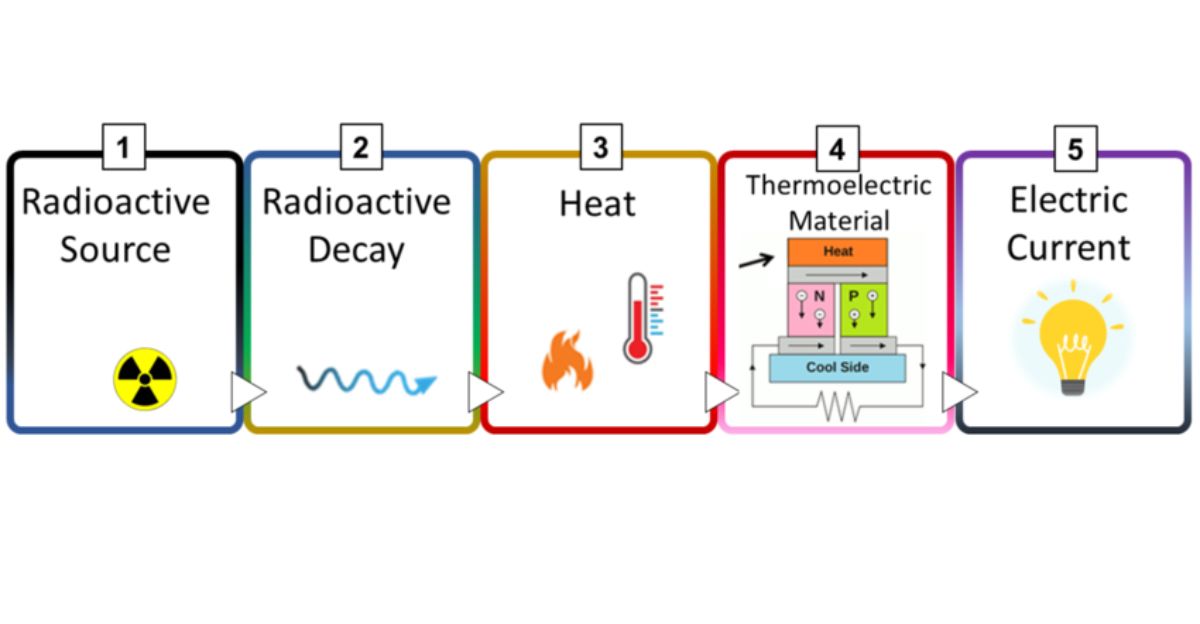
Both spacecraft are running out of power as their plutonium generators decay. Each loses about 4 watts yearly. Power is expected to drop from 470 watts to roughly 250 watts by 2025.
NASA shut down some instruments in early 2025. “The Voyagers have been deep space rock stars,” said project manager Suzanne Dodd.
Each spacecraft now has three working instruments: a magnetometer, a plasma wave detector, and one particle detector.
Extended Mission Strategy
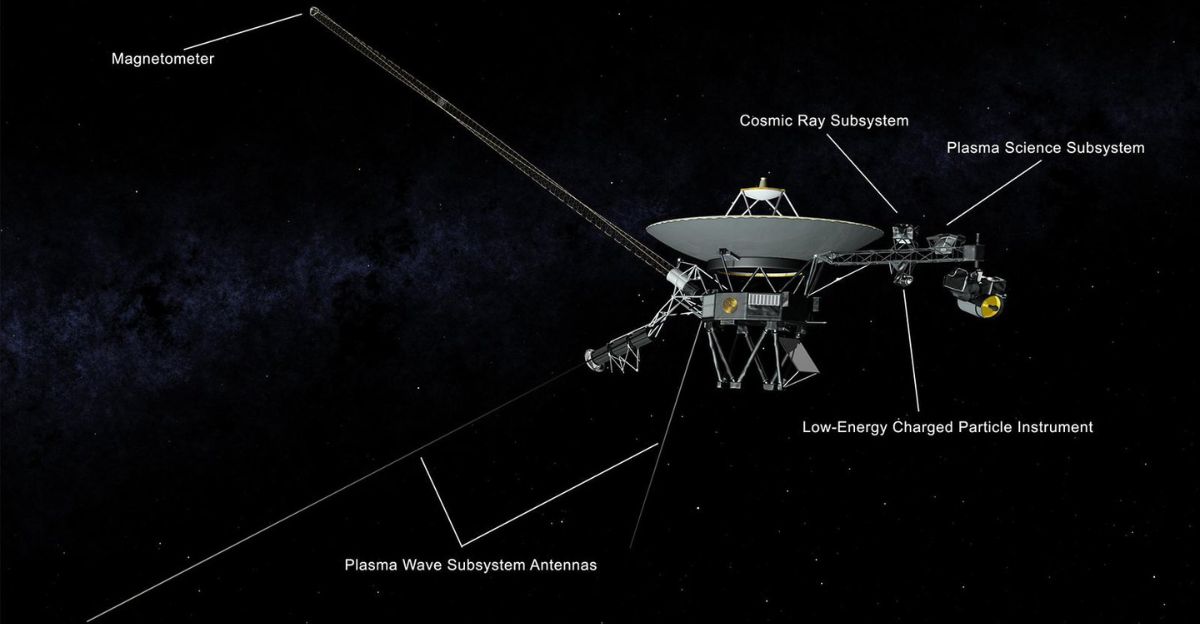
Engineers plan to shut down more instruments to extend operations into the early 2030s. NASA will prioritize the magnetometer and plasma wave instruments.
The plasma wave instrument measures electron density precisely using natural oscillations. These measurements showed electron density increased twentyfold when crossing the heliopause.
This data confirmed the spacecraft truly entered interstellar space. No other spacecraft can provide this information.
Interstellar Data Stream
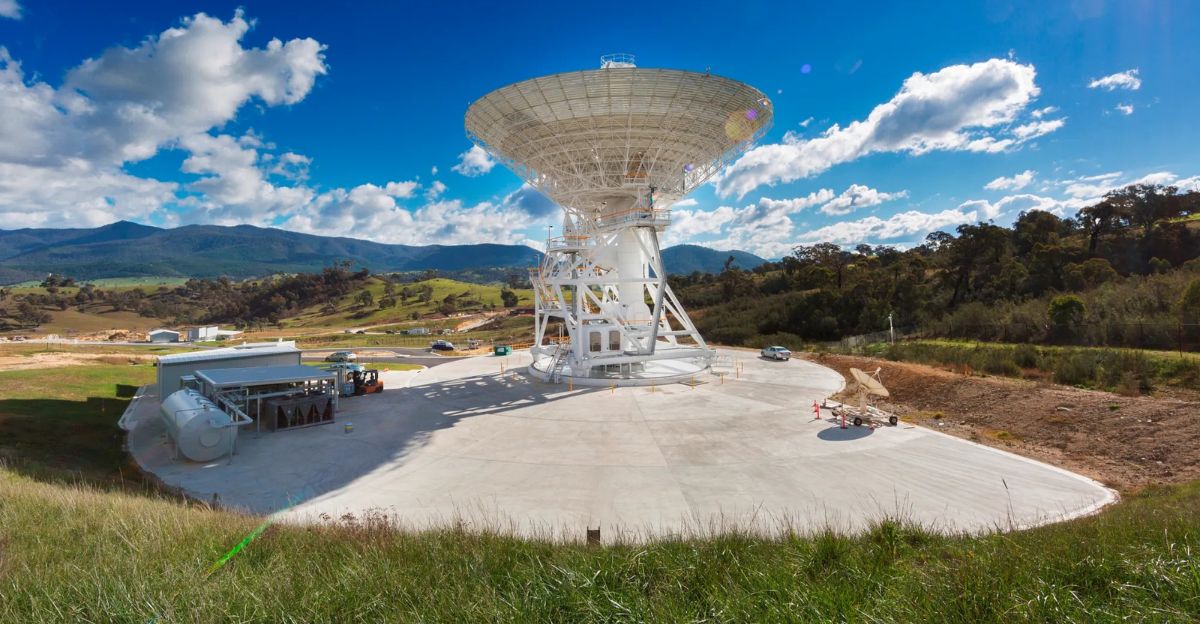
The spacecraft is 15 billion miles away—radio signals take 23 hours to reach it. They still transmit 160 bits per second through NASA’s Deep Space Network.
Large antennas in California, Spain, and Australia track them as Earth rotates. Engineers turned off heaters to save power.
The simple electronics of the 1970s handle radiation better than modern computers. Voyager 1 is expected to reach a one-light-day distance in November 2026.
Uncertain Future Crossings
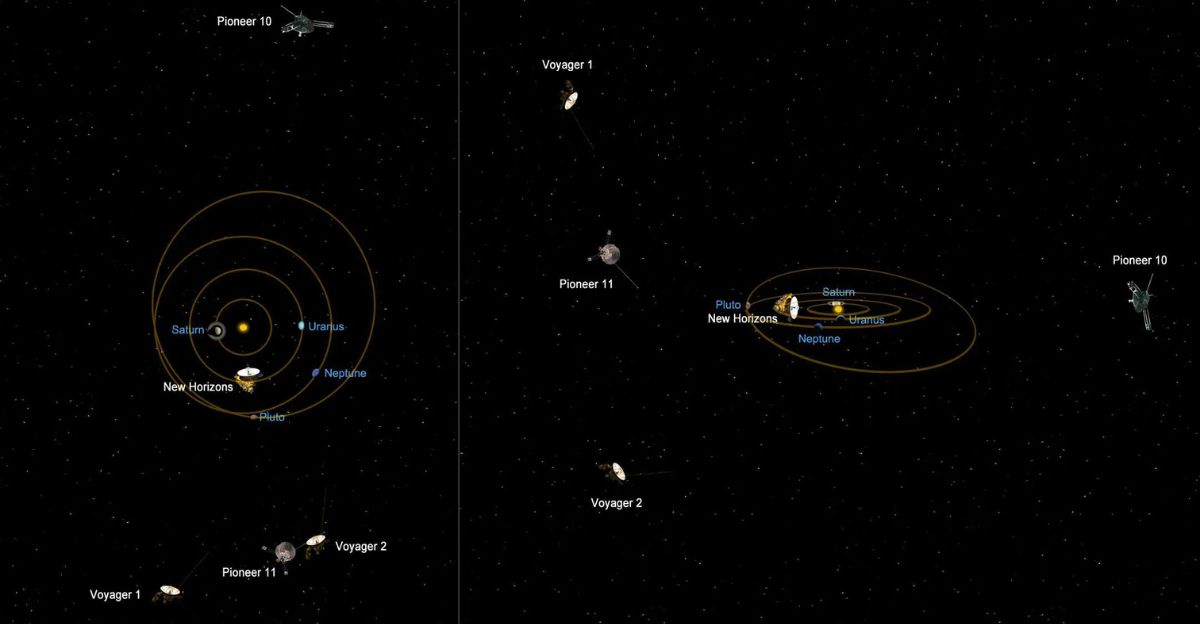
No other spacecraft will reach the heliopause for decades. NASA’s New Horizons probe won’t arrive until the mid-2040s at the earliest.
Future missions face significant challenges, including maintaining long-lasting power, communicating across billions of miles, and protecting against radiation. Many questions remain about the heliopause’s shape and behavior.
Without new missions, direct observations will end when the Voyagers stop transmitting. Their discoveries provided a roadmap for the future.
Legacy Beyond Silence
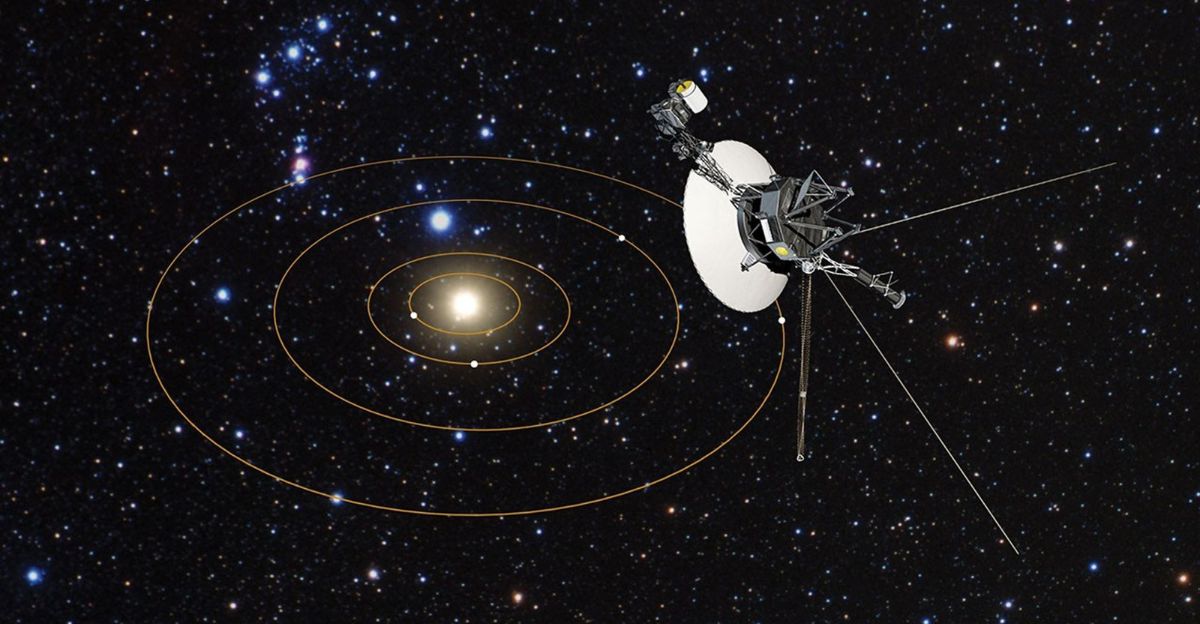
When power runs out in the early 2030s, both spacecraft will drift silently through space. Each carries a golden record—a message for any civilization that finds them.
The discovery of the firewall is one achievement among many: 21 new moons, active volcanoes on Io, hints of oceans on Europa and Enceladus, Neptune’s Great Dark Spot, and 1,200 mph winds on Neptune.
The mission changed our understanding of space.