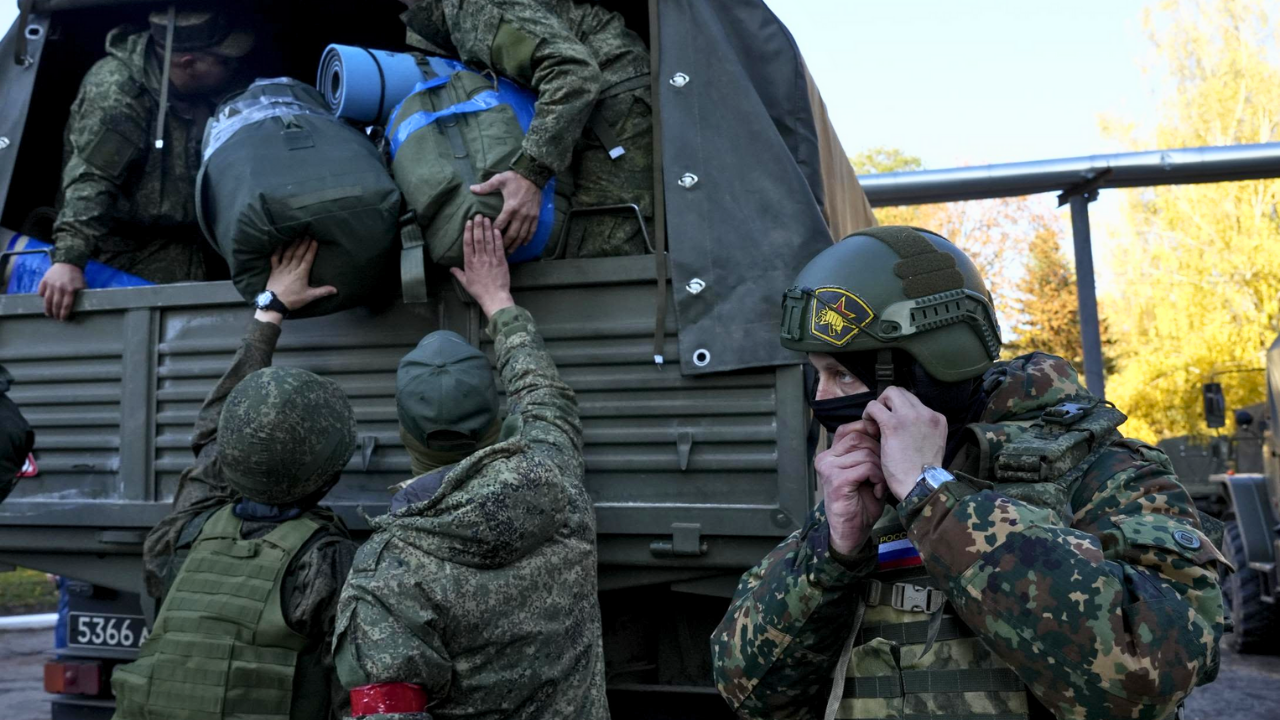
The headline “Russia’s Largest Human Wave Offensive Defeated—1,200 Elite Troops Lost in $500M Disaster” sums up a crucial point in the ongoing conflict in eastern Ukraine over Pokrovsk. Russia’s attack, which carries a high risk of significant casualties and material losses, is a prime example of a brutal strategy of massed troop waves to seize urban territory.
In the midst of Pokrovsk’s nearly deserted ruins, reliable reports from Reuters, the Ukrainian Defense Ministry, and independent mapping projects like DeepState confirm intense fighting over 35 buildings, with Russian forces suffering hundreds, possibly over 1,000, casualties, including elite units. No independent sources support the dramatic claims that 5,000 people were killed. This conflict highlights a costly miscalculation concealed by propaganda and exposes the high costs and strategic stagnation of Russia’s protracted urban offensives.
The Historical Background of Urban Warfare and the Pokrovsk Siege
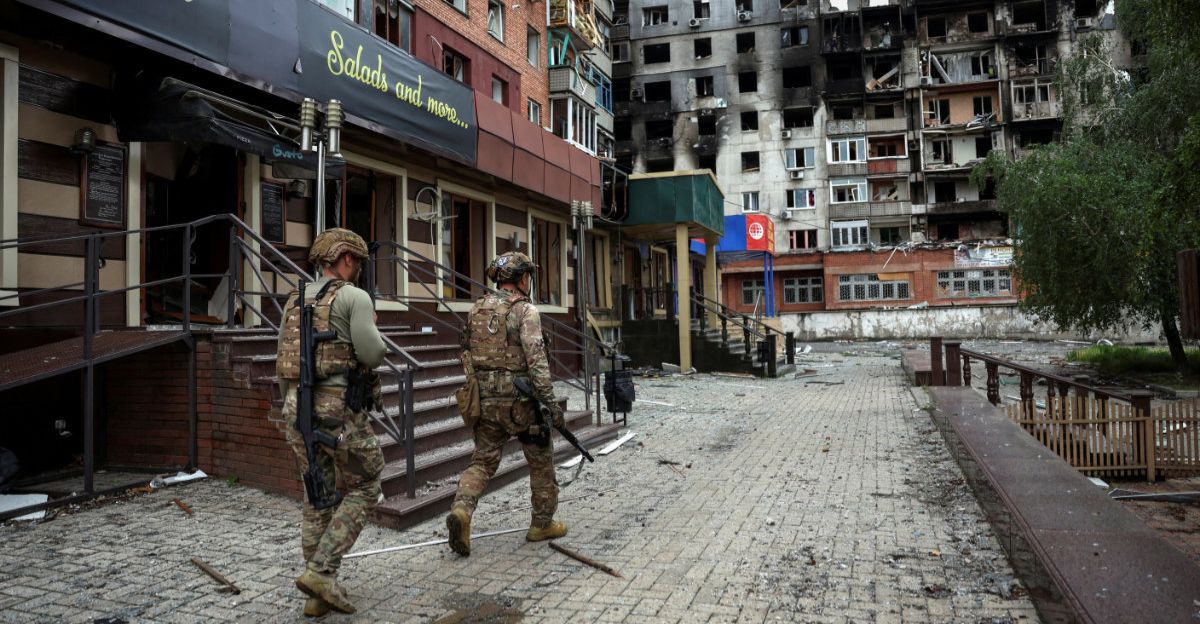
Pokrovsk was besieged for more than a year without being decisively taken, making it one of the longest sieges in the conflict in Ukraine. Pokrovsk represents grinding attrition with little territorial gain, in contrast to quick Russian victories like Mariupol in early 2022 (less than three months).
The city, which had about 60,000 residents prior to the war, has now been almost completely evacuated, making it a “ghost city” battlefield. This protracted siege is reminiscent of past urban warfare deadlocks like Stalingrad and Verdun, but it takes place in a contemporary conflict shaped by fortifications, artillery, and drones. Despite claiming battlefield initiative, Russia’s inability to capture significant towns since Avdiivka in early 2024 reveals their offensive fatigue.
Examination of Russia’s Human Wave Assault Strategies
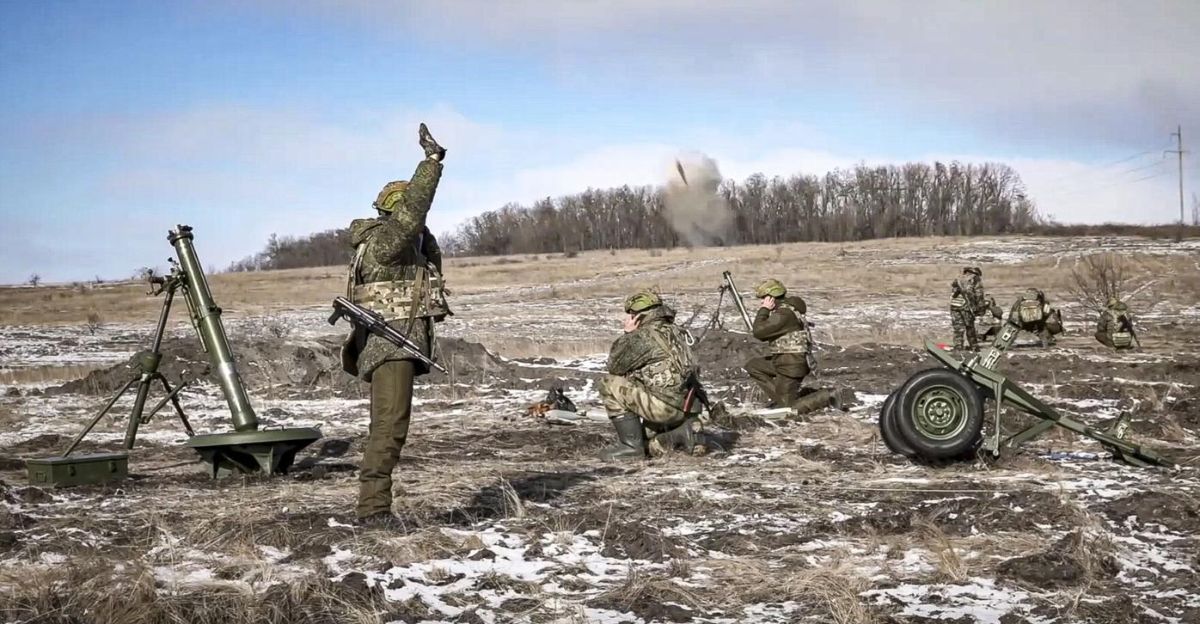
Large, wave-like mass infantry attacks against fortified positions are known as the “human wave” tactic, and they represent a regressive strategy more akin to trench warfare in World War I than contemporary maneuver warfare. Tens to hundreds of fighters are thought to have participated in each cleared building, suggesting thousands of people engaged in vicious close-quarters combat.
According to Russia’s Defense Ministry, 35 buildings have been cleared, indicating incremental territorial gain at significant material and human costs. These offensives show a lack of adaptation to the complexity of urban warfare and Ukraine’s successful defense strategies. This willingness to give up elite troops and resources, roughly $500 million, reveals a harsh calculation that puts short-term gains ahead of long-term strategic triumphs.
Ukraine’s Urban Defense and Tactical Resilience
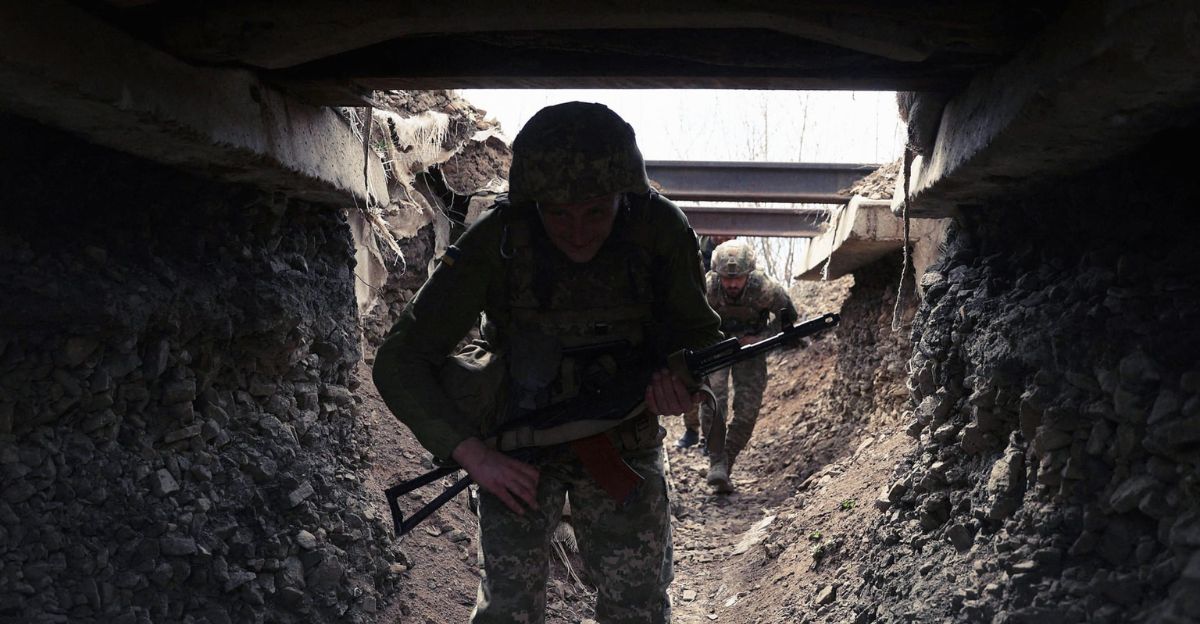
Using ruins, tunnels, and fortified positions, Ukrainian forces, including elite units like the Azov Corps, have established deep urban defenses in Pokrovsk. Ukraine claims that no units are surrounded despite Russia’s unrelenting attack, retaining control of strategic locations and causing significant attrition. Local expertise, mobile defense, and flexible guerrilla tactics that thwart conventional attacks all contribute to the Ukrainian government’s strategic patience.
Despite significant losses, President Zelensky’s front-line visit on November 4, 2025, highlights morale and command presence, indicating strategic significance and commitment. In asymmetric warfare, such battlefield resilience is a prime example of contemporary urban defense.
The Pokrovsk Combat Grey Zone Phenomenon
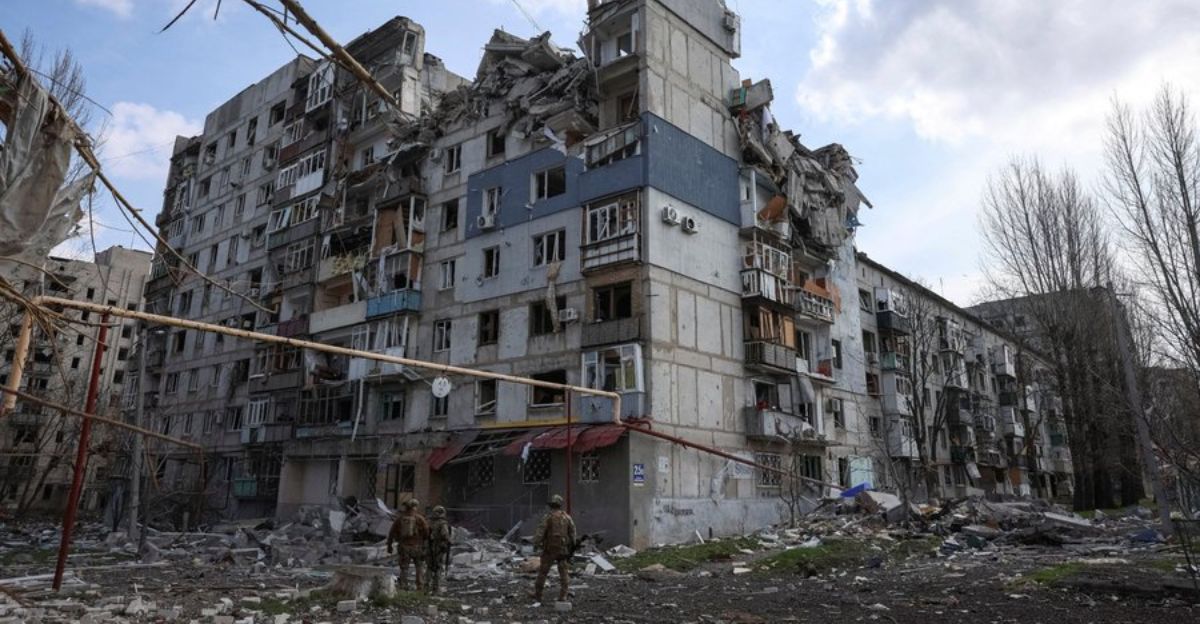
According to DeepState’s Ukrainian mapping project, a sizable portion of Pokrovsk is currently categorized as “grey zones,” which denote areas with high-intensity fighting and contested control. This urban no-man’s-land situation is a unique example of stalemate warfare in the twenty-first century, in which neither side maintains complete control amid debris and ruins.
Grey zones make logistics more difficult, undermine conventional command and control, and put soldiers under more psychological strain. Due to the lack of a clear breakthrough, this unclear urban warfare prolongs suffering and battlefield uncertainty and is reminiscent of trench stalemates from World War I and contemporary examples like Aleppo.
Strategic Consequences of the Extended Siege of Pokrovsk
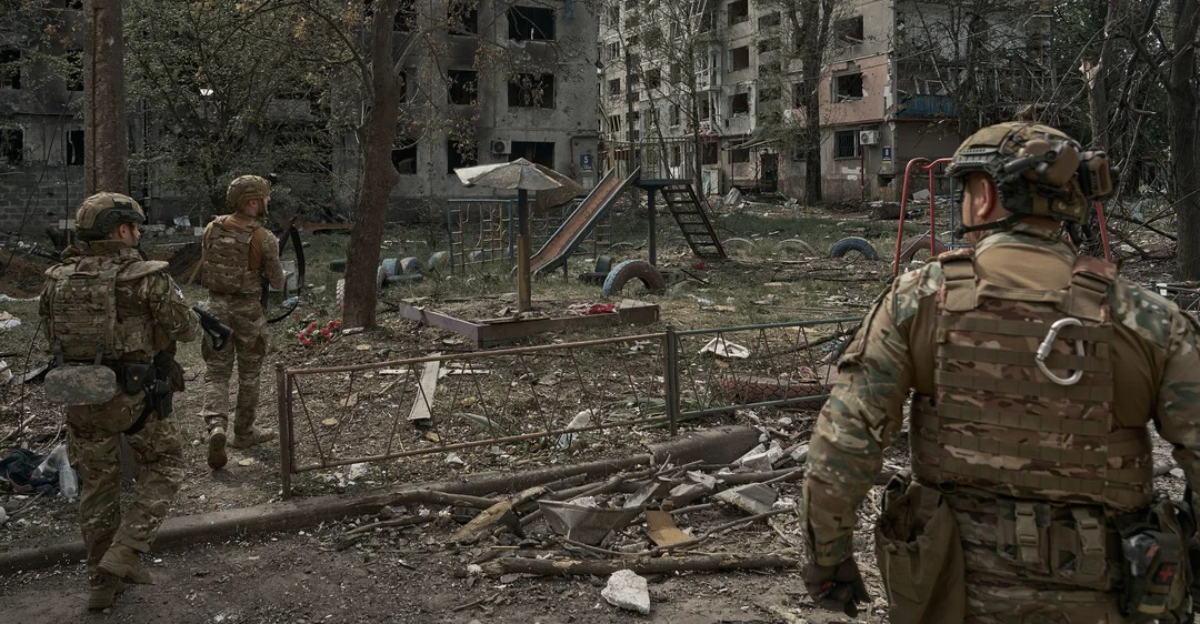
After a year, Russia is still unable to take Pokrovsk, which represents a significant strategic deadlock. The operational balance in Donetsk would change if capture opened doors to the bigger cities of Kramatorsk and Sloviansk. Failure, on the other hand, depletes elite Russian forces and resources while trapping the frontline in an expensive standoff.
This impasse may lengthen the war and undermine Moscow’s strategic calculations by reducing Russian influence in more extensive peace talks. Resilience against future offensives is strengthened by Ukrainian control, which preserves vital supply routes and morale. For months or years to come, Pokrovsk’s destiny may influence regional dynamics.
The Offensive’s Material Costs and Economic Impact
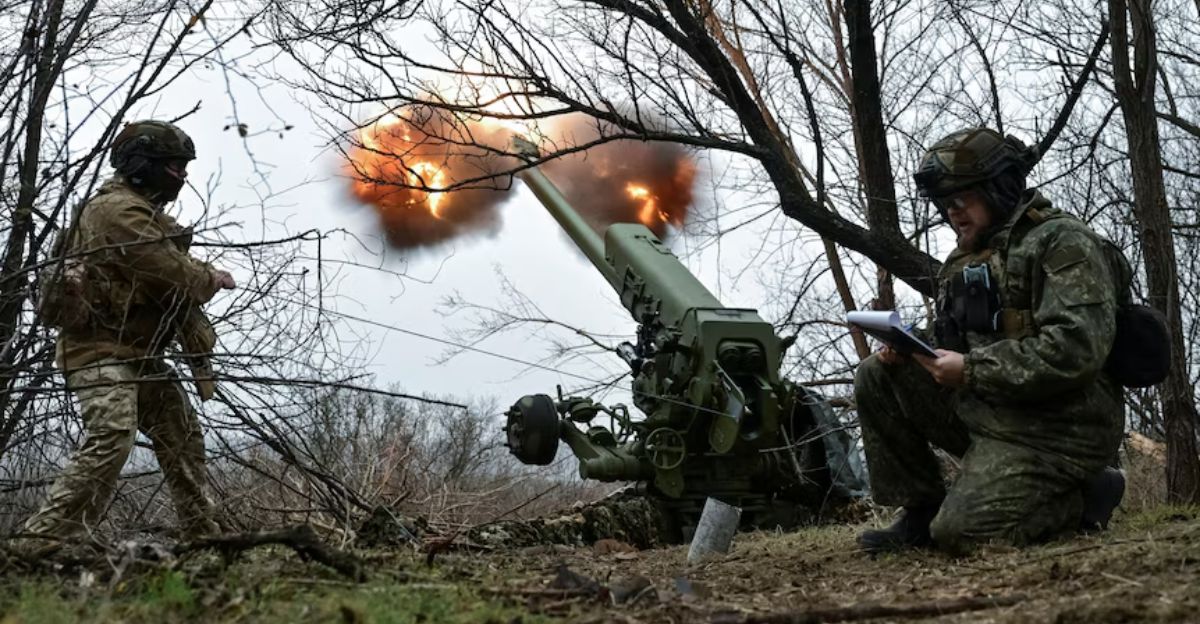
The equipment, ammunition, and labor used during the attack are all included in the estimated $500 million loss. Each cleared building necessitates the deployment of infantry, armored vehicles, and heavy artillery shelling, all of which are unaffordable. Russia’s loss of elite soldiers further reduces its ability to fight effectively in the future.
These expensive deadlocks highlight the financial constraints of employing large-scale infantry attacks against urban defenses, depleting funds, and weakening military-industrial capabilities in the face of sanctions. A bleak picture of cost-inefficient warfare motivated more by political pressure than by adaptive strategy is painted by the financial and human cost.
Urban Human Wave Warfare’s Psychological and Human Costs
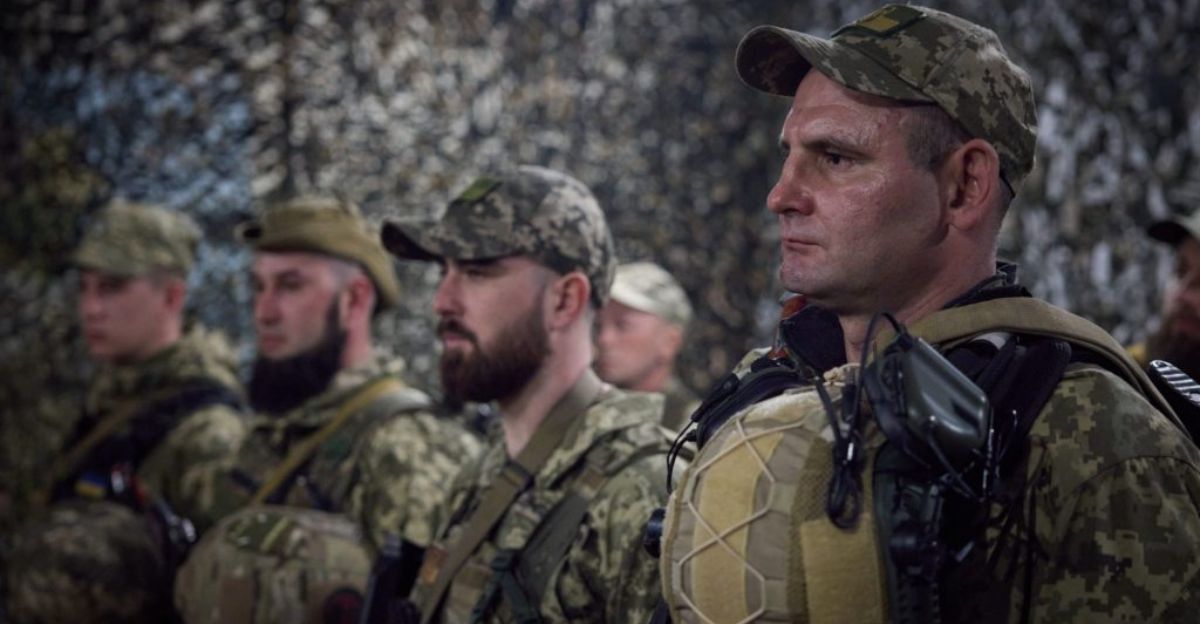
Soldiers are subjected to constant, close-quarters fighting with high casualties during human wave assaults, which have a devastating psychological impact on them. Despite having the best training, elite units suffer disproportionate losses, which affects morale and long-term combat preparedness. An “apocalyptic” battlefield where soldiers confront devastation amid ruins is created by the abandoned city devoid of civilians, which intensifies psychological strain.
While Russian forces rely on sheer numbers, which breeds fatigue and despair, Ukrainian defenders face constant threat but take advantage of local advantages and moral clarity. This dynamic shapes troop psychology and future recruitment, demonstrating the terrible human cost of statistics.
Misinformation, propaganda, and narrative conflicts

Claims of “5,000 enemy killed by Azov Corps” and “100-man assault waves” lack independent confirmation and are probably information warfare directed at domestic audiences and morale. There have been no such casualty figures in recent battles, according to Reuters and major independent media.
Both sides manipulate the narrative: Ukraine emphasizes heroism and enemy losses, while Russia exaggerates territorial gains. This complicates international understanding by obfuscating a true assessment of battlefield conditions. Focusing on verified reports, being skeptical of exaggerated claims, and understanding how the fog of war affects information flow are all necessary for accurate intelligence.
Urban Battles in Contemporary Conflicts: A Comparative Study
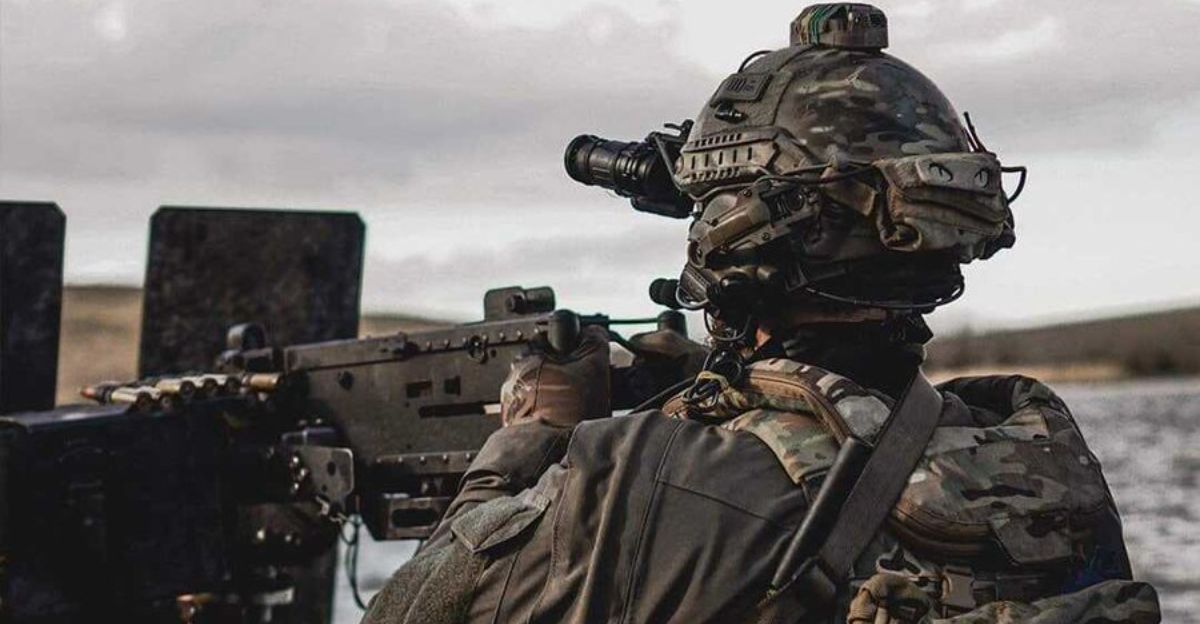
In terms of devastation, civilian evacuation, and attritional fighting, Pokrovsk’s urban combat is comparable to that of Mariupol (2022), Aleppo (2016), and Grozny (1999). Pokrovsk’s siege, on the other hand, is longer and characterized by impasse rather than a clear triumph.
Pokrovsk is an example of a protracted attrition war that reflects lessons learned and adaptations, in contrast to Mariupol, which fell in months. These parallels show how terrain, population evacuation, and fortifications define conflict dynamics and highlight the brutal persistence of evolving urban warfare despite sophisticated weaponry. Recognizing these similarities aids in forecasting results and humanitarian effects.
The Offensives in Eastern Ukraine in a Broader Geopolitical Context
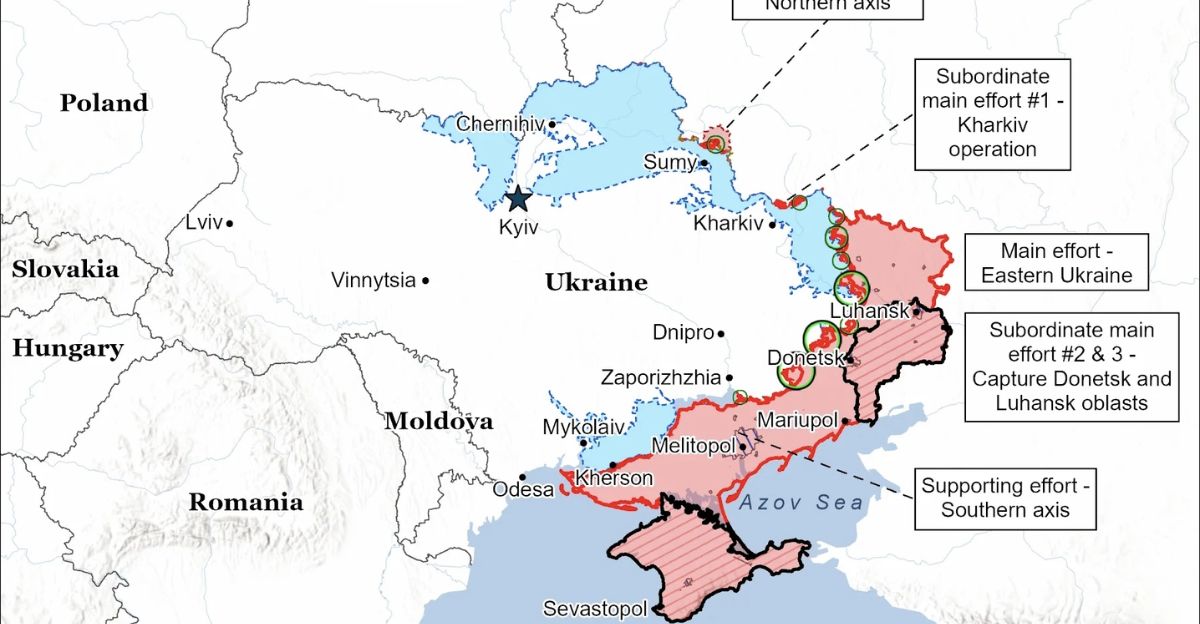
The fighting in Pokrovsk is a component of a larger Russian offensive in the Donetsk and Kharkiv regions, which also includes pressure 160 kilometers north near Kupiansk. The goal of multi-axis offensives is to test Ukrainian defenses while exposing Moscow’s operational and logistical limitations. More coordination is needed than just massing infantry on a connected front that covers more than 10,000 square kilometers.
Russian claims of rapid advances are undermined by persistent Ukrainian resistance in Pokrovsk and Kupiansk, and the focus of international aid is shifted to intelligence sharing and support for urban warfare. Pokrovsk is positioned as a crucial node in a larger strategic chess game in this context.
Possible Second-Order Impacts on the Conflict Between Russia and Ukraine
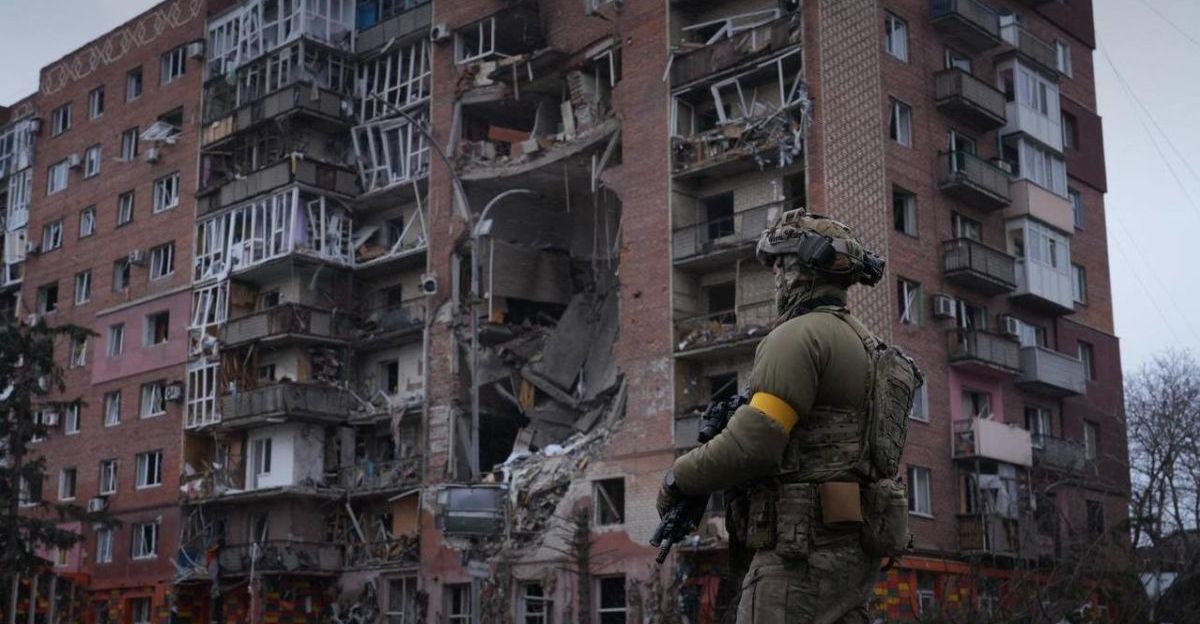
If Russia is ultimately unable to take Pokrovsk, it may indicate a protracted standoff or a shift in Russian strategy toward less ambitious goals. Defense victories could be used by Ukrainian forces as diplomatic leverage to encourage a ceasefire or a deadlock in peace negotiations.
On the other hand, persistent losses might lower the caliber of Russian elite troops, necessitating adjustments to recruitment and strategy. Moscow may become more dependent on proxies or technological methods (e.g., drones, cyber) if the human wave strategy fails. Long-term conflicts exacerbate humanitarian crises and affect public opinion and support for Ukraine in the West.
The Human Wave Offensive in the Framework of Global Military Development
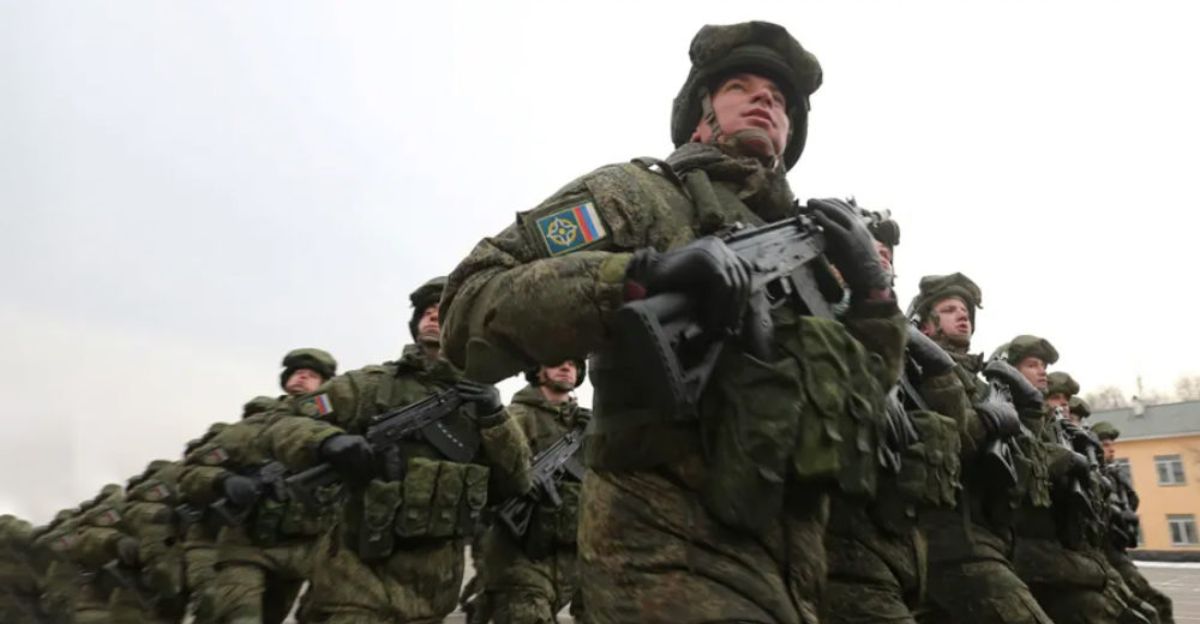
The notion that technology and precision strikes dominate modern warfare is called into question by the failure of Russia’s mass infantry wave in Pokrovsk. Rather, it shows an uncomfortable return to attritional tactics because of command indecision, morale problems, and operational limitations.
This contrast encourages a reevaluation of military doctrines around the world, including how countries strike a balance between manpower and technology, the difficulties of urban combat, and political pressures. Pokrovsk is a stark case study that highlights the harsh consequences of rigid doctrine and the limitations of technology without adaptive strategy.
Humanitarian and Ethical Thoughts on the Offensive
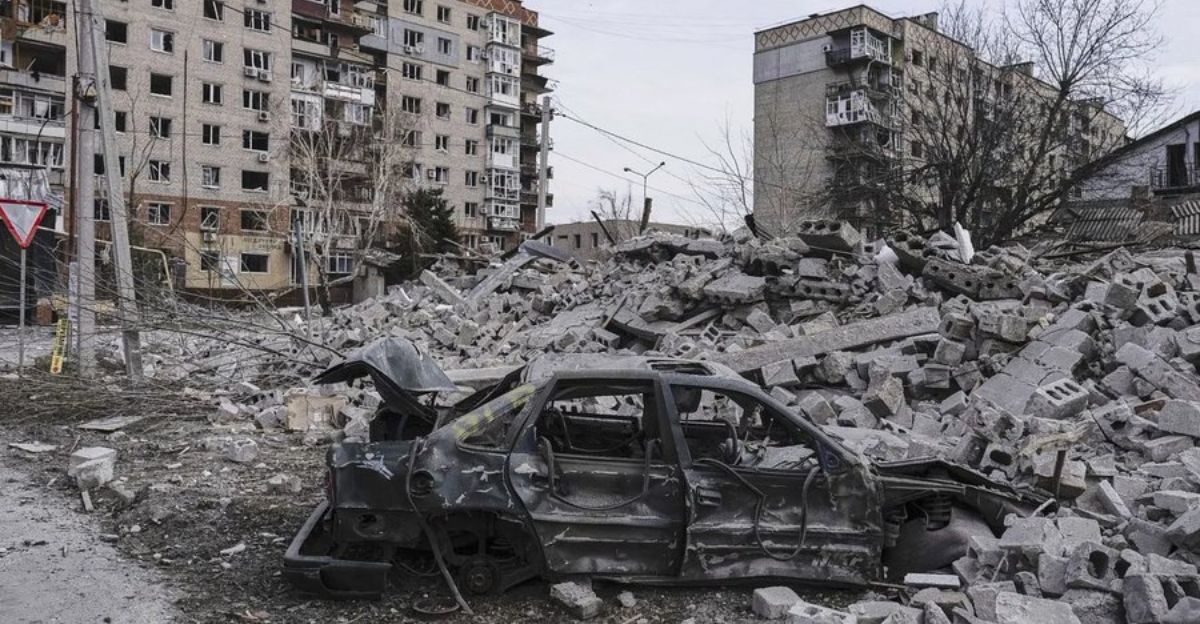
The extent of the devastation and casualties in Pokrovsk presents serious moral dilemmas regarding the use of siege warfare on civilian infrastructure, including abandoned areas. Commanding forces and international actors have moral obligations when a city of 60,000 people is turned into a battlefield with numerous casualties.
Combatant protection and proportionality are at odds with the indiscriminate human wave assaults, which involve elite troops with high survival expectations. This attack emphasizes how urgently the topic of urban warfare strategies in contemporary conflicts needs to be reexamined under international humanitarian law.
Teachings and the Way Ahead
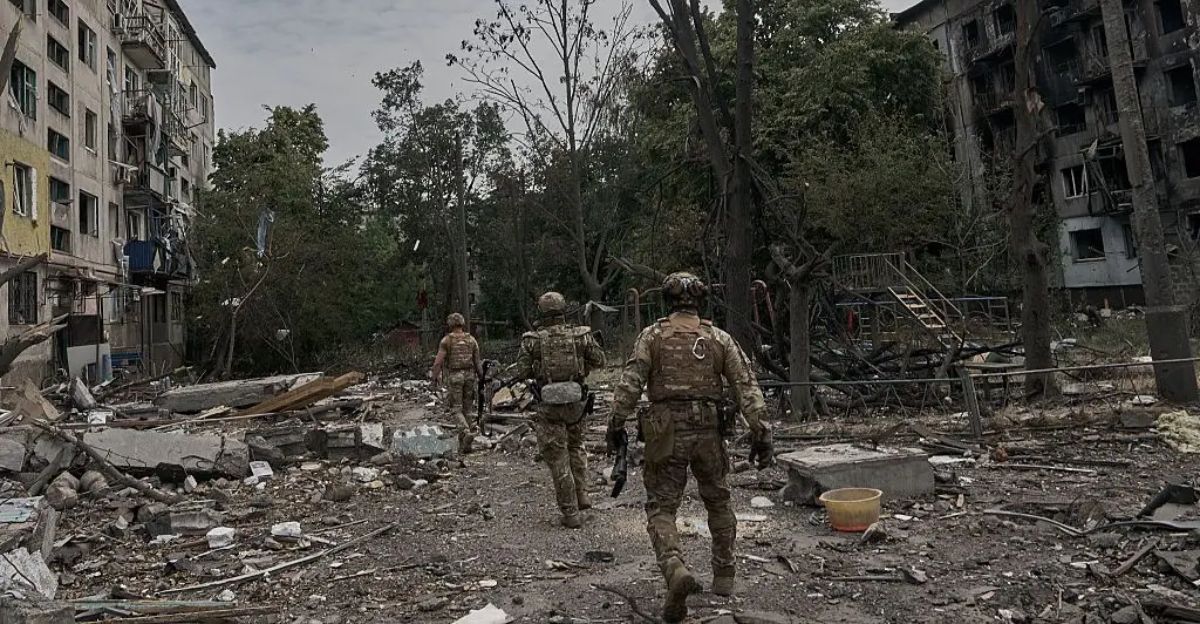
With over 1,200 elite troops lost and a half-billion-dollar material loss, Russia’s biggest human wave offensive in Pokrovsk proved to be a costly failure, highlighting the futility of attritional attacks in contemporary urban warfare. The conflict highlights a protracted standoff that depletes resources and morale, exposing tensions between Kremlin propaganda and battlefield reality.
Despite intense combat, Ukraine’s unwavering urban defense provides a model for using tactical creativity to fend off superior numbers. In the future, this conflict forces a reevaluation of humanitarian, psychological, and strategic approaches—lessons that have far-reaching effects beyond eastern Ukraine.