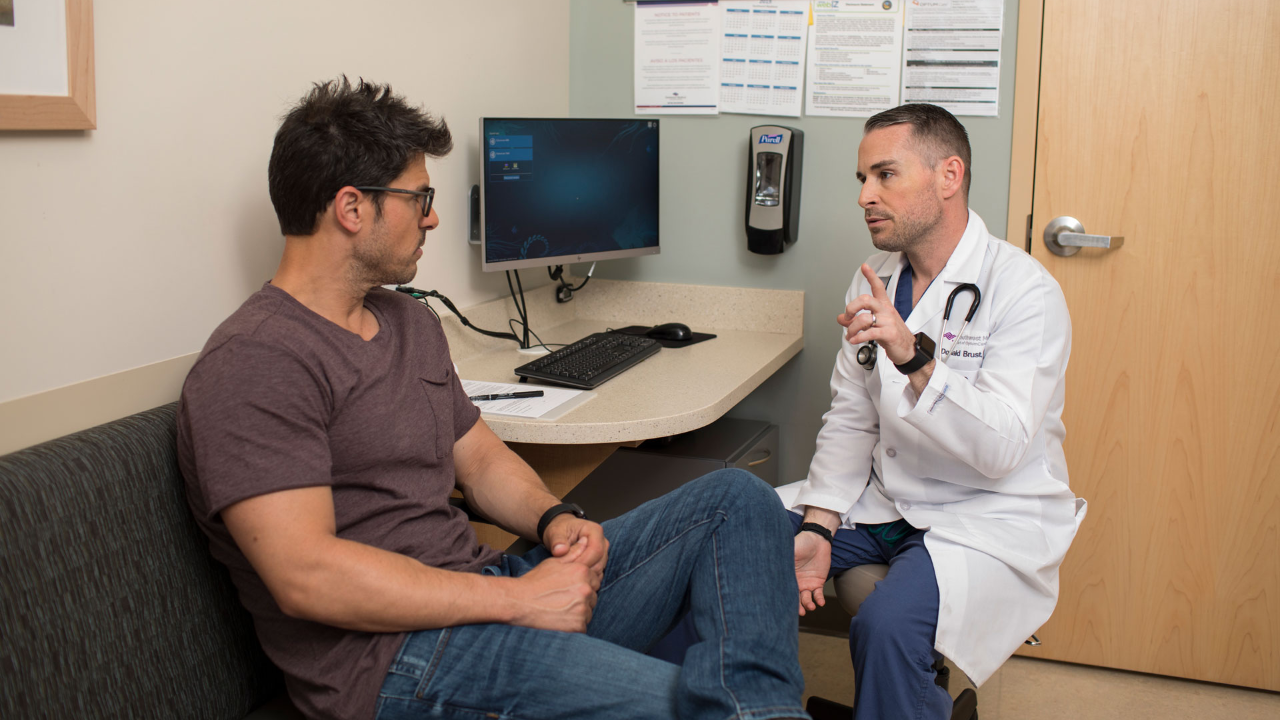
Optum, owned by UnitedHealth Group, is shutting down nearly 90 medical offices across New Jersey by December 1, 2025. The closures will result in 572 employee layoffs through early 2026, leaving thousands of patients scrambling to find new healthcare providers.
The sudden announcement has blindsided communities, with many patients learning about closures through social media rather than official notifications.
The Scale of Disruption
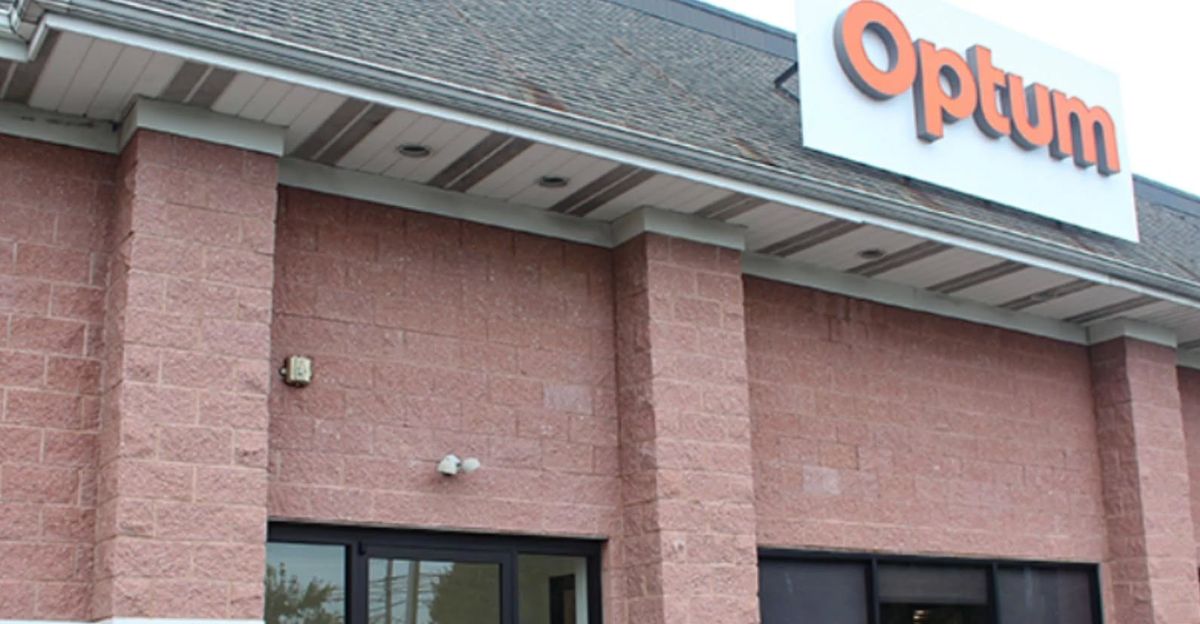
The closures affect approximately 20 primary care offices and 19 pediatric locations throughout New Jersey.
Optum filed four separate WARN notices in October, with Optum Care eliminating 390 positions, Optum Medical Care cutting 122 jobs in Secaucus, and other divisions laying off 60 additional workers. Most employees will be paid through February 2, 2026.
Eight Specialties Eliminated Statewide
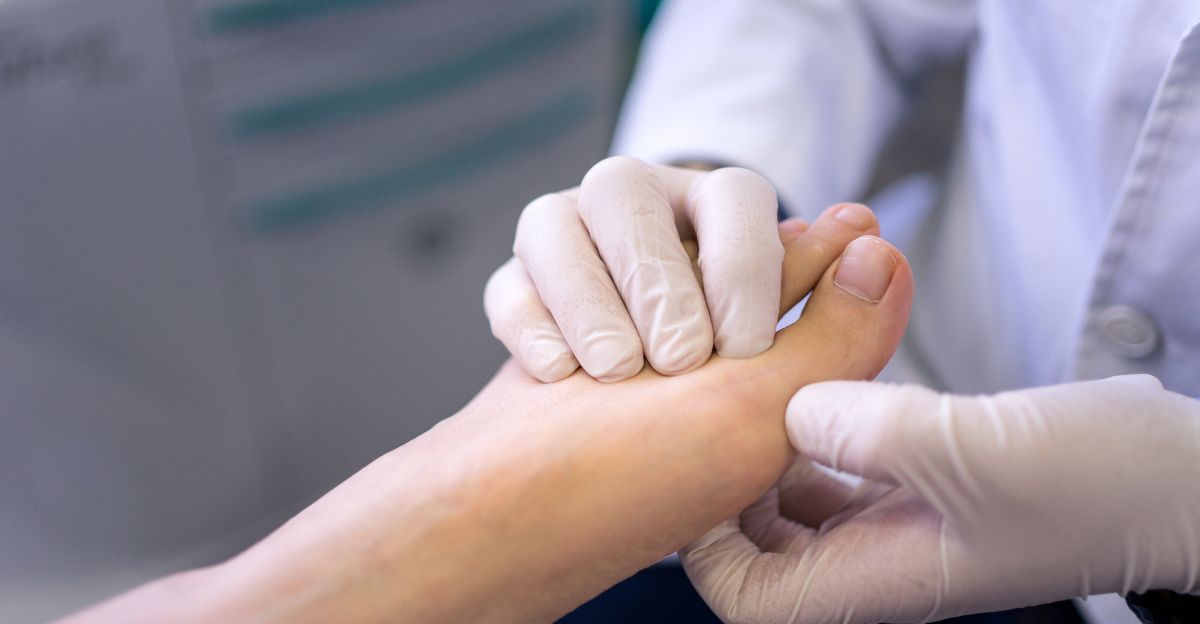
Effective December 1, Optum will completely discontinue eight specialty services across all New Jersey locations. These include behavioral health, gastroenterology, podiatry, dermatology, endocrinology, orthopedics, pulmonology, and chiropractic care. The company is exiting these specialties entirely rather than consolidating them into fewer locations.
Mental Health Services Vanish

All Optum behavioral health services in New Jersey will cease after November 30, leaving patients with mental health needs without care. The company sent emails stating clinicians “will no longer be part of Optum Medical Care and all scheduled appointments will be canceled.”
This comes as behavioral health utilization has surged nationwide, creating significant access challenges.
Hudson County Hit Particularly Hard
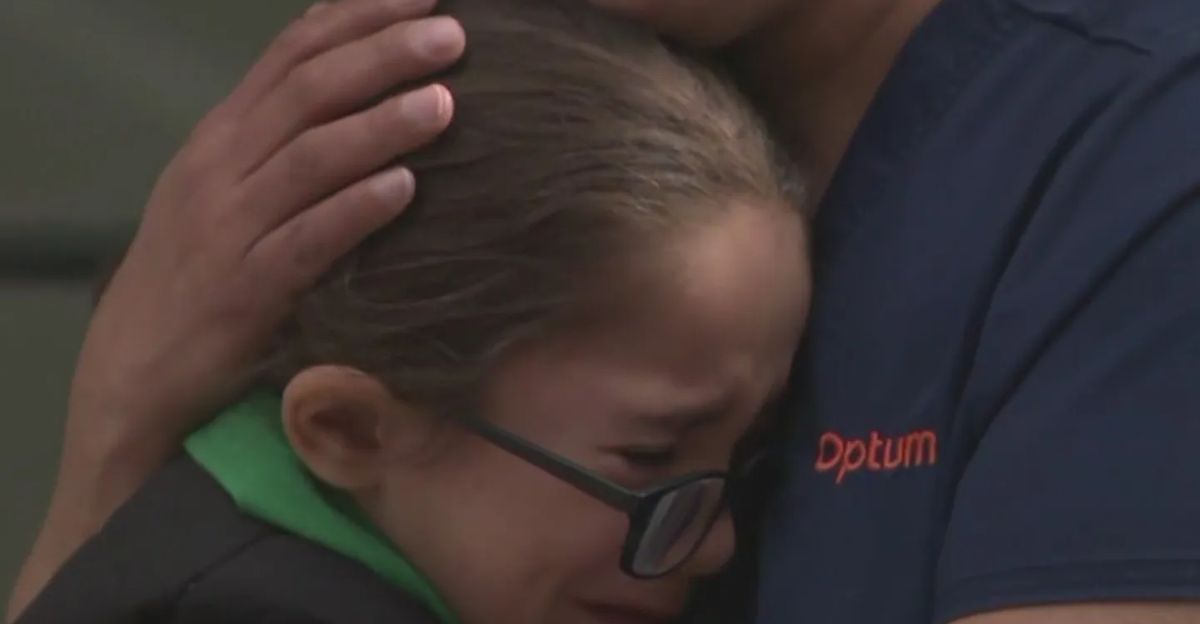
In Hudson County, one of America’s most densely populated areas, four Optum pediatrics offices are closing, including both Hoboken locations.
Hoboken Councilwoman Emily Jabbour expressed concern that the city could become a “pediatric desert” without adequate access to children’s healthcare. The closures eliminate decades-long patient-doctor relationships.
Parents and Patients Left Scrambling
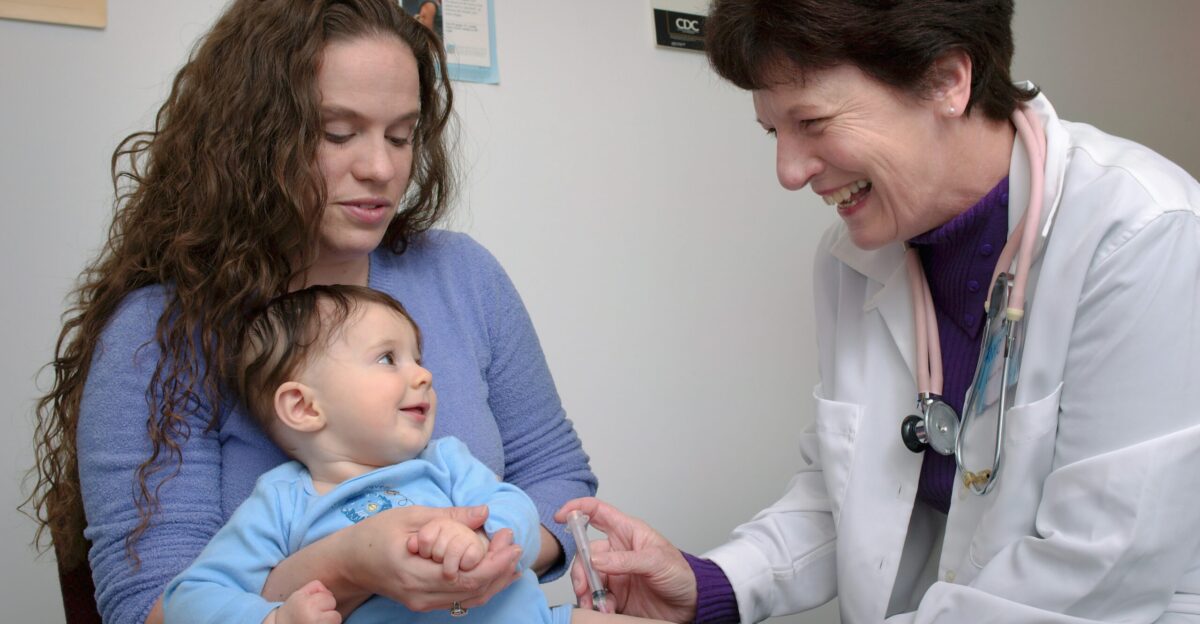
Cynthia Link, a Hoboken mother, fears getting doctor appointments this winter will be “absurdly hard.” Patients like Tamela Hartman, who spent over two decades with the same physician, must now find new providers on short notice.
Many parents only learned of closures through community social media groups rather than direct communication from Optum.
Doctors Terminated Abruptly

Healthcare providers were informed in last-minute meetings that their positions were eliminated immediately. One pediatrician told parents that he would be “completely out of a job two months from now.”
Nurse Elvira Vega, who treated patients at the Hudson Street Optum practice for years, described facing patients like six-year-old Logan as “tough”.
Concerns About Healthcare Deserts

An anonymous Optum employee warned that dislocated patients in Ocean County alone will overwhelm the system. “Is this putting people’s lives at risk? Most definitely,” the employee stated.
Patient Meg Reff said inadequate specialist access could threaten her life if she cannot obtain necessary medications.
Insufficient Notice Given

Many patients reported receiving no advance notification about closures. Alicia Ruddy only learned that her family’s pediatrics office was closing when she called to reschedule an appointment.
Some patients received emails just days before November 30, giving minimal time to secure medical records and find alternative providers.
Optum’s Official Statement

Optum claims closures reflect “our commitment to making health care more affordable.” The company says it “regularly reviews our services, footprint and staffing levels to ensure they meet the needs of the people we serve, our business and evolving market dynamics.”
Remaining services include primary care, cardiology, rheumatology, and urgent care.
Financial Pressures Behind the Decision

The closures follow disappointing financial results in UnitedHealth’s Medicare Advantage business.
Optum Health’s revenues remained flat year-over-year in Q3 2025, and the company acknowledged that its “rapid expansion” had created a provider network that was too large. Fee-based care services “were not performing to their potential”.
Medicare Advantage Crisis Deepens
UnitedHealth is simultaneously exiting 109 counties’ Medicare Advantage plans in 2026, affecting 180,000 beneficiaries.
Rising medical costs, combined with federal funding reductions, have created “obstacles that no organization can overlook.” The company’s medical loss ratio reached 89.9% in Q3 2025, far above the 80% target.
Broader Healthcare Cutbacks
Beyond New Jersey, UnitedHealth confirmed the closure of 16 clinics across Arkansas and Texas as part of its “portfolio rationalization.”
The company announced it expects a 10% reduction in Optum’s value-based care membership in 2026. Earlier in 2025, UnitedHealth offered buyouts to numerous workers without specifying the total amount.
Aggressive Expansion Backfires
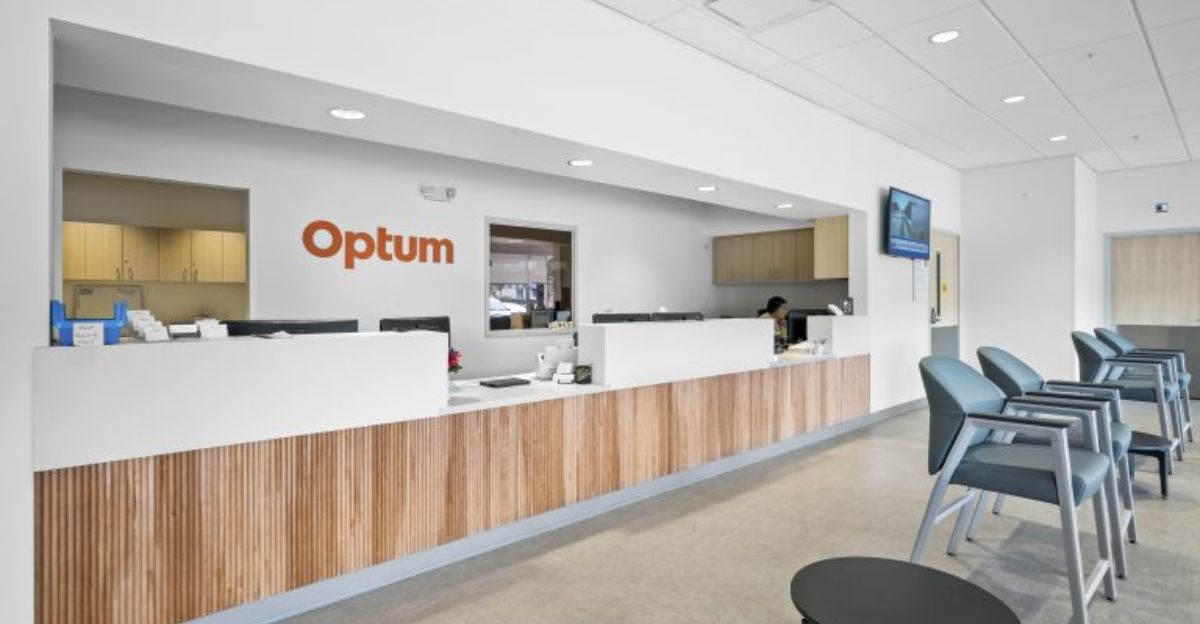
Over recent years, Optum aggressively acquired numerous New Jersey medical practices, including the locally operated Riverside Medical Group. CEO Patrick Conway admitted Optum Health “strayed from the initial intent” through rapid expansion.
The company now employs or affiliates with approximately 90,000 physicians nationwide, but faces margin pressure.
Overpayment Concerns Emerge

A Health Affairs analysis found Optum physicians are paid 17% more on average by UnitedHealthcare than outside providers. In markets where UnitedHealth controls over 25% market share, payments to Optum clinicians reach 61% higher.
This suggests the service mix in New Jersey wasn’t meeting profitability targets despite premium reimbursements.
Workforce Instability Widespread

Optum previously laid off 231 New Jersey employees earlier in 2025 and eliminated over 800 positions across New Jersey, California, and Ohio in 2024.
The company significantly scaled back its MedExpress urgent care business in January 2025. Industry-wide, 2025 has seen the highest number of layoffs in five years.
Government and Community Response

State legislators have been contacted to discuss implications. Communities express frustration over short notice and uncertainty about care continuity. Former patients describe feeling abandoned after Optum acquired their longtime practices.
The closures raise fundamental questions about corporate ownership undermining patient care for profit.
Antitrust Scrutiny Intensifies

UnitedHealth faces Justice Department antitrust investigations regarding its market dominance.
The DOJ is questioning whether UnitedHealthcare favors Optum-owned practices, which could potentially harm competitors. Critics warn that Optum’s physician market dominance, coupled with insurance consolidation, threatens consumers and independent providers.
Patient Resources Available

Optum states it will provide “clear information and support to our patients to ensure uninterrupted care,” though many patients report receiving inadequate guidance on finding alternative providers.
What This Means for Healthcare

These closures exemplify the challenges facing vertically integrated healthcare conglomerates that prioritize growth over sustainability. Rising costs, regulatory pressures, and operational missteps are forcing major players to retreat from markets.
Patients face disrupted care, longer wait times, and reduced access as corporate healthcare entities prioritize profitability over community health needs.