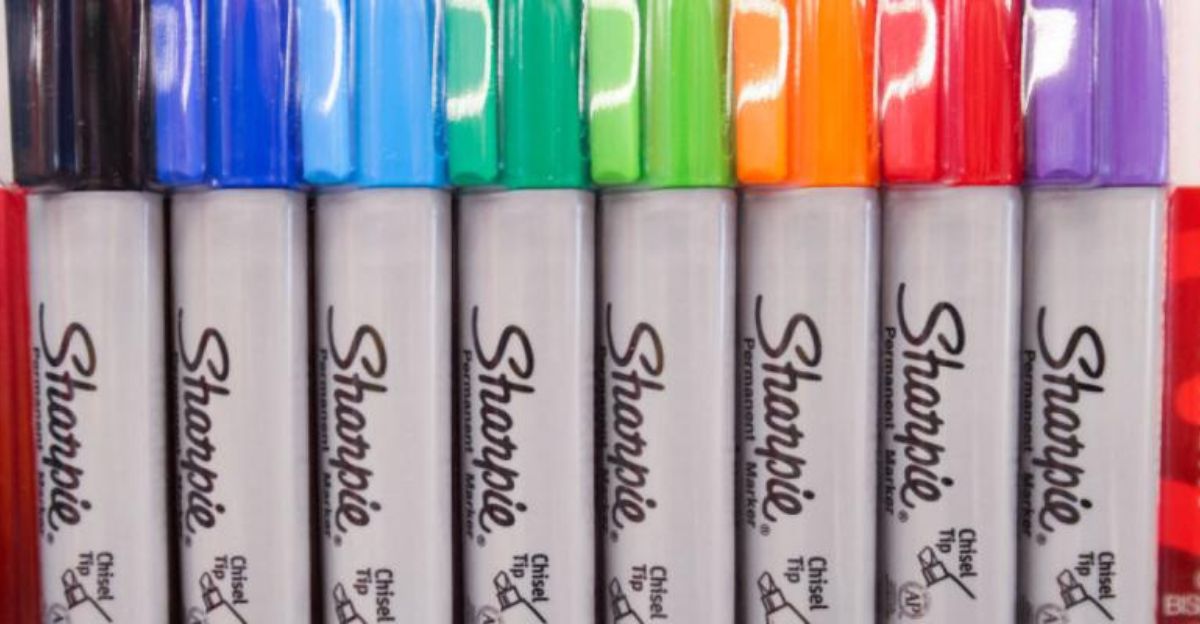
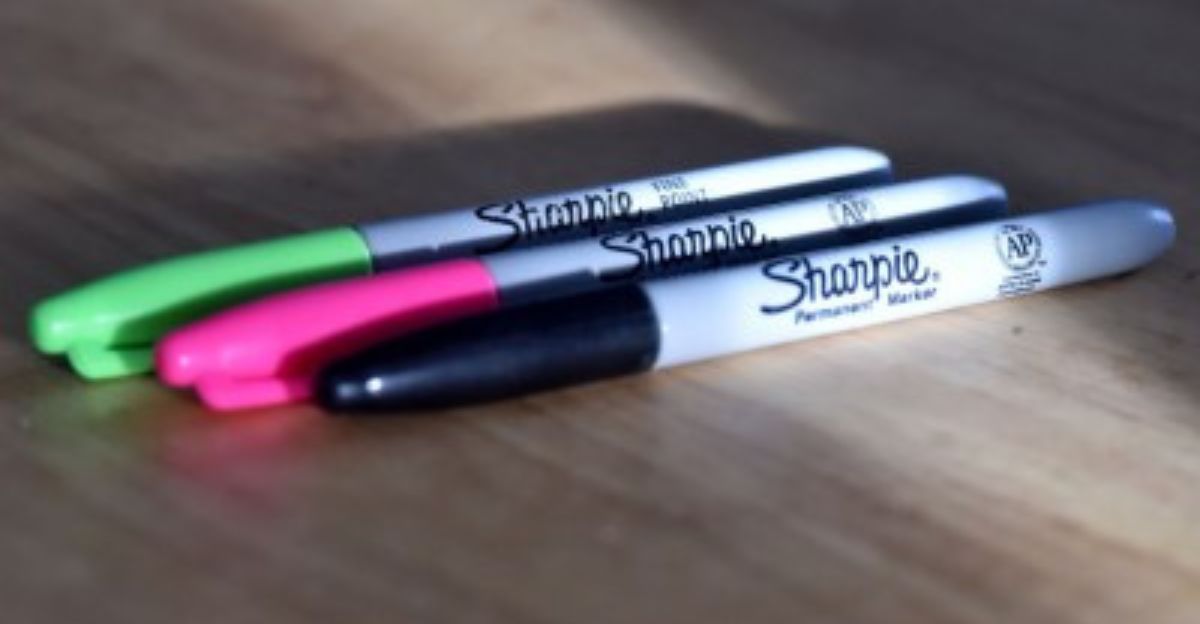
Sharpie pens have maintained their low price of around $1, even as other everyday products in the U.S. have become more expensive in recent years. This unusual stability is drawing attention, and the reasons behind it highlight important changes in manufacturing, both in America and globally.
The Sharpie story involves smart company decisions, major investments, and a renewed focus on local jobs and production.
Bringing Sharpie Production Home
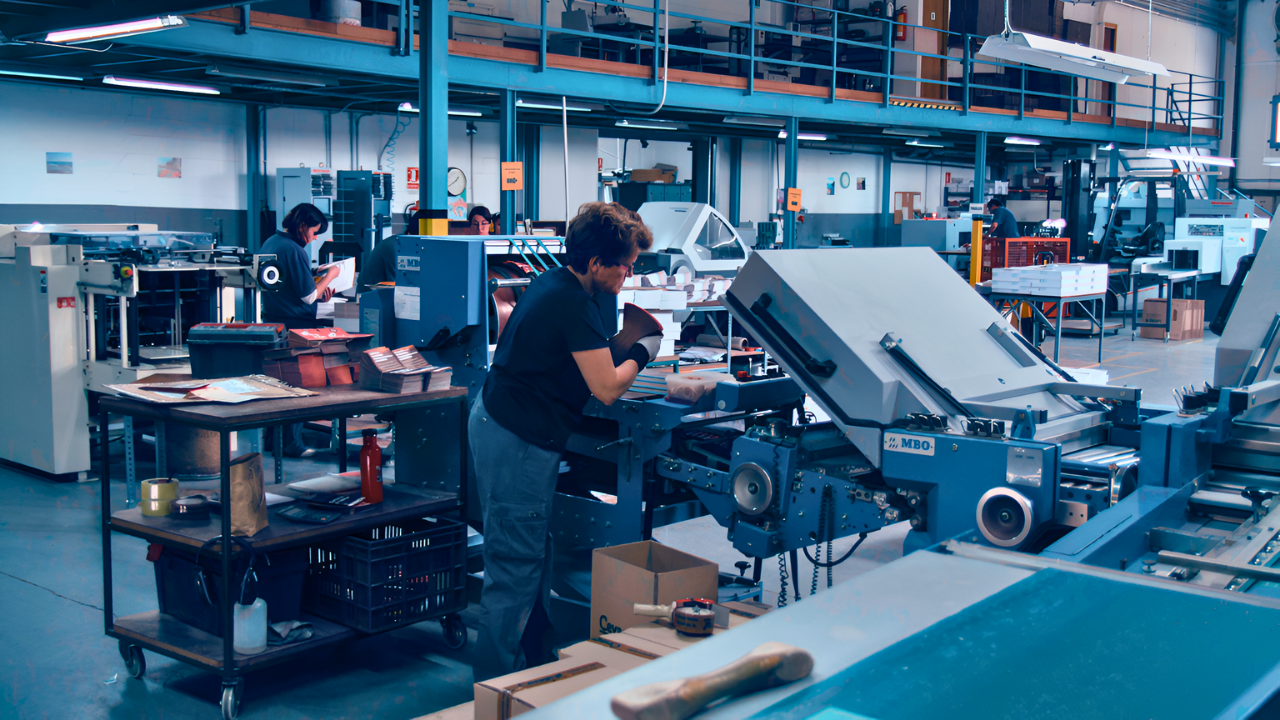
Sharpie’s parent company, Newell Brands, made a major decision to move Sharpie pen manufacturing from overseas factories back to the United States, specifically to Maryville, Tennessee. This move wasn’t just about building a new factory. Newell spent almost $2 billion on a modern facility filled with advanced robots and automated systems.
Rather than relying on cheaper overseas labor, Newell chose to invest heavily in American technology and workers. Chris Peterson, the top financial officer at Newell, explained that by making Sharpies in the U.S., they could innovate faster and better meet customer needs. The result is that today, over 500 million Sharpie pens are made each year in Tennessee, with only the soft felt tip still coming from Japan.
New Jobs and Better Opportunities
Opening the new Maryville factory had a powerful impact on the local community. The plant now employs about 550 people and runs day and night to keep up with demand. In just five years, wages there have risen by 50%, helping families and supporting other local businesses. While some workers worried that bringing in advanced machines might eliminate their jobs, the opposite happened.
Newell provided technical training for its employees, teaching them how to operate the latest equipment and even move into new roles. Longtime workers, like Lisa Carter, say they have learned skills they never expected to use. By investing in its people, the company has built a loyal staff, many of whom have worked there for decades. Other manufacturers now view this example as a new standard for how to update factories and support employees at the same time.
Part of a Larger Shift in Manufacturing
Sharpie’s return to American production is not an isolated decision; it’s part of a wider trend as companies rethink how and where they make things. After recent global events caused supply chain disruptions, more businesses are starting to make products closer to home, rather than relying on long-distance shipping.
Companies like National Pen are also increasing their manufacturing presence in states like Tennessee to gain better control over quality and delivery times. Globally, more brands are slowly moving away from manufacturing hubs like China as they seek balance between costs, reliability, and quality. Supply chain experts, like Dr. Emily Chen from the University of Michigan, point out that what Sharpie is doing represents a bigger shift in global trade and manufacturing patterns.
Modern Manufacturing and Sustainability
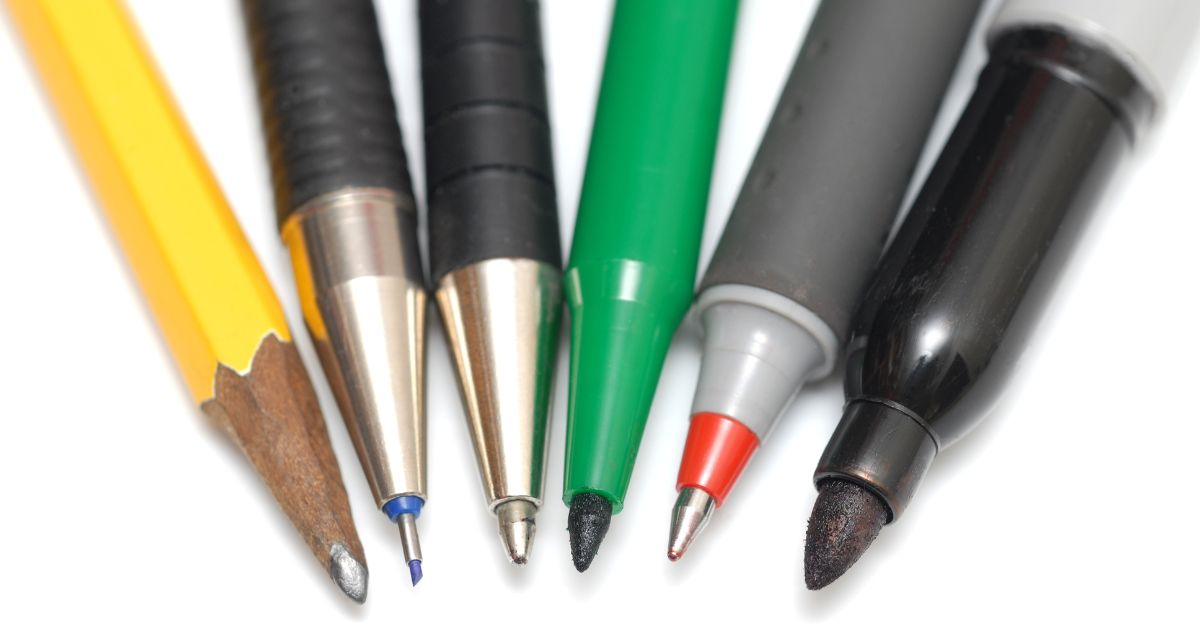
The Sharpie factory in Maryville is more than just a place that makes pens; it shows what modern manufacturing can look like. With robots and automation, the facility runs efficiently, which helps the company keep prices low and quality high. Because the pens are made locally, Sharpie also cuts down on long-distance shipping, reducing its impact on the environment.
This commitment to lower emissions supports bigger goals in sustainability, which are important to many customers. Newell is already planning to expand further and produce highlighters in Tennessee instead of China. If this goes well, even more products could soon be made in the U.S., bringing additional jobs and benefits to the community.