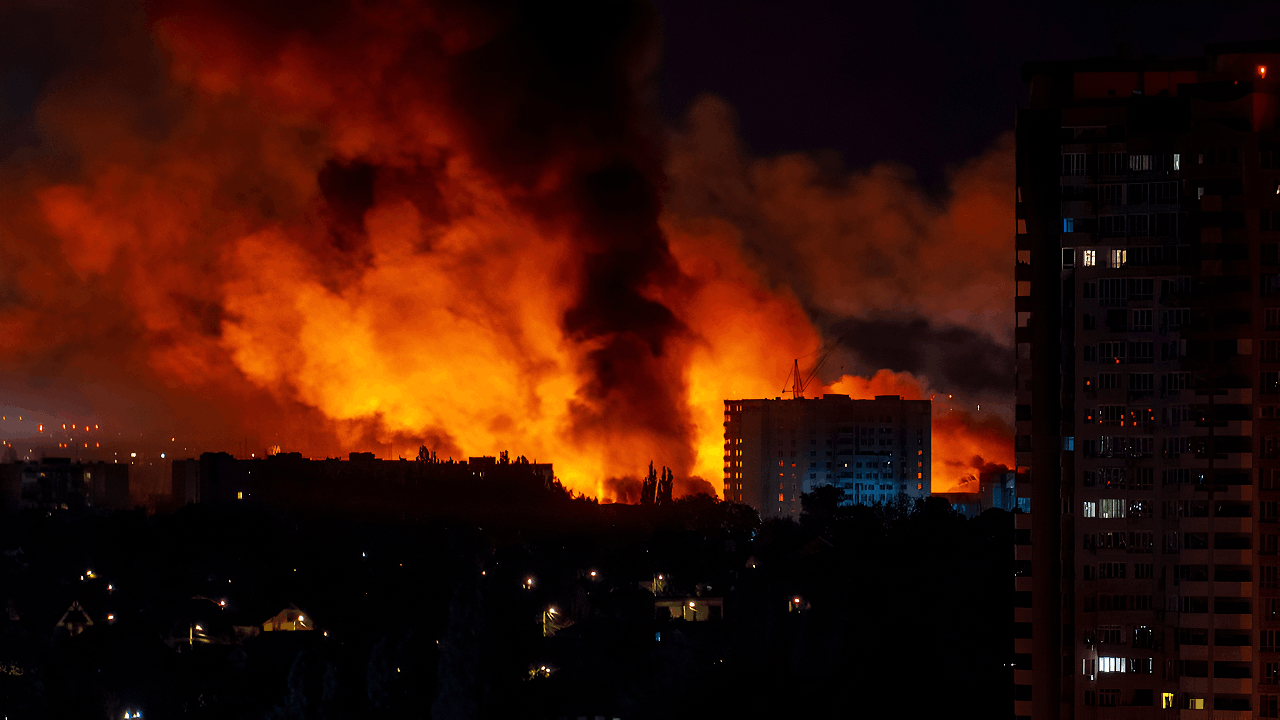
In the predawn hours of October 19–20, 2025, Ukraine’s power grid came under one of the most intense assaults since the start of Russia’s full-scale invasion. As temperatures dropped and winter loomed, Russia launched a coordinated barrage of three ballistic missiles and approximately 60 attack drones—primarily Iranian-made Shaheds—from Crimea and neighboring Russian regions. Ukrainian air defenses managed to intercept 38 drones, but the remaining missiles and drones struck critical infrastructure, plunging hundreds of thousands into darkness and underscoring the vulnerability of Ukraine’s energy system.
Escalating Attacks as Winter Nears
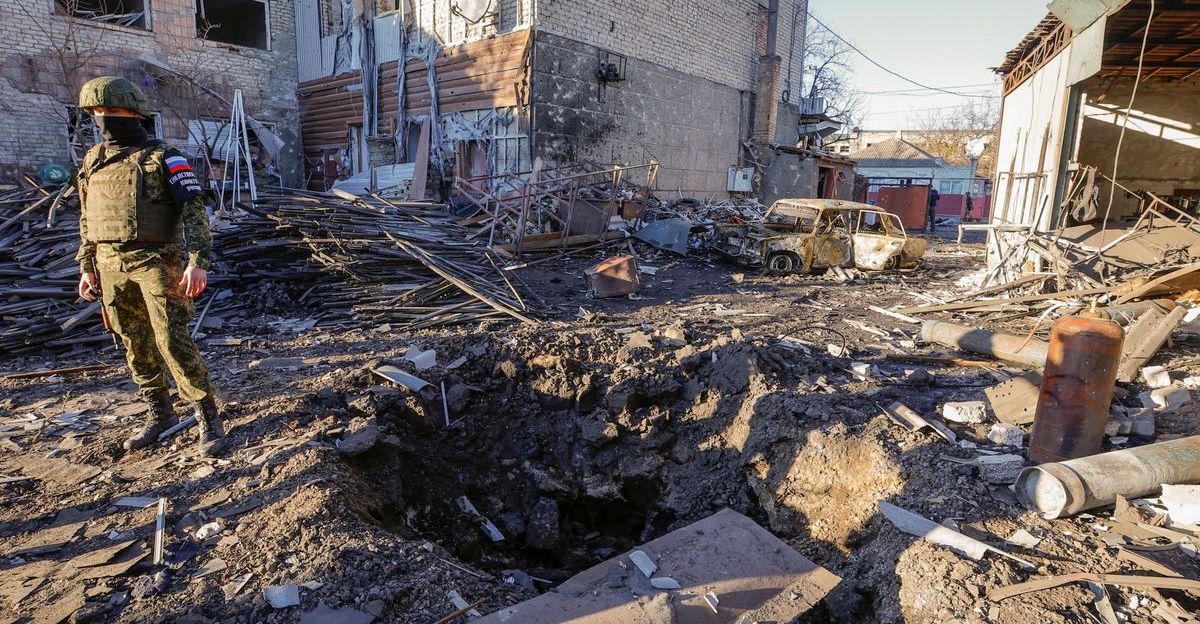
This latest strike capped a month of mounting attacks on Ukraine’s energy infrastructure. Officials have observed a clear escalation as colder weather approaches, with Russia intensifying efforts to disrupt heating and essential services. President Volodymyr Zelensky warned that even brief outages could have devastating effects: “They can’t demonstrate anything real on the battlefield… so they will attack our energy sector,” he said, highlighting the Kremlin’s strategy to pressure civilians by targeting their basic needs.
Drone warfare has become a defining feature of the conflict. Earlier in October, Russia targeted gas fields in Kharkiv and Poltava with 35 missiles and 60 drones, in what Ukraine’s state energy company Naftogaz called “the most massive” such strike to date. On another night, Ukraine faced a record 580 drones and 40 missiles. The October 20 attack fits this pattern of increasingly large and sophisticated assaults, with each new wave testing the limits of Ukraine’s defenses.
Impact on Communities and Infrastructure
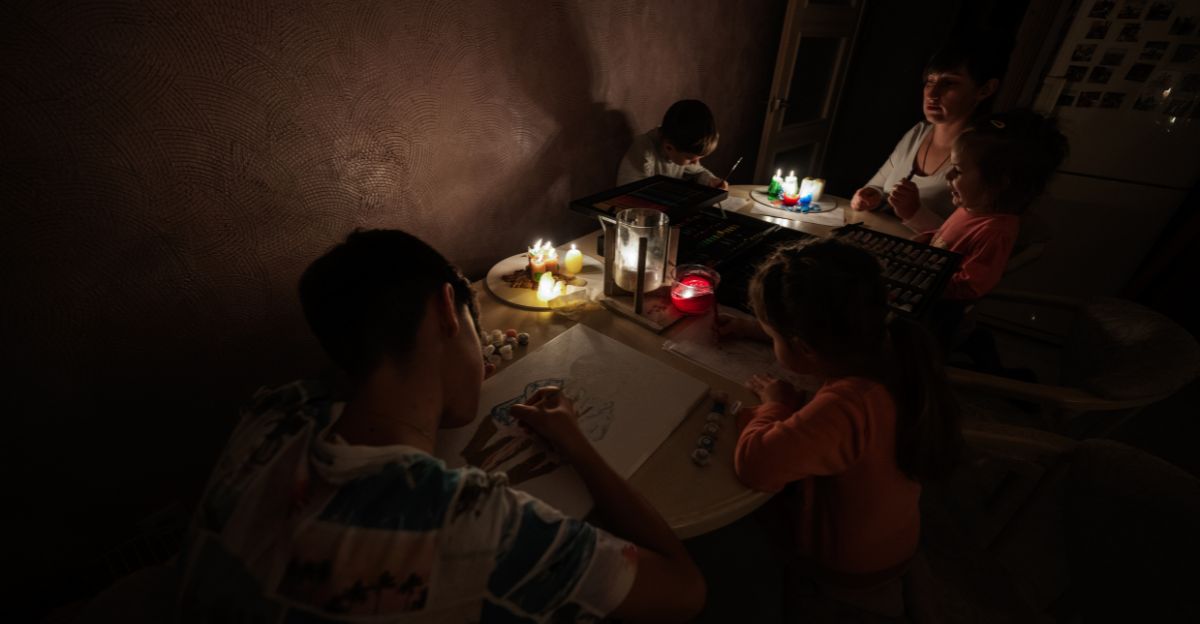
The brunt of the October 19–20 attack fell on northern regions, particularly Chernihiv Oblast, where nearly all power was lost. Emergency crews worked through the night to restore electricity, but the disruption rippled across transport and supply chains. Rail substations and port facilities were hit, forcing trains to run on reserve engines and halting some port operations. The blackout’s impact was immediate and deeply felt by residents.
Local voices captured the human toll. “By 3:30 we had no electricity, no gas, no water,” recalled a Kyiv pensioner, describing the scramble for basic supplies. In Chernihiv, a mother explained, “One child didn’t go to nursery… no power, another didn’t go to school… no lessons.” These accounts reflect the anxiety and hardship that accompany each new strike, as daily routines are upended and uncertainty grows.
Ukraine’s Response and International Support
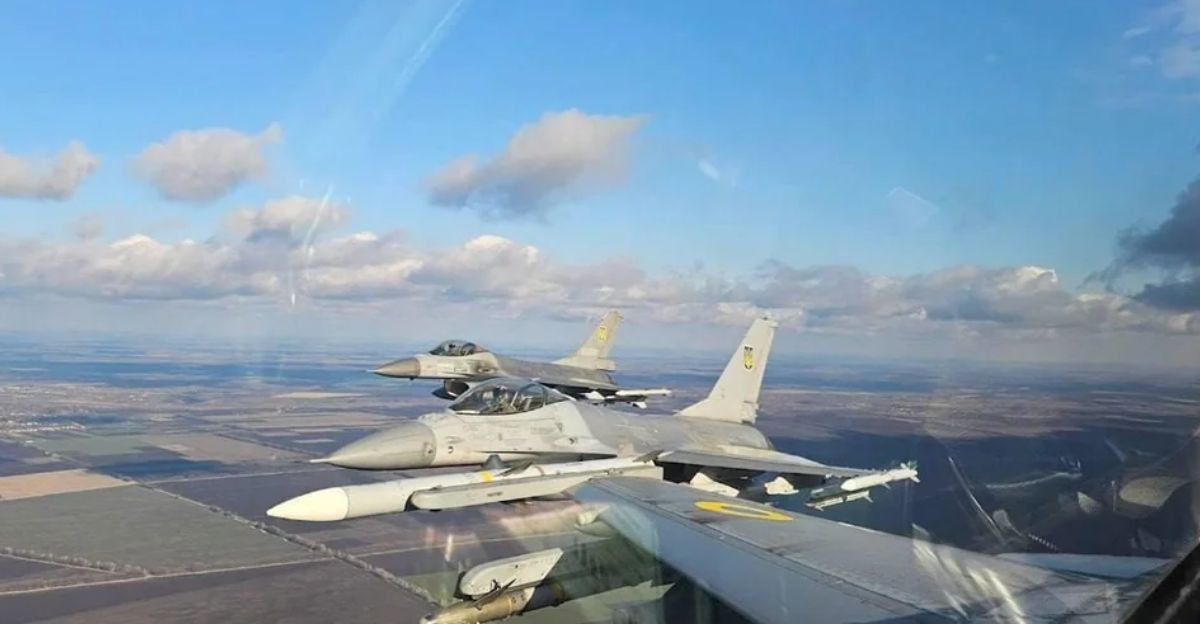
Despite the scale of the attack, Ukrainian forces responded swiftly. Fighter aircraft, ground-based missile batteries, and electronic warfare units combined to repel much of the assault, destroying or jamming 38 of the 60 incoming drones. Yet military commanders caution that Russia’s evolving tactics and sheer numbers may soon outpace current defenses. “No one in the world has enough missiles to shoot down all different types of drones,” President Zelensky acknowledged, calling for more advanced air defense systems from Western allies.
The government’s response has been multifaceted. Deputy Prime Minister Oleksii Kuleba noted, “Russia is deliberately striking our transport arteries… But even under fire, the system keeps working.” Energy officials, including Minister Hrynchuk, have met with G7 envoys to stress the urgent need for additional missile defense batteries. Meanwhile, repair crews have worked around the clock to restore power, with spare transformers and generators airlifted in and international aid arriving to speed recovery.
Expert Perspectives and Global Context
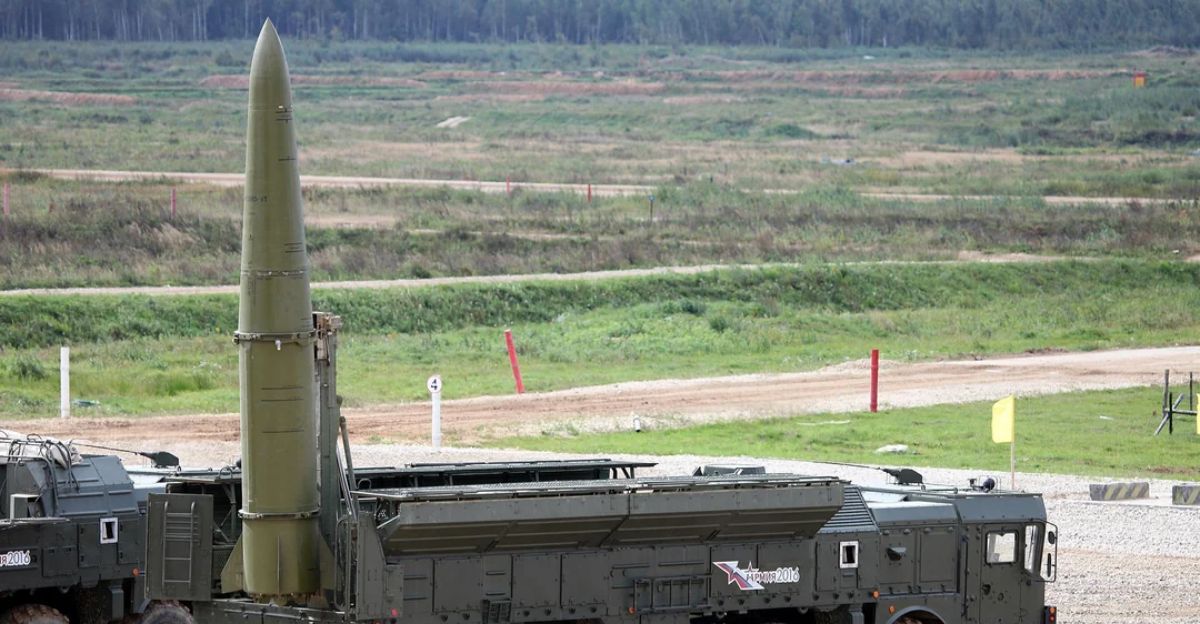
Military experts warn that Ukraine’s air defenses, currently about 74% effective, must adapt rapidly to counter Russia’s growing drone swarms. General Oleksandr Syrskyi emphasized the need for multi-layered systems, from close-range guns to emerging technologies like laser weapons. Globally, Ukraine’s experience is drawing comparisons to other conflict zones where critical infrastructure is targeted as a means of warfare. The international Energy Support Fund has mobilized roughly €1.3 billion for winter preparedness, financing repairs and backup power for hospitals and substations. “This aid shows what international solidarity can achieve,” said Artur Lorkowski, director of the Energy Community, reflecting a broader recognition of the stakes involved.
Looking Ahead: Resilience Amid Uncertainty
As Russia’s ground advances stall, its strategy of targeting heat and power aims to wear down Ukrainian resolve before winter sets in. The repeated strikes on civilian infrastructure have transformed the conflict, extending the front lines to every city and village. Yet, amid the destruction, Ukraine’s resilience endures. Much of the blackout has already been resolved, and communities are adapting to new threats. “The blow is strong, but it is definitely not fatal,” President Zelensky remarked after an earlier attack.
With new air defenses arriving and international support growing, Ukraine faces the coming winter with determination. The war continues, but so does the country’s resolve to keep the lights on and its people safe.