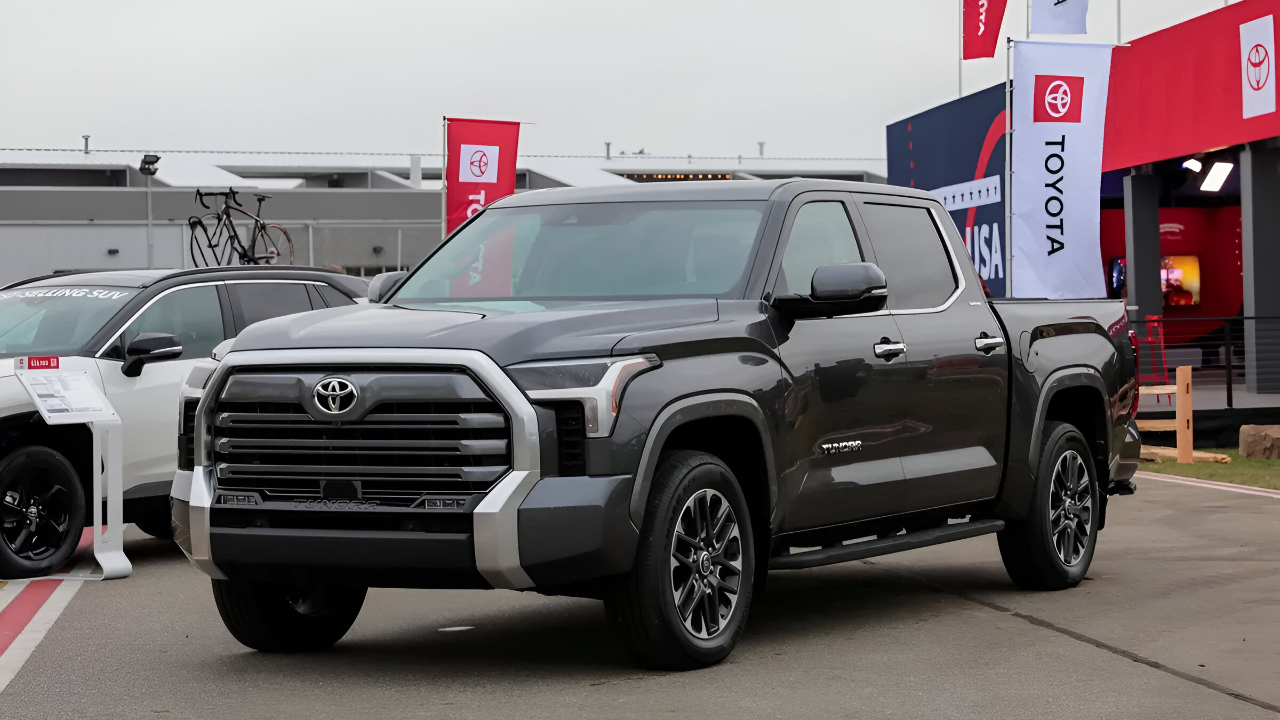
A sweeping recall by Toyota Motor Corporation is affecting the U.S. auto market, as more than one million vehicles—including popular Toyota, Lexus, and Subaru models—are being called back due to a critical flaw in their backup camera systems. The recall, one of the largest of 2025, underscores concerns about the reliability of automotive software as vehicles become increasingly dependent on electronic safety features.
Backup Cameras Go Dark
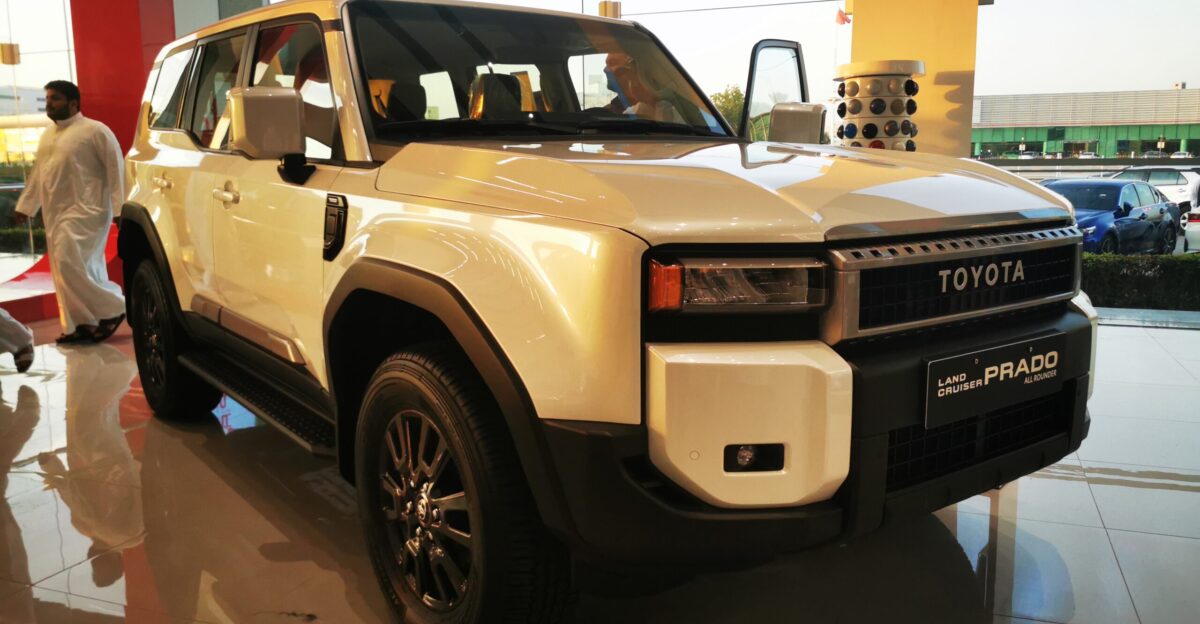
At the heart of the recall is a software malfunction that causes rearview cameras to freeze or display blank screens when drivers shift into reverse. The issue affects vehicles equipped with Panoramic View Monitor systems and certain parking assist computers supplied by Denso Corporation. The malfunction occurs randomly within the first 12.5 seconds after ignition, leaving drivers without the federally mandated rear visibility required for safe reversing.
This defect violates Federal Motor Vehicle Safety Standard Rule 111, which stipulates that backup cameras must display an image within two seconds of engaging reverse gear. Toyota’s voluntary recall acknowledges this breach, making repairs mandatory for all affected owners.
A Broad Range of Models Impacted
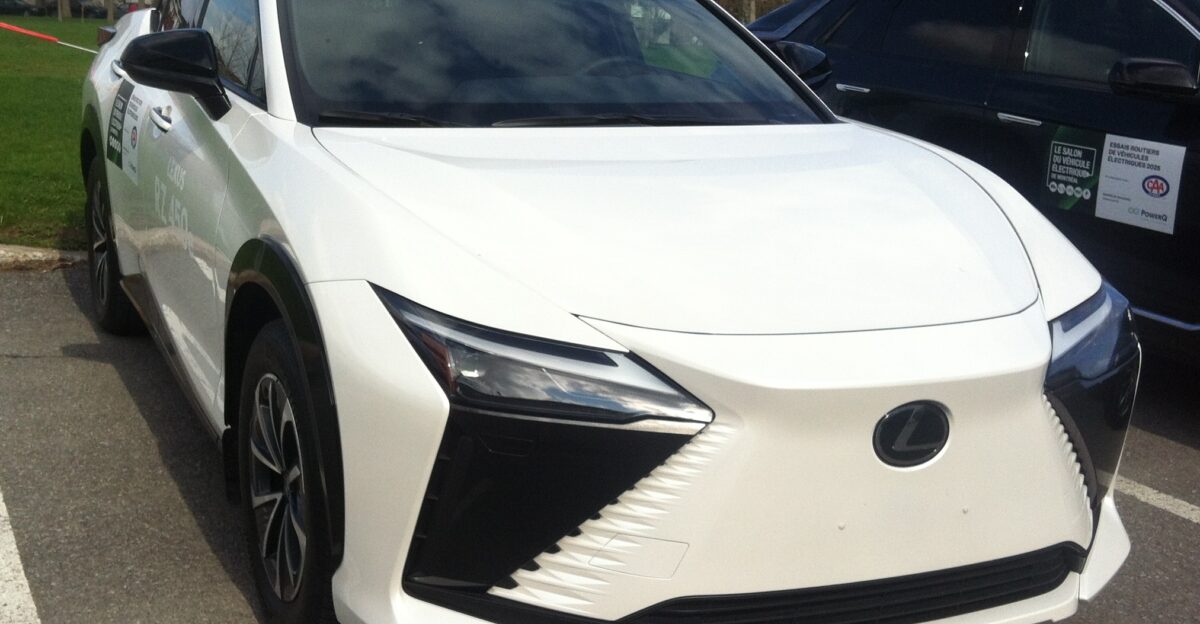
The recall covers a wide swath of Toyota’s lineup, including the 2023-2025 bZ4X, 2025-2026 Camry, 2023-2026 Crown, 2024-2026 Grand Highlander, 2023-2025 Highlander, 2024-2025 Land Cruiser, 2023-2025 Mirai, 2023-2025 Prius, 2023-2025 RAV4, and the 2025 Sienna Hybrid. Several hybrid and plug-in hybrid variants, such as the 2023-2024 Venza Hybrid, are also included.
Lexus, Toyota’s luxury division, is not spared. Affected models include the 2023-2025 ES, 2024-2025 GX, 2024-2025 LC, 2023-2025 LS, 2022-2025 LX, 2022-2025 NX, 2023-2026 RX, 2023-2025 RZ, and 2024-2026 TX, along with their hybrid and plug-in hybrid counterparts. Subaru’s 2023-2025 Solterra, which shares Toyota’s e-TNGA platform, faces identical camera issues, highlighting how shared technology can propagate defects across brands.
Local Impact and Owner Concerns
For many drivers, the recall represents a safety concern. Owners of affected vehicles have expressed worry about the sudden loss of rear visibility, particularly in crowded parking lots and residential areas where backup cameras provide critical awareness of pedestrians and obstacles.
Toyota has confirmed that 1,024,407 vehicles are affected nationwide. Dealers are prepared to perform the necessary software updates. Owner notification letters will begin reaching owners between December 16 and December 31, 2025, when repairs are expected to be available at dealerships.
Technical Roots and Industry-Wide Challenges
Toyota engineers first detected the problem during bench testing in April 2024, confirming its presence in vehicles by October 2025. The defect arises when the parking assist computer and panoramic view monitor attempt to write data simultaneously as the system powers down, causing the camera’s data lanes to fall out of sync due to abnormal signal noise. This disrupts the serial data from the four camera lanes, resulting in frozen or blank screens.
Denso Corporation’s software logic in the parking assist computer is at the core of the vulnerability. The fix involves a software update that prevents the synchronization failure and addresses minor delays in rearview image display. Repairs will be performed free of charge, as required by federal law for all safety recalls.
Expert Perspective and Global Comparisons

Backup camera defects have become a recurring issue across the automotive industry as vehicles rely more on complex software. Ford, for example, recalled approximately 1.5 million vehicles in October 2025 for rearview camera problems, part of multiple camera-related recalls this year. Stellantis recalled nearly 1.2 million vehicles in 2024 for similar camera software issues. This points to a broader challenge in ensuring software reliability as cars become more technologically advanced.
Globally, the United States has some of the strictest requirements for backup cameras, mandating their use in all vehicles under 10,000 pounds since May 2018. Other countries, such as Canada and members of the European Union, have adopted similar standards.
Looking Ahead: Safety, Software, and Vigilance
No injuries or accidents have been reported in connection with this specific camera malfunction, but the potential for serious backover incidents prompted Toyota’s proactive recall. The company’s swift response demonstrates a commitment to safety, yet the incident highlights the complexity of automotive electronics and the challenges manufacturers face in maintaining quality control.
As vehicles become more reliant on software-driven safety systems, both manufacturers and drivers must remain vigilant. Owners are urged to check their vehicle identification number (VIN) on the National Highway Traffic Safety Administration website and schedule repairs promptly once notified. As technology advances, manufacturers bear increasing responsibility to ensure these systems work flawlessly when it matters most.