In the early hours of November 4, 2025, a devastating plane crash at Louisville’s Muhammad Ali International Airport sent shockwaves through the U.S. economy. UPS Flight 2976, a fully loaded cargo jet, erupted in flames just after takeoff, triggering chain explosions that forced the world’s largest package-sorting center to halt operations.
UPS handles roughly 6% of U.S. GDP, meaning the stoppage left businesses, hospitals, and families nationwide in limbo. The human and economic toll was immediate and profound.
“Louisville Fire Chief Brian O’Neill described the scene as devastating,” reports officials. With operations frozen, the nation’s critical supply chains were suddenly paralyzed. Here’s what’s happening as UPS works to recover from the disaster.
Disaster Strikes at Worldport
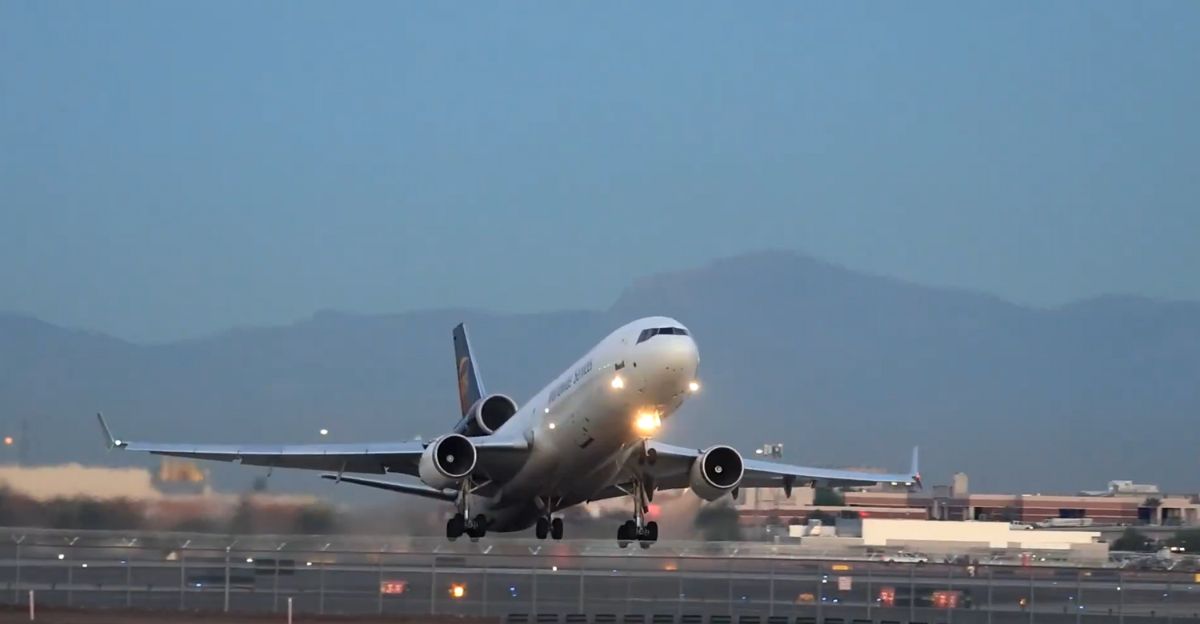
The McDonnell Douglas MD-11, carrying 38,000 gallons of fuel and bound for Honolulu, crashed shortly after takeoff. Its left engine separated during the takeoff sequence, causing the aircraft to hit an industrial area near the airport. Firefighters battled raging flames for hours, while Kentucky Governor Andy Beshear declared a state of emergency and closed the airport’s main runway indefinitely.
At least 12 people were confirmed dead, including all three crew members and at least one child on the ground. Multiple others were hospitalized, and reunification centers were set up for families awaiting news. The tragedy left both Louisville and the nation reeling, highlighting the fragility of a system that relies heavily on a single hub for millions of daily shipments.
Economic Shockwaves Across the Nation
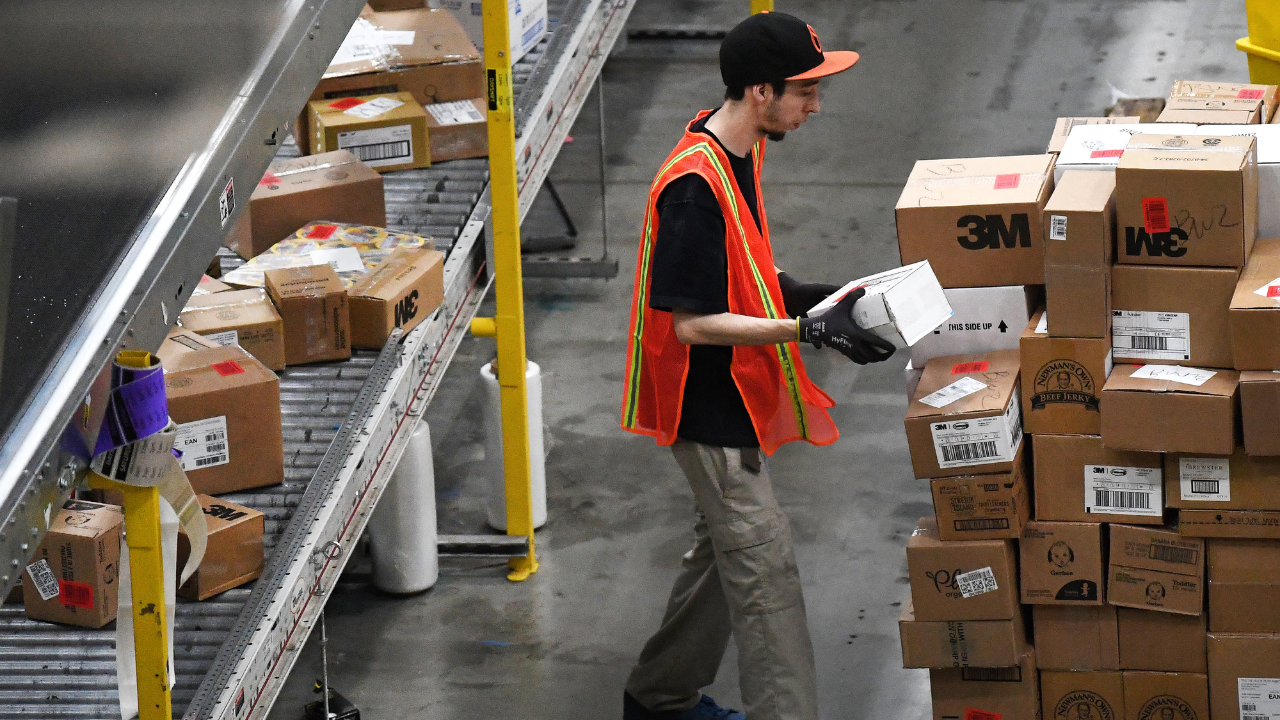
UPS’s Worldport, a 5.2-million-square-foot facility, processes roughly 2 million packages daily. The crash forced an immediate suspension of all operations, freezing billions of dollars in goods, including medical supplies, pharmaceuticals, and e-commerce orders. Small businesses and retailers, especially during the critical holiday season, faced unprecedented disruptions.
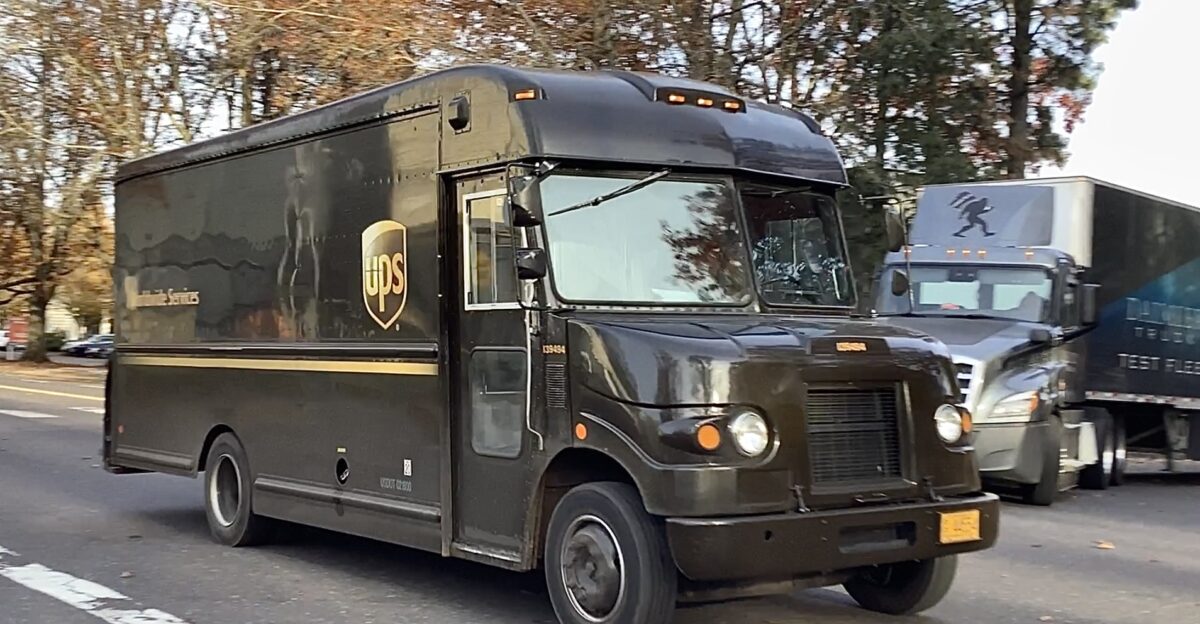
The U.S. Postal Service, which began relying on UPS in March 2024 as its primary air cargo provider, reported delays in Priority Mail and First-Class packages. Major retailers like Amazon, Walmart, and Target warned of shipment slowdowns, while pharmaceutical companies alerted hospitals to potential supply shortages. The network-wide delays could last days or even weeks, testing the limits of backup systems and regional hubs.
A Local Tragedy, a Global Bottleneck
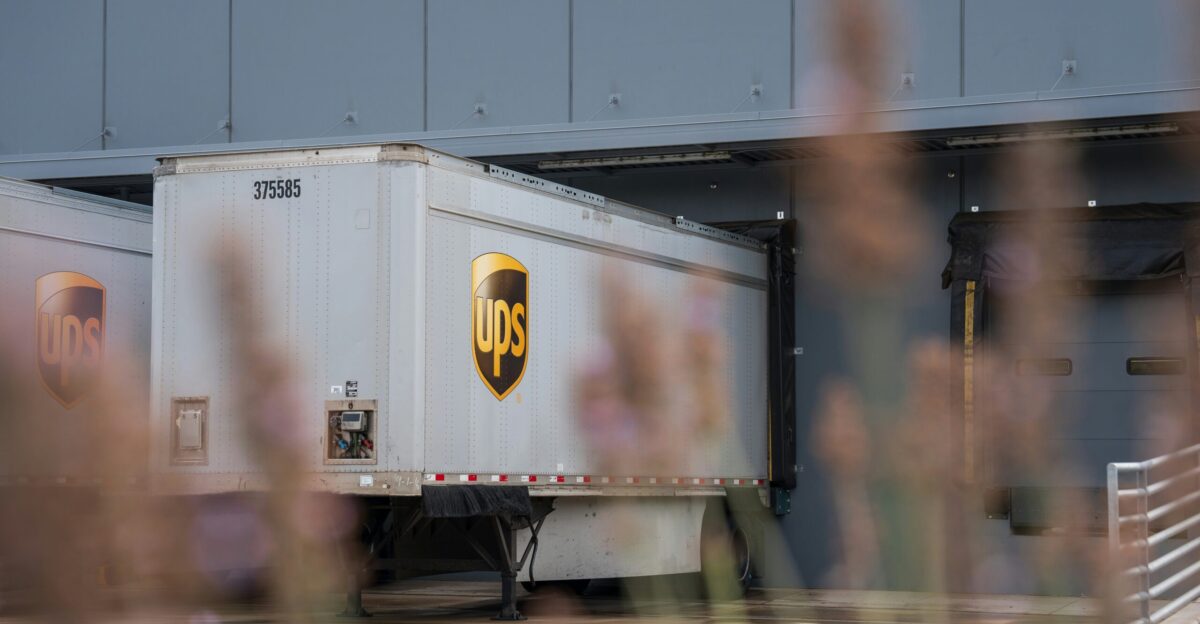
Louisville’s strategic location allows UPS aircraft to reach 95% of the U.S. population within four hours. The crash exposed how a single failure at a key hub can ripple through the global supply chain. In 2024, Muhammad Ali International Airport ranked as the fifth-busiest cargo airport worldwide. Every delayed package represented a disrupted link in a tightly woven logistics network.
Investigators focused on the separated left engine. The National Transportation Safety Board (NTSB) recovered flight data recorders and examined the engine. Board Member Todd Inman emphasized the broader implications for American product flows. Preliminary findings were expected within days, while a comprehensive report could take over a year and influence future cargo aviation safety standards.
Struggling Toward Recovery

UPS scrambled to restore partial operations, with spokesperson Jim Mayer stating the company aimed to return to normal as quickly as possible. However, damaged runway infrastructure and facility assessments slowed recovery. Sorting efficiency dropped sharply, and package backlogs mounted, affecting shipments nationwide.
The crash hit UPS amid a vulnerable period. The company had recently eliminated 48,000 positions and closed 93 facilities as part of a cost-cutting initiative. Third-quarter 2025 earnings reflected ongoing operational challenges, with $1.63 per share adjusted earnings on $22.2 billion in revenue. By November 6, partial operations resumed, but disruptions continued, reminding the nation of its supply chain’s vulnerability.
Supply Chains on the Edge
The UPS Worldport shutdown illustrates the interconnectedness of modern logistics. Even a single disaster at a strategic hub can disrupt global commerce, halt essential deliveries, and affect millions of Americans. For businesses, hospitals, and families, every delayed package has tangible consequences.
As Louisville rebuilds and operations normalize, the incident serves as a stark reminder: America’s supply chain, engineered for speed and efficiency, remains fragile. The coming weeks will test UPS’s resilience and the ability of the broader logistics ecosystem to adapt to sudden, high-stakes disruptions.