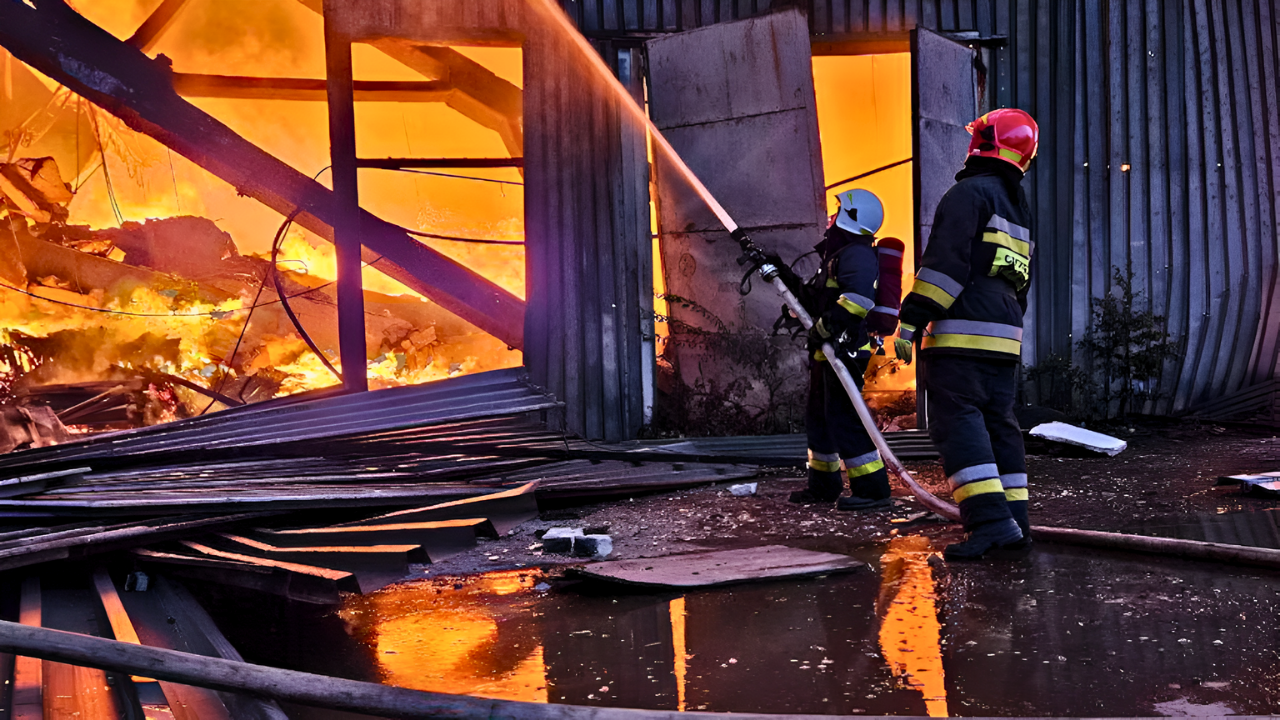
Targeting Russia’s Tuapse Black Sea port and the nearby Rosneft-controlled refinery, Ukraine carried out one of the most strategically important drone strikes in the history of modern warfare on November 2, 2025. The port infrastructure and refinery operations that process about 240,000 barrels of crude oil per day were both severely damaged by this attack at the same time.
This incident, a ‘dual knockout,’ marks a strategic inflection point: it is the first time drone warfare has simultaneously disabled both oil export and processing facilities at a major hub, directly threatening the energy security of China, Malaysia, Singapore, and Turkey.
Historical Background of Conflict-Related Energy Infrastructure Targeting
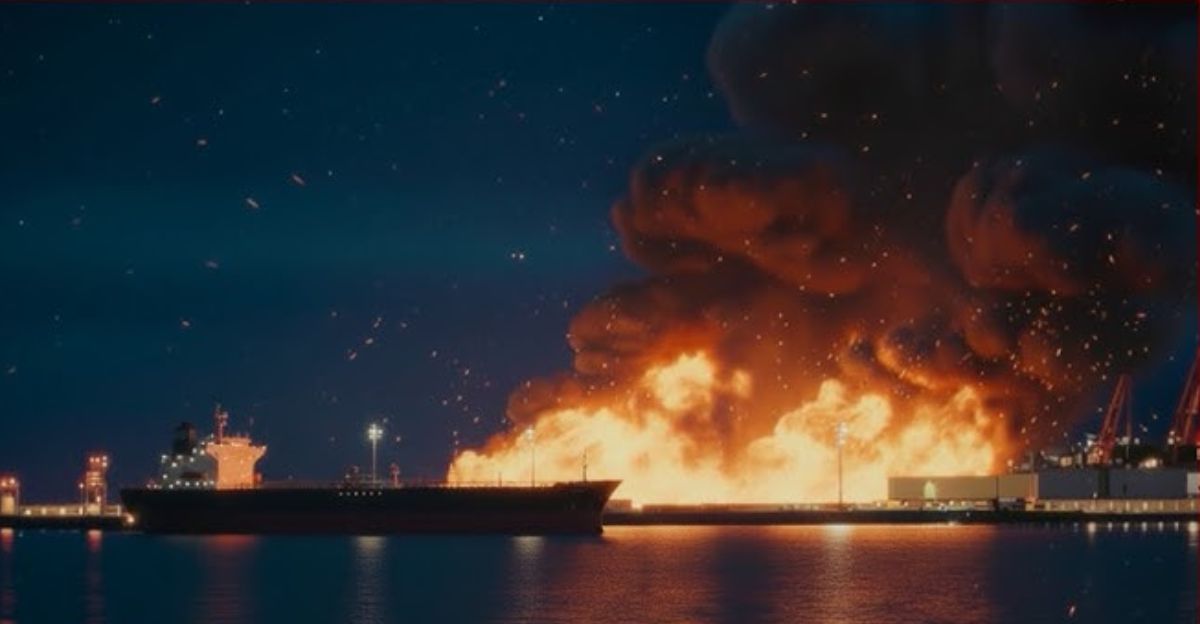
Attacks on energy infrastructure have always been a critical tool in conflict, but the Ukrainian assaults signal a transformational leap: for the first time, drone swarms enable precision, large-scale disruption without direct confrontation, redefining the nature of strategic targeting.
In part as payback for attacks on Ukrainian power grids, Ukraine has been concentrating its efforts on Russian energy assets for months prior to the Tuapse attack. These techniques are similar to conflict precedents, but they are more sophisticated and have a greater impact thanks to modern technology. This change illustrates how economic warfare now interacts with psychological and strategic domains, challenging the conventional security framework that relies on static defenses.
The Tuapse Strike’s Mechanism and Its Direct Effects
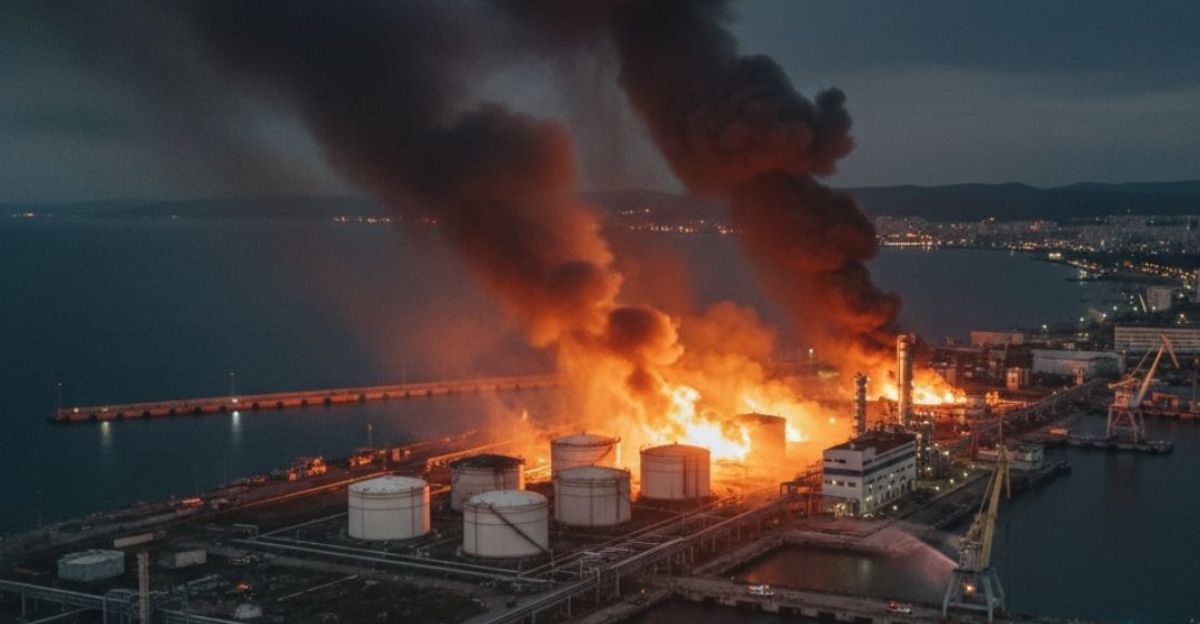
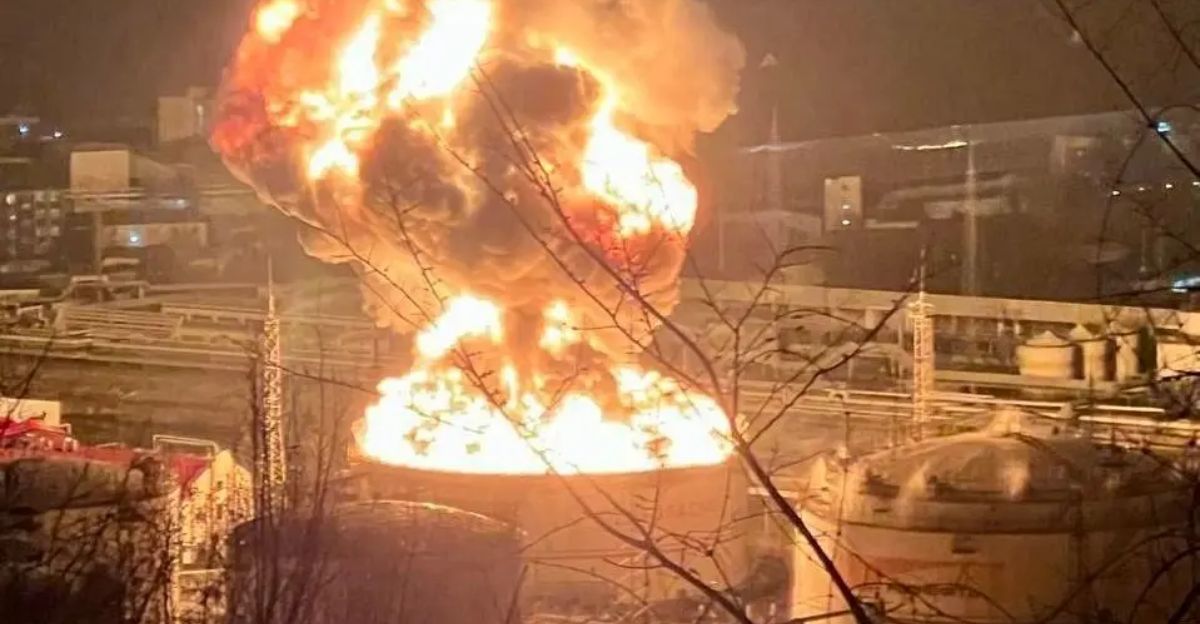
Ukraine broke into one of Russia’s most secure energy export hubs by using combat drones. Fuel exports were suspended throughout the port as a result of the strike’s damage to important port buildings, infrastructure, and at least one ship. By November 3, refinery crude processing had completely stopped, resulting in a daily throughput of 240,000 barrels, which is equivalent to the oil production of a small country.
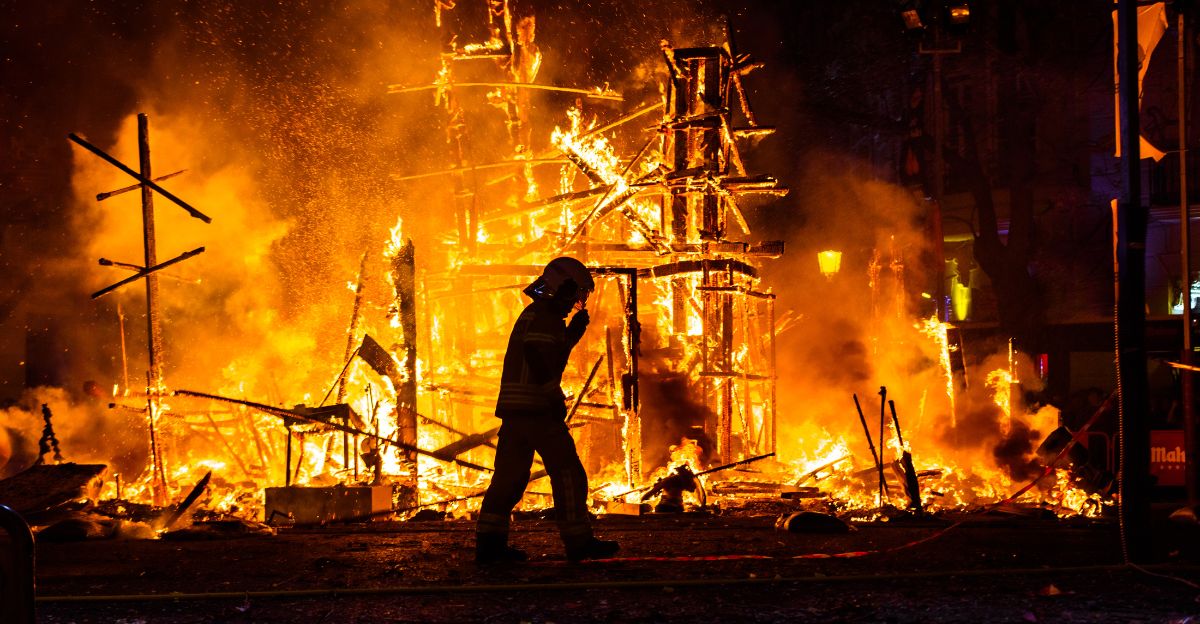
The physical destruction was highlighted by fire outbreaks at the port. In addition to highlighting Ukraine’s developing offensive capabilities, the attack’s timing and accuracy reveal weaknesses in Russia’s maritime and oil infrastructure defenses, and possible intelligence lapses increase Moscow’s operational risks.
Calculating the Economic and Energy Losses
Russia suffers a huge financial and geopolitical loss if Tuapse’s port and refinery are completely shut down. About 7.2 million barrels are stopped from processing each month at a rate of 240,000 barrels per day. Russia is losing up to $576 million in refining throughput value each month, assuming a conservative price of $80 per barrel.
At least four major economies, China, Malaysia, Singapore, and Turkey, are directly impacted by the stopped exports, which disrupt their fuel supply chains and increase their reliance on alternative markets. This measurement highlights how a single tactical attack spreads throughout the world’s energy markets, warping availability and pricing well beyond the immediate conflict zone.
Tuapse’s Strategic Importance in the Black Sea Export Network
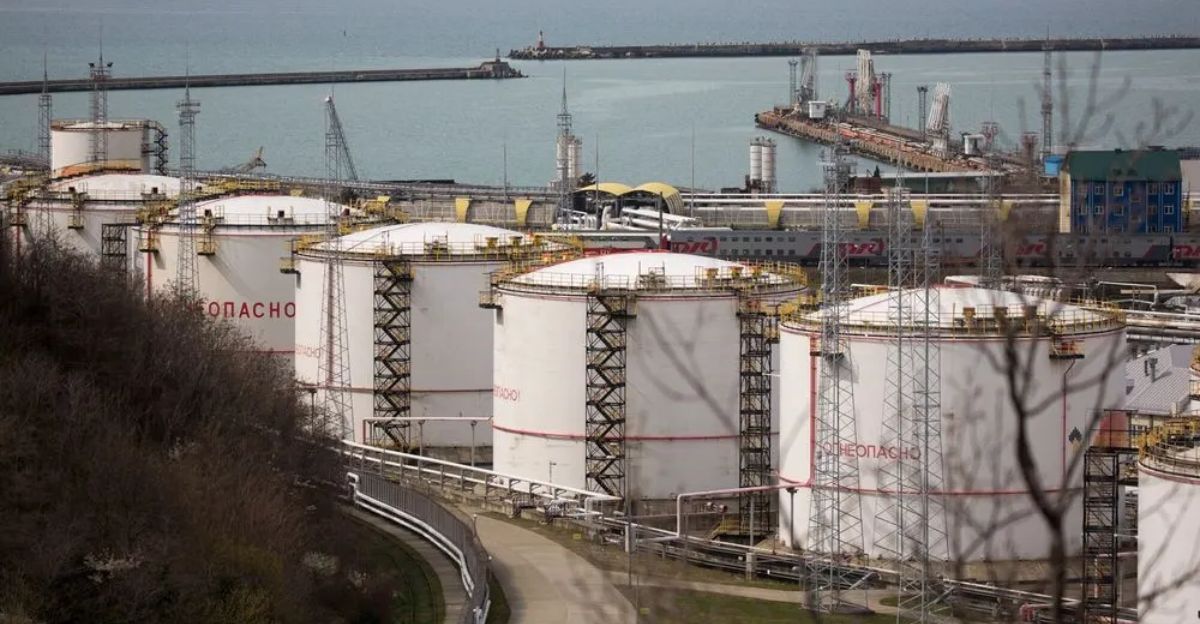
In Russia’s Black Sea fuel export strategy, Tuapse is strategically significant. It is one of Rosneft’s biggest oil ports and routes large amounts of fuel to important export destinations. According to analysts, 15–25% of Russia’s Black Sea fuel export capacity may be jeopardized by the strike. In addition to being crucial for raw material throughput, this port-refinery relationship gives the Kremlin geopolitical clout over downstream energy consumers.
This leverage is disrupted by the Tuapse blackout, which highlights the vulnerability of Russia’s export-driven energy economy. Due to this port’s incapacitation, Russia is forced to think about other logistics options, which are probably more expensive and risky.
Drone Warfare’s Development and Effect on Energy Security
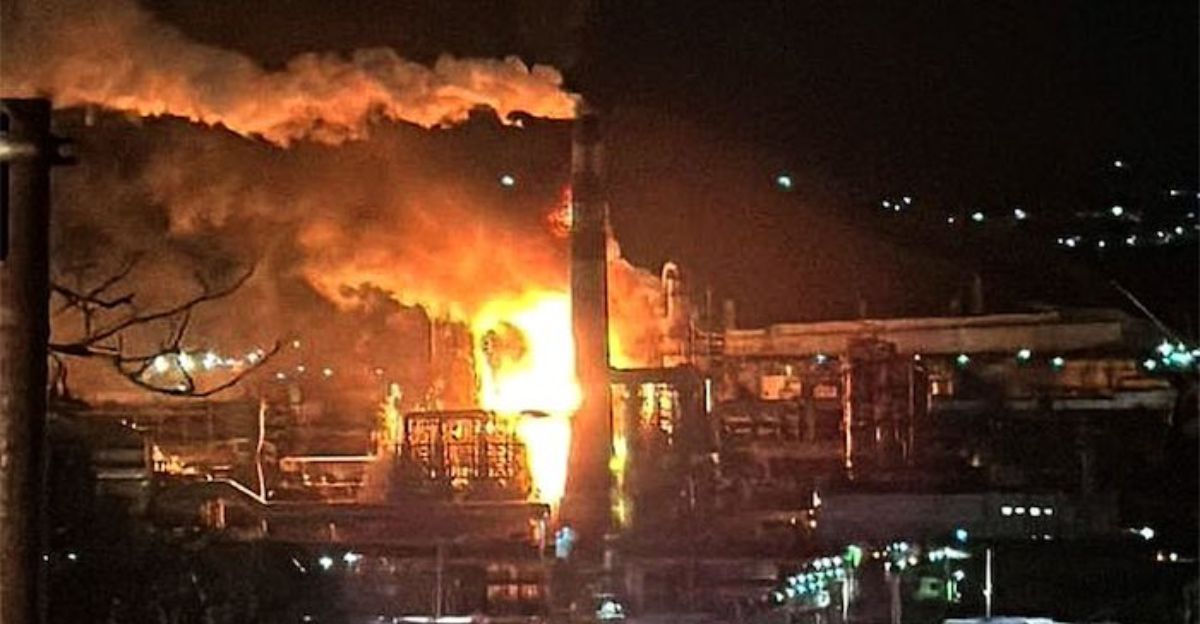
The Tuapse drone attack represents a paradigm change in the way that modern warfare targets vital infrastructure. Drones provide stealth, accuracy, and lower operating costs than conventional missile or artillery bombardments, leveling the playing field for a technologically advanced defender like Ukraine. Energy hubs can be effectively weaponized by this small unmanned aerial vehicle technology, which can evade strong defenses and deliver massive damage.
Beyond the immediate physical devastation, such strikes cause significant psychological strain and interfere with logistical networks, indicating a new, intrusive type of economic warfare that is more effective than blockades or sanctions. This development puts traditional methods of ensuring global energy security to the test.
Are Drone Attacks in Ukraine a Two-Sided Sword?
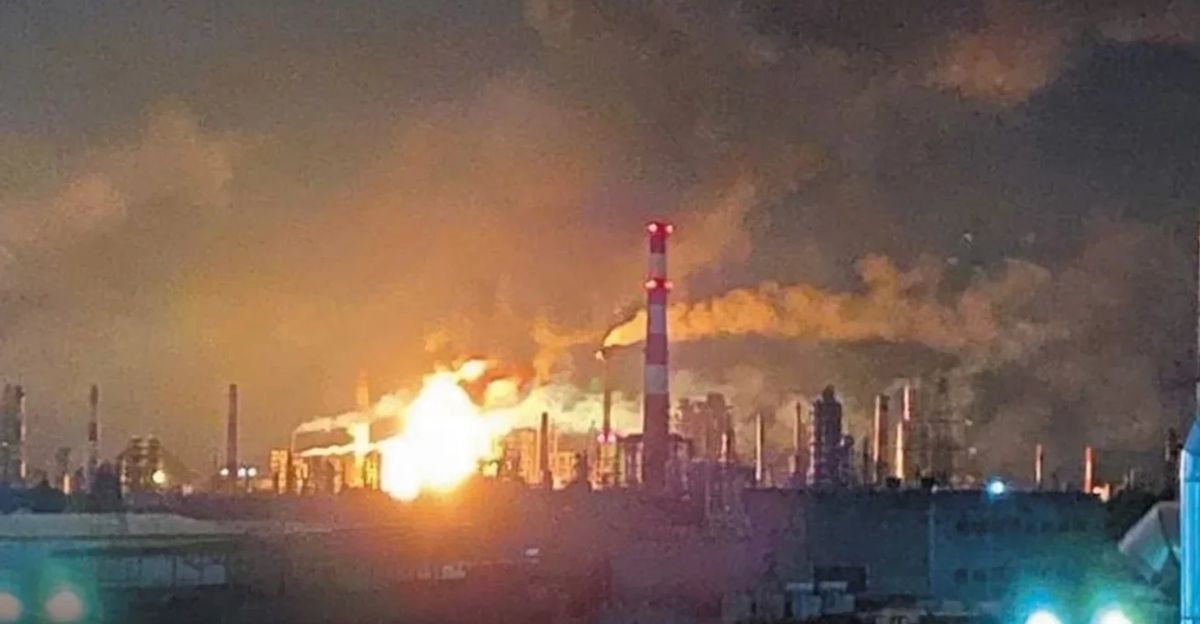
Russia’s energy economy is severely damaged by Ukraine’s dual knockout, but possible rebuttals warn of growing collateral damage. Disrupting oil exports puts the world energy market at risk, as fuel shortages or price increases could hurt both neutral states and Ukraine’s economic partners. Furthermore, if the infrastructure war intensifies, there is a chance that both sides will launch counterattacks that further impair civilian energy supplies, worsening humanitarian crises.
This suggests that although drone strikes are effective militarily, they complicate broader geopolitical stability and diplomacy, raising moral and strategic questions about the sustainability of long-term conflicts. The delicate balance between tactical triumph and strategic consequences persists.
Targeting Energy Hubs: The Psychological Warfare Aspect
Attacks on energy infrastructure have significant psychological repercussions on both sides of the conflict in addition to material damages. The loss of the Tuapse port and refinery is seen by Russia as an obvious sign of weakness in what was thought to be an unbreakable supply chain. It undermines public trust in the Kremlin’s capacity to safeguard the stability and prosperity of the country. It boosts Ukraine’s confidence by showcasing its technological prowess and strategic determination.
This psychological interaction affects military morale, civilian sentiment, and the calculations of foreign supporters, which may hasten conflict dynamics where tactical and political choices are based on perceptions of strength and weakness. As a result, energy hubs become both physical and psychological battlegrounds.
The Black Sea Region’s Logistical and Market Ripple Effects
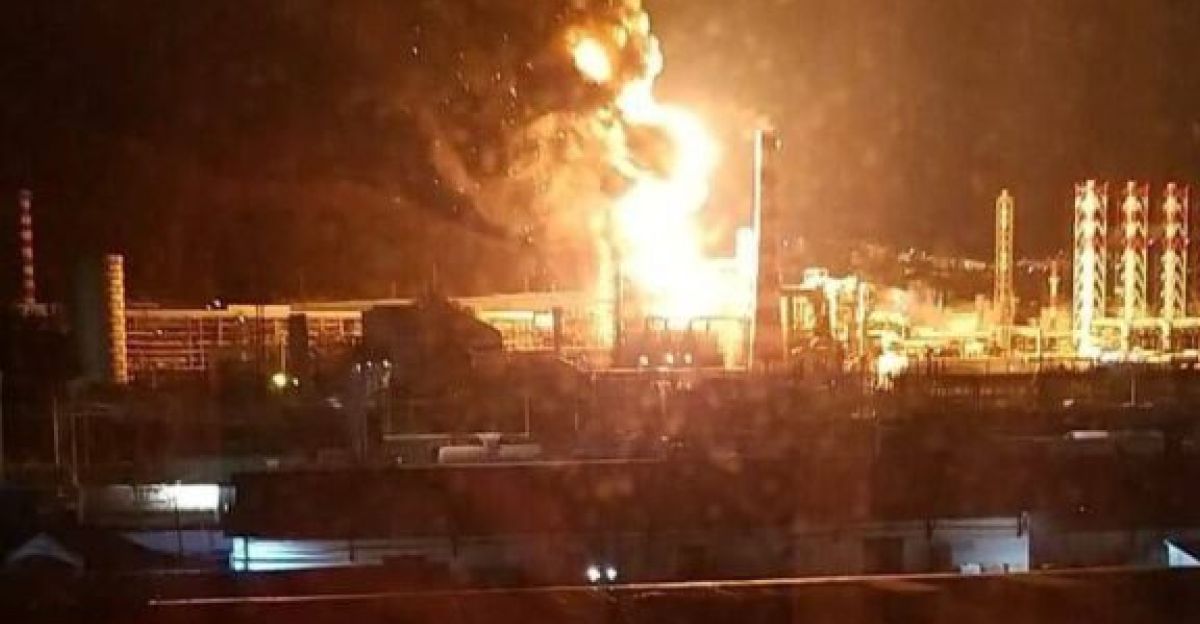
A series of logistical issues and market disruptions are brought on by the port and refinery closure at Tuapse. During the attack, three tankers carrying fuel oil, diesel, and naphtha were moved to anchor positions offshore, leaving them in a state of operational limbo. Transportation routes must be realigned as a result of this stagnation, which increases costs and reduces the fluidity of the supply chain.
Fuel shortages at major importers could result from a protracted outage, requiring strategic stockpiling or alternative sourcing. As fuel shortages cause economic instability in dependent nations, these chain reactions put pressure on regional economies and show how the tentacles of modern warfare extend far into civilian industries, making efforts at peacemaking and reconstruction more difficult.
Analyzing the Tuapse Complex Defense Failures of Russia
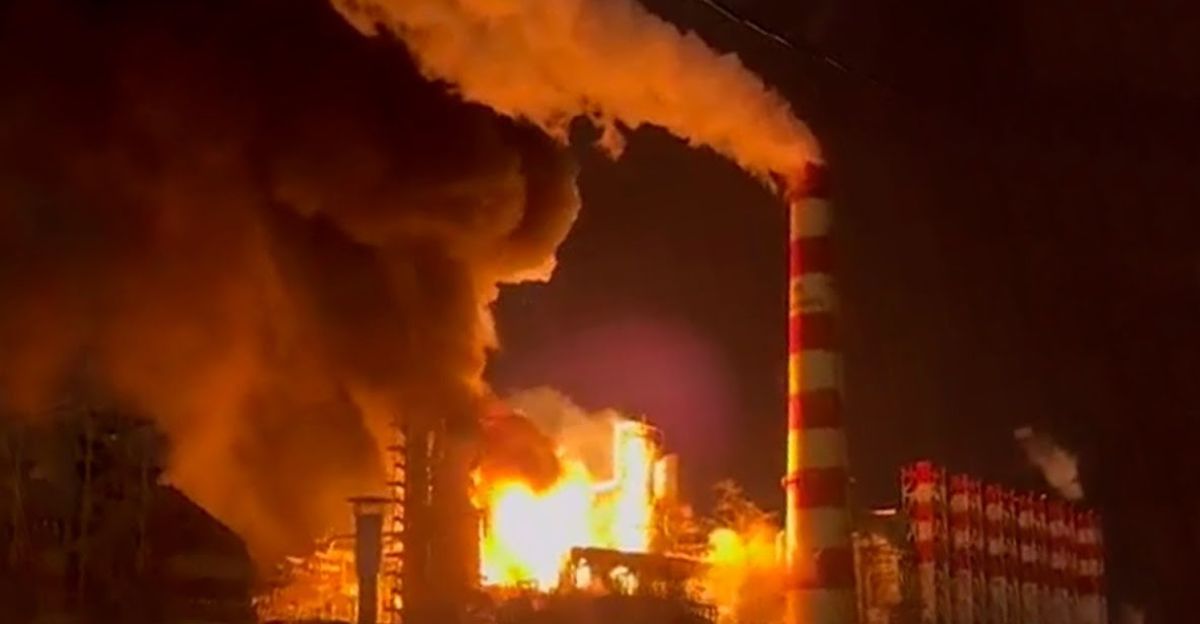
Critical weaknesses in Russian defense strategy for one of its strategic energy gateways are revealed by the success of Ukraine’s drone strike at Tuapse. Drones were able to infiltrate and inflict devastating damage despite significant militarization and electronic defenses usually protecting major ports.
This breach calls into question Russia’s multi-layered defense systems’ technical obsolescence, reactive capabilities, and intelligence readiness. Additionally, it raises the possibility of resource diversion or overconfidence in the context of larger military operations elsewhere. Analogies to previous drone attacks around the world highlight the growing need for flexible, multifaceted defense of critical infrastructure in the face of new aerial threats.
Tuapse versus Past Attacks on Energy Hubs
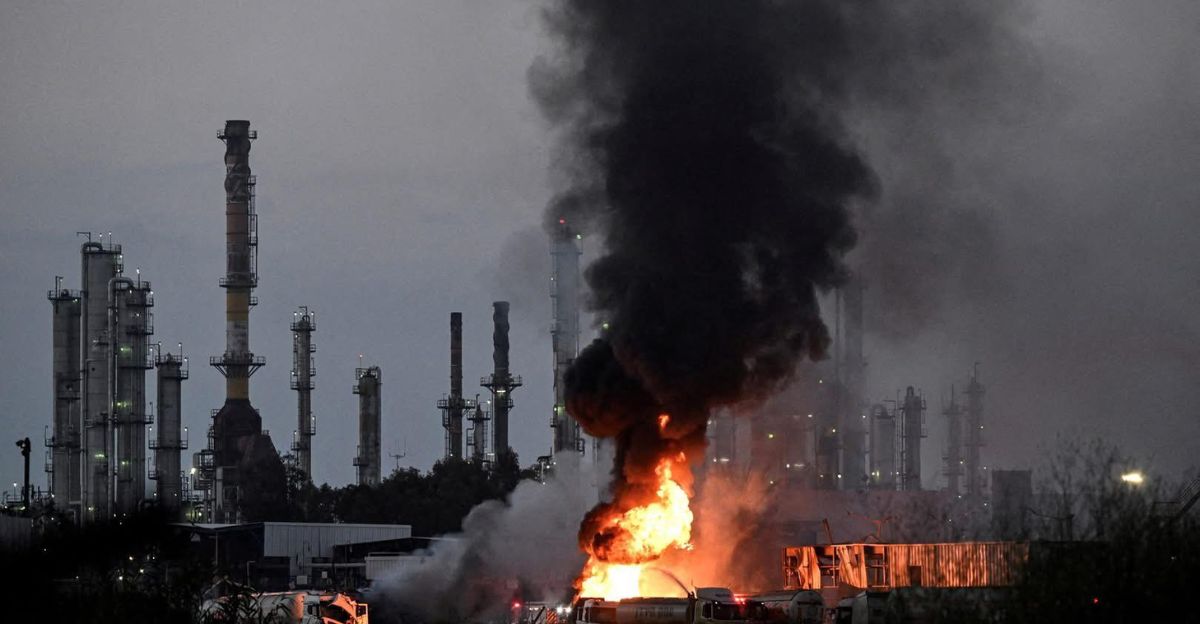
In the past, large-scale bombing campaigns with significant collateral were used to target oil infrastructure, such as the extensive refineries in the Persian Gulf or the energy sector in Iraq during the Gulf War. The accuracy and comparatively small footprint of drone attacks make Tuapse’s shutdown unique. These surgical strikes accomplish similar strategic disabling effects without causing massive destruction.
In addition to upsetting operations, this innovative strategy undermines consumer and investor confidence without requiring lengthy reconstruction times. The Tuapse case serves as a precedent, demonstrating a change in conflict economies where brute force is replaced by modern technology, guaranteeing minimal collateral for maximum strategic impact.
The View of the World Energy Market on the Knockout
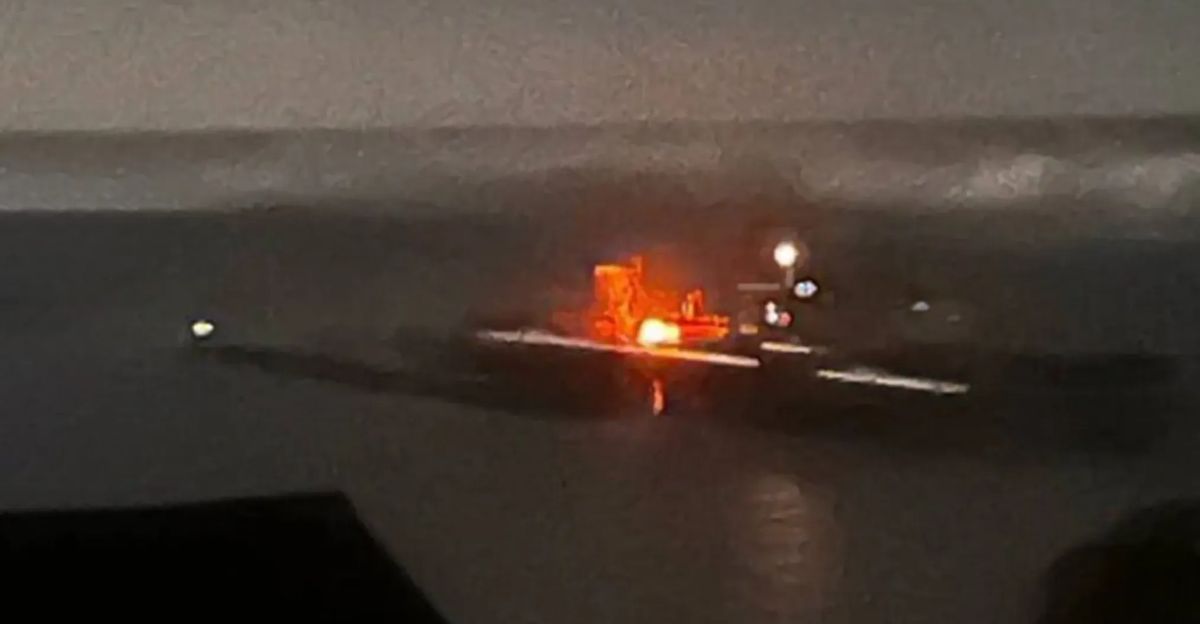
Tuapse’s closure coincides with volatility in the world energy market due to post-pandemic supply chain modifications and geopolitical tensions. Supply is disproportionately tightened by the abrupt removal of 240,000 barrels per day of refined fuel from export circulation, particularly for markets in Eastern and Southeast Asia that depend on Russian oil.
As local consumers rush to find alternatives, prices may experience pressure to rise. As countries look for security from suppliers who are vulnerable to conflict, efforts to diversify their energy sources are accelerating. The vulnerability of existing energy globalization frameworks and the high stakes associated with energy hub vulnerabilities in geopolitically unstable regions are highlighted by this strike.
Possible Second-Order Impacts on the War Economy of Russia
Russia’s energy flows used to finance its war are severely disrupted by the shutdown. Reduced fuel shipment revenue and higher logistical costs when exploring alternate routes result from losing a significant export and refining capacity.
It undermines the confidence of the oil market in Russian products and denies vital resources to Russian military operations. These pressures exacerbate already-imposed sanctions and market difficulties, potentially compelling the Kremlin to take money away from other fronts for military defense or repairs. Over time, cumulative blows like Tuapse weaken Russia’s economic foundation, which fuels the conflict, necessitating a reevaluation of strategic priorities and possibly escalating internal political unrest.
The Humanitarian and Ethical Aspects of Energy Hub Targeting
Attacks on energy infrastructure connected to civilians raise serious humanitarian concerns even though they are strategically potent. Fuel availability for civilian transportation, power, and heating in impacted areas is threatened by disruption, making already harsh winters and scarcities brought on by conflict even more difficult. Both Russians and Ukrainians run the risk of experiencing price increases and shortages of energy.
As energy hubs blur the boundaries between military and civilian targets, ethical discussions about proportionality and civilian protection become more intense. This highlights the need to strike a balance between strategic military necessity and humanitarian safeguards in contemporary conflict and presents difficult problems for international law, observers, and policymakers.
The Future of Energy Warfare and Ukraine’s Dual Knockout
With a dual energy hub knockout that went beyond conventional warfare paradigms, Ukraine’s drone strikes on Tuapse in November 2025 mark a turning point in contemporary conflict. Ukraine altered Black Sea fuel logistics and disrupted $576 million in monthly refining throughput by using precise, inexpensive drone tactics to disable both the port and the refinery.
This operation increased regional energy instability and psychological warfare while highlighting Russia’s defensive weaknesses. The attack foreshadows a new battleground where infrastructure and drones collide, compelling policymakers, military strategists, and international energy markets to address the growing weaponization of economic lifelines. In addition to being a tactical triumph, the event serves as a strategic lesson in the changing nature of warfare in the twenty-first century.