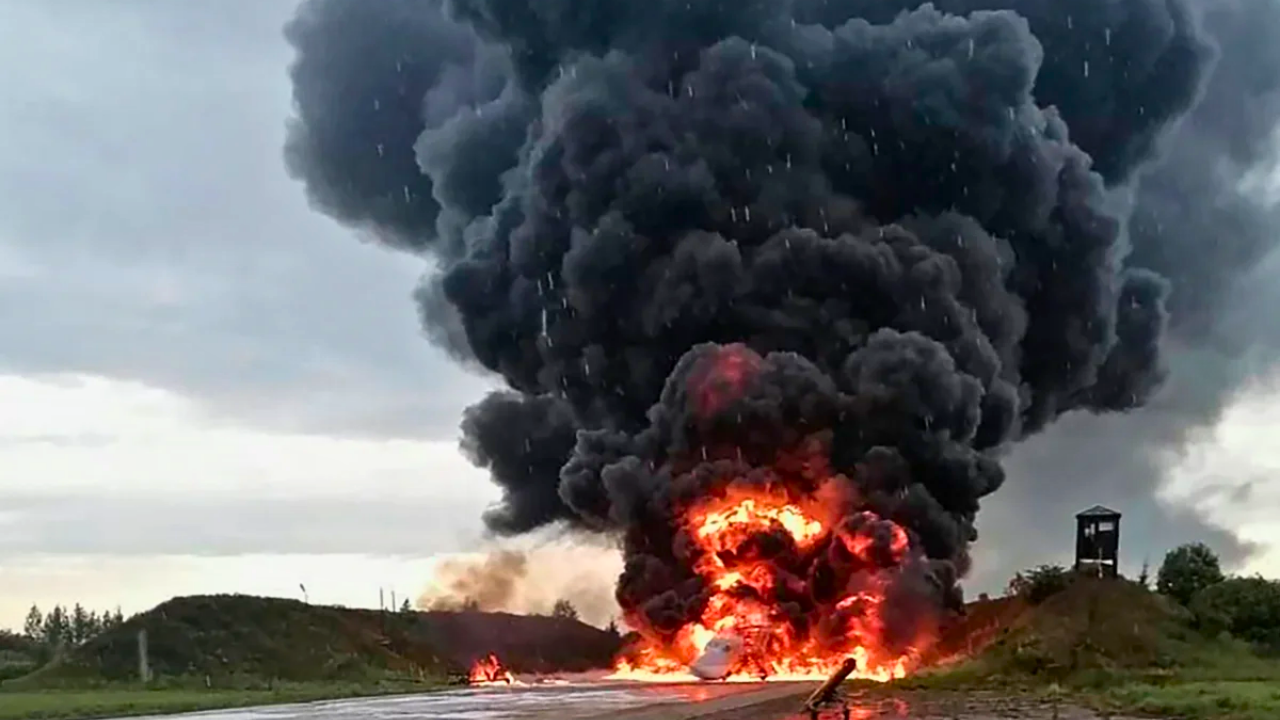
When Ukraine’s National Guard released combat footage on October 6, a moment of military innovation stopped the internet cold. A Ukrainian drone had quietly landed atop a moving Russian Buk-series air defense system, rode it for roughly 15 kilometers, and detonated itself with devastating precision.
The footage, captured by Lasar’s Group, a strike drone unit of the 27th Pechersk Brigade, showed soldiers discovering this strange passenger, some even poking at it with sticks, before the explosion erupted. What looked impossible had happened: a small quadcopter had synchronized itself to a vehicle’s movement, using the enemy’s own platform as a weapon delivery system.
Parasite Warfare Emerges
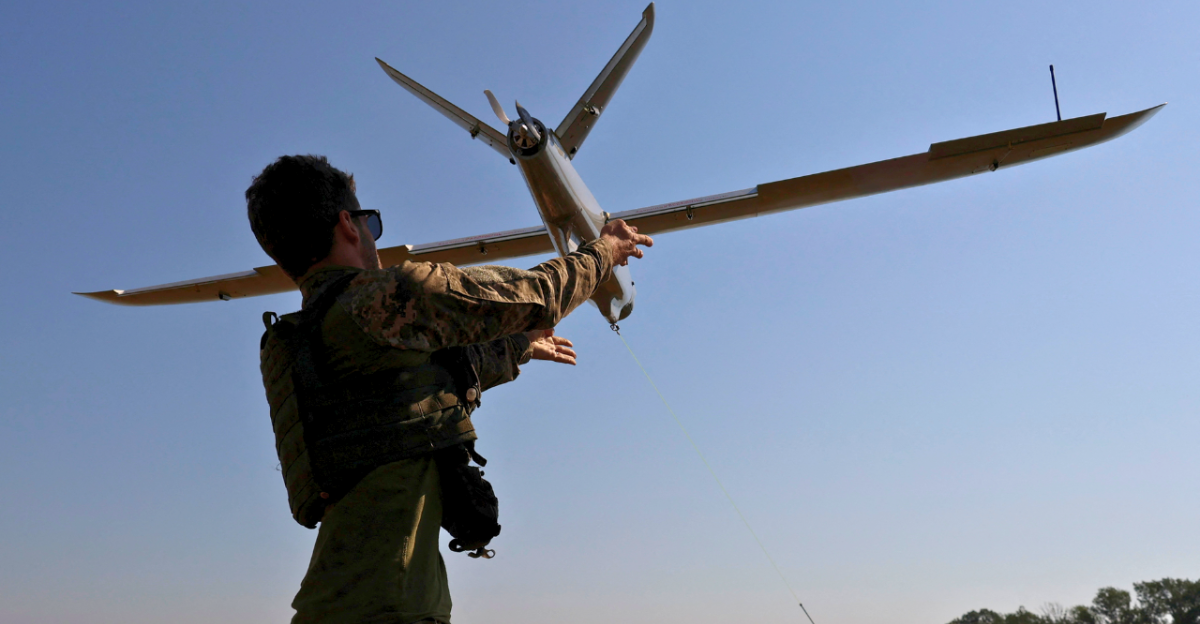
The drone, equipped with AI-capable technology, achieved what military engineers call “sync”—aligning its position with the truck’s 9A316 launch-loading vehicle, part of the Buk family. According to Defense Express, the drone maintained communications with Ukrainian operators, relaying position data as it traveled approximately 15 kilometers toward the likely location of the battery.
A “SYNC” indicator appeared on the drone’s feed, confirming coordinated movement between aircraft and target.
The Billion-Dollar Vulnerability
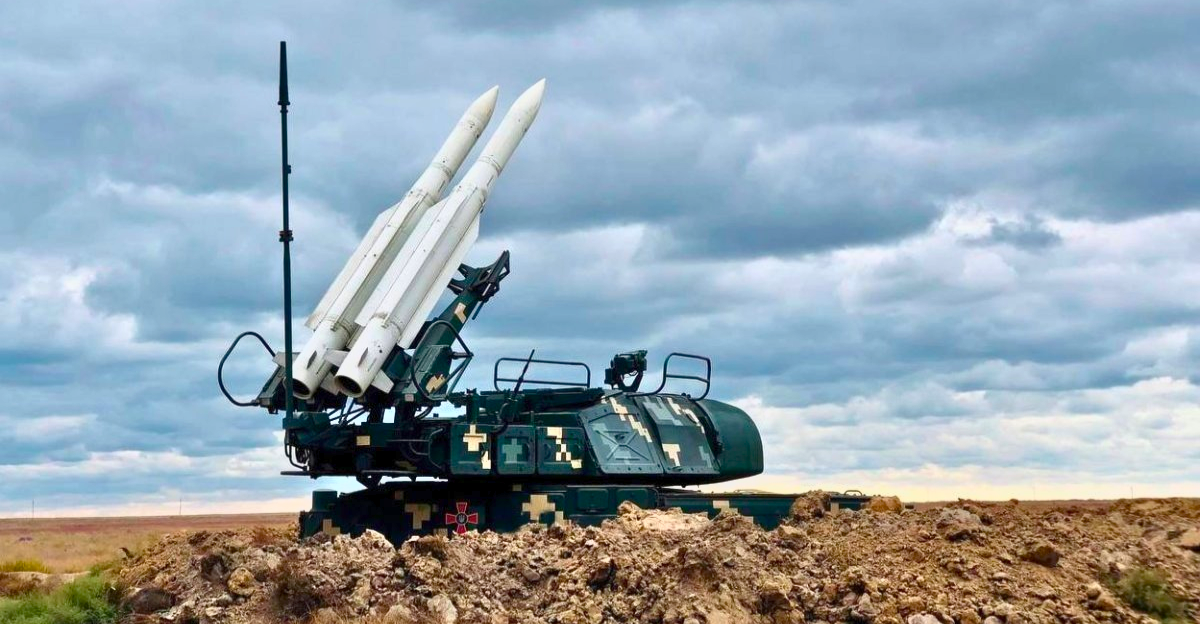
The Buk-M1 air defense system, targeted in October, typically carries an estimated price tag of around $10 million per unit, representing one of Russia’s most sophisticated short-to-medium-range defensive assets. Advanced variants, such as the Buk-M3, can cost between $40-50 million and are designed to track and engage up to 36 simultaneous targets.
These systems were designed to defend against aircraft, helicopters, cruise missiles, and drones, yet failed to detect a five-pound visitor landing directly on their platform.
A Detection Blind Spot Exposed
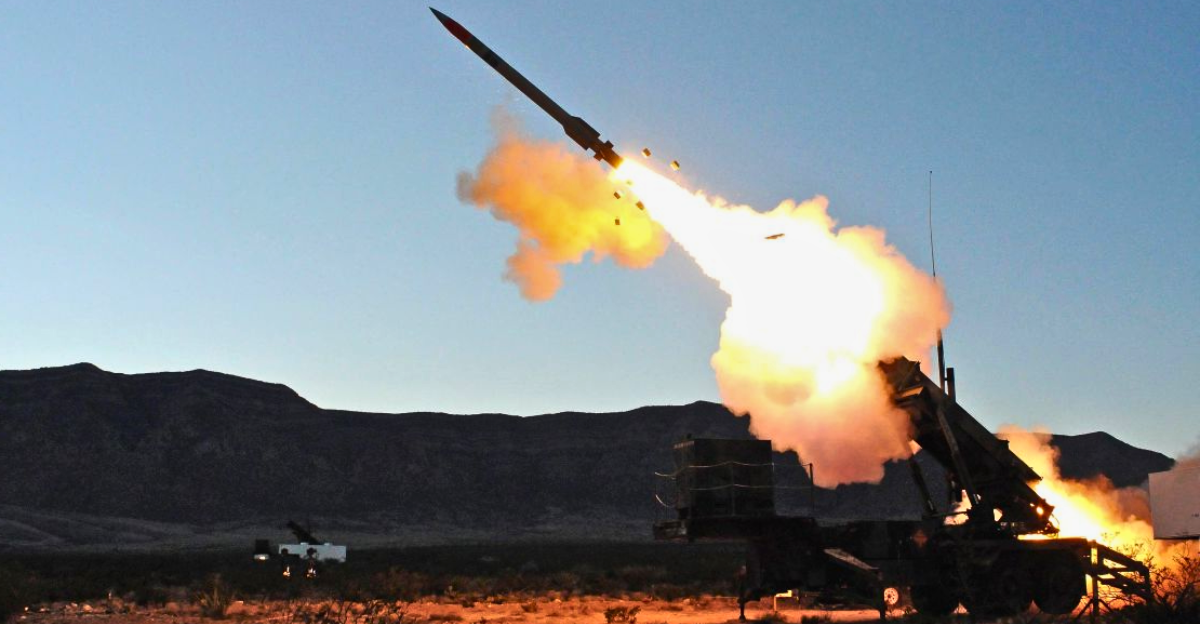
How does an air defense system designed to stop aerial threats fail to recognize something literally landing on its roof? Military analysts point to a fundamental vulnerability: traditional air defenses, such as Pantsir and Buk systems, are optimized for fast-moving targets—jets, missiles, and helicopters. They’re tuned for high-altitude threats with distinctive radar signatures.
A small quadcopter hovering or moving slowly at ground level represents something these systems were never engineered to identify.
Russian Soldiers Underestimated the Threat
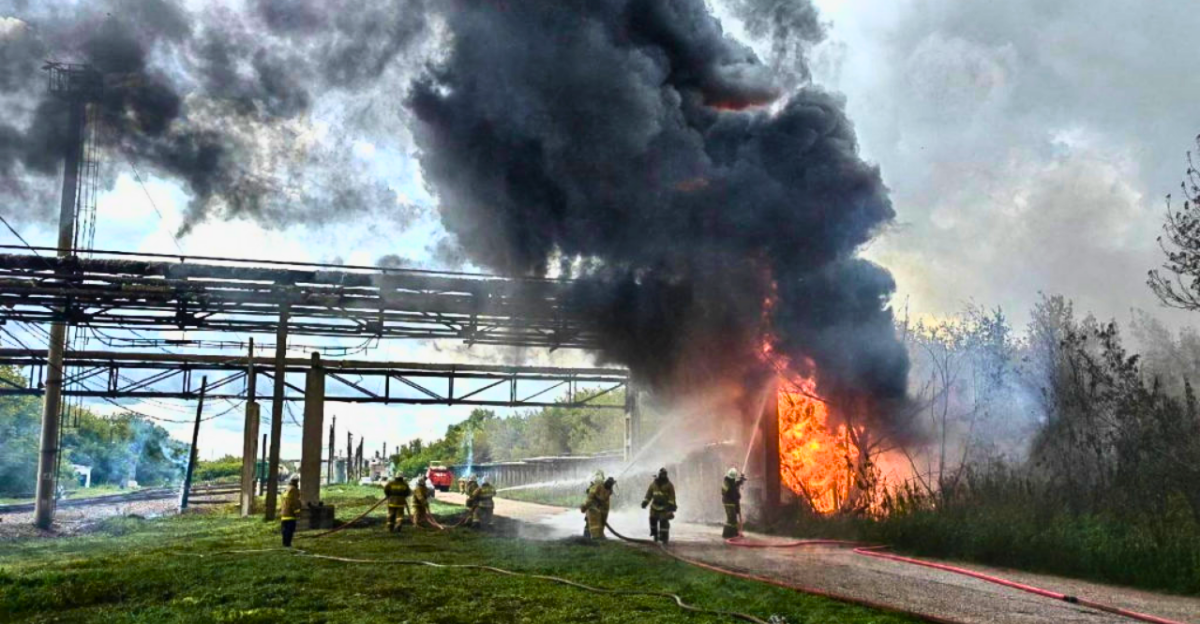
Video footage showed Russian personnel near the Buk initially treating the drone as a harmless curiosity—exactly what Ukrainian commanders hoped. Soldiers took pictures with it, poked at it with sticks, and apparently documented the presence of this strange visitor.
The casualness of their response revealed a catastrophic assumption: something that landed gently couldn’t possibly be dangerous. Military doctrine had trained crews to watch the skies, not their own vehicles. By the time recognition struck, it was too late.
Ukrainian Innovation Rewrites Asymmetric Warfare

Ukrainian military assessments described this October moment as “one of the more peculiar moments in the ongoing conflict,” though similar scenarios had been caught on video before. What distinguished this incident was its documentation and clear evidence of intentional design. Ukrainian drone operators weren’t discovering accidental capabilities; they were deliberately exploiting detection gaps.
According to President Zelenskyy, Ukraine’s drone industry is now capable of producing over 4 million units annually, creating a laboratory for unconventional strike methods that reshape modern conflict.
The Cost Exchange Ratio Redefines Warfare

Ukrainian military leadership has repeatedly emphasized the economic calculation driving their drone strategy. A $5,000 self-detonating quadcopter destroying a $10 million defensive system represents a 1:2,000 cost ratio favoring the attacker. Multiply this across dozens of operations, and the financial hemorrhaging becomes unsustainable for defenders.
According to Ukrainian commanders, while expensive Western interceptors, such as NASAMS missiles, cost roughly $1 million each, Ukrainian interceptor drones achieve similar effects for only a few thousand dollars.
Not the First, but the Most Documented
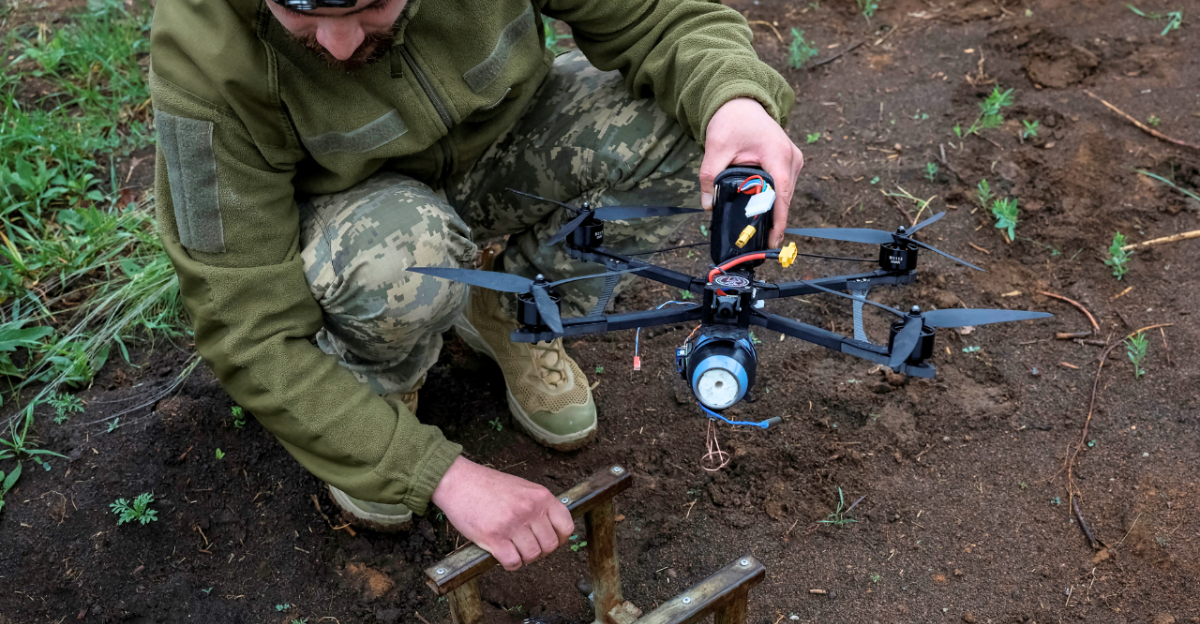
Ukrainian forces had previously employed unconventional drone tactics against Russian air defense, but the October 6 incident received unprecedented military documentation. Earlier strikes by Ukraine’s Black Forest Brigade and Lazar unit had destroyed Buk systems valued at $10 million through direct drone strikes.
What made the parasite-warfare approach distinctive was its explicit demonstration of vulnerability to detection. The National Guard deliberately released footage showing the Russians’ misunderstanding of the threat, broadcasting a lesson to military analysts worldwide about fundamental air defense gaps.
The Intelligence Advantage Behind the Lines
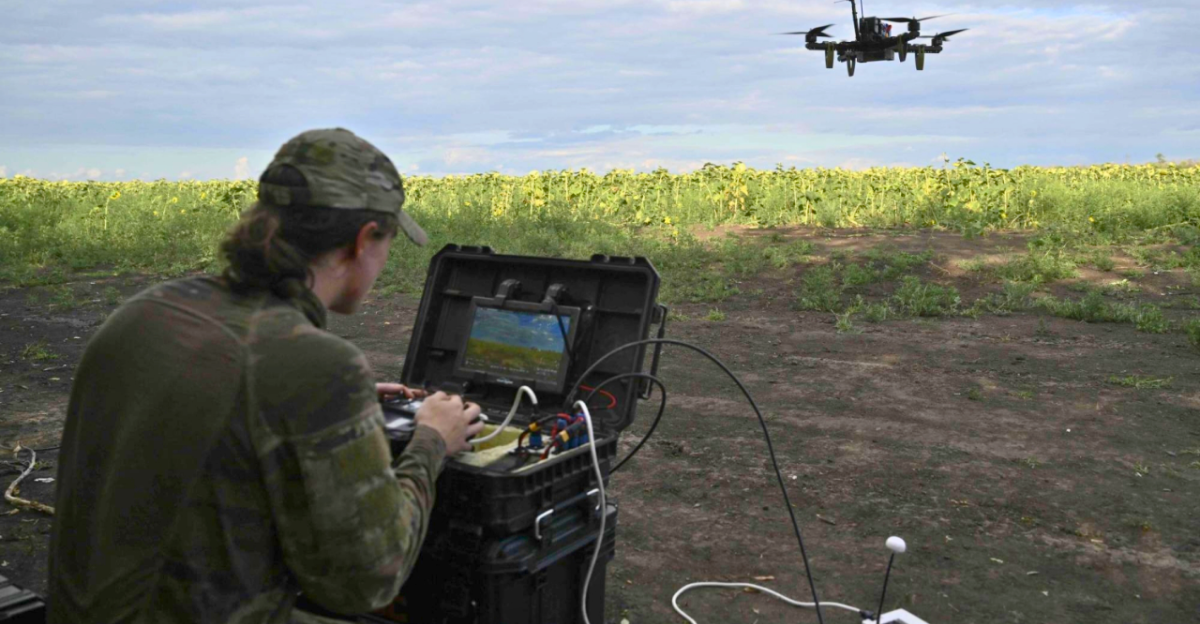
Ukrainian success didn’t depend solely on drone technology—it required precise targeting intelligence. According to Ukrainian Security Services sources, ATESH, a resistance group embedded within Russian military ranks, provided coordinates and photographic evidence of the specific Buk position.
This human intelligence layer proved as critical as the drone itself. Defense Express and Ukrainian military sources confirmed that operators tracked the Buk’s movements in real-time, timing the drone’s approach with operational precision.
Designed for a Different Threat Landscape
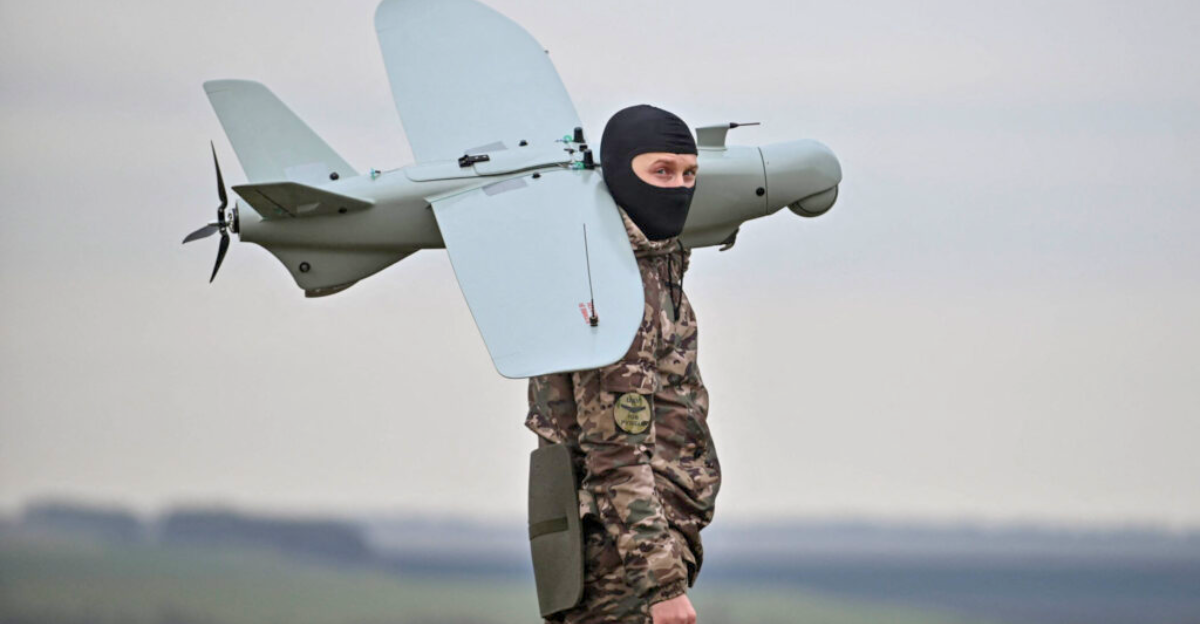
Soviet-era Buk systems, first deployed in 1983 and continuously upgraded, were designed to counter conventional aerial threats—fighter aircraft, missiles, and helicopters operating at high altitudes. They weren’t designed to expect threats from equipment weighing pounds rather than tons.
The radar integration and targeting computers that made Buk systems formidable against traditional aircraft became liabilities when facing slow-moving quadcopters at close range.
Psychological Warfare Embedded in Military Hardware
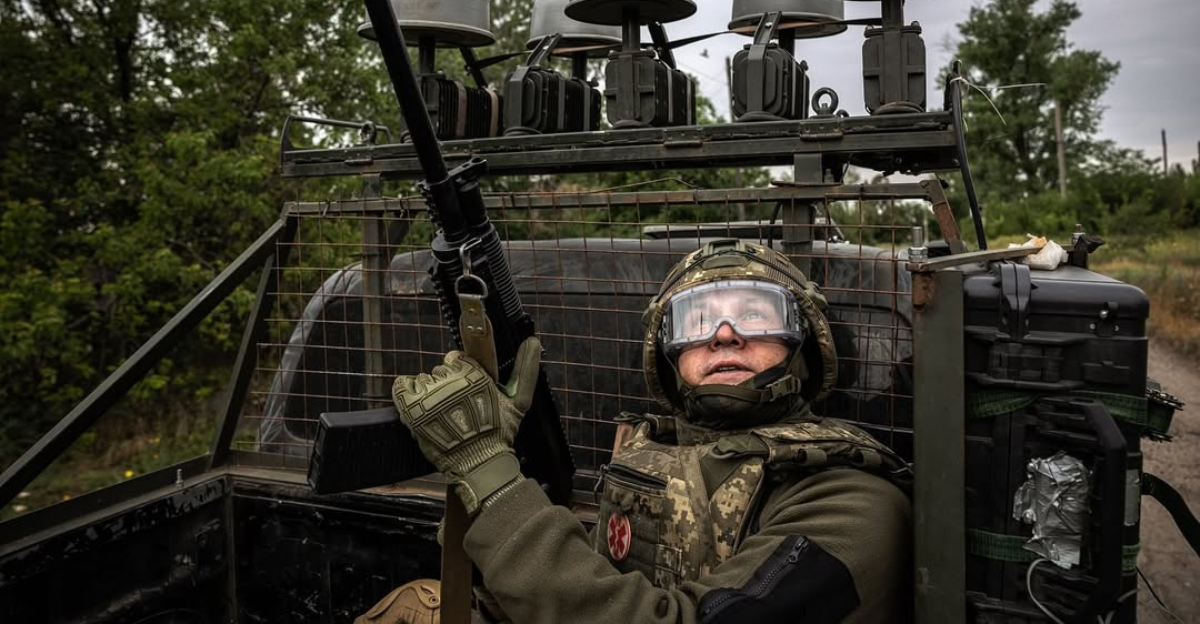
Russian soldiers fleeing the area after spotting the drone revealed more than tactical defeat—they showed psychological impact. Video footage captured the moment crews realized what had just happened: an enemy had driven their own vehicle to destruction.
Beyond the destroyed system, Ukraine achieved something strategically valuable—it demonstrated that Russia’s most advanced defenses contained fundamental vulnerabilities.
Ukraine’s Drone Production Dominance Widens the Gap

According to President Zelenskyy, Ukrainian defense companies can now produce 4 million drones annually, outpacing Russian production capacity. This industrial advantage means Ukraine can afford experimentation and losses in a way that Russia cannot.
Ukrainian intelligence sources stated that drone operators could achieve 50% higher success rates if the United States permitted Western munitions for strikes on Russian soil.
What This Means For Future Conflicts

Military analysts worldwide are examining the October 6 incident for lessons about modern air defense vulnerability. The principle is straightforward: systems designed for one threat profile fail catastrophically against unconventional approaches. According to CSIS analysis, even modern air-defense batteries are insufficient against swarming, ground-level threats launched from short range.
If an enemy can position delivery systems nearby, traditional radar-based defenses become nearly obsolete. Future military planners must reconsider fundamental assumptions about what constitutes an aerial threat.
Detection Systems Racing To Adapt
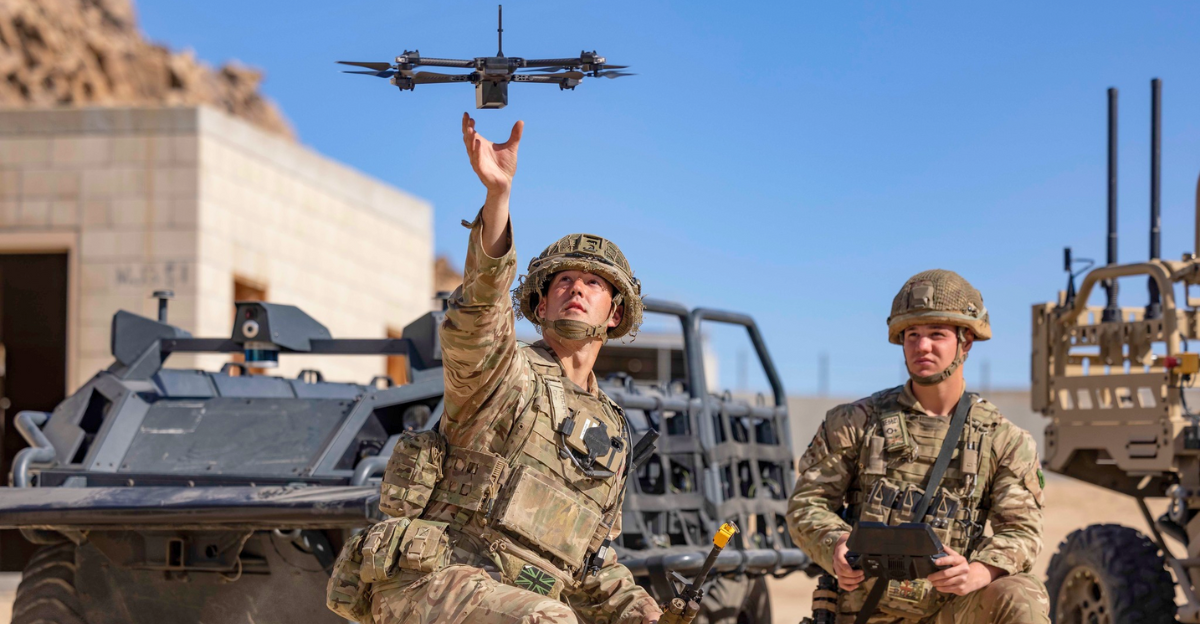
Western military technology firms are developing acoustic sensors that detect the hum of drones, high-resolution optical cameras, and advanced tactical radars that can differentiate between drones and birds. Yet even these upgrades may not solve the fundamental problem: detecting something already on top of you.
According to Ukrainian military sources, interceptor drone programs have been expanded specifically to hunt Shahed drones by approaching from blind spots, using thermal imaging and precision maneuvering.
The Peculiar Becomes the Precedent
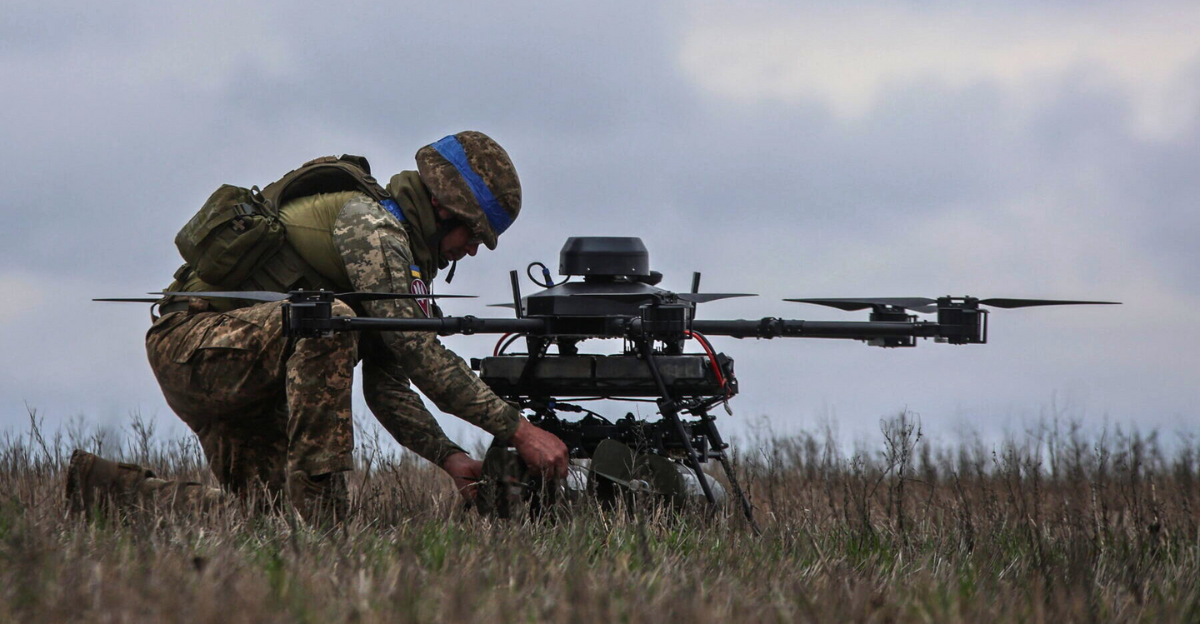
What seemed peculiar in October—a drone landing on an air defense system and riding it to destruction—will likely become a tactical doctrine. Ukrainian military sources confirm this wasn’t an accidental innovation but a deliberate exploitation of system vulnerabilities.
As drone production scales and operators gain experience, “parasite warfare” will evolve beyond single incidents into systematic strategy. The technology of war has shifted toward asymmetric ingenuity—and Ukraine is writing the new rulebook.