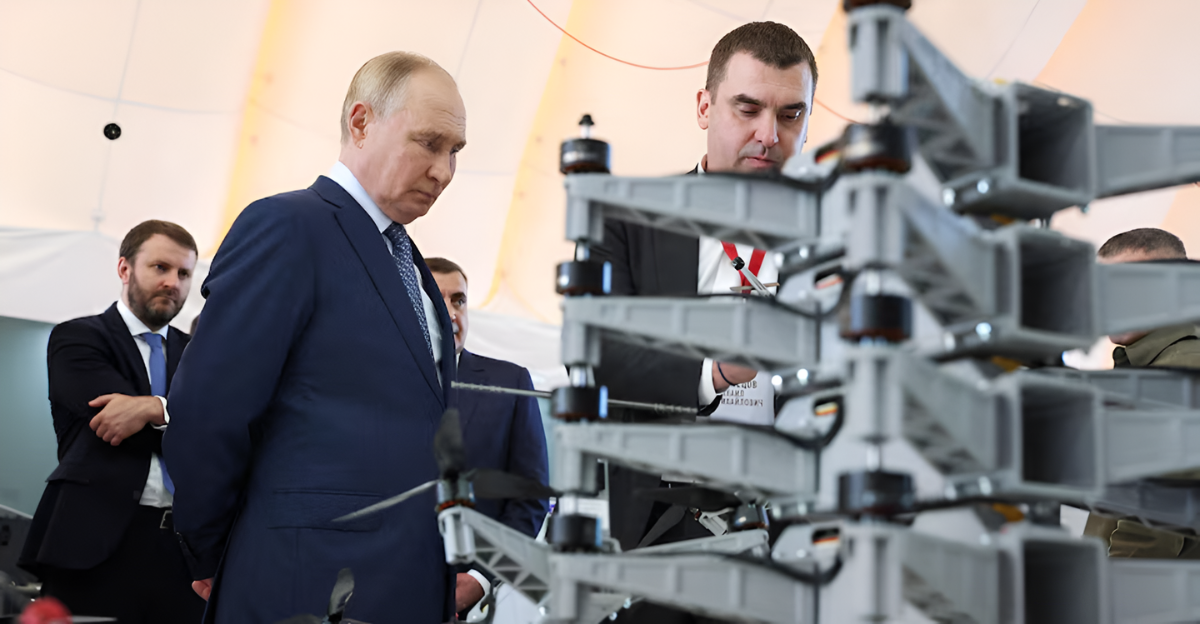
In a dramatic escalation of the ongoing Russia-Ukraine conflict, eight Russian airports were forced to close temporarily on October 22, 2025, after Russian air defenses intercepted 33 Ukrainian drones overnight. The incident, which disrupted both civilian and military air traffic, underscores Ukraine’s growing reliance on drone warfare and exposes new vulnerabilities in Russia’s homeland security.
Evolving Drone Tactics Redefine the Battlefield
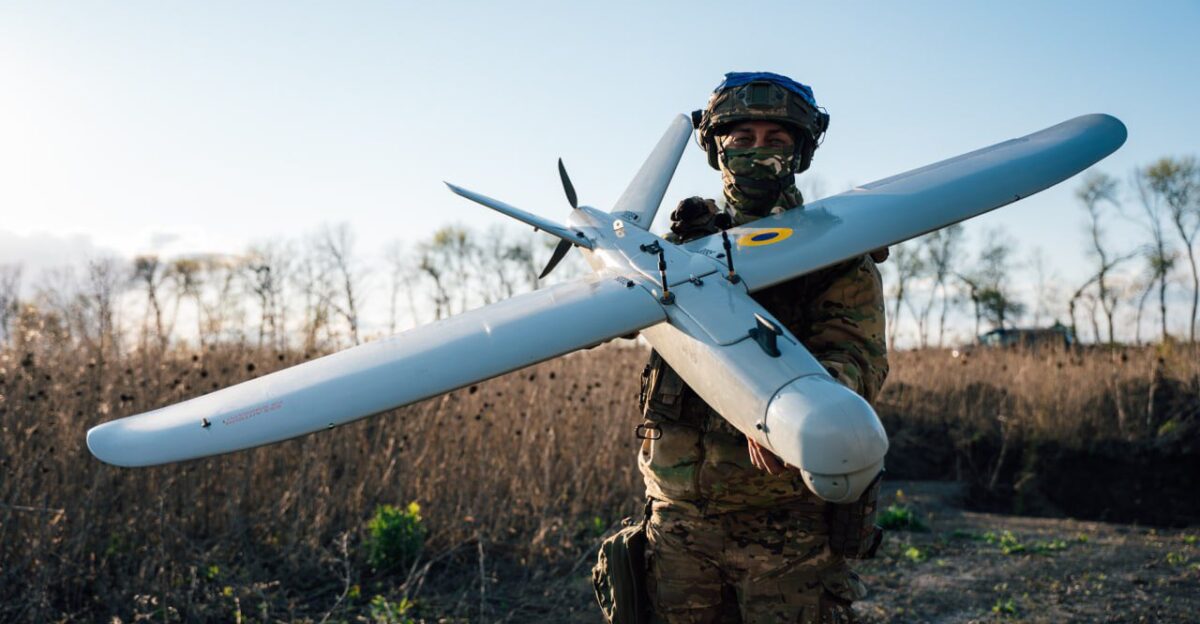
Since the early days of the war, Ukraine has steadily shifted from using drones for reconnaissance to deploying them in offensive operations deep inside Russian territory. The October 22 drone barrage marked a significant milestone, compelling the closure of multiple airports and highlighting the increasing sophistication of Ukraine’s unmanned aerial vehicle (UAV) tactics.
Military analysts note that while drones have played pivotal roles in recent conflicts—such as the Nagorno-Karabakh war—Ukraine’s persistent and large-scale use of UAVs against Russian infrastructure represents a tactical leap. “These drones are cheap, hard to detect, and can be launched in swarms, overwhelming even advanced air defense systems,” explained Dr. Elena Markov, a defense technology expert at the Stockholm International Peace Research Institute. Russian systems like the S-400 and S-300, designed to counter traditional aircraft, struggle to track and intercept the small, low-flying drones now targeting critical infrastructure.
Local Impact and Civilian Anxiety
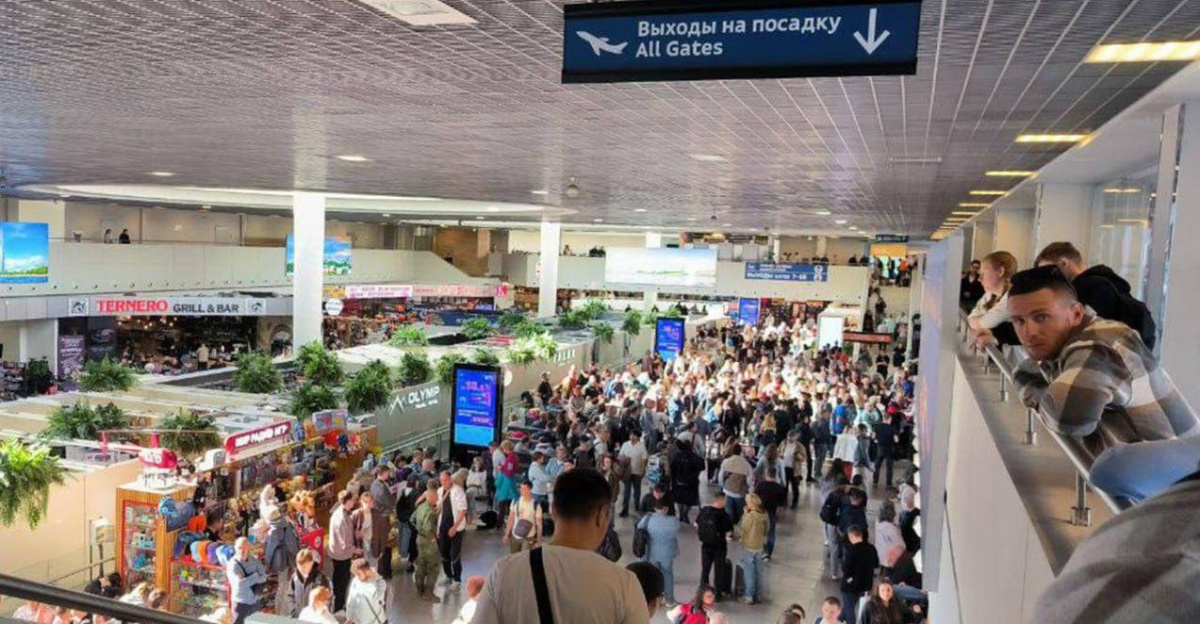
The temporary airport closures sent ripples of anxiety through Russian cities. In Rostov, a local resident, Andrei Petrov, described the atmosphere: “We woke up to sirens and news that flights were canceled. People are worried—if drones can reach our airports, what’s next?” The disruption not only stranded travelers but also forced authorities to divert military resources to protect domestic targets, revealing a structural weakness in Russia’s air defense architecture.
The psychological impact is significant. Frequent incursions by Ukrainian drones have heightened public fears and raised questions about the government’s ability to safeguard the homeland. The need to reallocate defensive assets from the front lines to the interior further strains Russia’s military posture.
Sanctions and Economic Fallout Intensify Pressure
The drone attacks coincided with a new round of U.S. sanctions targeting Russia’s oil giants, Rosneft and Lukoil, which together account for about 40% of the country’s oil production. The sanctions threaten to cut Russian oil revenues by an estimated $200–250 million per day, compounding the financial strain on the Kremlin’s war effort.
Economic pressure is already affecting Russia’s ability to maintain and upgrade its air defense systems. “Sanctions are squeezing the resources needed for military modernization,” said Dr. Markov. “This creates a feedback loop: weaker defenses invite more attacks, which in turn force more spending on security.” The sanctions also contributed to a spike in global oil prices, fueling inflation and economic uncertainty both in Russia and abroad.
Nuclear Posturing and Diplomatic Setbacks
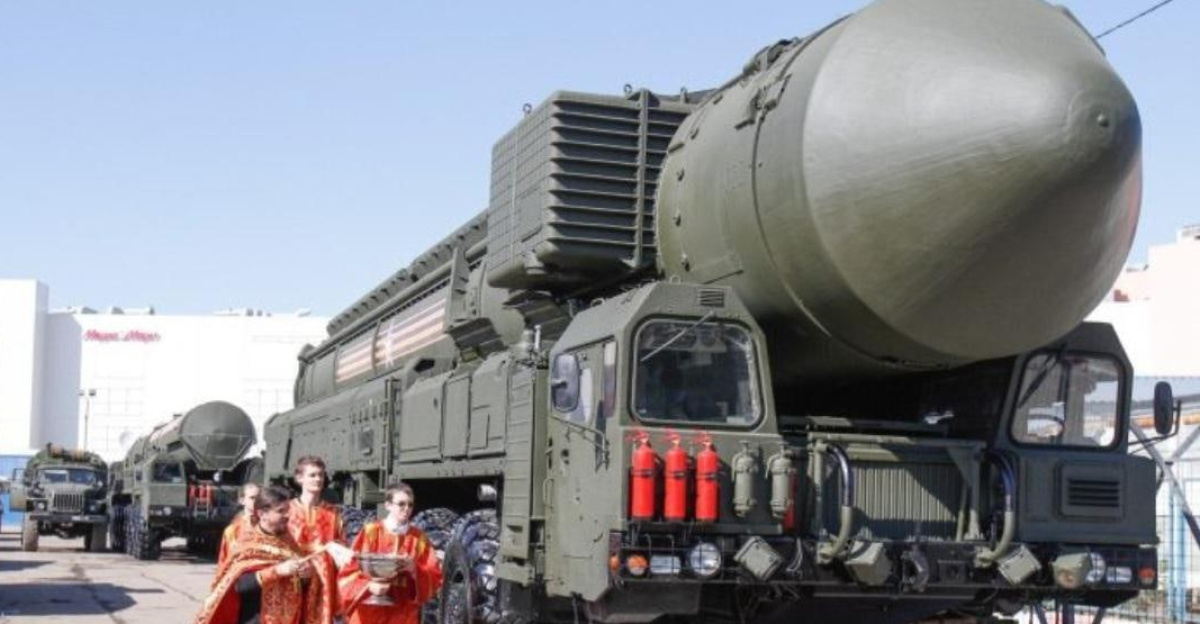
In a show of force, Russia conducted a major strategic nuclear exercise on the same day as the drone strikes and sanctions announcement. The drill, involving intercontinental ballistic missiles launched from land, sea, and air, was widely interpreted as a signal to the West that Moscow remains a formidable nuclear power despite setbacks on the conventional battlefield.
Diplomatic tensions escalated further when U.S. President Trump abruptly canceled a planned summit with President Putin, citing a “changed equation” amid the military and economic turmoil. The cancellation eliminated a potential avenue for de-escalation, leaving both sides entrenched and increasing the risk of miscalculation.
A New Era of Hybrid Warfare
The events of October 22 highlight a broader transformation in modern conflict. Ukraine’s use of drone swarms demonstrates how relatively inexpensive, decentralized technologies can disrupt even the most sophisticated defense systems. This shift is prompting militaries worldwide to rethink their doctrines and invest in networked, adaptive countermeasures.
Looking ahead, Ukraine is set to bolster its capabilities with the planned acquisition of Swedish Gripen fighter jets and U.S. Tomahawk missiles, moves that could further challenge Russia’s overstretched defenses. As the conflict evolves, the intersection of economic sanctions, technological innovation, and shifting military strategies is reshaping the geopolitical landscape.
The temporary closure of Russian airports stands as a stark warning: in today’s hybrid wars, the frontlines are no longer confined to distant battlefields. Civilian infrastructure is now a target, and the ability to adapt quickly may determine not just the outcome of a single conflict, but the future of warfare itself.