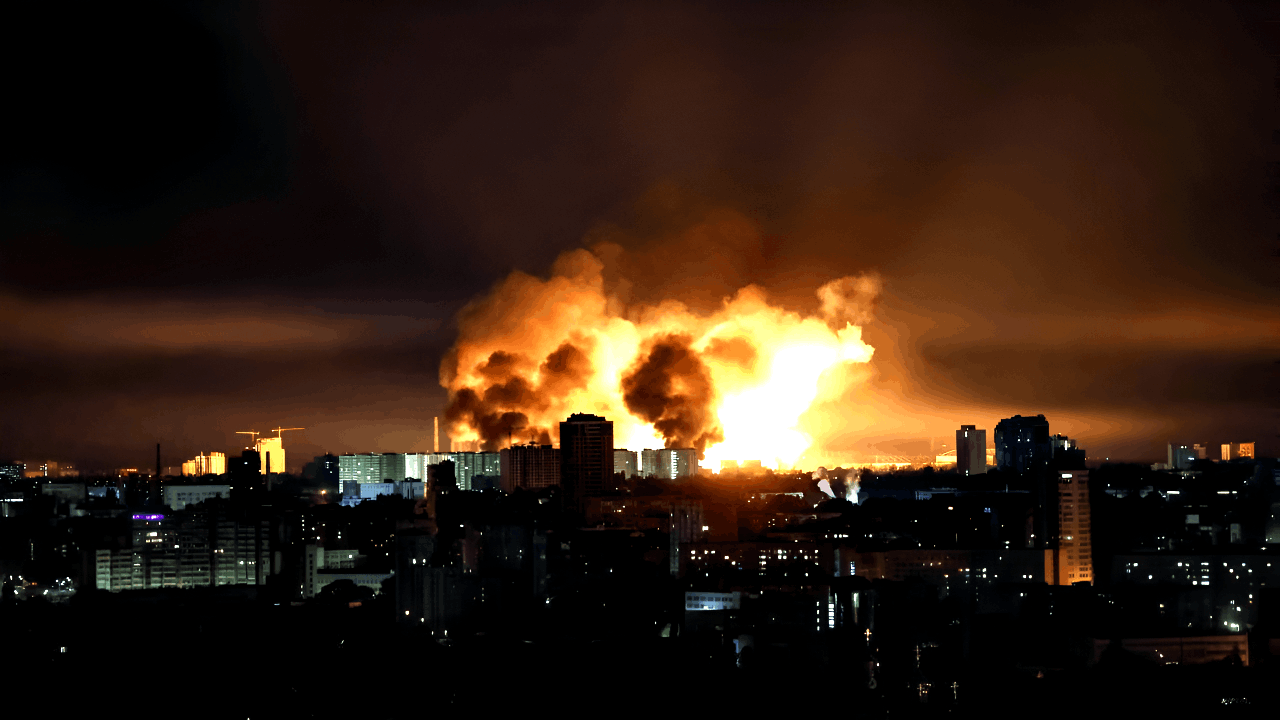
On July 11, 2025, Ukrainian drones attacked Russia in one of the biggest drone operations since the war started. Russian forces shot down 155 drones across seven regions, with 11 intercepted near Moscow. However, many drones got through Russia’s air defenses and struck targets southeast of the capital.
By morning, photographs showed craters and destroyed buildings near Moscow, proving that Ukraine’s drone operators successfully penetrated Russia’s defense systems. This attack showcases how Ukraine can now hit targets over 600 kilometers inside Russian territory.
Since 2024, Ukrainian forces have launched more than 130 long-range drone missions, striking nearly 400 sites, including oil refineries, fuel depots, and military airbases. These operations now target Russia’s industrial centers, not just supply lines near the fighting. Military experts note that Russia’s most advanced air defense systems cannot intercept every drone.
“No defense system is perfect,” said defense analyst Pavel Felgenhauer. “The real question is which important target Ukraine will hit next.”
Ukraine’s Booming Drone Industry Powers the Campaign
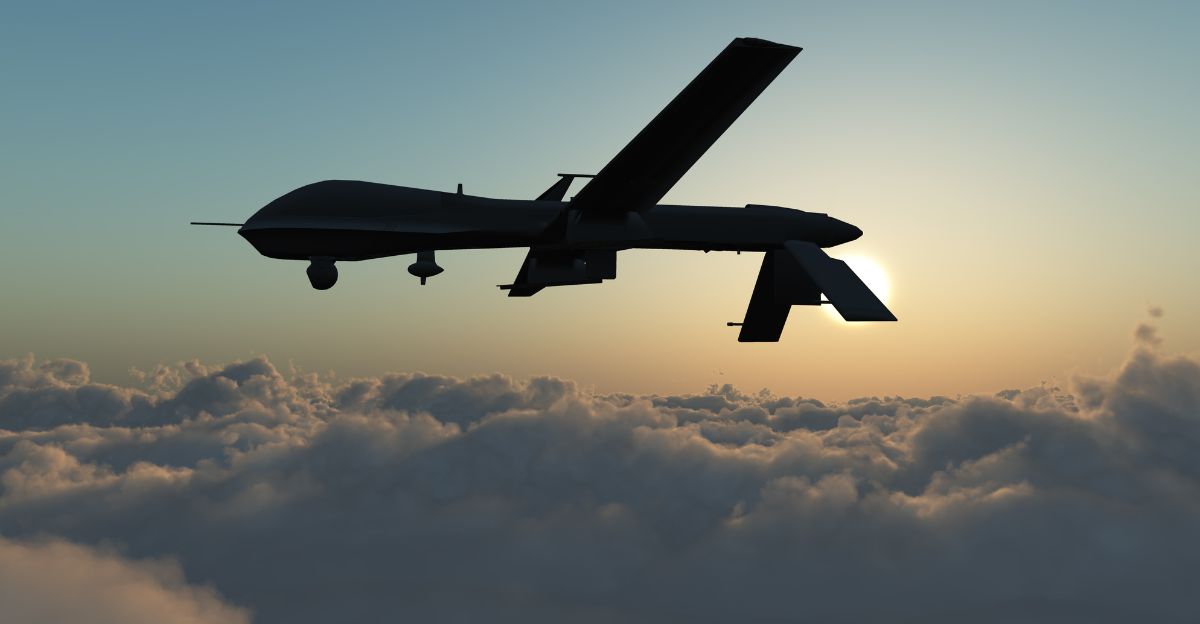
Ukraine transformed its drone industry at incredible speed. In 2021, only a handful of Ukrainian companies made drones. By 2025, approximately 500 manufacturers are expected to produce drones in Ukraine. These companies collectively manufactured over 2 million drones during 2024 alone.
Small FPV (first-person view) drones jumped from 20,000 units per month to 200,000 units per month within just one year. Today, Ukrainian forces use drones that Ukrainian companies make 96 percent of the time, a major shift from the earlier dependence on Chinese imports.
“Ukraine now leads the world in producing small battlefield drones,” explained Mykhailo Fedorov, Ukraine’s Minister of Digital Transformation. The Ukrainian government aims to produce 4.5 million drones annually, pushing both sides into a technological competition. For residents near the Lukhovitsy Aviation Plant, the July 11 attack brought the war directly to their homes.
“We heard loud explosions just after midnight, and the sky turned bright,” recalled local resident Irina Petrova. “Everyone felt scared, yet amazed that fighting came so close to Moscow.” Russian officials confirmed that the strike damaged a compressor station and partially collapsed a building wall at the plant, with no worker casualties reported because the attack occurred when most staff were away.
Russia Struggles as Ukraine’s Drone Strategy Evolves
Russia’s air defense systems are wearing down from constant attacks. Early in the war, Ukrainian drones rarely achieved their targets. However, by 2025, Ukraine improved its tactics with swarm attacks, radar evasion, and high-altitude maneuvers, nearly doubling the success rate.
Ukraine’s strikes forced Russia to place air-defense guns on rooftops and flood the skies with GPS jamming signals, sometimes disrupting civilian flights. Despite these efforts, Ukrainian drones attack daily, slowly depleting Russia’s supply of interceptor missiles and exhausting Russian military personnel.
The economic damage continues to grow: nearly 30 percent of Russia’s oil refining capacity is now offline, resulting in fuel shortages and driving up prices across the country. Russia counters with its own Shahed-type drones, producing over 2,700 units per month.
These Iranian drones, upgraded with Russian technology, feature AI navigation and anti-jamming systems that make them increasingly hard to stop. Defense expert Dr. Ulrike Franke stated, “We are entering a new era of drone warfare. The lessons Ukraine teaches will reshape how military forces plan strategies worldwide.” The July 11 attack on Lukhovitsy Aviation Plant shows how the war’s focus has shifted.
Ukraine no longer fights just at the front lines—now Ukraine targets the factories and production centers Russia depends on for weapons. Each successful strike weakens Russia’s ability to replace military losses and upgrade its equipment. While experts still debate the full extent, the psychological impact is clear. As both nations race to develop better drone technology, their competition will shape not just this war, but how nations wage war in the future.