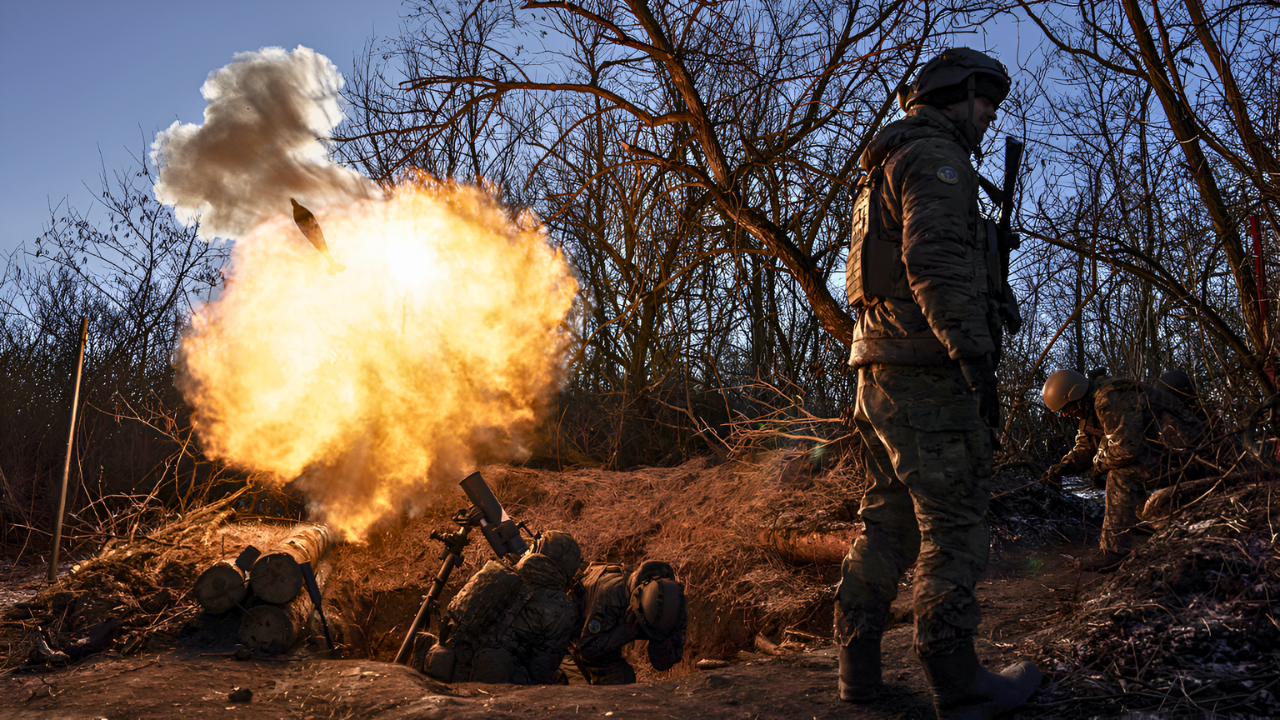
In the early hours of November 2, 2025, a Ukrainian special operations team executed a precision strike deep inside Russian-occupied Crimea, targeting and destroying a critical Russian air-defense command and radar post. The attack not only demolished advanced military hardware but also shattered Moscow’s long-held image of invulnerability in the region.
A Nighttime Operation Unfolds
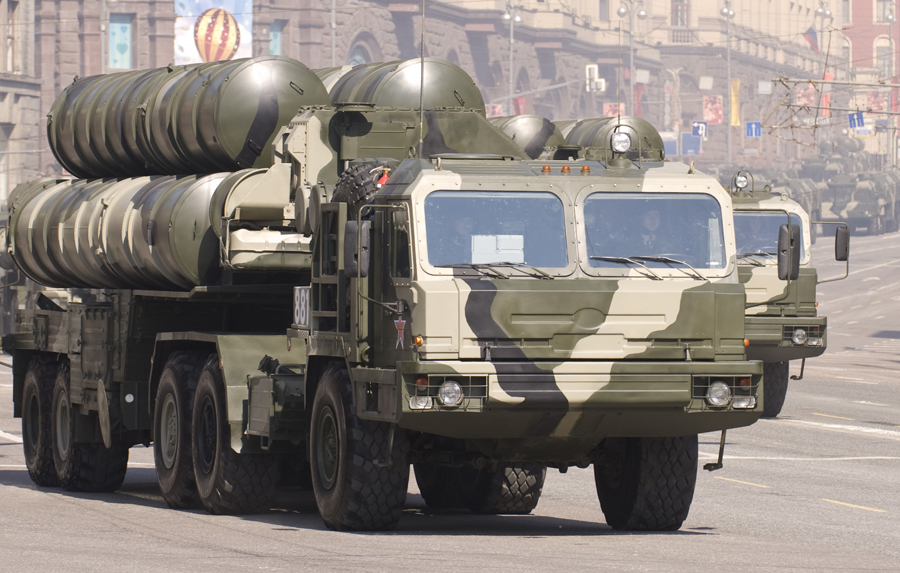
Guided by satellite intelligence and real-time reconnaissance, Ukrainian Defense Intelligence operatives—known as “the Ghosts”—launched their assault under the cover of darkness. Their target: a Russian S-400 “Triumf” battalion command post, the nerve center of Russia’s air-defense network in northern Crimea.
Within hours, the 92N6E multifunction radar, the S-400’s primary sensor with a 340-kilometer detection range, was reduced to wreckage. Alongside it, an AORL-1AS airfield surveillance radar and a P-18 “Terek” system were also destroyed, leaving Russian operators scrambling to restore communications and coverage.
Operational reports; released by Ukraine’s Defense Intelligence the following day, laid out details of the scorched earth and twisted metal where the radars once stood. Independent analysts quickly verified the location and extent of the damage, confirming the operation’s success.
Cracks in Russia’s Defensive Shield
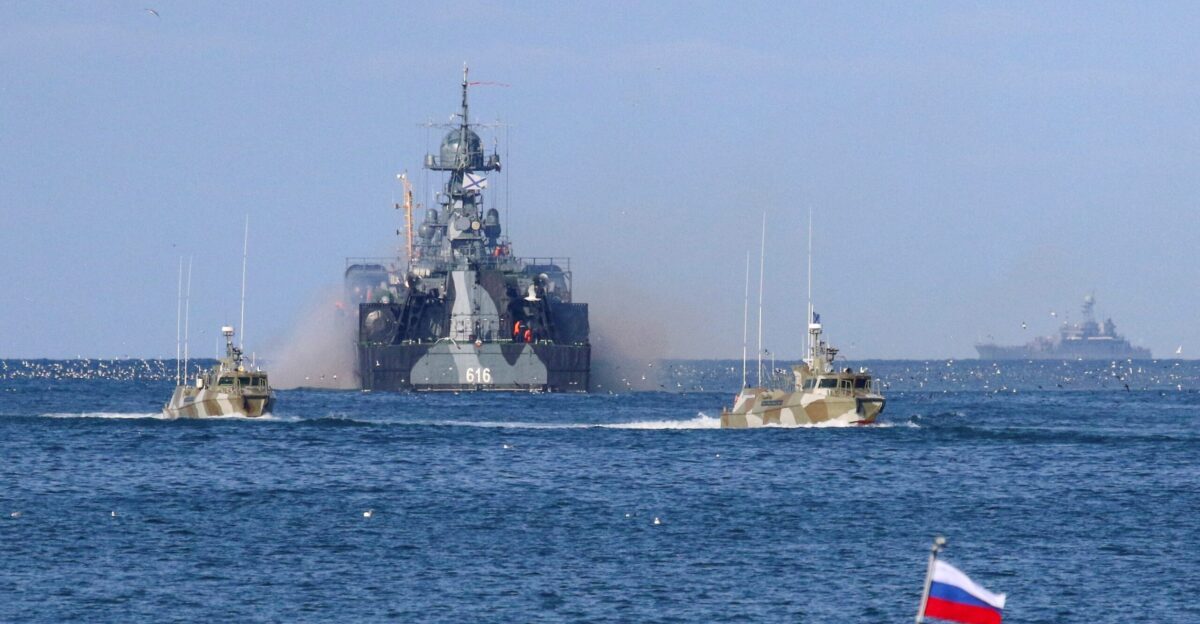
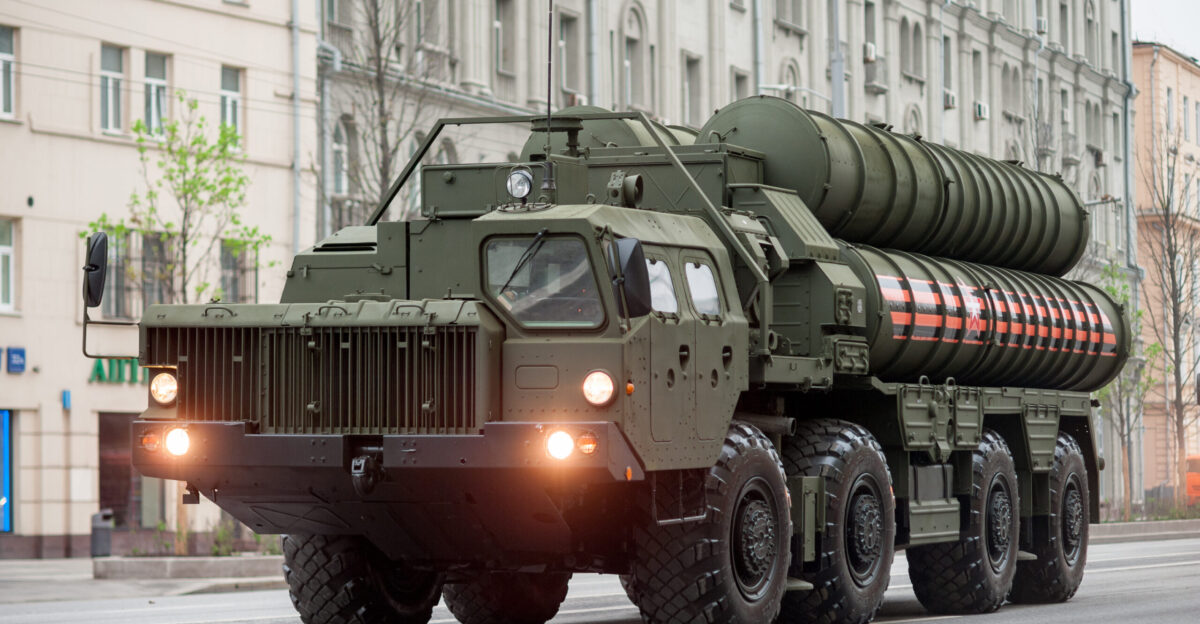
The S-400 “Triumf” system, often touted by Moscow as impenetrable, forms the backbone of Russia’s layered air-defense grid over Crimea and the Black Sea. Each battalion, costing around $500 million, is designed to intercept aircraft and missiles at long distances. The destruction of the 92N6E radar—along with its supporting infrastructure—represents a significant blow to Russia’s operational capabilities.
Western defense experts estimate that restoring such advanced systems could take months or even years, given the complexity and cost.
Local Impact and Global Echoes
For residents in northern Crimea, the aftermath was immediate. “We heard explosions in the night, and by morning, the military base was silent,” said a local resident who requested anonymity for safety. “People are worried—if the Russians can’t protect their own radars, what does that mean for us?”
The psychological impact of the strike has rippled through Russian military ranks and the public. For years, state media portrayed Crimea as a fortress, shielded by the latest technology. Now, with satellite evidence of destroyed radars circulating online, that narrative is under strain. Russian officials have downplayed the incident, insisting that “Crimean defenses remain fully operational,” but independent imagery and Western intelligence assessments suggest otherwise.
Strategic Blind Spots and New Risks
The loss of multiple radar systems has created a significant surveillance gap across the Black Sea and southern Crimea. Kilometers of airspace are now less protected, giving Ukrainian drones and missiles greater freedom to operate.
Globally, the incident has drawn comparisons to similar vulnerabilities exposed in other high-tech air-defense systems. In 2019, Saudi Arabia’s U.S.-supplied Patriot batteries failed to intercept drone attacks on oil facilities, highlighting that even the most advanced defenses can be breached with the right tactics and intelligence.
A Pattern of Precision Strikes
The Crimea operation is part of a broader Ukrainian campaign targeting Russian radar and missile sites since September 2025. Each successful strike narrows Russia’s defensive umbrella and signals a shift in the conflict’s dynamics. Open-source verification groups have documented multiple attacks on Russian air-defense assets in recent months, underscoring Ukraine’s growing proficiency in deep, intelligence-driven operations.
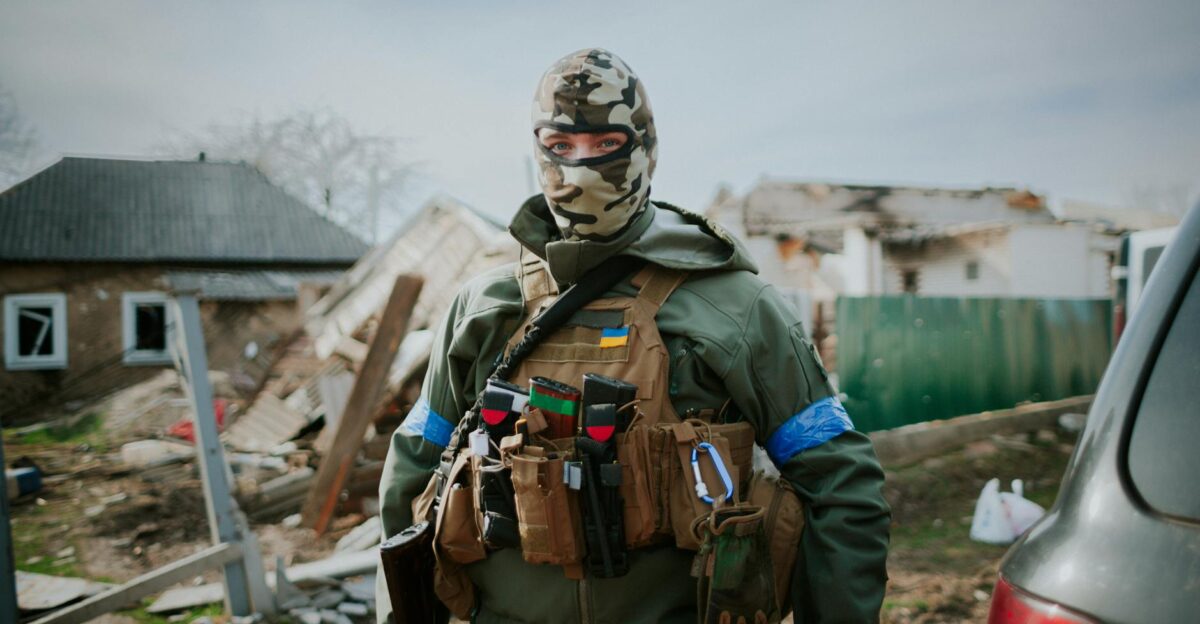
The “Ghosts,” Ukraine’s elite special operations group, have been linked to several of these missions. Their approach—combining satellite reconnaissance, open-source intelligence, and real-time drone feeds—has repeatedly caught Russian forces off guard.
Looking Ahead: Uncertainty and Escalation
As winter approaches, Ukraine shows no sign of easing its pressure on Crimea’s air defenses. With command posts destroyed and radars silent, Kyiv is expected to continue probing for weak points before Russia can rebuild. The Kremlin, meanwhile, faces mounting challenges: replacing lost equipment, restoring confidence among its forces, and countering a narrative of vulnerability that is increasingly difficult to deny.
The stakes are high for both sides. For Ukraine, each successful strike is a step toward reclaiming territory and undermining Russian control. For Russia, the challenge is not only to repair physical damage but also to restore the aura of security that once surrounded its most prized military assets. As the conflict evolves, the battle for Crimea’s skies is set to intensify, with consequences that will reverberate far beyond the peninsula.