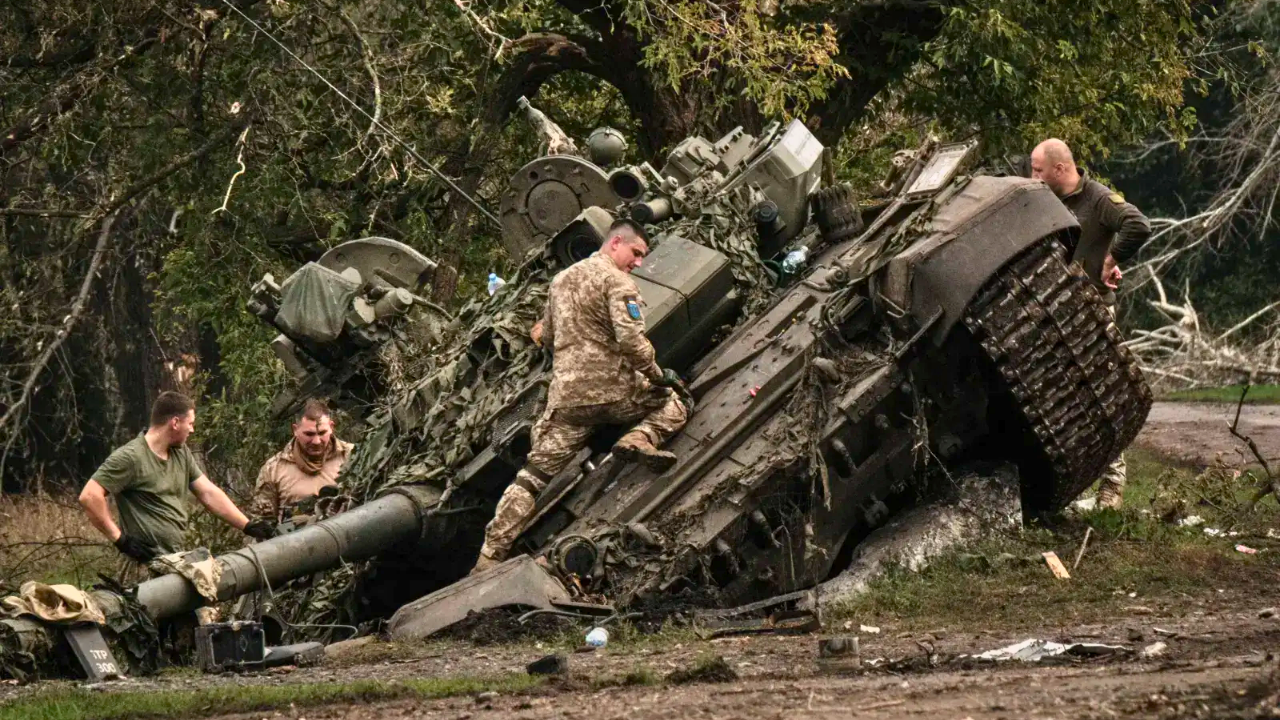
Volgograd residents heard the drones first—a constant humming growing louder as waves descended through darkness. More than 40 explosions shattered the night after 12:40 a.m., sending tremors through buildings and igniting flames visible 25 kilometers away.
Volgograd Oblast Governor Andrei Bocharov reported at least 75 drones struck Russia on Thursday, with Russian defense officials claiming 49 downed over the region. Ukraine’s strike was precise and calculated—designed to deliver maximum damage to Putin’s war machine in ways far harder than any battlefield victory.
When the Refinery Burned
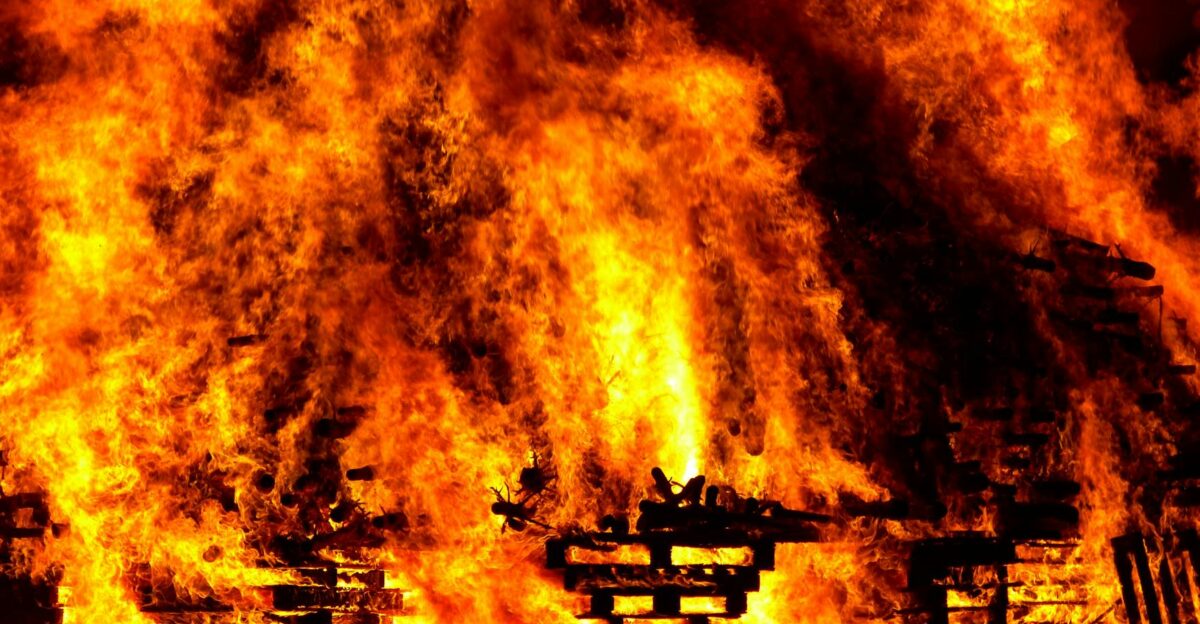
The Lukoil-operated Volgograd refinery caught fire as drone strikes pierced its defenses, according to Reuters sources with direct knowledge. The facility processes approximately 13.7 million tons of crude oil annually, which accounts for roughly 5.6% of Russia’s total refining capacity.
Explosions tore through CDU-5, the primary processing unit handling 66,700 barrels per day, and a major hydrocracker burst into flames. The complete operational shutdown dealt a direct blow to Russia’s ability to fuel its invasion, months after the Kremlin faced severe shortages across 57 regions.
The Human Cost in Volgograd
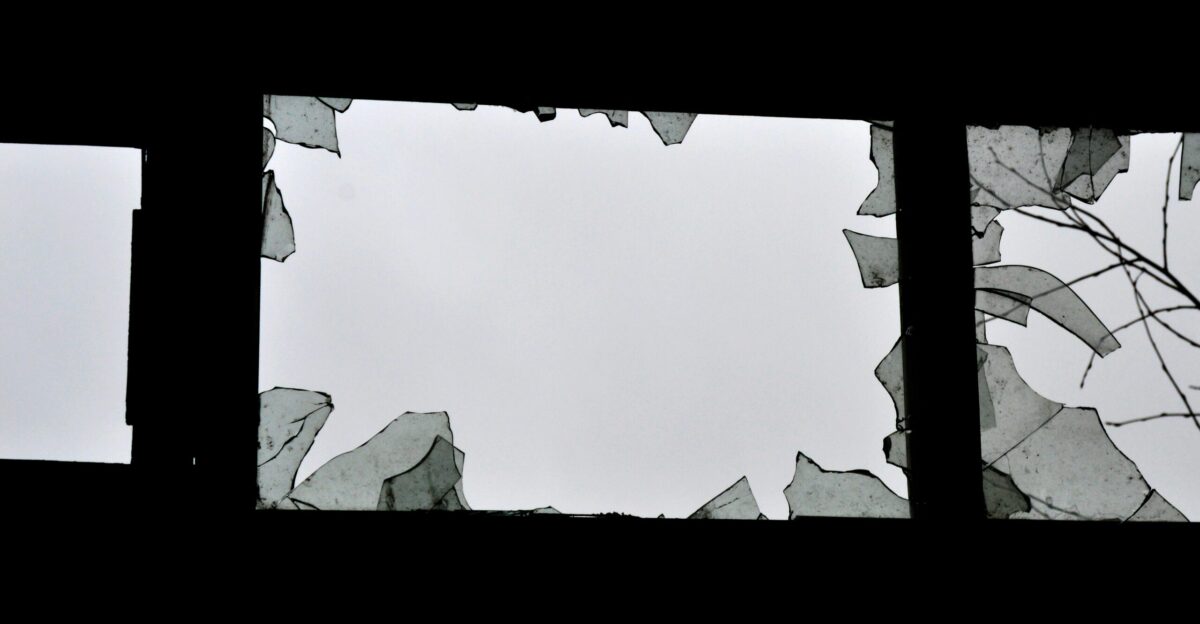
Governor Bocharov stated that a 48-year-old man died when drone debris pierced a residential building on Garya Khokholova Street. At least four apartments were destroyed. Residents described it as the most intense attack since the conflict began, as windows shattered across neighborhoods, fires burned in the industrial Krasnoarmeysky district, where fragments rained down like metal hail.
The constant fear of more explosions forced authorities to activate the “Carpet” emergency protocol, closing airspace over 13 Russian regions and grounding flights.
Why Energy Infrastructure Matters
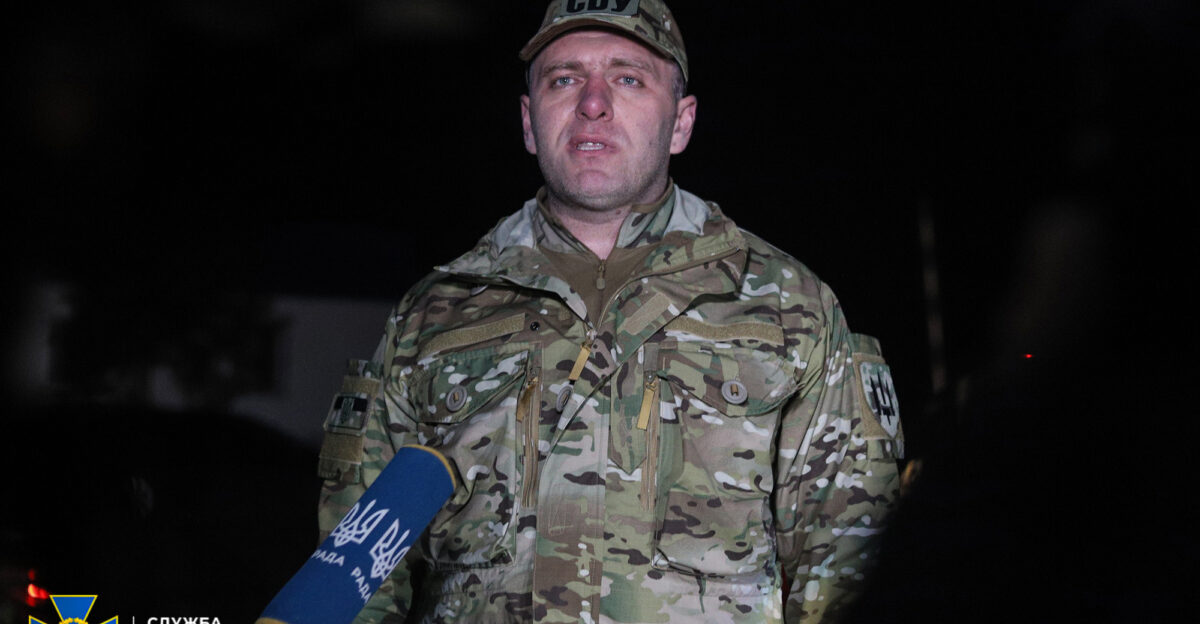
Vasyl Maliuk, chief of Ukraine’s Security Service, revealed during an October 31 briefing that Ukrainian forces have struck nearly 160 Russian oil and energy facilities in 2025 alone. These aren’t random targets—they represent Russia’s defense budget.
“Oil extraction and refining make up around 90% of Russia’s defense budget. These are the dirty petro-rubles funding the war against us,” Maliuk stated. When Ukraine destroys refineries, it starves the military of fuel needed to transport troops, operate tanks, and maintain supply lines across a sprawling 1,000-kilometer front.
The Twin Strike: Drones on Drones
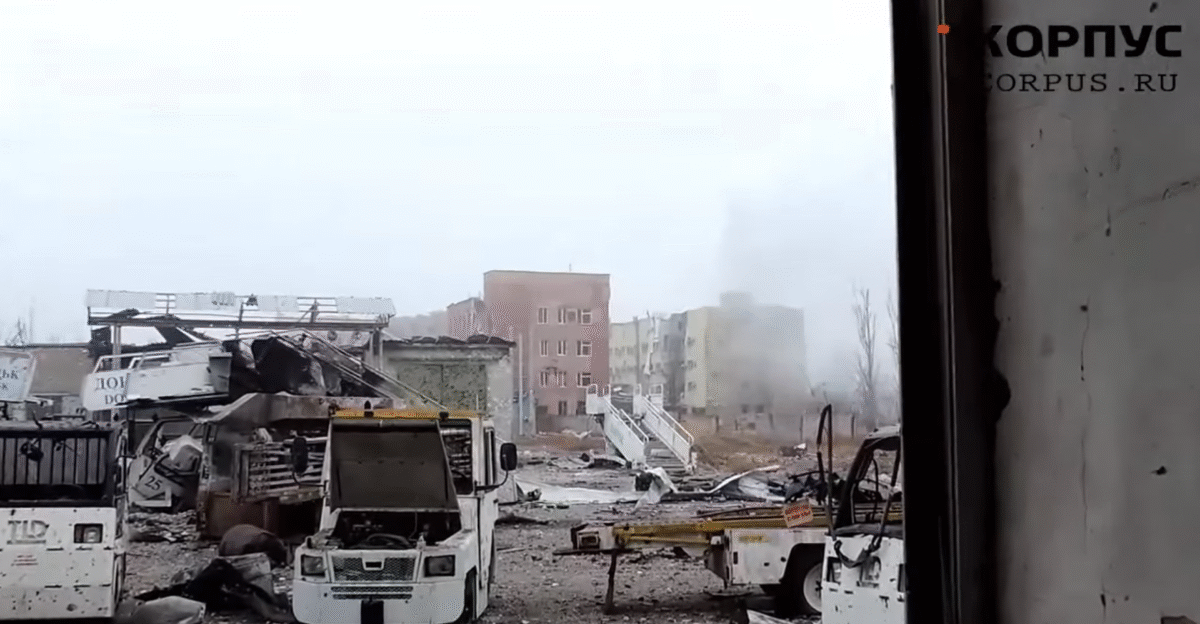
While flames consumed Volgograd’s refinery, Ukrainian special operations forces struck a Shahed drone storage and launching base at the former Donetsk airport in occupied territory. Explosions registered secondary detonations as warehouses containing what reports suggest could be 1,000 Shahed drones detonated in sequence.
Commander Madyar of Ukraine’s Unmanned Systems Forces confirmed the strike followed months of reconnaissance, with precision timing maximizing damage. It was targeted warfare, hitting the weapons Russia uses to terrorize Ukrainian civilians.
Russia’s Tank Problem Just Got Worse
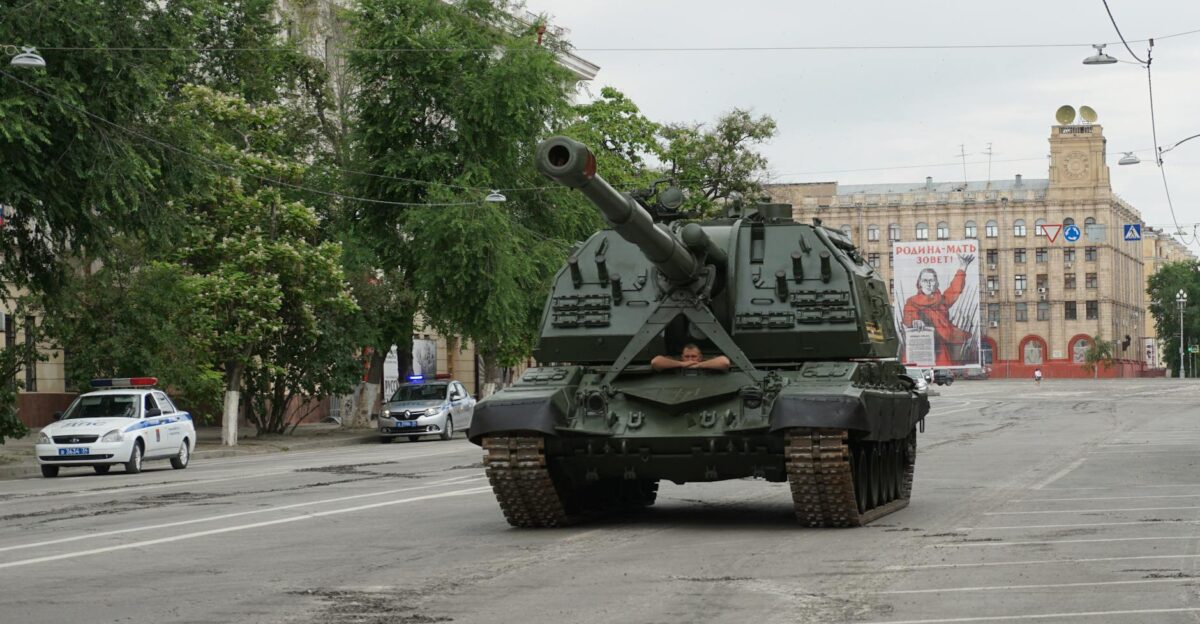
Since February 2022, Ukrainian forces have destroyed 11,329 Russian tanks according to Ukraine’s General Staff as of November 6—a staggering loss weakening Russian ground forces. Add 23,541 armored fighting vehicles, 34,288 artillery systems, and 78,430 drones to that tally.
General Christopher Cavoli, commander of U.S. European Command, told the Senate Armed Services Committee that Russia lost an estimated 3,000 tanks in the past year alone. Moscow started with approximately 13,000 tanks in total, and Cavoli warned that Russia is approaching the end of its usable tank reserves.
When Casualties Become Unsustainable
Russia suffered 1,170 casualties on November 6, according to Ukraine’s General Staff, pushing cumulative losses to approximately 1,147,740 since the invasion began. UK Defense Intelligence estimates place the figure at roughly 1,140,000, with a horrifying 353,000 in 2025 alone.
Britain’s Defense Ministry noted Russia’s average daily casualty rate climbed to 1,008 in October 2025, up from 950 in September—the second consecutive monthly increase. Russia continues to send troops into the grinder as equipment becomes scarcer, according to military analysts.
The Substitution Problem
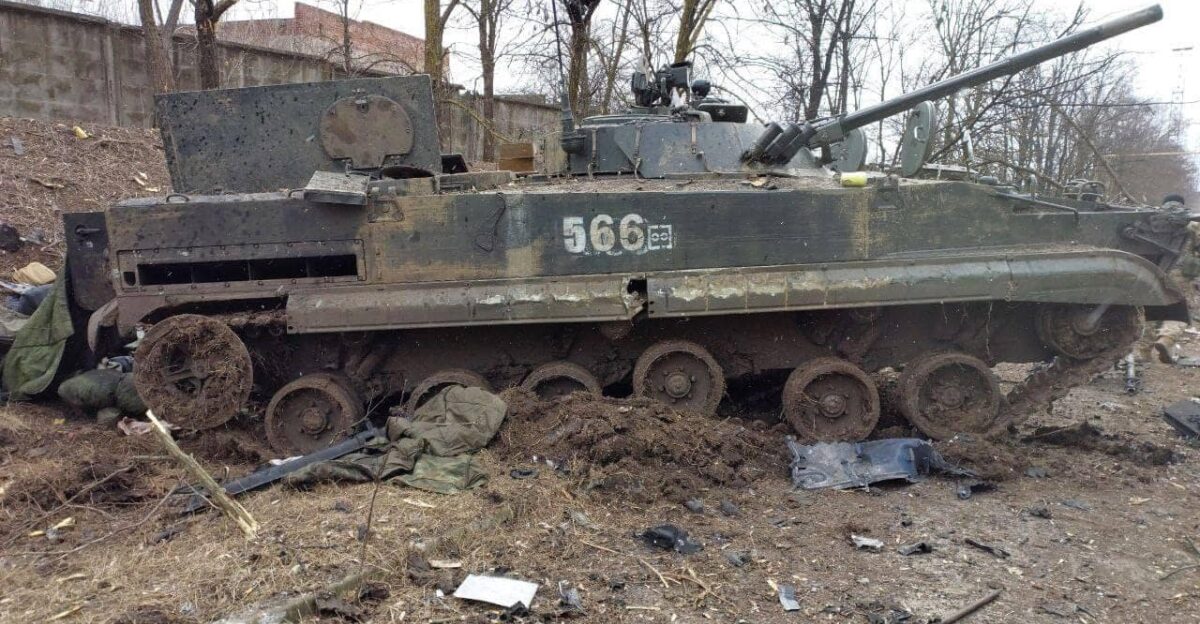
Russia can manufacture new tanks and armored vehicles, but faces a critical shortage, according to the International Institute for Strategic Studies. Russia is increasingly deploying vintage armored personnel carriers from the 1950s and tanks from the 1960s, according to IISS analysts. Moscow raids Soviet-era storage depots for equipment it thought long obsolete.
General Cavoli testified that Russia’s serious shortage of forces, resulting in heavier personnel losses, commanders sacrifice more soldiers because they lack modern armor. It’s an unsustainable spiral that will eventually collapse Russia’s defensive capabilities.
Fuel Lines and Desperation

Ukraine’s refinery campaign ripples across Russian society, exposing Putin’s fragile grasp on his war effort. Videos from across Russia show extensive queues at gas stations, particularly in eastern regions and highways connecting St. Petersburg and Moscow.
The Kremlin implemented gasoline rationing in occupied Crimea, and independent gas stations in Siberia have shut down entirely due to fuel shortages. Wholesale fuel prices have skyrocketed 42%-49% since January. Ukraine deliberately deepened this crisis with Thursday’s strikes.
The Strategy Behind the Strikes

President Volodymyr Zelenskyy explained that Ukraine estimates Russian gasoline supplies dropped by up to 20% due to drone campaigns. “We believe they lost up to 20% of their gasoline supply after our strikes,” Zelenskyy told reporters on October 9.
Maliuk reported that September and October strikes on 20 Russian facilities created deficits exceeding 20% on the Russian oil products market and forced 37% of refining capacity offline. Less fuel means less military mobility, weaker air defenses, and fewer trains supplying the front.
Pokrovsk: The Next Crucible
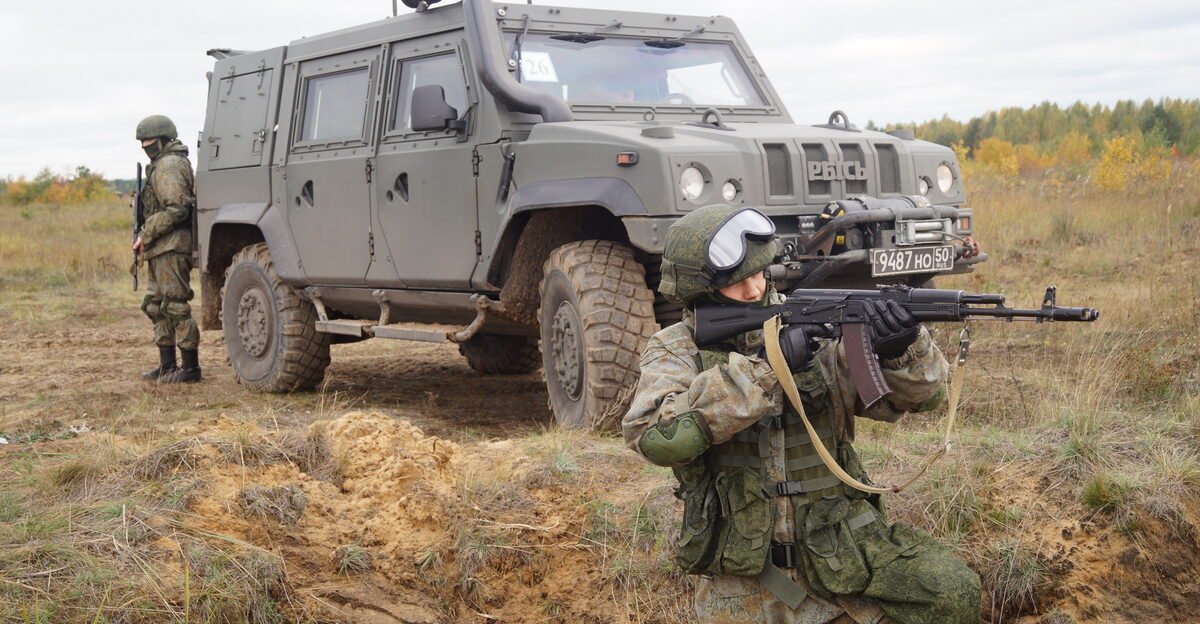
Russia’s defense ministry claimed significant advances in strategic Pokrovsk through house-to-house combat on Thursday. Russian forces allegedly seized 64 buildings in a day, yet Ukrainian officials contradicted claims while acknowledging extremely difficult conditions. Capturing Pokrovsk opens gateways to deeper advances toward Kramatorsk and Sloviansk.
President Zelenskyy reported that Russian troops outnumber Ukrainians 8 to 1 in some areas. Russia throws personnel at the problem while Ukraine targets energy infrastructure to cripple Russia’s ability to sustain ground offensives.
How Drones Changed Everything
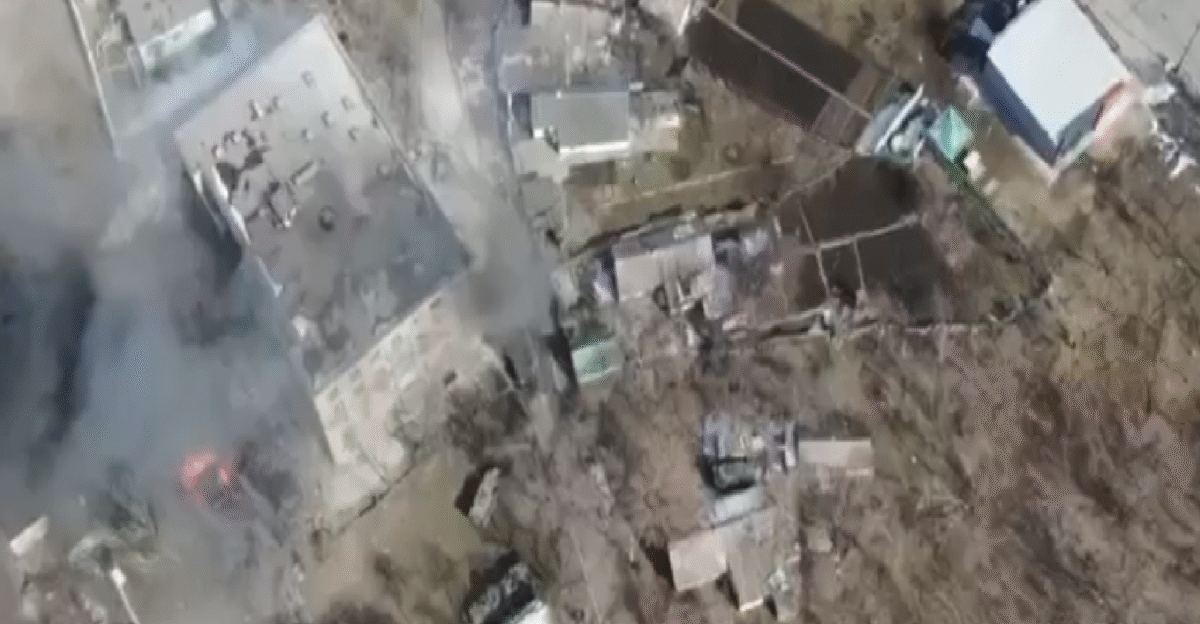
Ukraine pioneered large-scale drone deployment as a decisive combat force, creating what military commanders call a Drone Wall. Former Commander-in-Chief Valerii Zaluzhnyi argued that innovation remains the foundation of Ukraine’s sustainable resistance strategy against a numerically superior enemy.
Analysts estimate that more than 70 percent of 2025 battlefield losses on both sides result from drone operations. Cheap, domestically produced drones have offset military imbalances in ways that expensive long-range missiles cannot.
Evolution of the Kill Zone
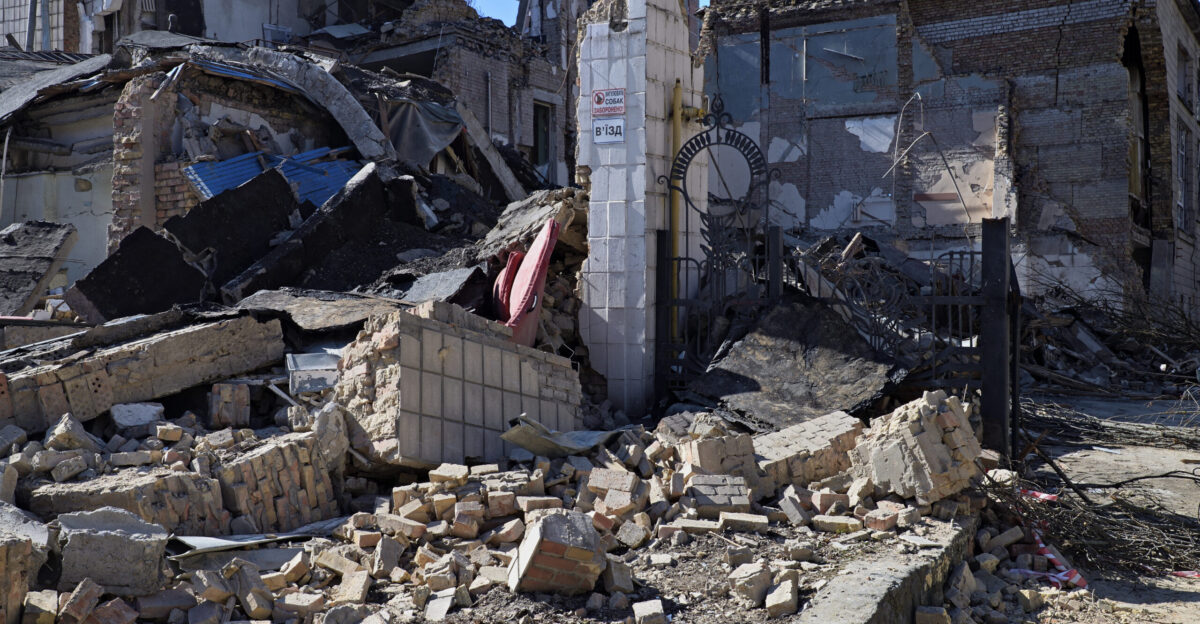
Both militaries now employ medium-range drones for strikes on targets 100 to 200 kilometers from the front, according to soldiers interviewed by Business Insider. This represents a fundamental shift in tactical doctrine—neither long-range nor short-range drone operations suffice alone.
Russian forces developed fiber-optic-controlled drones designed to resist jamming, creating new vulnerabilities for Ukrainian defenses. The battlespace expanded dramatically, with the kill zone stretching deeper into enemy territory than ever before.
The Gamification of Victory

Ukraine gamified drone warfare through a rewards program, letting military units earn points for confirmed kills, then spend them on Amazon-style military marketplaces. Mykhailo Fedorov, Ukraine’s Minister of Digital Transformation, revealed that tweaking the point system doubled the kill counts in a month.
Units like “Magyar’s Birds” accumulated over 16,000 points, purchasing hundreds of drones directly. The system motivates elite units while Ukrainian officials admit it’s made drone warfare significantly more efficient.
What Comes Next

Military analysts expect Ukraine’s energy infrastructure targeting to intensify because it represents high-impact pressure against Russia’s war economy. Ukraine’s domestically-produced drones now fly farther than ever, while Ukrainian forces have repeatedly struck 16 major Russian refineries representing 38% of Russia’s nominal refining capacity.
Coordinated drone strikes and Western sanctions have reduced Russian oil output in ways military victories cannot. Thursday’s attack was another chapter in the relentless economic strangulation that may prove more decisive than any battlefield victory.