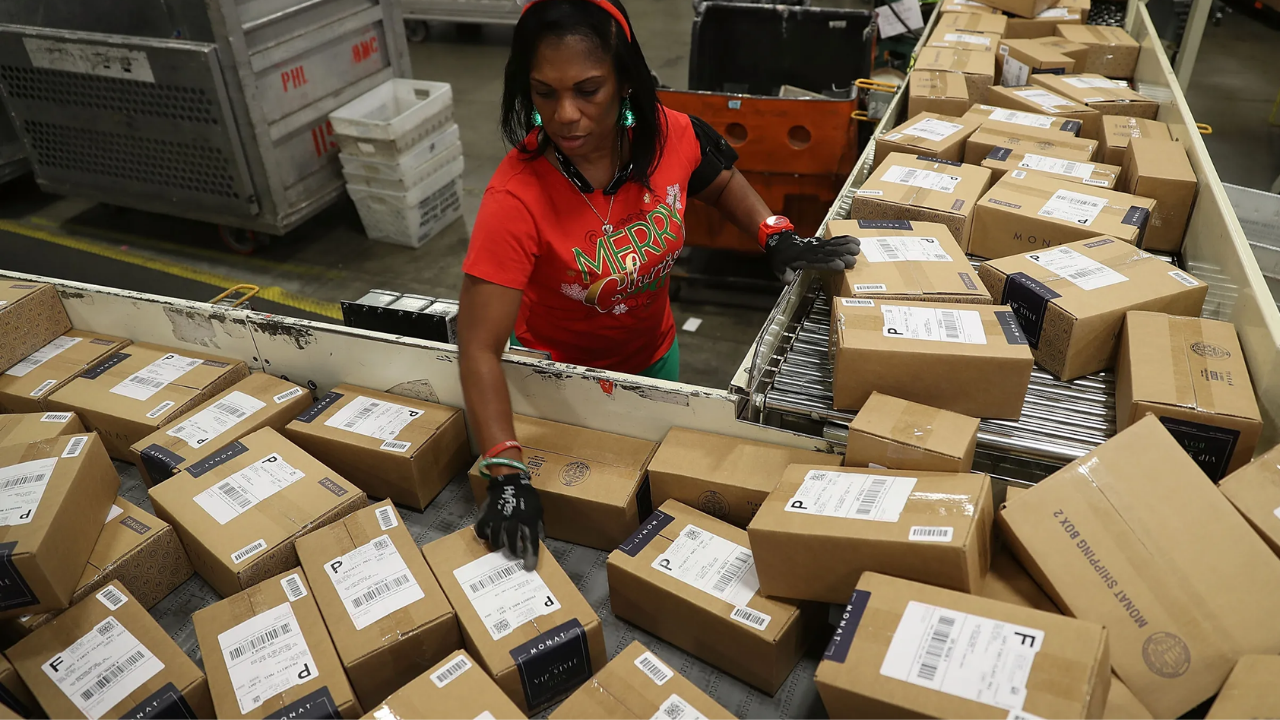
A fiery plane crash has halted operations at the world’s largest package-sorting center, freezing roughly 6% of the U.S. economy in transit. The deadly chain of explosions near Louisville triggered one of the worst logistics shutdowns in decades. Thousands of flights, workers, and deliveries now hang in uncertainty. Here’s what’s going on.
What Happened?
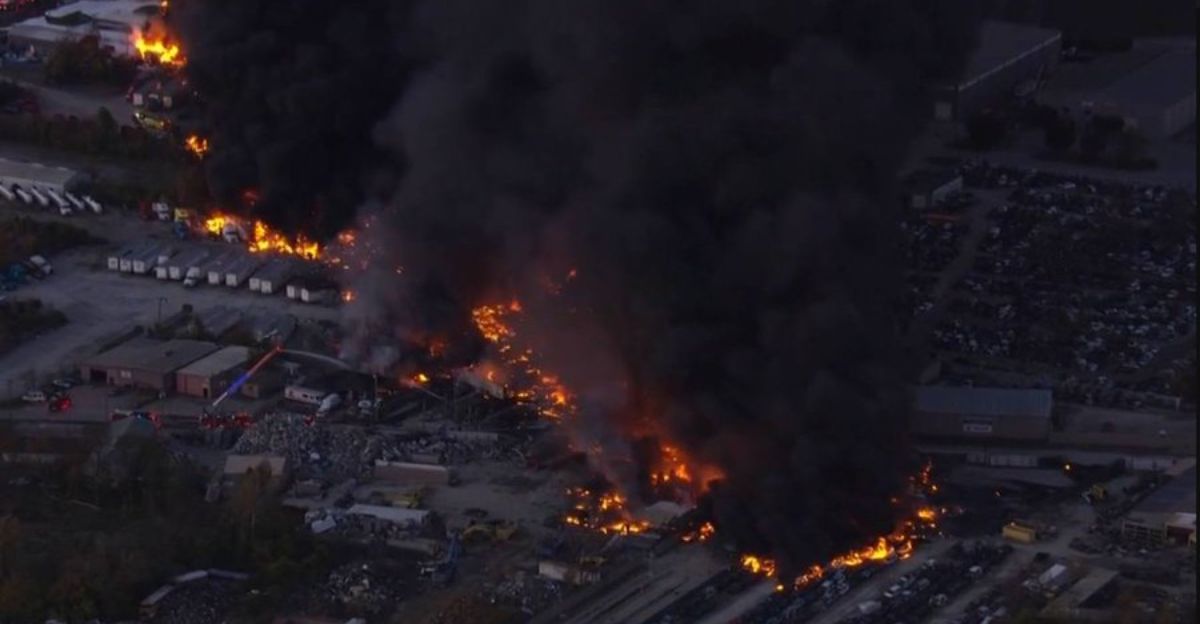
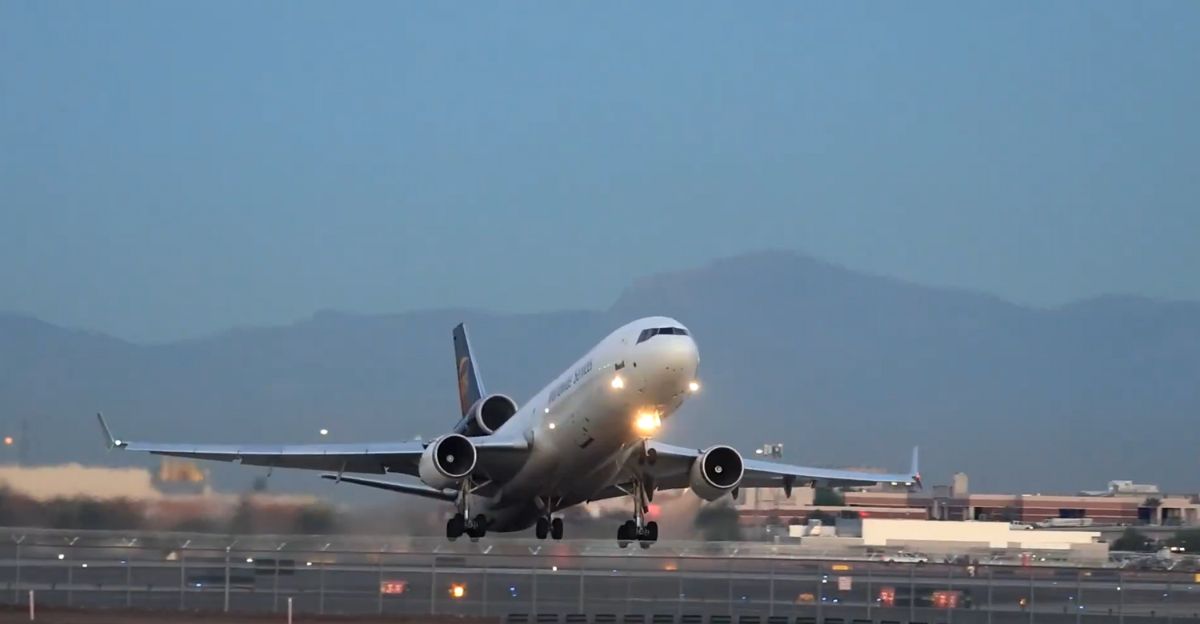
UPS Flight 2976, a McDonnell Douglas MD-11 cargo jet, crashed moments after takeoff from Louisville Muhammad Ali International Airport on 4 November 2025. The aircraft was bound for Honolulu, carrying 38,000 gallons of fuel. It erupted in flames less than two kilometers from the runway, destroying nearby buildings.
The tragedy left a trail of destruction, forcing UPS to halt all operations at its massive air hub—Worldport. But the scale of what followed went far beyond Kentucky.
A Fireball That Shook Louisville
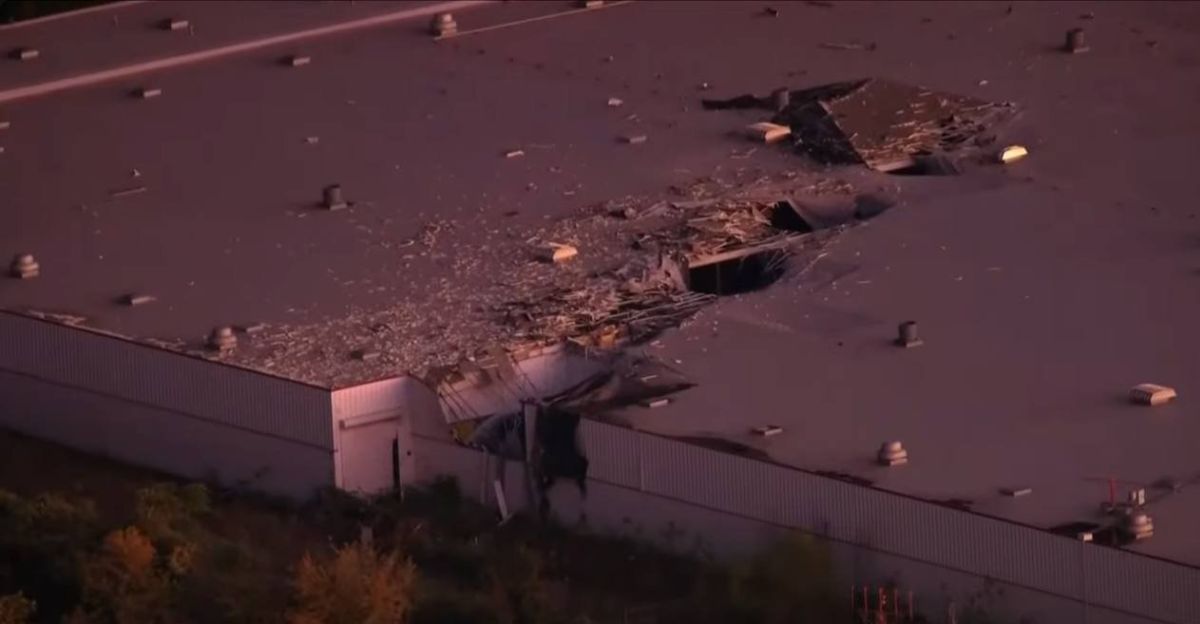
Airport footage showed the jet’s left engine detaching mid-takeoff before it slammed into an industrial area. The impact ignited fuel tanks, setting off secondary explosions at nearby businesses. A fire half a mile wide engulfed buildings, trapping workers and residents in a scene described as “apocalyptic.”
Fire crews battled the inferno for hours before the flames were contained. Yet as the smoke cleared, the full economic fallout was only beginning to unfold.
Lives Lost and Families Waiting
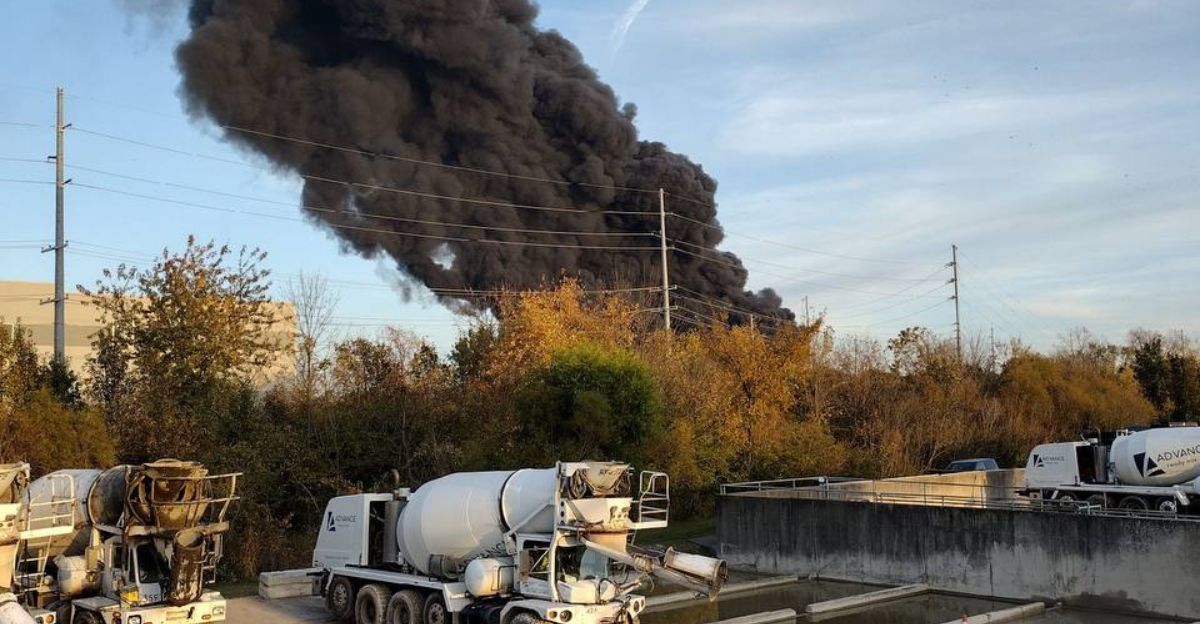
Twelve people were confirmed dead as of 6 November, including all three crew members aboard the aircraft and at least one child on the ground. Eleven others were hospitalized, two in critical condition. Three local workers remained missing, feared trapped in the wreckage.
Sixteen families reported missing relatives to the reunification center set up nearby. But for many, the hardest part was waiting for news that never came.
A City on Edge
Roughly 200 firefighters and 50 trucks flooded the crash site, led by Louisville Fire Chief Brian O’Neill. Kentucky Governor Andy Beshear declared a state of emergency to speed recovery. The nearby airport partially reopened the next day—but its busiest runway stayed closed indefinitely.
The immediate chaos slowly gave way to a new crisis—one stretching far beyond Louisville’s borders.
The Heart of America’s Shipping Network

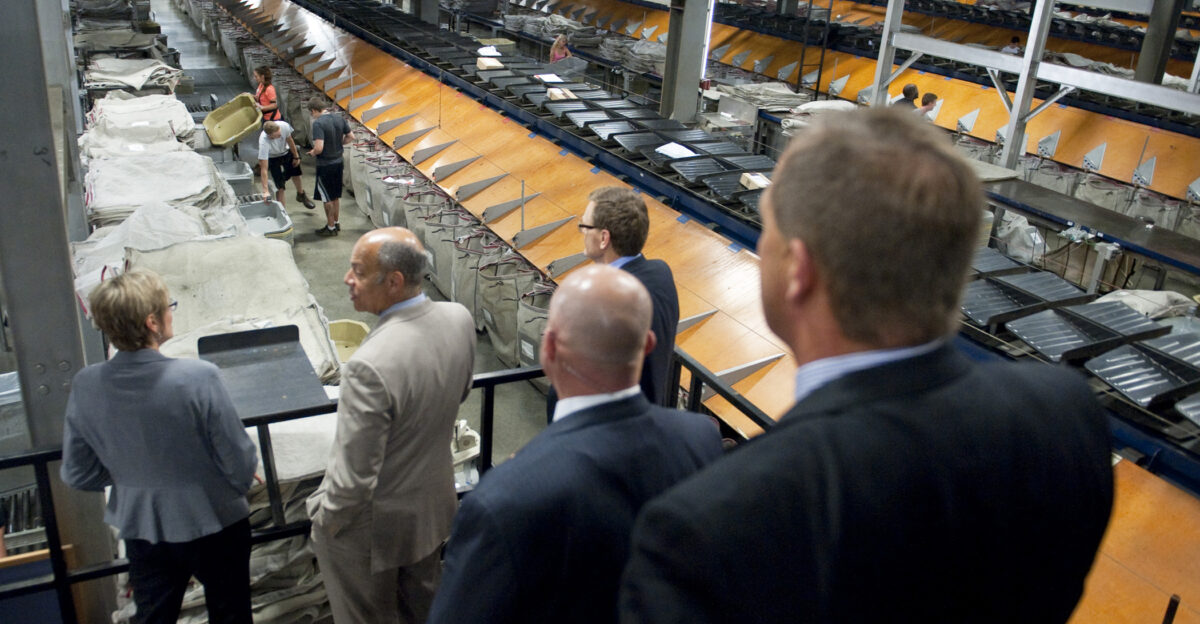
Worldport, the 5.2-million-square-foot facility at the center of UPS’s operations, handles more than 2 million packages each day. The complex processes nearly half of all UPS domestic flights and connect shipments to 220 countries worldwide.
Its sudden shutdown was equivalent to halting half of America’s air freight network overnight—a disruption felt from hospitals to homes.
Billions of Dollars on Hold
UPS transports goods equivalent to approximately 6% of the U.S. GDP, moving roughly 24 million packages daily. The crash effectively froze billions of dollars in trade mid-transit. Medical supplies, pharmaceuticals, and e-commerce orders were stranded in warehouses.
For small businesses and online retailers gearing up for the holiday season, even a 24-hour pause was devastating. Yet recovery would take far longer than that.
How the System Collapsed
The crash occurred just before the hub’s evening “sort,” when thousands of packages converge for overnight delivery. UPS immediately canceled its overnight and midday shifts, halting the processing of millions of parcels.
Flights already in motion had to reroute midair to regional hubs in Illinois and California. But those centers lacked Worldport’s immense capacity.
The Ripple Effect Nationwide

The U.S. Postal Service, which began relying on UPS for air cargo in 2024, experienced immediate delays in the delivery of Priority Mail and First-Class packages. Amazon, Walmart, and Target also experienced shipment slowdowns. Pharmaceutical companies, such as Merck, have warned hospitals of potential delayed deliveries.
Florida-based ABB Optical Group cautioned customers that contact lens shipments could face multi-day delays. But that was only the beginning.
“Facilities Were Never Designed to Replace Louisville”

“Regional hubs will take on a greater burden until that critical operation gets back to full capacity,” said Professor Tom Goldsby of the University of Tennessee on 5 November. His own UPS package was delayed that day.
ShipMatrix founder Satish Jindel agreed, warning that “facilities were never designed to replace Louisville.” And soon, those predictions proved true.
Why It Mattered So Much
Louisville’s location allows UPS planes to reach 95% of the U.S. population within four hours, making it one of the most strategic points in global trade. The airport ranked as the world’s fifth-busiest for cargo in 2024.
That centrality turned a local disaster into a national one. Every delayed parcel reflected a frozen link in the economy.
The Engine That Failed Mid-Takeoff
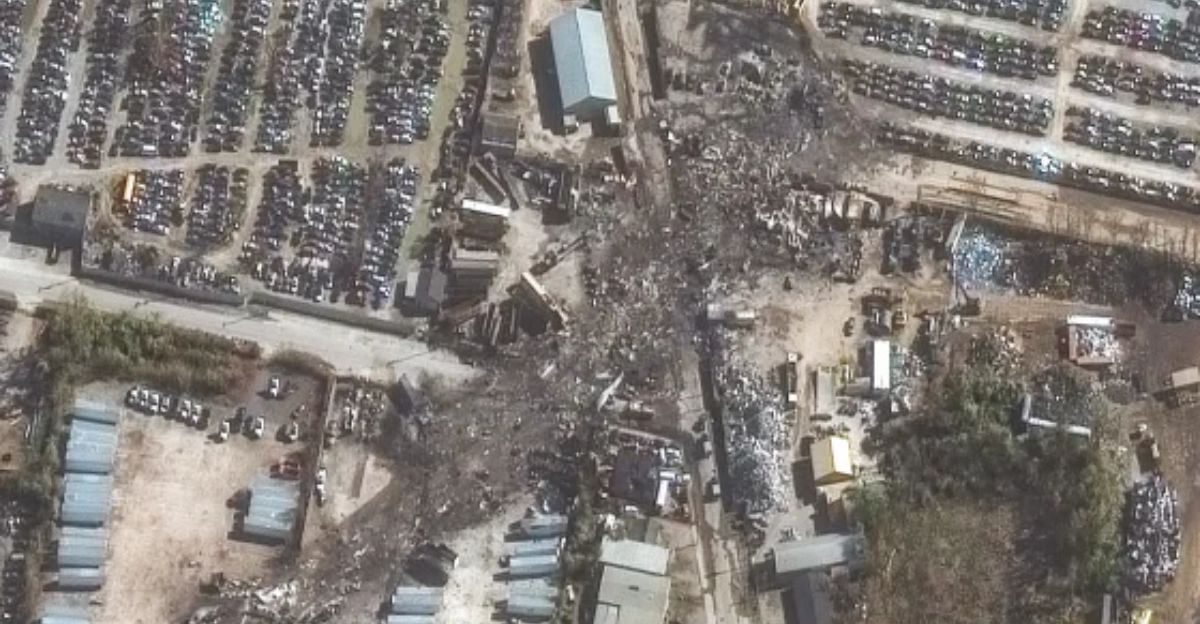
Investigators confirmed that the aircraft’s left engine had separated from the wing seconds before the crash. A fire had already erupted in the wing area. The NTSB is investigating whether metal fatigue, a maintenance issue, or a fuel leak contributed to the failure.
Board Member Todd Inman said, “This investigation could slow down a lot of important products—not just for this company, but for Americans across the world.” The remark underscored what was at stake.
Inside the Investigation
The NTSB deployed 28 investigators to Louisville, recovering both black boxes intact despite the heat. The detached engine was found on the airfield for analysis. Preliminary results are expected within a week, but a full report could take over a year.
Each new finding may reshape how cargo safety is regulated in the years ahead.
UPS Tries to Recover
UPS resumed partial operations the following evening, aiming to restore regular flights by Thursday morning. “Our goal is to return the network to a normal cadence,” spokesperson Jim Mayer said on 5 November.
However, with the west runway still closed and equipment damaged, sorting efficiency plummeted. The company’s contingency plans were put to the test.
A Company Already Under Strain
Before the crash, UPS was undergoing a massive restructuring—cutting 48,000 jobs and closing 93 facilities to reduce costs. Third-quarter profits had fallen to $1.3 billion from $1.5 billion the year before.
The crash hit just as those cuts left the network leaner and more vulnerable. Could UPS absorb a disaster of this scale so soon?
The Road to Recovery
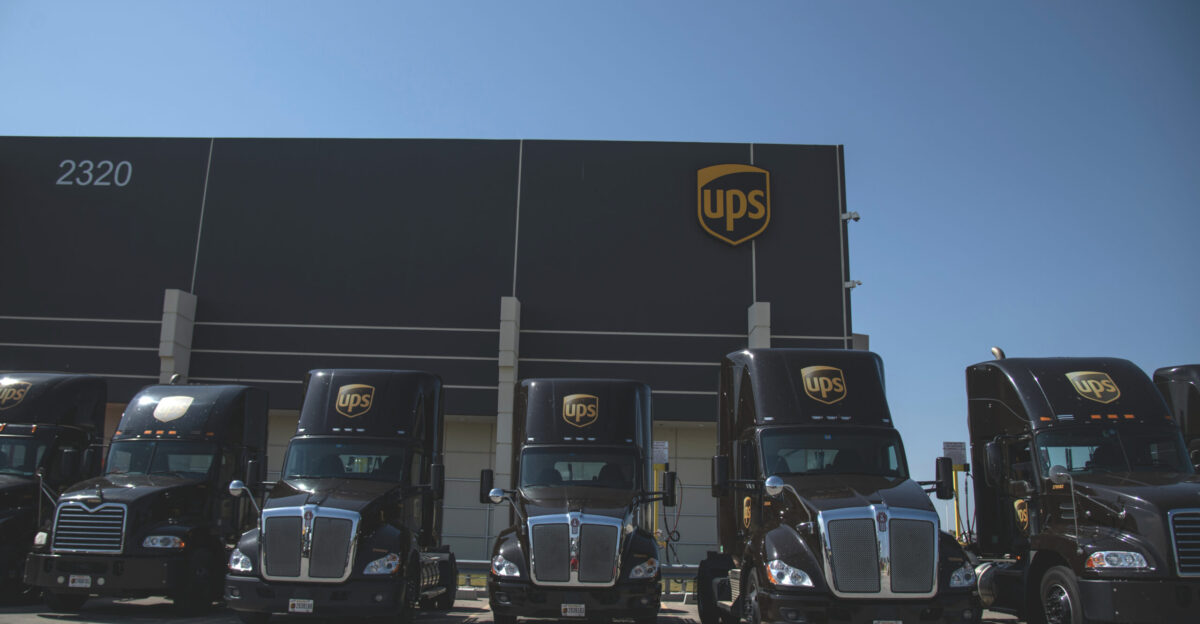
By 6 November, UPS flights began trickling back to their destinations, though delays persisted nationwide. The company faces weeks of backlogs as investigators continue to examine the wreckage. Louisville’s economy remains shaken, and the families affected are still waiting for closure.
For the rest of the country, it’s a stark reminder—America’s supply chain can stop in an instant.