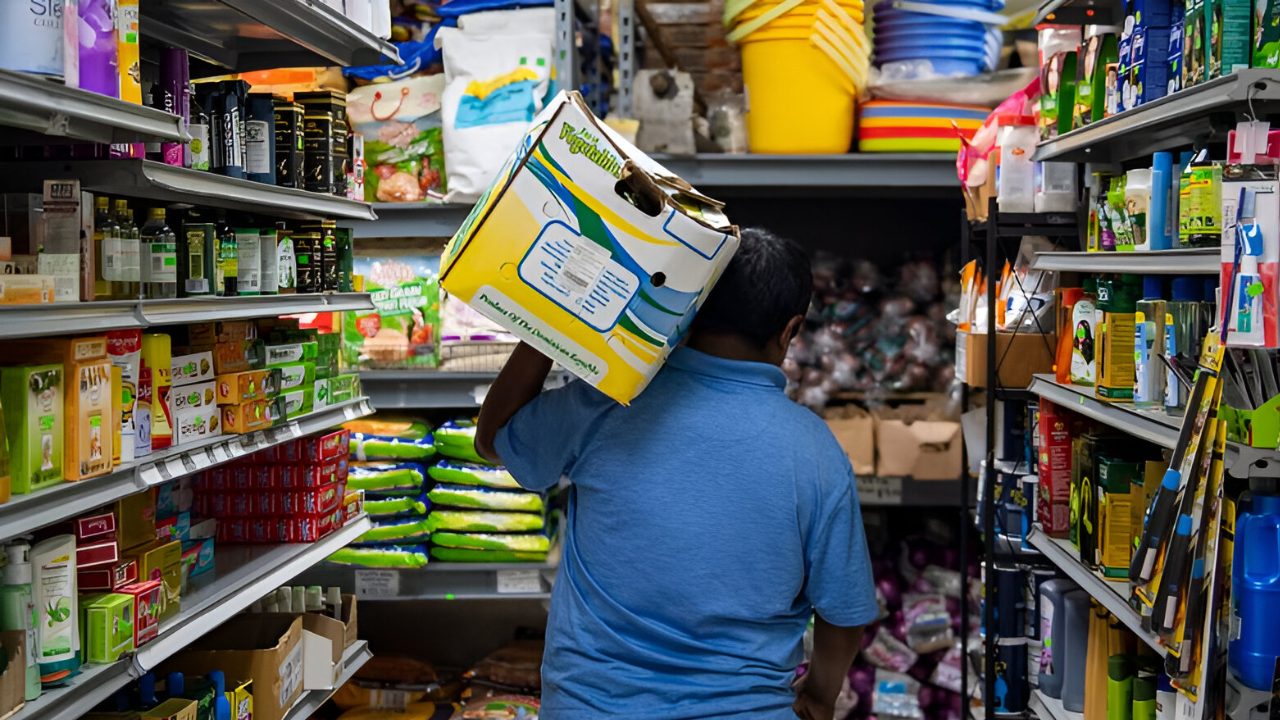
For nearly 100 years, Winn-Dixie has been a trusted grocery store across the American South. The chain began in 1925 when William Milton Davis purchased a small Miami grocery store with his father’s assistance, and it subsequently grew into something much larger.
By acquiring other stores, such as Lively Stores in 1931 and Winn & Lovett in 1939, Winn-Dixie became a household name. In 1952, it made history by becoming the first Florida-based company to list on the New York Stock Exchange.
At its peak in the early 2000s, Winn-Dixie operated over 1,000 stores across five Southern states, including the Bahamas. However, times have changed, and the company is now withdrawing from four states: Alabama, Georgia, Louisiana, and Mississippi.
In October 2025, Winn-Dixie’s parent company announced it would close or sell 40 stores in these states and refocus its business almost entirely in Florida. This marks the end of an era for many small towns, where Winn-Dixie has been an integral part of community life for generations.
Why Winn-Dixie Couldn’t Compete

The downfall of Winn-Dixie started with big competition from discount stores like Walmart Supercenters and budget chains. By 2004, Walmart had opened stores within 10 miles of 80 different Winn-Dixie locations, prompting customers to start shopping elsewhere.
The company couldn’t keep up with the lower prices, and by 2005, Winn-Dixie ran out of money and filed for bankruptcy. That year alone, the company closed 326 stores and laid off more than 22,000 workers. Although Winn-Dixie emerged from bankruptcy two years later, it never regained its former strength.
More recently, in 2023, Aldi acquired approximately 400 Winn-Dixie and Harvey’s stores, converting many of them into Aldi’s discount format. Today, discount stores are winning because they offer prices up to 20% lower than traditional supermarkets.
In 2025, Aldi saw almost 30% more customer traffic compared to just 1% growth for regular grocery stores. The profit that grocery stores make has also shrunk—from about 5% down to below 3% in many areas—making it harder for older chains, such as Winn-Dixie, to survive in this new world.
What Happens to Communities Now
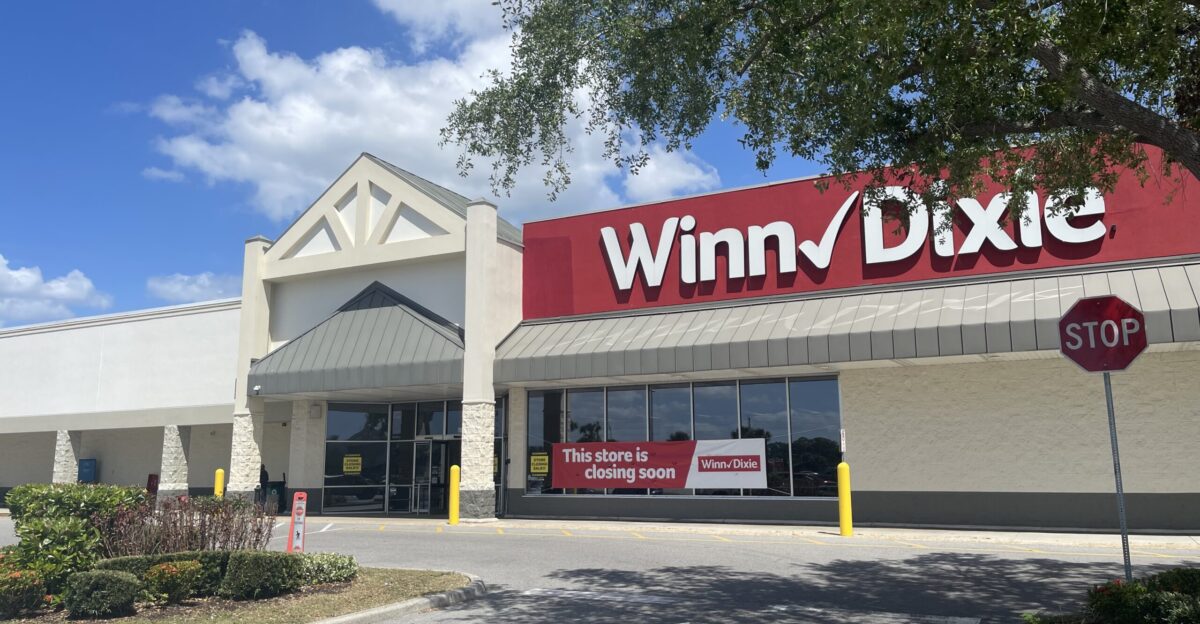
The current store closures will significantly impact communities, particularly in Alabama, where Winn-Dixie will close or sell all 20 locations by the end of 2025. Each store employs approximately 80 people, so the company will eliminate roughly 1,600 jobs in Alabama alone, with thousands more disappearing across the region.
Workers worry about losing their jobs, facing unclear severance pay, and experiencing slow communication from management. Beyond job losses, communities are also concerned about food deserts—areas where people struggle to find affordable, fresh groceries.
The U.S. Department of Agriculture already ranks Alabama, Mississippi, and Louisiana among the states with the highest rates of food insecurity, so losing Winn-Dixie exacerbates the problem. Some stores are being sold to other grocers, such as Food City, Super 1 Foods, and Piggly Wiggly, but many communities are unsure who will take over their local stores.
The company’s new CEO, Anthony Hucker, who previously worked at Aldi and Walmart, is leading Winn-Dixie through this transformation. Under his leadership, the company is shrinking to approximately 130 grocery stores and 140 liquor stores, primarily located in Florida and a few towns in southern Georgia.
The reorganization is expected to be completed by early 2026, although only seven of the 40 affected stores have confirmed new owners so far. As Winn-Dixie marks its 100th year, its shift to focus solely on Florida may help the company survive, but for many people across the South, this change represents the loss of a piece of their town’s history and way of life.