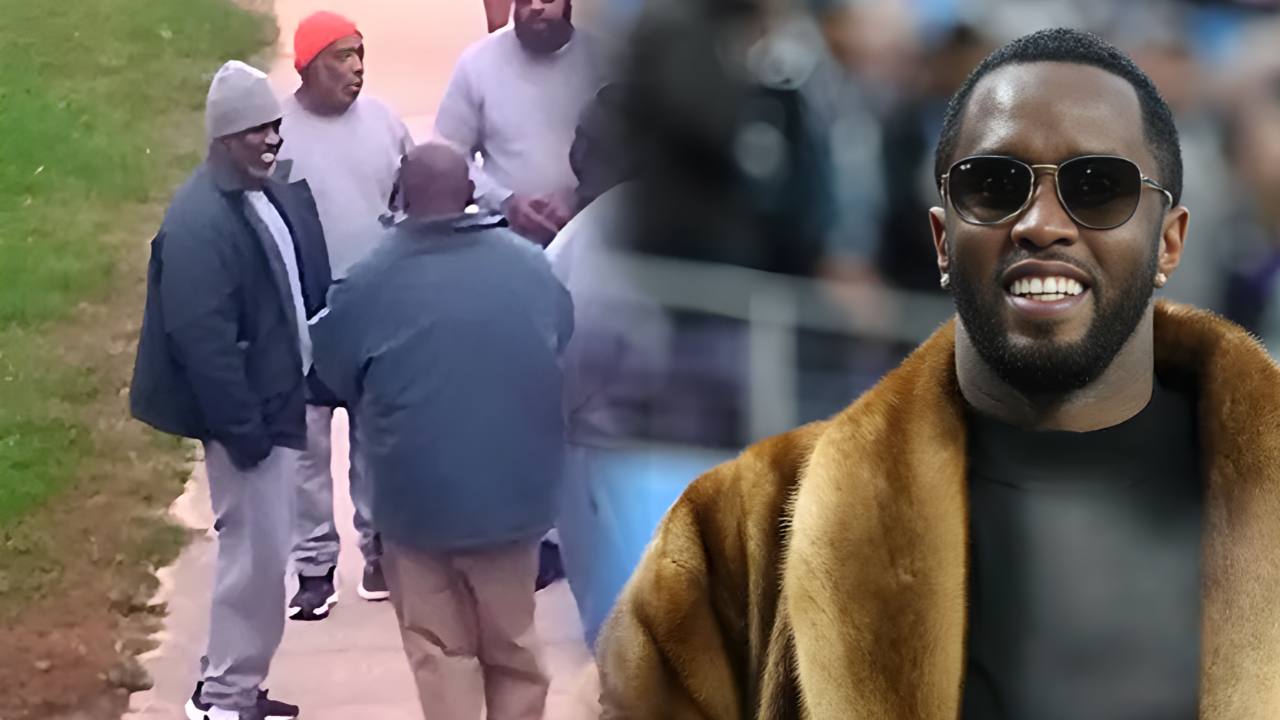
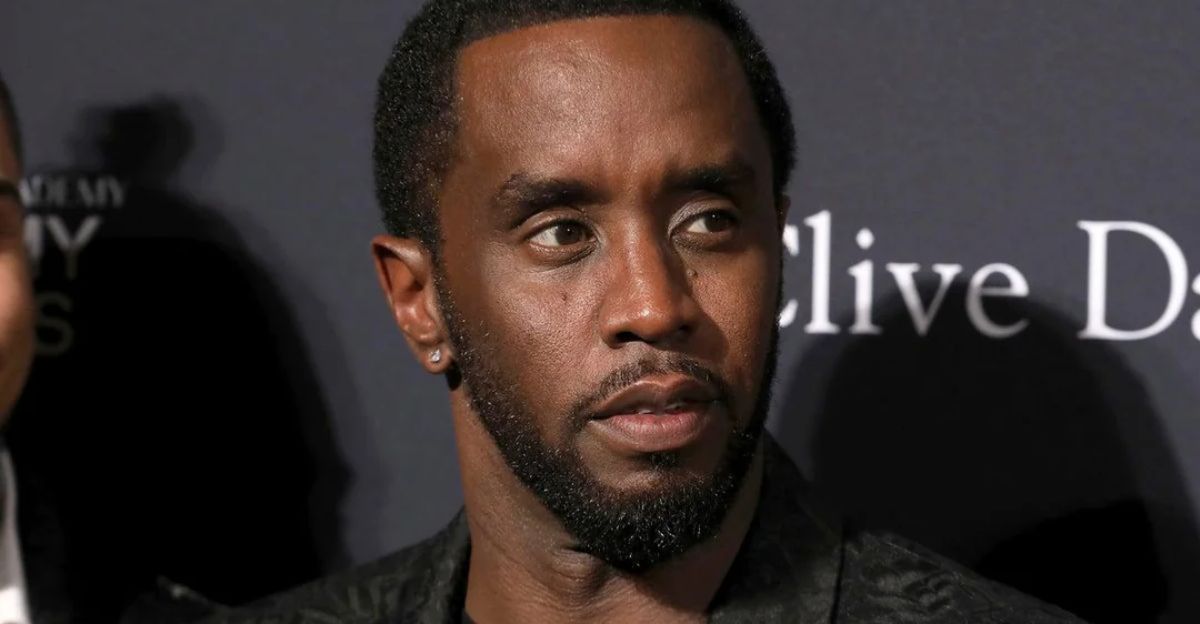
On October 31, 2025, the world saw a striking new image of Sean “Diddy” Combs. The viral prison photo showed him at FCI Fort Dix, New Jersey, with a graying beard and subdued demeanor. This marked a dramatic turn for a man once synonymous with celebrity and success.
His journey from the heights of fame to the confines of a federal prison cell has ignited national debate about justice, accountability, and the realities of incarceration for high-profile figures.
A Fall from Grace
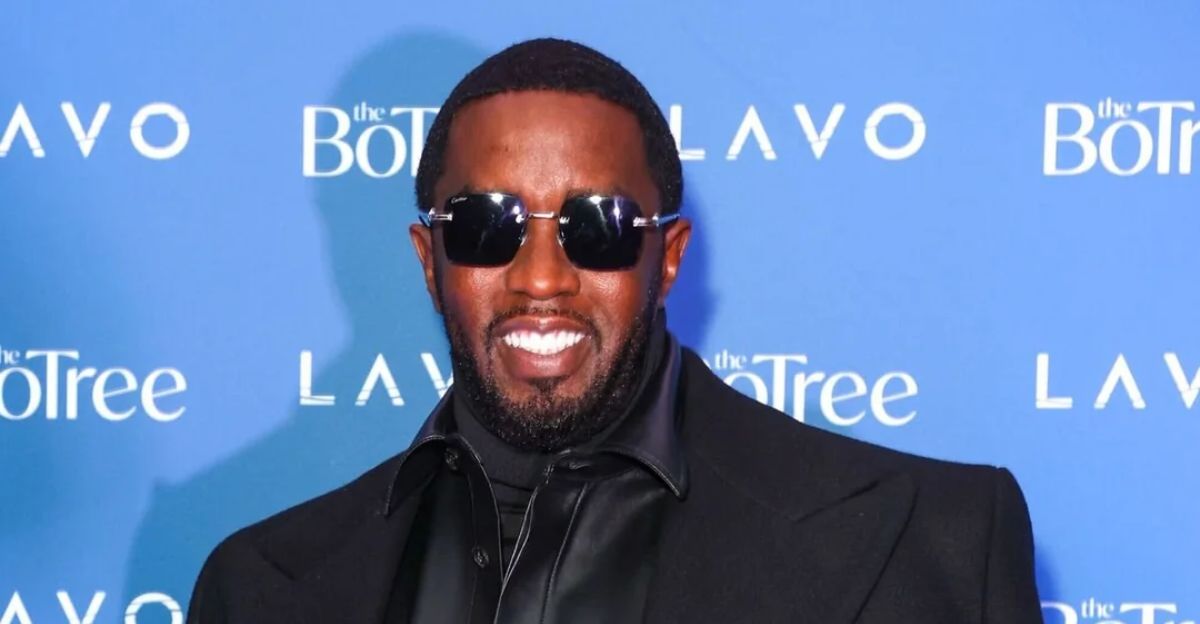
Sean Combs built an empire that spanned music, fashion, and spirits, amassing substantial wealth and influence. His work shaped the sound of a generation and set new standards for Black entrepreneurship in America. But in September 2024, authorities arrested Combs.
He was later convicted on two counts of transportation for prostitution, charges linked to a broader federal investigation into sex trafficking. The conviction stunned the entertainment world and signaled a rare moment of legal reckoning for a celebrity of his stature.
Inside Fort Dix: Life as an Inmate
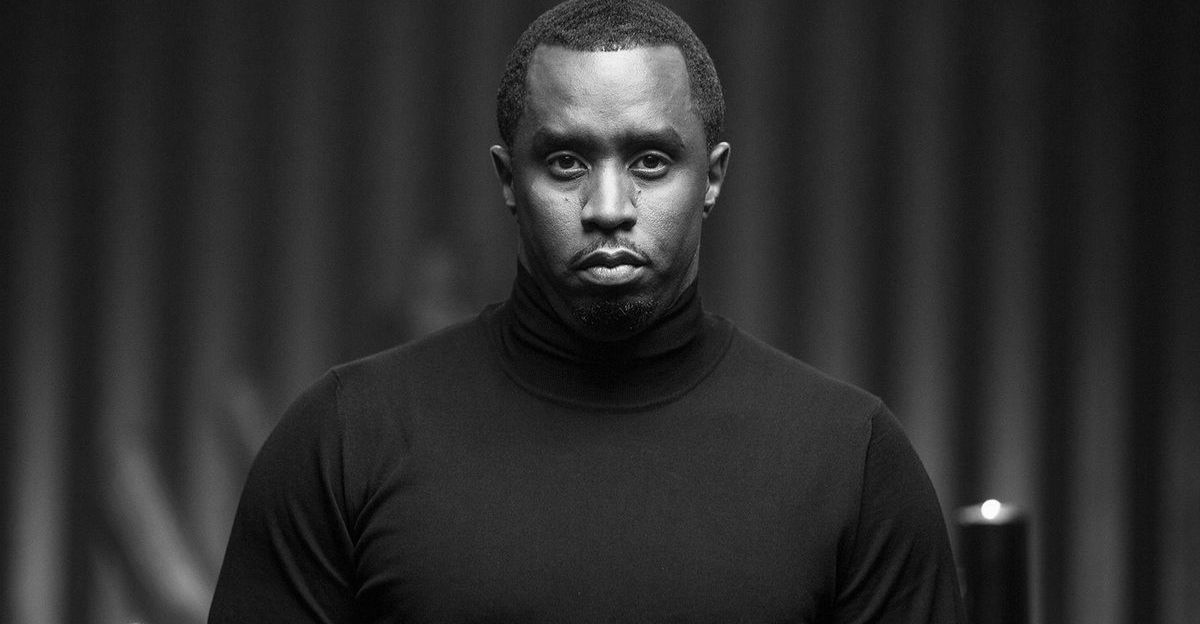
Authorities transferred Combs from MDC Brooklyn to FCI Fort Dix in October 2025 after over a year in custody. He now serves his sentence at this low-security federal prison, which is known for housing white-collar offenders. The move brought him closer to his family. It allowed more frequent visits and supported his participation in a Bureau of Prisons drug treatment program.
Combs’s daily life contrasts starkly with his former world of red carpets and private jets. Prison officials assigned him to the facility’s laundry. He spends hours washing and drying clothes for fellow inmates. This routine task underscores the equalizing force of incarceration.
The physical and emotional toll of prison is evident. Reports describe Combs as “unrecognizable.” His once-vibrant appearance has been replaced by a weary, aged look. Experts note that such transformations are common. The stress of incarceration, especially for high-profile individuals, can accelerate physical decline. The loss of autonomy and public scrutiny only adds to the burden.
Accountability and Public Debate
Combs’s conviction and incarceration have fueled intense public discussion about celebrity justice. For years, critics argued that wealth and fame shielded stars from the consequences of their actions. The outcome of Combs’s case has been cited as evidence that the legal system can hold even the most powerful accountable.
The case has also drawn international attention, with comparisons to similar high-profile convictions abroad. In the United Kingdom, entertainer Rolf Harris’s imprisonment for sexual offenses was seen as a watershed moment for British celebrity culture. A global shift toward holding public figures to account continues to gain momentum.
Seeking Redemption
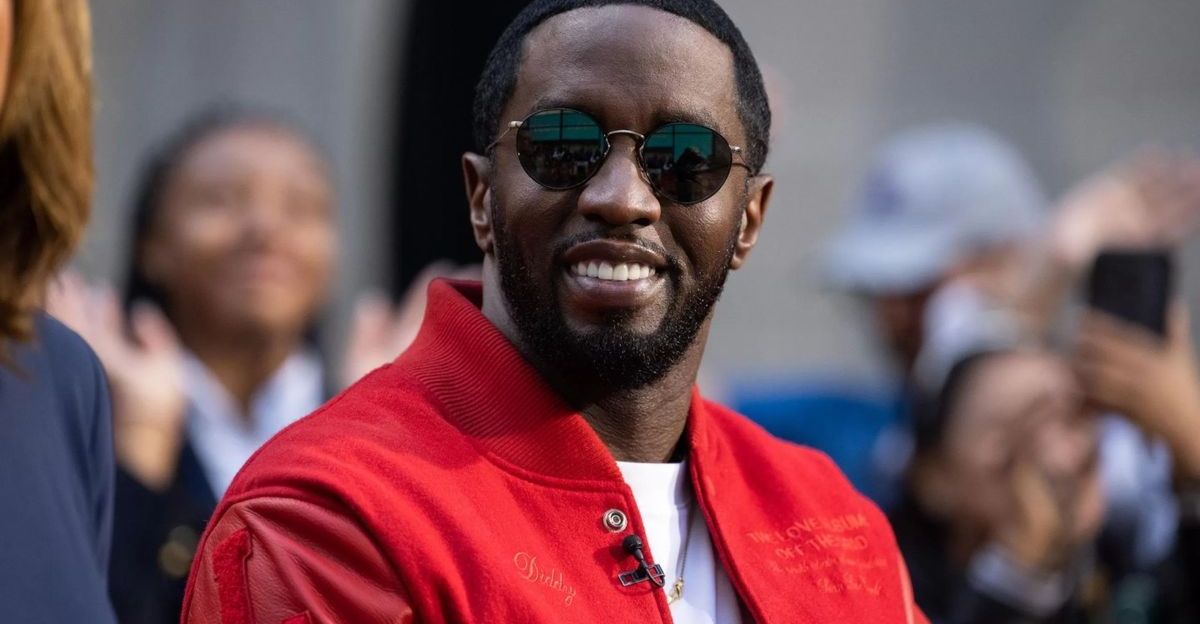
Despite the harsh realities of prison life, Combs has sought to make a positive impact behind bars. While at MDC Brooklyn, he launched “Free Game With Diddy,” a business skills course for inmates. He aimed to share entrepreneurial knowledge and inspire hope among fellow prisoners.
Combs’s legal team has filed an appeal, arguing that his sentence is excessive given his age and the nature of the offenses. The federal appeals process could take up to two years. The outcome remains uncertain. Meanwhile, his proximity to family at Fort Dix has provided some comfort. Regular visits help him maintain emotional resilience.
Implications for Justice and Celebrity
The saga of Sean “Diddy” Combs continues to captivate the public. It raises enduring questions about fame, justice, and the potential for redemption. His journey from global icon to federal inmate serves as a stark reminder that the law recognizes no exemptions for celebrities.
As his appeal progresses and his sentence is carried out, the case will remain a touchstone in debates over accountability, rehabilitation, and the evolving relationship between power and justice in America and beyond.