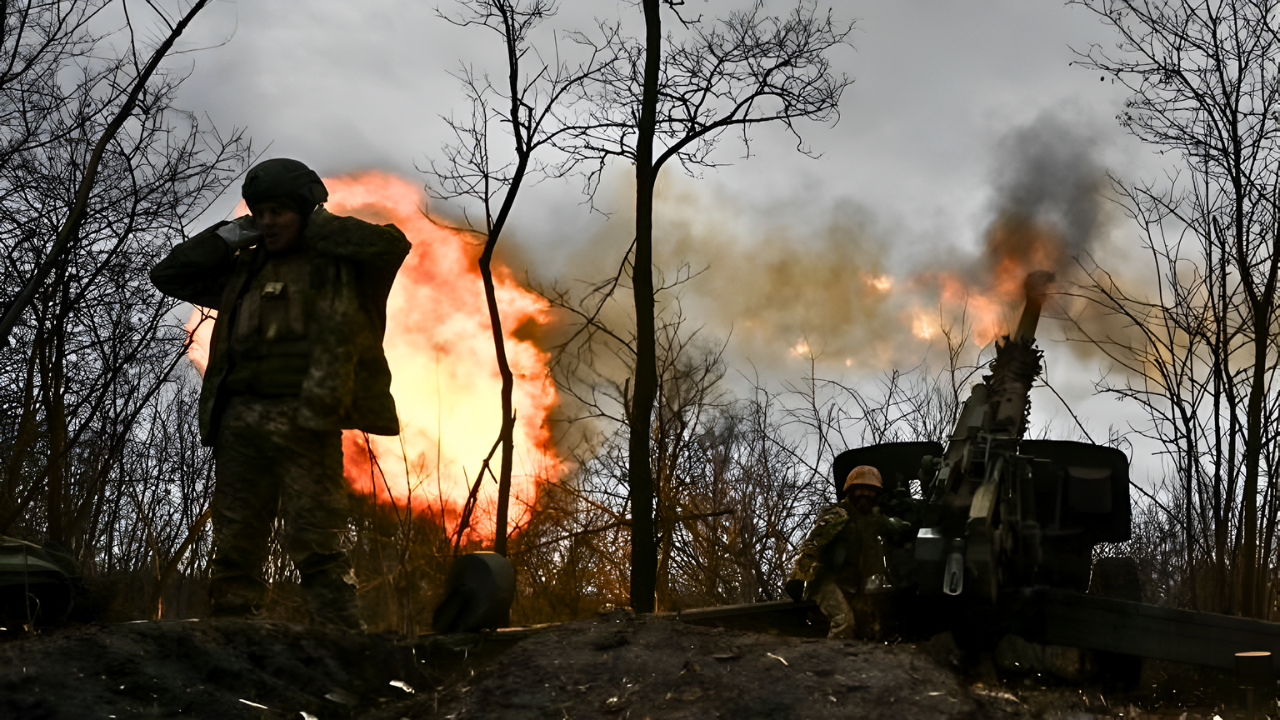
In a calculated nighttime operation, Ukraine’s Defense Intelligence struck deep into Russian-occupied Crimea, destroying a key command and radar post worth an estimated $150 million. The attack didn’t just level buildings—it pierced Russia’s sense of invincibility.
Experts say the blow has weakened Moscow’s prized air-defense network across the Black Sea, exposing real vulnerabilities in systems once marketed as untouchable.
Under the Cover of Darkness
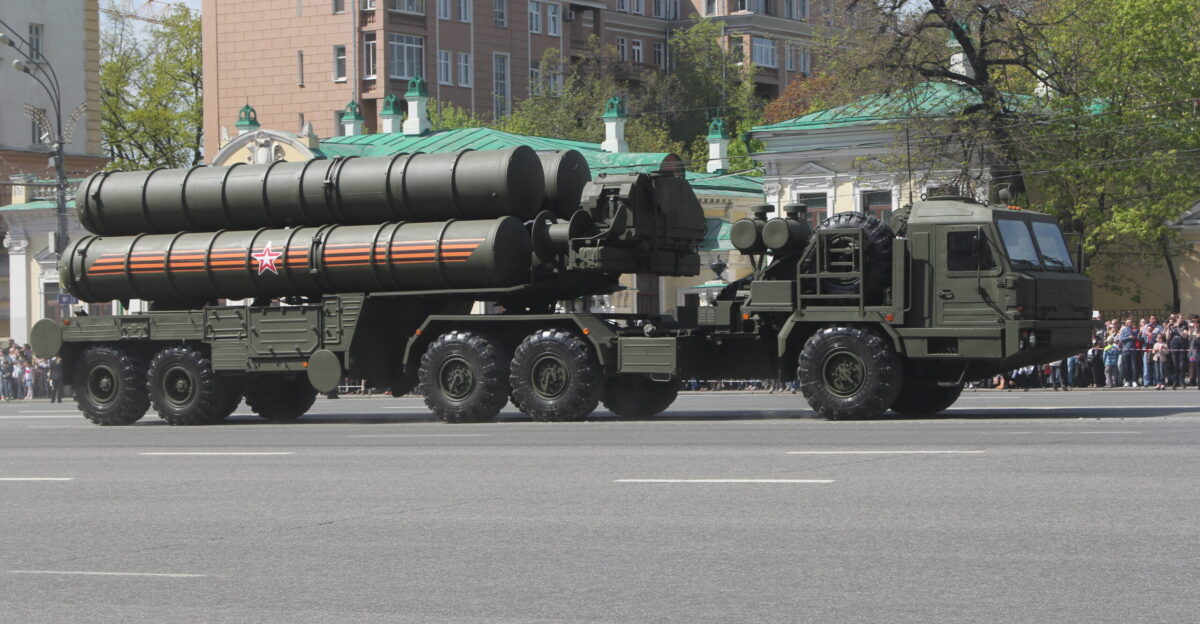
The strike unfolded between November 1 and 2, 2025, when Ukrainian special forces guided by precise reconnaissance targeted a Russian S-400 “Triumf” air-defense battalion command post. Working from verified coordinates and satellite data, the operation was swift and methodical.
Within hours, several high-value radar systems in northern Crimea had gone silent, leaving Russian operators scrambling for answers in the blackout.
The Core of Russia’s Shield
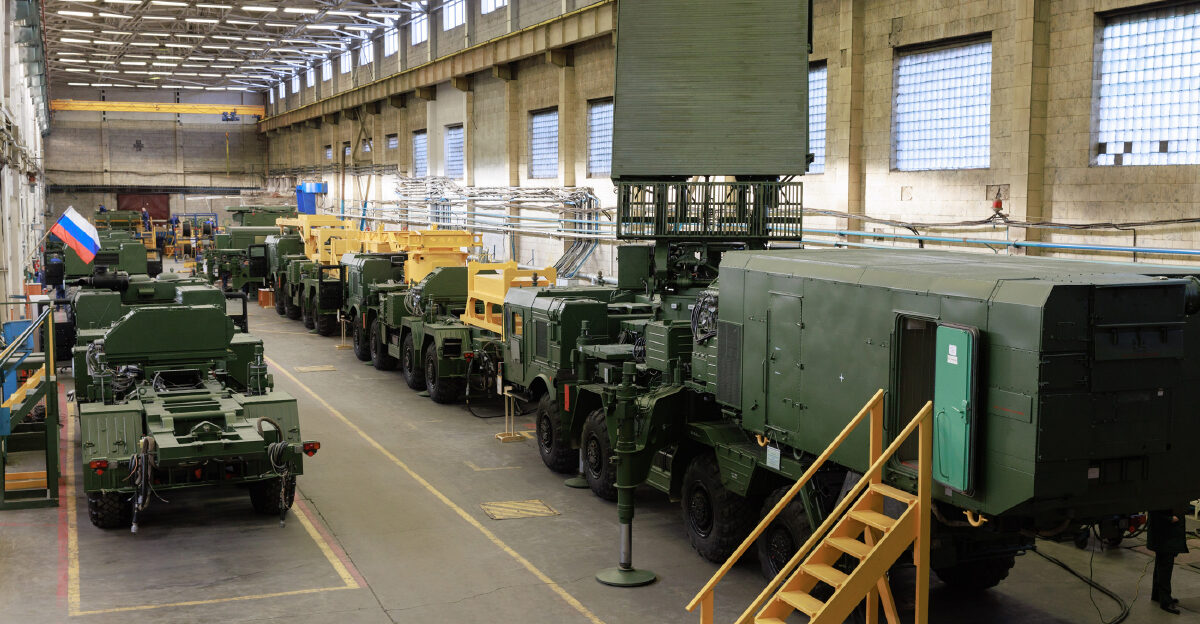
At the center of the destruction was the 92N6E multifunction radar—the S-400’s “brain” that directs interceptors across a 600-kilometer range. Ukraine’s intelligence confirmed that this radar, along with its autonomous power unit, was obliterated.
Also lost: an AORL-1AS airfield surveillance radar and a P-18 “Terek” system. Together, they formed the eyes and ears of Russia’s layered air-defense grid over Crimea.
Visual Proof from Ukraine
Ukraine’s Defense Intelligence (DIU) released satellite imagery and video footage on November 3 showing charred wreckage and burned-out radar domes. Independent analysts verified the geolocation of the strike sites, confirming the scale of the damage.
The DIU described it as another “high-value target eliminated” in its ongoing campaign to dismantle Russia’s most advanced defenses in occupied territory.
A Price Tag Measured in Millions
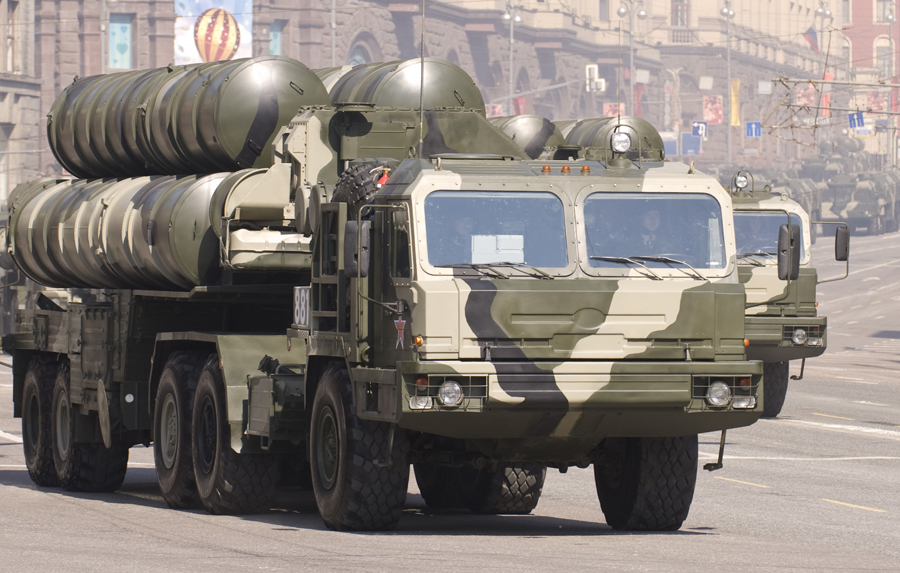
Western defense economists estimate the combined losses from this single operation at over $150 million. The 92N6E radar alone is valued at nearly $50 million, while the broader S-400 battalion infrastructure—comprising command systems, power units, and communication nodes—could push the total far higher.
Beyond equipment costs, analysts emphasize the months or even years required to restore operational capacity fully.
Russia’s “Invincible” Image Fractures
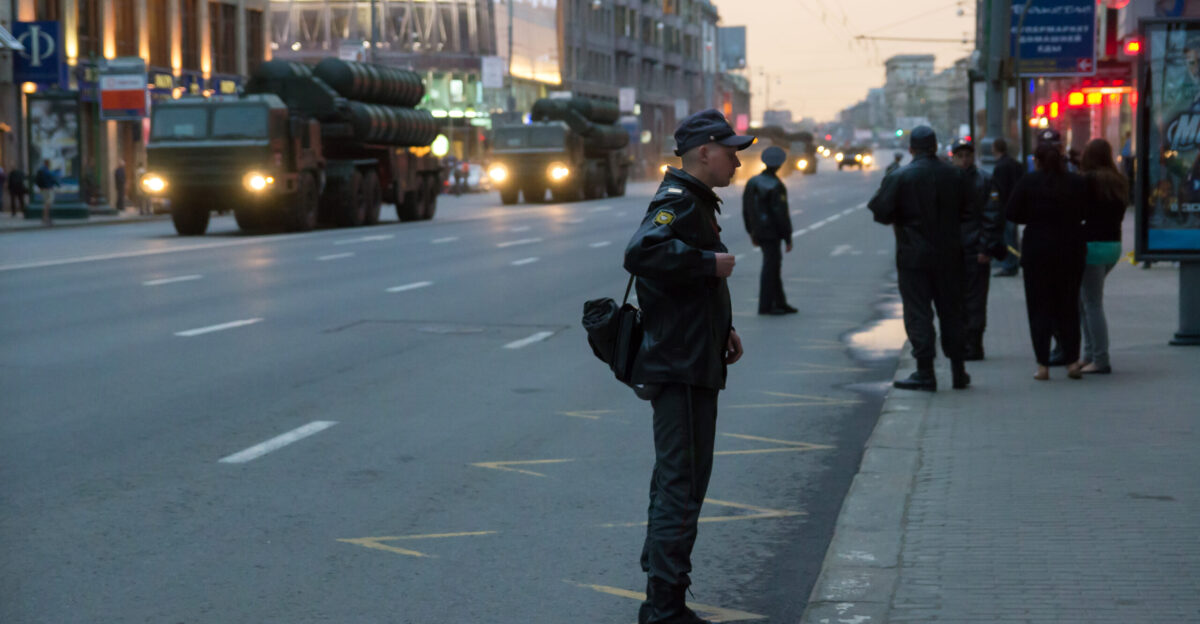
For years, Moscow promoted the S-400 as proof that Crimea was impenetrable. Now, that narrative has cracked. The loss of its most advanced radar assets exposes a truth long whispered by Western observers: even Russia’s premier systems have blind spots.
The psychological damage may rival the physical destruction, shaking faith among commanders and the public alike.
Strategic Blind Spots Open
The elimination of multiple radars has created a vast surveillance gap—potentially more than a million square kilometers—across the Black Sea and southern Crimea.
That coverage loss could allow Ukrainian drones and missiles to operate more freely, increasing risks for Russian naval and air assets stationed in the region. “It’s a serious degradation,” one defense analyst told Reuters.
Moscow Downplays the Blow
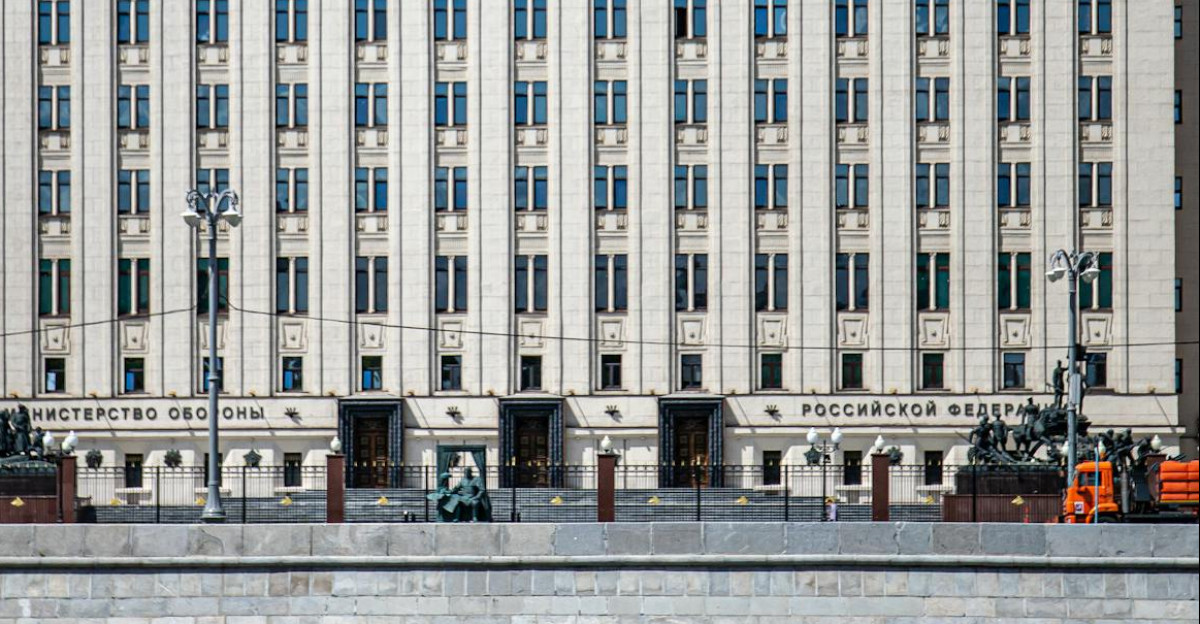
Russia’s Defense Ministry offered few details, claiming that “Crimean defenses remain fully operational.” State media largely ignored the specifics of the radar losses. Yet satellite imagery tells another story: blackened craters where the systems once stood.
Analysts say the Kremlin’s muted response reflects a growing pattern—acknowledge the strike, deny the scale, and rush replacements.
The Tech Behind the Triumph
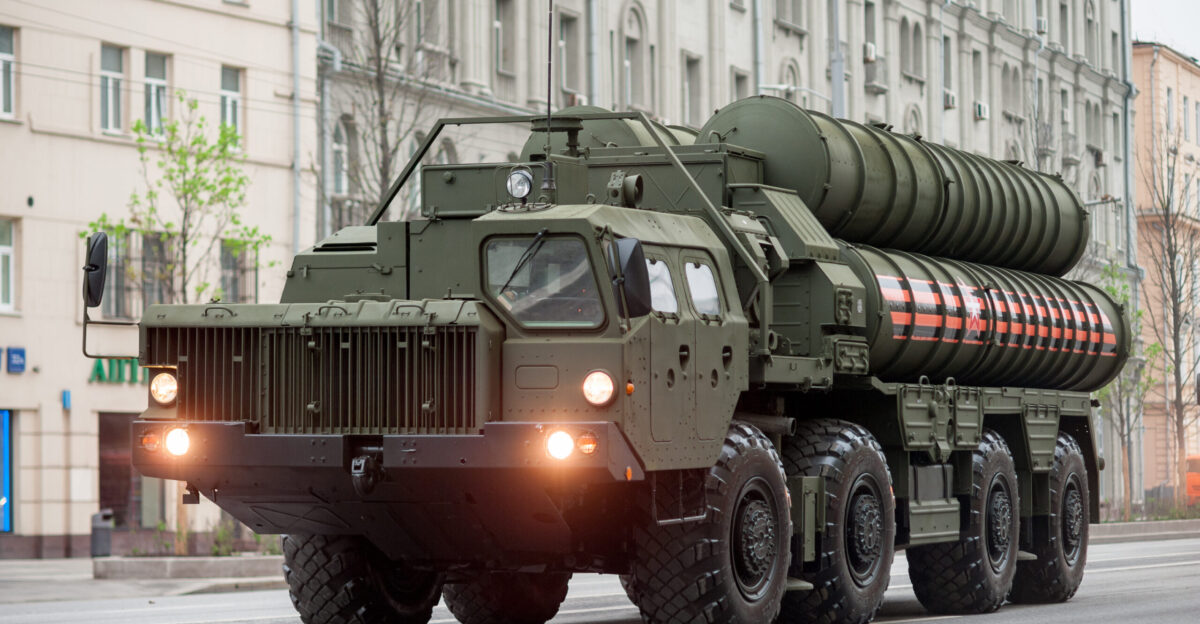
The S-400 “Triumf” is Russia’s flagship air-defense weapon, designed to intercept aircraft and missiles at long ranges. Each battalion costs roughly $500 million and anchors the layered network guarding Crimea.
But as Ukraine repeatedly proves, even advanced systems falter when faced with precision intelligence, adaptive tactics, and Western-supplied technology that’s constantly evolving faster than Russian countermeasures.
The “Ghosts” Return
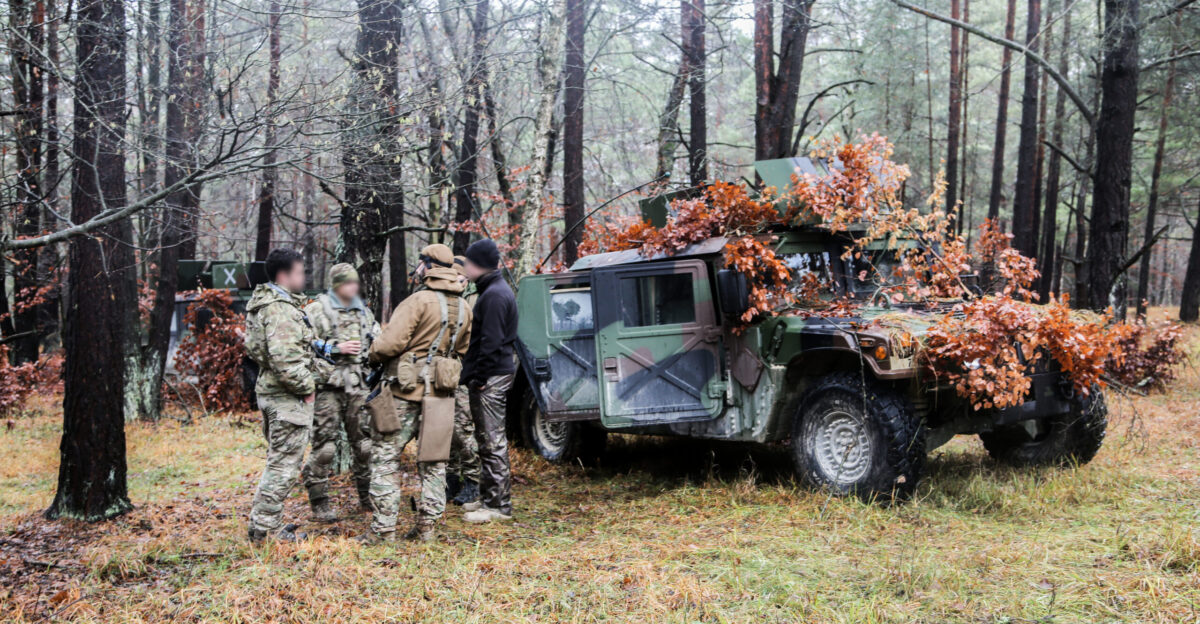
The strike was carried out by a special operations group known as “Prymary,” or “the Ghosts,” within Ukraine’s Defense Intelligence. The same unit has been linked to earlier attacks that destroyed radar stations and Russian landing craft in Crimea.
Their missions follow a clear pattern: blind Russia’s sensors, erode its confidence, and reclaim initiative through stealth and precision.
Building Toward a Pattern
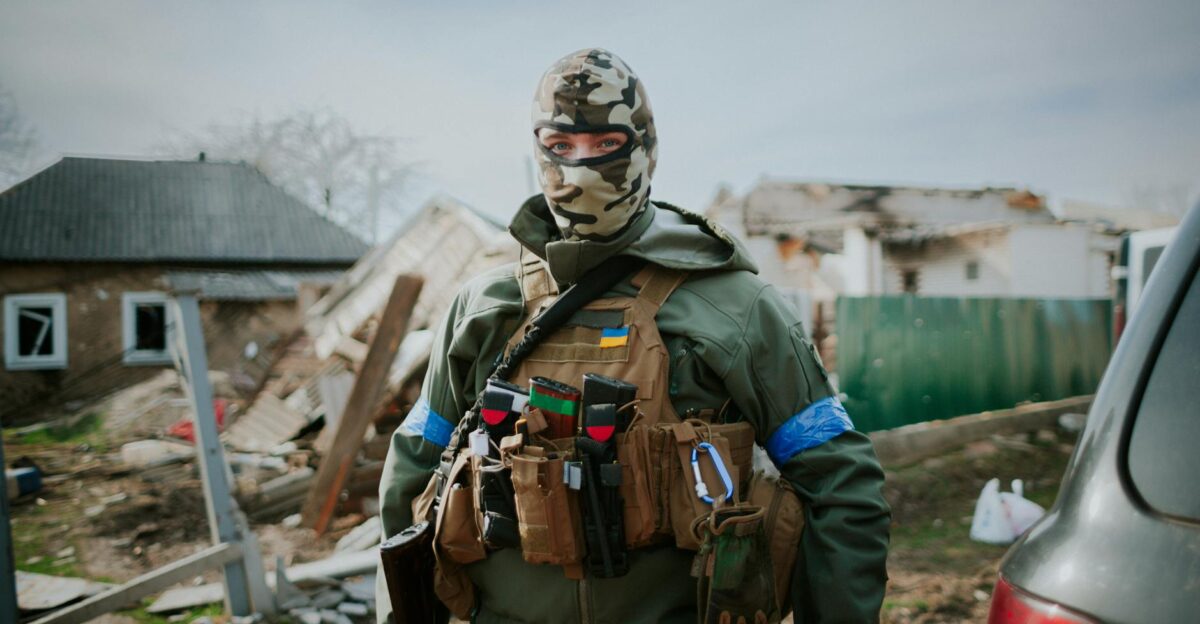
Since September 2025, Ukraine has targeted at least half a dozen major radar or missile systems across Crimea. Each successful hit narrows Russia’s defensive umbrella.
Experts note that the DIU’s growing proficiency in deep strikes signals a new phase of the war—one where Ukraine can reach far behind enemy lines with surgical accuracy.
Expert Assessments Pour In

Western military observers describe the operation as “a calibrated, intelligence-driven blow.” According to open-source verification groups, Ukraine combined satellite reconnaissance, OSINT data, and real-time drone feeds to plan the strike.
The result was not just destruction, but humiliation for Moscow’s top-tier defense network, which failed to detect or stop the incoming assault.
Consequences Across the Black Sea
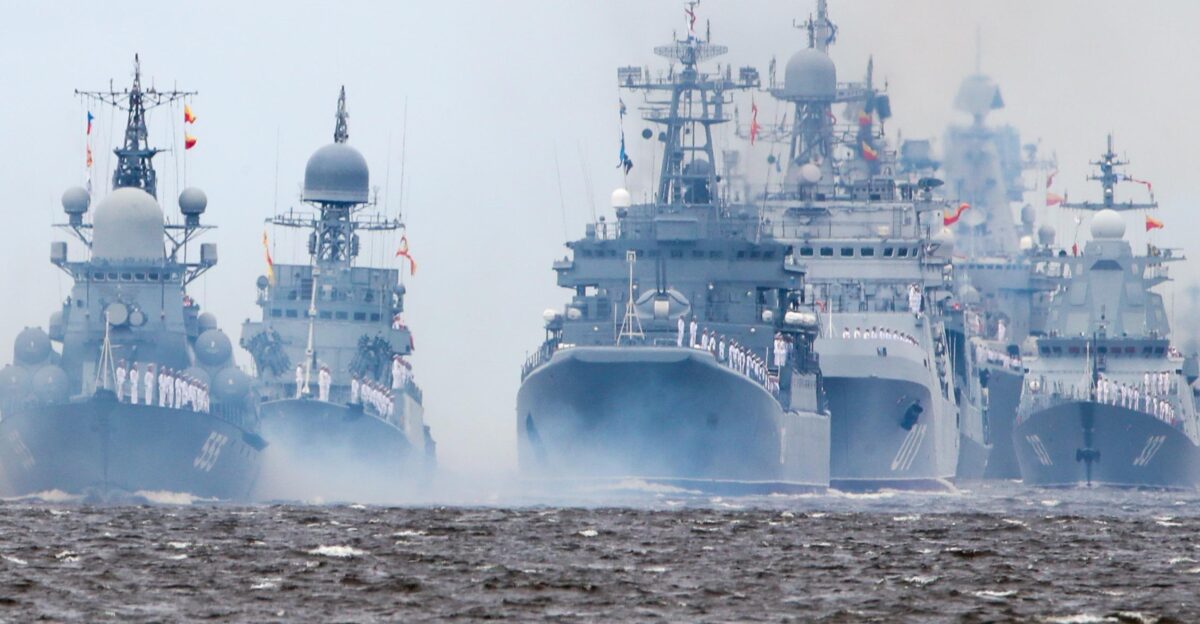
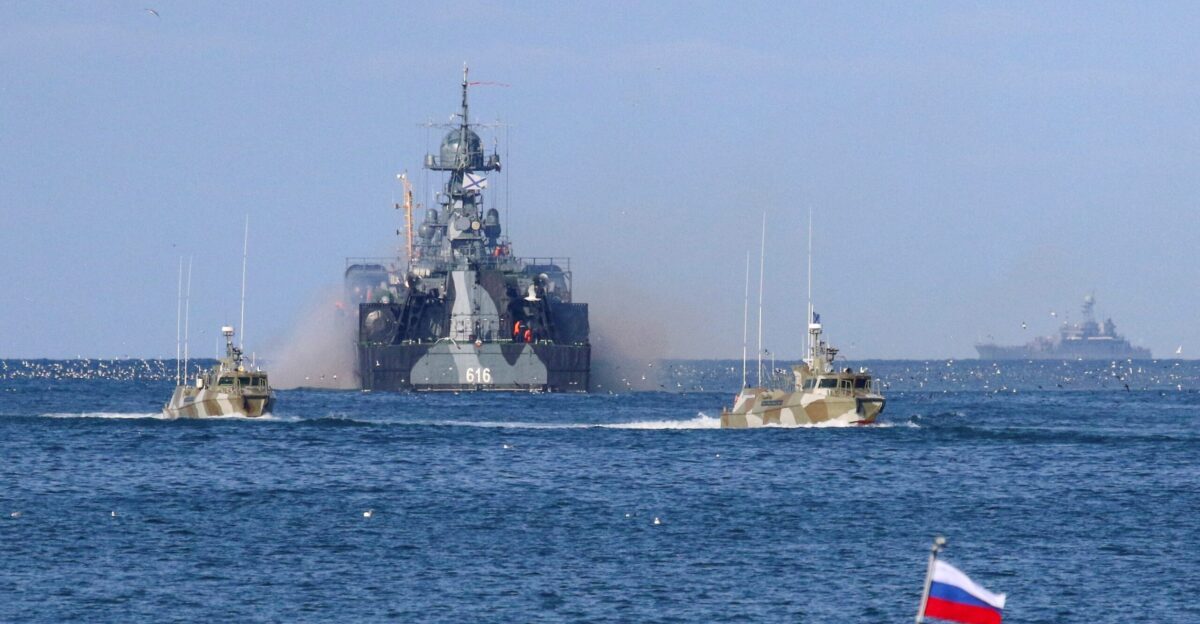
The loss reverberates beyond Crimea. With major radars gone, Russia’s Black Sea Fleet loses a key early-warning layer. Analysts warn that Ukraine could exploit these blind spots to intensify drone and missile campaigns, threatening supply depots, fuel reserves, and shipyards once thought secure under Russia’s air-defense umbrella.
Propaganda Meets Reality
Russian state outlets are scrambling to preserve the myth of an “invincible” Crimea. Yet every verified strike erodes that illusion.
For Ukraine, the optics matter: each destroyed radar is both a tactical victory and a psychological weapon, demonstrating to allies and adversaries alike that Russia’s most expensive systems can’t protect even their own launch sites.
What Comes Next for Crimea

As winter approaches, Ukraine appears determined to keep pressure on Crimea’s air defenses. With command posts gone and radars silent, Kyiv may continue probing weak points before Russia can rebuild.
Meanwhile, in Moscow, defense planners face a grim equation: more strikes, fewer answers, and an ever-shrinking sense of safety along the Black Sea front.