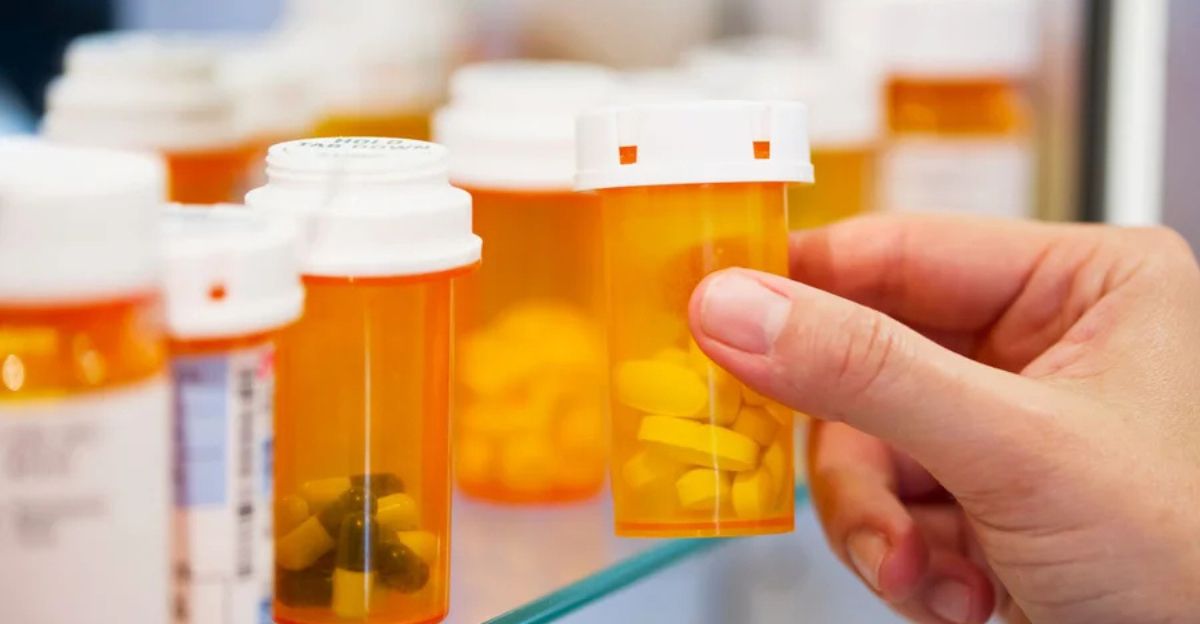
Recently, over 580,000 bottles of prazosin hydrochloride pills used to manage blood pressure have been recalled across the United States. Investigators at the FDA discovered a chemical impurity associated with cancer in some of these pills.
This finding raises new concerns for individuals who rely on prazosin daily. Health experts recommend being cautious, noting that patient safety must always come first and any sign of contamination must be taken seriously.
Big Concerns for Patients
Teva Pharmaceuticals, based in New Jersey, initiated this recall after tests revealed that the pills contained nitrosamine impurities exceeding the safe limit. The affected patients include individuals who use prazosin to treat high blood pressure and PTSD.
Many are nervous as more information comes to light about just how widespread the contamination could be. FDA officials state, “We are committed to protecting the public from harmful exposures,” as reported by LiveNow Fox in October 2025.
Why Prazosin Matters
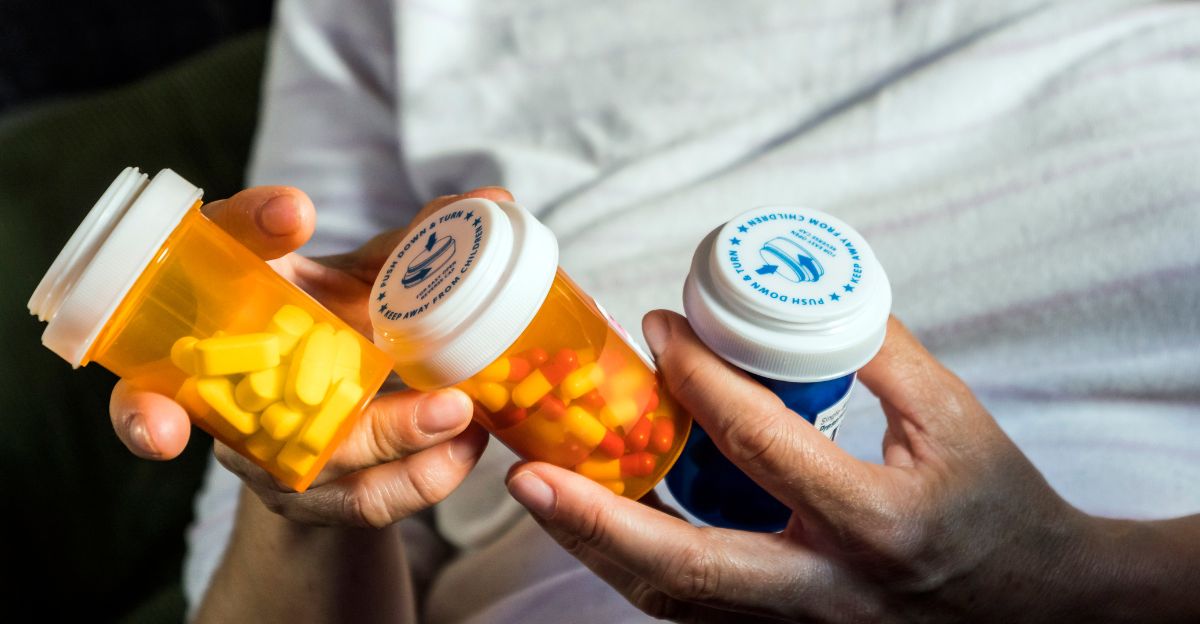
Prazosin hydrochloride is routinely given to people for controlling high blood pressure and for easing nightmares caused by PTSD. It relaxes the blood vessels, which improves circulation. Because it’s prescribed so widely, the recall affects many patients, making this a matter of national concern.
According to AARP, “Prazosin offers hope to countless individuals, so any threat to its safety impacts thousands,” from their October 2025 report.
Scrutiny Increasing
Concerns about contaminated medicine are growing, particularly since nitrosamine has been detected in several recalls. Many are calling on regulatory agencies to do even more to ensure the safety of essential medicines, particularly those used by large numbers of people.
CBS News warned patients, “Drug safety oversight cannot afford to lag behind science,” in an October 2025 story.
The Critical Discovery
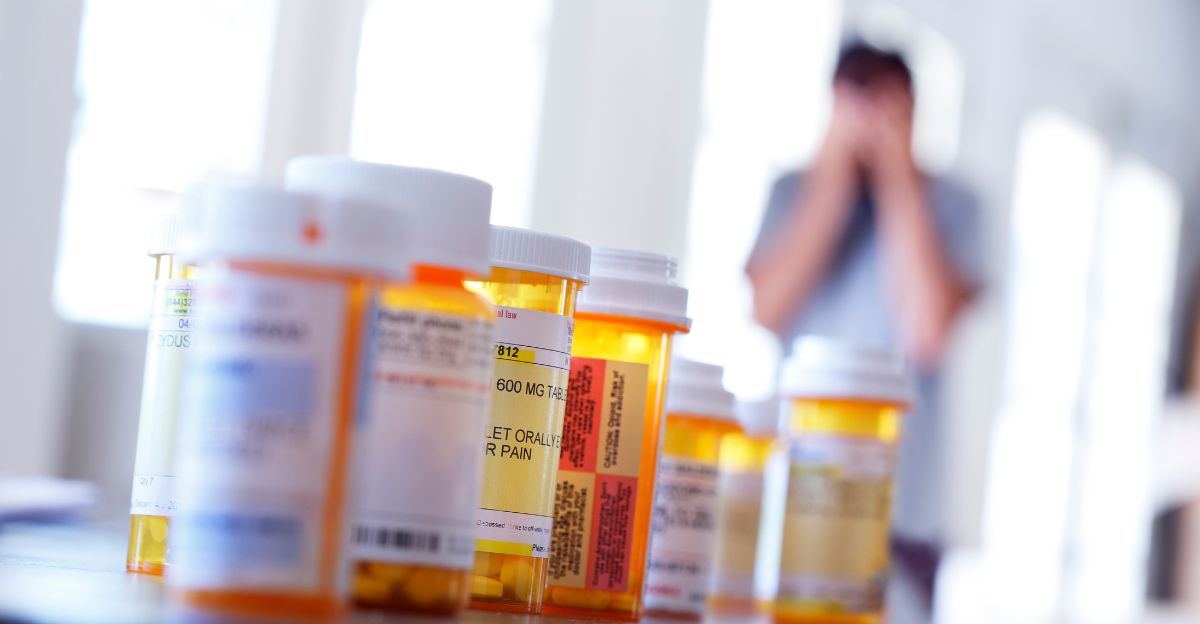
In October 2025, Teva Pharmaceuticals recalled 580,844 bottles of prazosin after testing revealed the presence of a dangerous impurity, known as N-nitroso prazosin impurity C. This chemical was present at unsafe levels, leading the FDA to classify the event as a Class II recall, which means it could cause long-term health issues like cancer.
A Today.com report wrote, “Cancer-causing chemicals have no place in everyday medications”.
Coast-to-Coast Impact
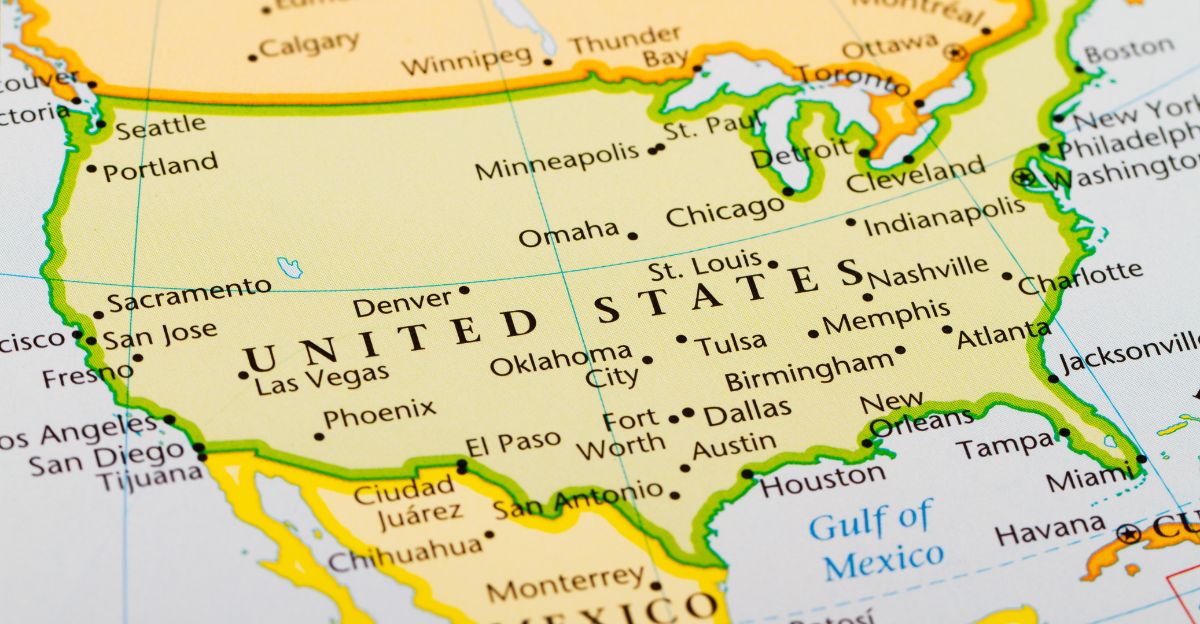
The recall is affecting all 50 states, reaching every pharmacy and many patients. State boards, such as California’s, have issued urgent warnings, advising people to inspect their prescription bottles, verify lot numbers, and consult with pharmacists if they have one of the recalled batches.
“Your pharmacist is your best ally—don’t hesitate to reach out,” advised Today.com in October 2025.
Concern for Patients
The recall is leaving hundreds of thousands of Americans, who depend on prazosin for high blood pressure or PTSD, feeling unsure about what to do next. The FDA recommends not stopping the medication on your own; instead, contact a healthcare provider.
The agency reminds everyone, “Long-term exposure to cancer-linked impurities must be avoided,” according to LiveNow Fox from October 2025.
Coordinated Action

The FDA led efforts to inform the public and classified the recall at a level that means it poses a health risk but isn’t expected to cause permanent harm if handled actively. Amerisource Health Services is helping to notify pharmacies quickly, ensuring that contaminated products are pulled from shelves for patient safety.
CBS News quoted one expert, “Fast, coordinated action is key in cases like this”.
More Than One Incident
Recently, nitrosamine contamination has led to other big drug recalls, so this isn’t an isolated event. The FDA is updating its testing and rules to stay ahead of such risks, trying to make sure future medicines are even safer. “Testing protocols must adapt to new threats,” said AARP in its October 2025 coverage.
Details of the Recall
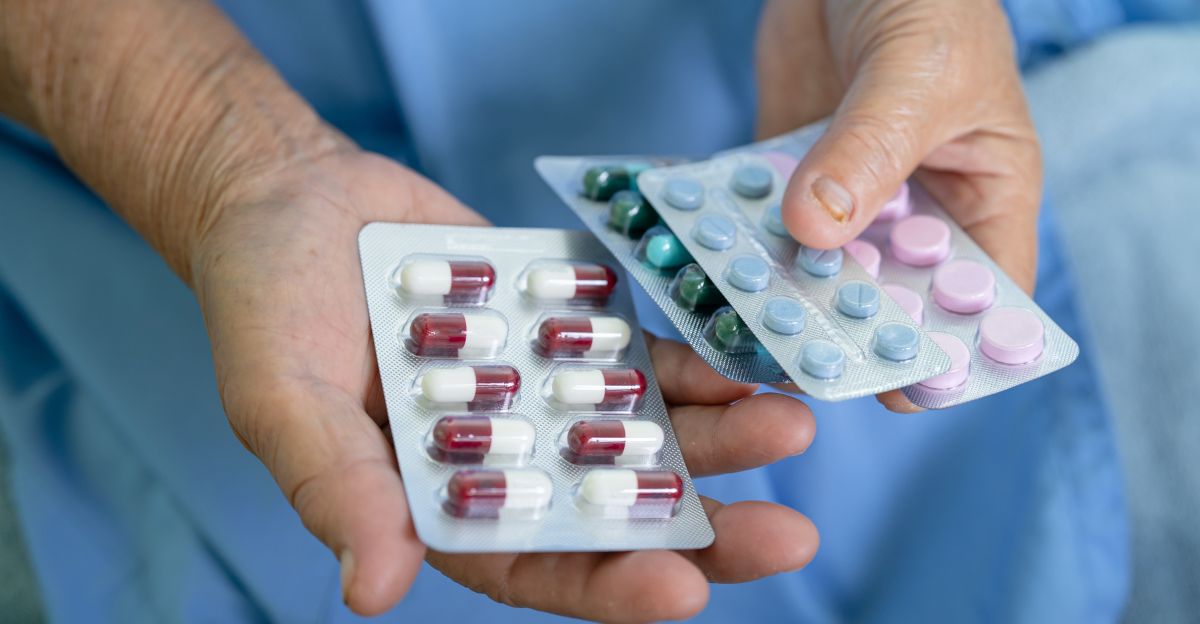
The recall includes 181,659 bottles of the 1 mg dose, 291,512 bottles of the 2 mg dose, and 107,673 bottles of the 5 mg dose of prazosin capsules. Some bottles hold up to 1,000 capsules, so the chances for exposure are high.
“The sheer volume of recalled medication makes this a significant event,” noted LiveNow Fox in October 2025.
Frustration Among Stakeholders
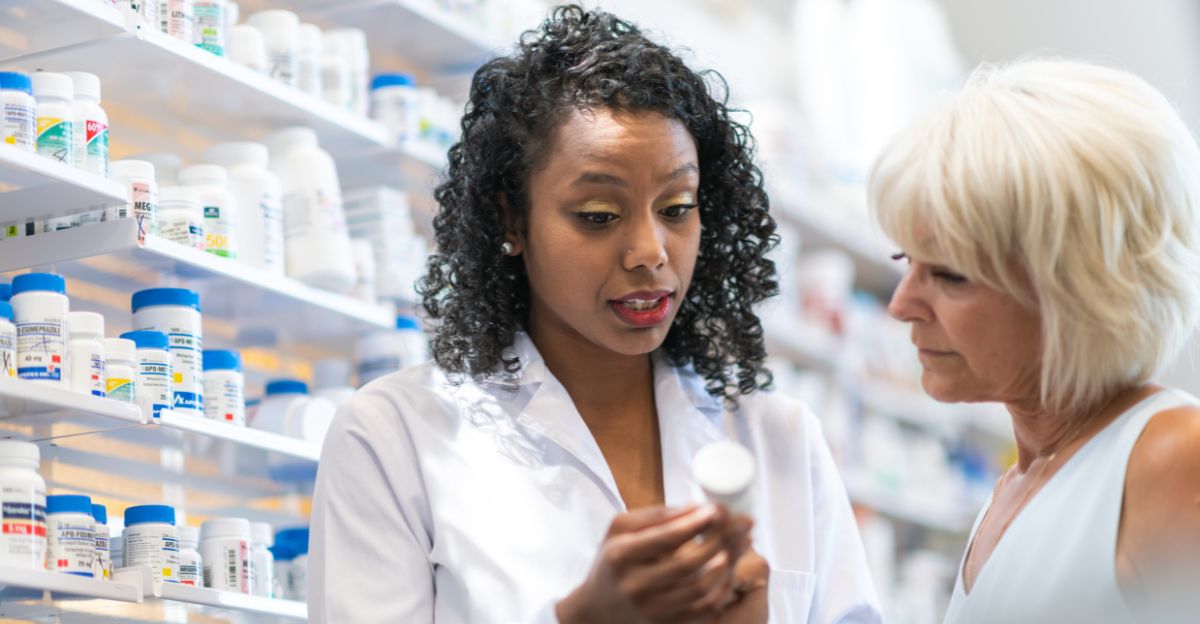
Pharmacists and doctors are frustrated with repeated contamination issues, while patients feel anxious about whether their medicines are safe. Finding reliable alternatives becomes a challenge when recalls keep happening. As AARP reported, “Patients deserve confidence in their medications, not constant worry,” in October 2025.
Who Is Responsible?
Teva Pharmaceuticals USA is facing critical questions about how such an impurity entered its product. So far, the company hasn’t explained exactly what went wrong, but regulators want more information. “We expect greater transparency from those who make our medicines,” said CBS News in October 2025.
Steps Toward Recovery
Teva, with the help of Amerisource Health Services, is now working quickly to replace tainted bottles and rebuild trust with patients. Pharmacies are removing recalled pills and helping patients switch to safe ones. “Restoring patient trust takes clear communication and decisive action,” highlighted by LiveNow Fox in October 2025.
Expert Opinions

Doctors warn that nitrosamine impurities can appear during manufacturing or while medicines are stored. These chemicals are somewhat present in food and water, but higher amounts in medicine can be risky, especially if someone takes it regularly. As TPR stated, “Safe levels aren’t safe when exceeded, particularly with daily drug use,” published in October 2025.
What’s Next?
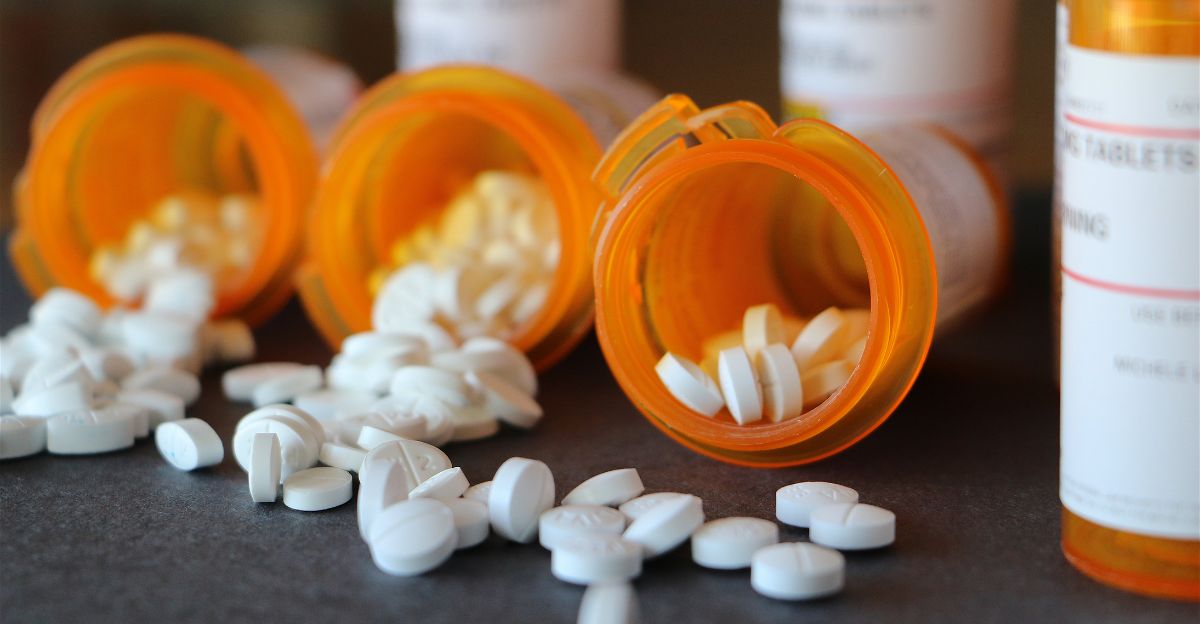
This situation could lead to stricter testing and more rules for medication manufacturers. Both patients and doctors are watching closely for updates as the FDA reviews its approach to drug oversight. “Regulatory standards must evolve with new discoveries,” reported AARP in October 2025.
Possible Changes to Law

Lawmakers may now push for tougher regulations and demand that impurity testing become mandatory for pharmaceutical companies. This incident reveals some gaps in how medicines are monitored for safety and points to the need for improved protections. “Safety gaps need urgent attention to preserve public trust,” said CBS News, October 2025.
Impact Around the World

Nitrosamine problems aren’t just a U.S. issue—countries in Europe and Asia have also dealt with similar recalls. International health agencies are now working together to share the best ways to spot and remove dangerous impurities from medicines. “Drug safety is a shared global responsibility,” wrote AARP in an October 2025 article.
Legal & Environmental Concerns

Some patients who took contaminated medicine may consider legal action. Plus, experts point out that nitrosamines don’t just affect people—they can also impact water supplies, stirring new conversations about environmental safety. “Chemical safety extends from pills to the planet,” observed LiveNow Fox in October 2025.
Changing Public Attitudes
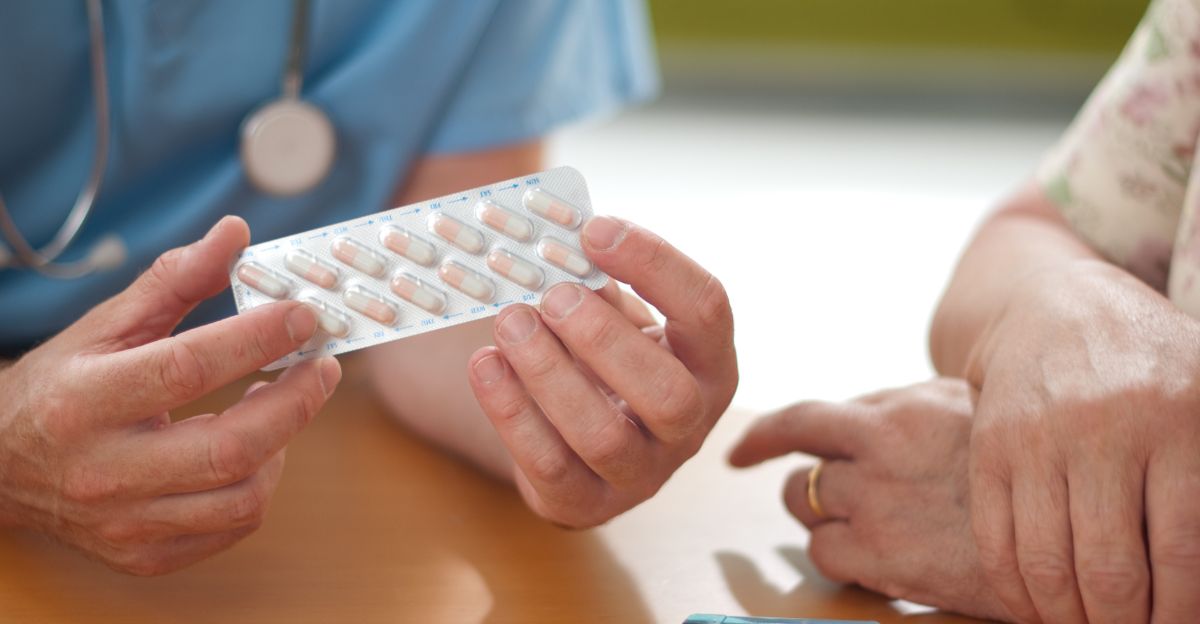
This recall is making more people aware of drug safety issues. Patients are calling for open communication from drug companies and more protection from the government. “Transparency must be more than a slogan—it’s a promise to patients,” said CBS News in October 2025.
Lessons Learned

The recall shows why strict oversight in the pharmaceutical industry is critical. With ongoing risks, this event highlights the need for steady improvements and active advocacy to keep American patients safe. “Every recall is an opportunity to strengthen drug safety,” concluded a recent news briefing.