In 1958, Del and Helen Johnson opened the first Sizzler in Culver City, California. Their idea was simple but powerful: serve good-quality steak dinners at prices working families could afford. The restaurant offered friendly service and a comfortable space where anyone could enjoy a nice meal without spending too much. Locals loved it, and word spread quickly, turning Sizzler into a favorite dining spot in the neighborhood.
That early success helped shape Sizzler’s identity. It became known not for fancy dishes, but for making steak accessible to everyday people. This focus on value and hospitality would later guide the brand as it grew from a small local business into a major national chain. By offering good food in a welcoming setting, Sizzler found its recipe for success and built a loyal customer base that returned again and again.
The Golden Years and the Salad Bar Craze
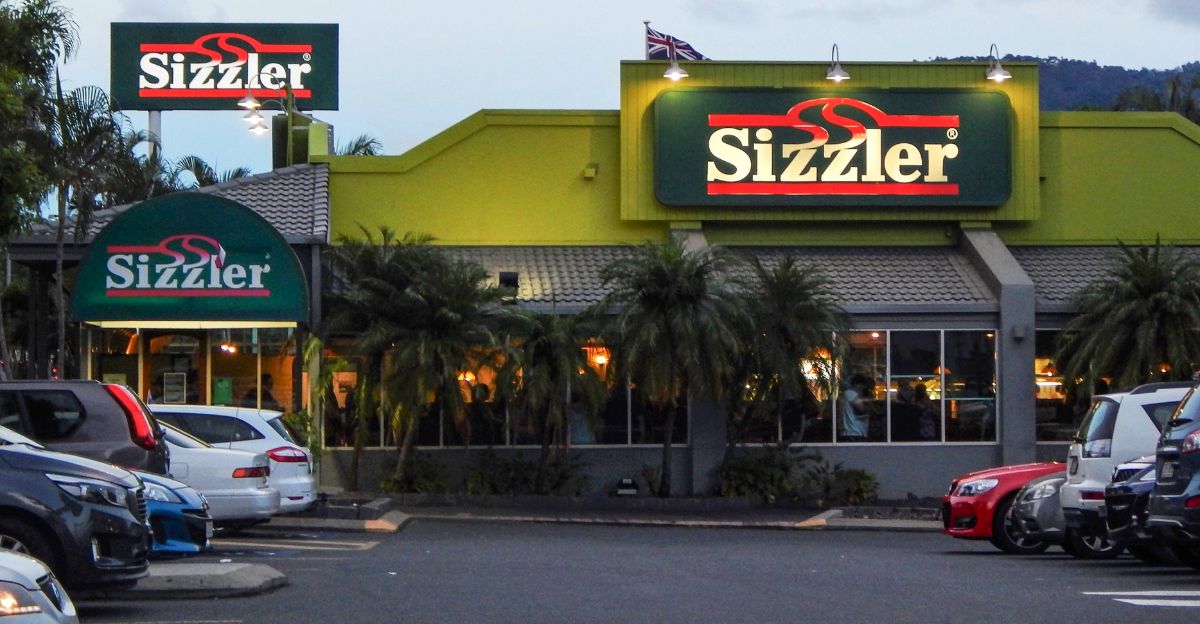
During the 1970s and 1980s, Sizzler grew at an incredible speed. Hundreds of new restaurants opened across the United States. Families saw it as a perfect place to celebrate birthdays, sports victories, or casual Sunday dinners. Many people remember visiting Sizzler as kids, describing it as a community hub where friends and families gathered to share meals and memories.
A big part of Sizzler’s appeal was its self-serve salad bar. Customers could build their own salads, combining fresh vegetables, toppings, and dressings just the way they liked. This idea was new for its time and helped Sizzler stand out from other restaurants. People loved that the salad bar offered variety and value, allowing them to enjoy a full meal even on a budget. Surveys from that era often credited the salad bar as one of the main reasons customers kept returning, especially families looking for both choice and affordability.
Competition and Financial Struggles
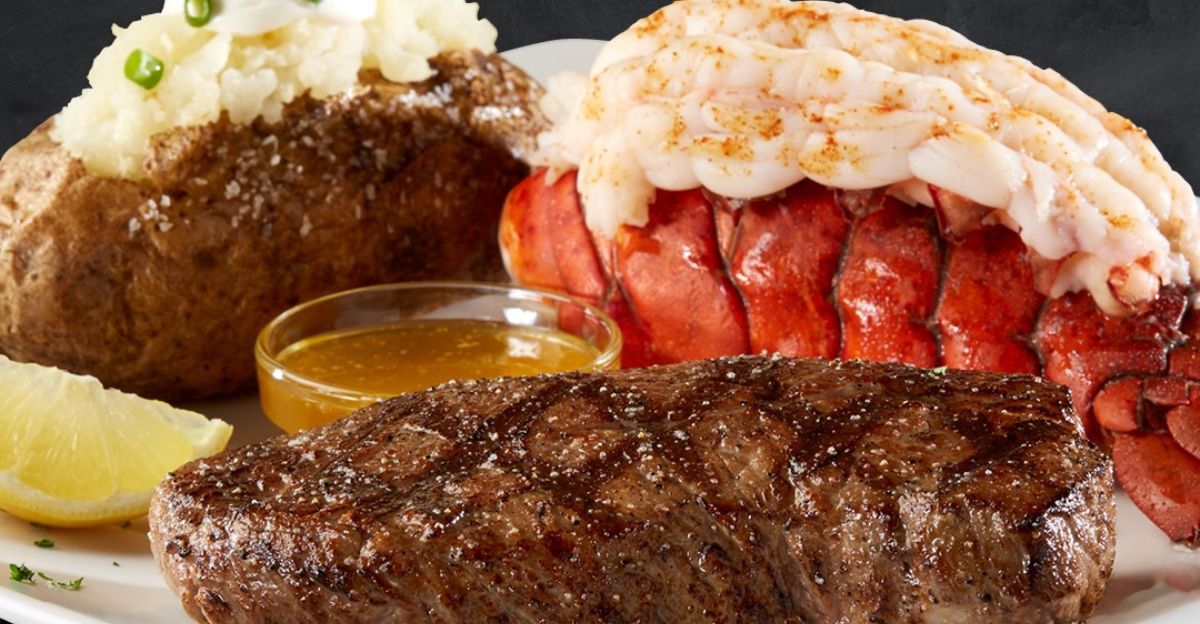
By the early 1990s, Sizzler had become a household name, with more than 700 locations in the United States and several abroad, including Australia, New Zealand, and parts of Asia. The chain’s trademark cheese toast and affordable steak dinners became famous symbols of casual American dining. But as the restaurant industry evolved, new competitors like Applebee’s, Outback Steakhouse, and TGI Friday’s began offering fresh concepts and updated menus, capturing the attention of diners who wanted something different.
An industry expert, Mark James Miller, noted that the 1990s brought “fierce competition” to casual dining, forcing chains to innovate or risk losing relevance. Unfortunately, Sizzler struggled to adapt. It couldn’t match the newer restaurants’ energy or menu variety, and in 1996, the company filed for bankruptcy protection. About 130 locations closed, and many communities lost their local Sizzler, a place that had been part of their social life for years.
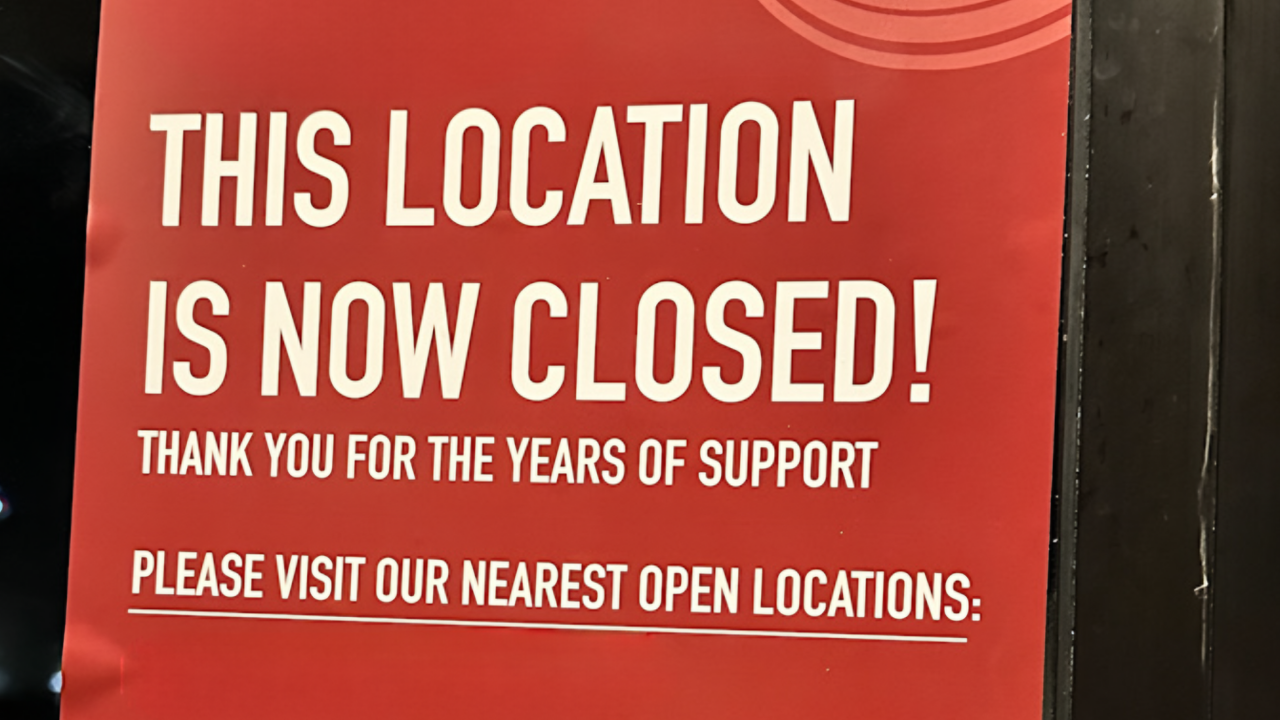
After the bankruptcy, Sizzler tried to refresh its image by remodeling stores and modernizing its menu. Some updates worked for a time, but overall traffic continued to decline as customer preferences shifted. Globally, the brand also faced challenges, with most of its company-owned restaurants in Australia eventually closing. By 2018, Sizzler had only about 134 restaurants left in the United States, a steep drop from its 1990s peak.
Reinvention, Resilience, and the Road Ahead
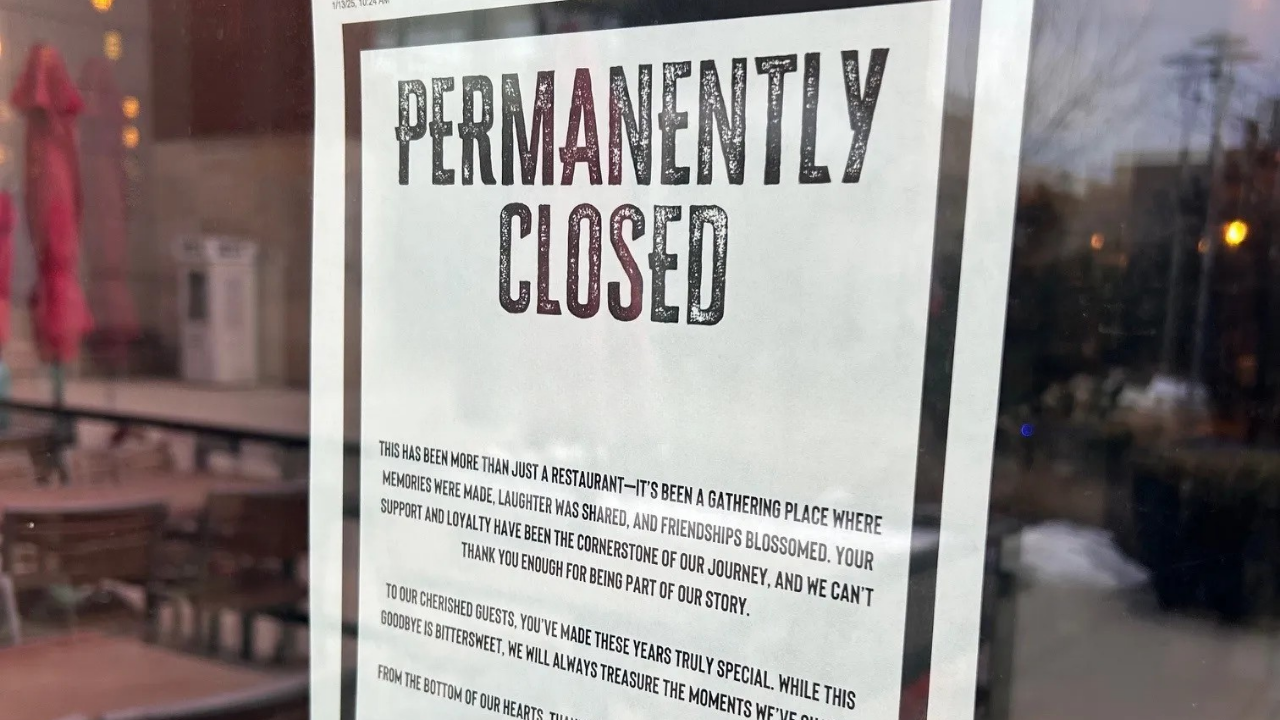
When the COVID-19 pandemic hit in 2020, it brought new struggles for dine-in restaurant chains like Sizzler. Government restrictions and safety concerns forced many stores to shut down temporarily or permanently. That September, Sizzler USA filed for bankruptcy again, citing heavy financial losses from the pandemic. Although only 14 company-owned restaurants were directly affected, franchise locations tried to keep operating independently, helping the brand survive in smaller markets.
By 2025, Sizzler had around 74 locations left in six U.S. states and Puerto Rico. While the number is far below its past glory, loyal franchise owners have helped keep the name alive. Some have drawn in new customers by remodeling their restaurants or updating menus with modern options. These efforts aim to capture younger diners while staying true to what made Sizzler special, affordable steaks, friendly service, and, of course, the iconic salad bar.
To adapt to today’s market, Sizzler has also tested new ideas like food trucks and take-home salad kits. These projects show that the company is still looking for ways to stay relevant in a changing dining landscape. Although Sizzler’s story reflects the same challenges faced by other established chains like Pizza Hut and Red Lobster, it also shows resilience. Many former employees and longtime fans continue to express affection for the brand, remembering the role it played in their communities.
Sizzler’s legacy reminds people of a simpler era in dining, one centered around family, value, and comfort. Its journey from massive expansion to near collapse and cautious rebuilding shows how much the restaurant world has changed. While its future remains uncertain, Sizzler’s story continues to stand as both a lesson in adaptation and a symbol of persistence in American dining history.