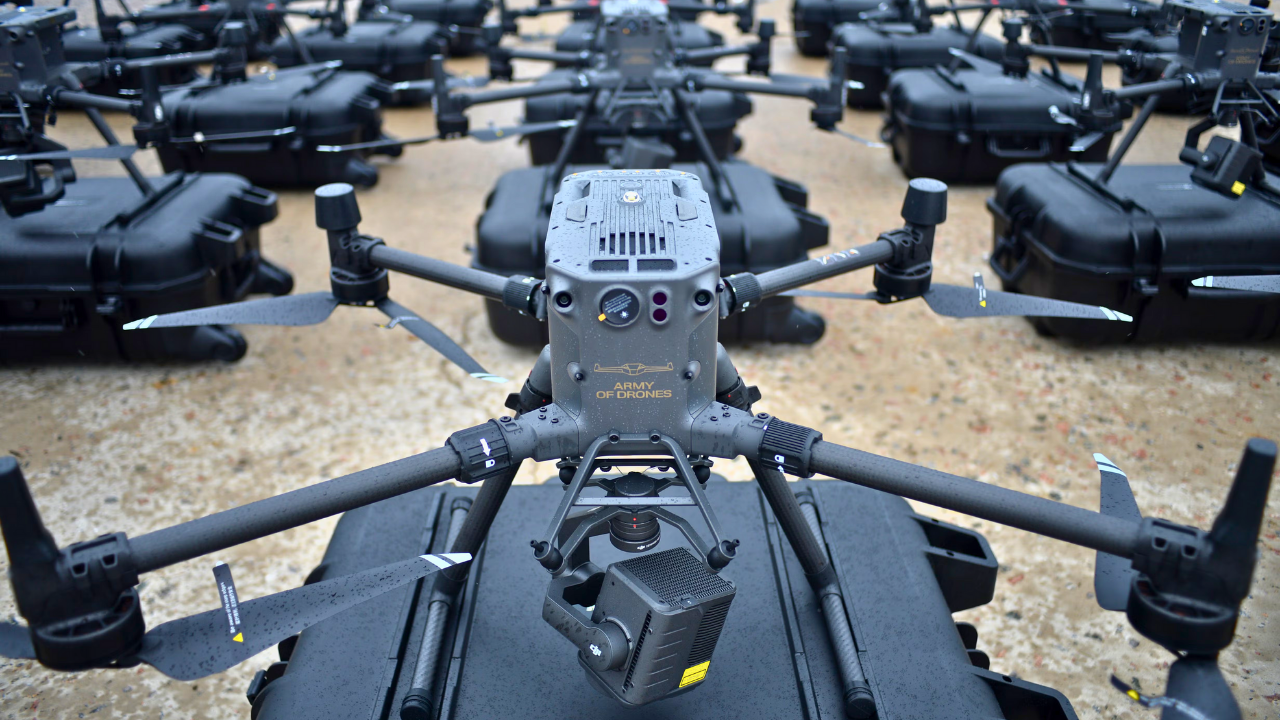
The United States has effectively banned DJI, the world’s leading drone manufacturer, through a combination of retroactive regulatory authority and an automatic blacklisting provision set to take effect December 23, 2025. With no federal agency taking action to prevent the ban and the FCC now empowered to remove existing products from shelves, the prohibition is no longer a question of ‘if’ but a matter of weeks.
Regulatory Crossroads
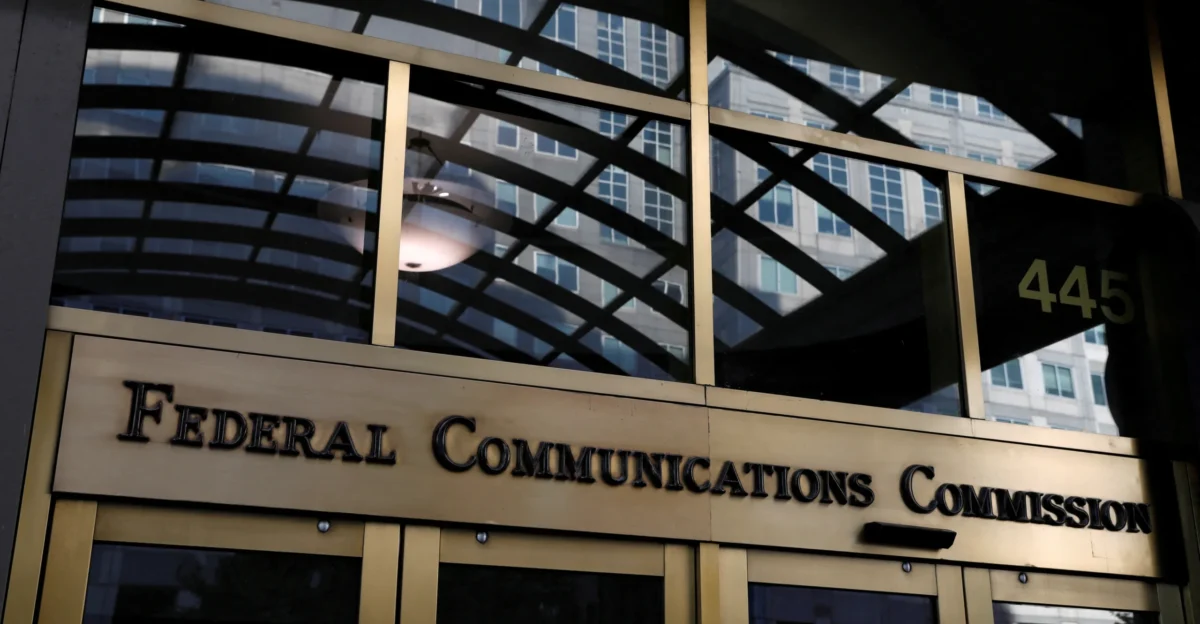
In late October 2025, the Federal Communications Commission (FCC) granted itself sweeping new authority: for the first time, it can retroactively ban electronic devices already approved for sale if manufacturers are deemed national security risks. This move closes a longstanding loophole that allowed companies like DJI to continue selling products despite security concerns. The FCC’s decision follows a series of actions dating back to 2022, when it began blocking new equipment approvals for companies on its “Covered List,” which includes major Chinese tech firms such as Huawei and ZTE. Previously, existing products were grandfathered in, but the new rules allow for retroactive action, signaling a dramatic shift in U.S. regulatory policy.
A critical trigger is set for December 23, 2025. Under the National Defense Authorization Act (NDAA), a U.S. national security agency must complete a risk assessment of DJI by that date. If no agency acts, DJI will be automatically blacklisted—without evidence or the right to appeal. As of November 6, no agency has begun the review, and with only 47 days remaining, the window for intervention has effectively closed. In regulatory terms, the ban has been enacted—it simply hasn’t taken effect yet.
Market on Edge
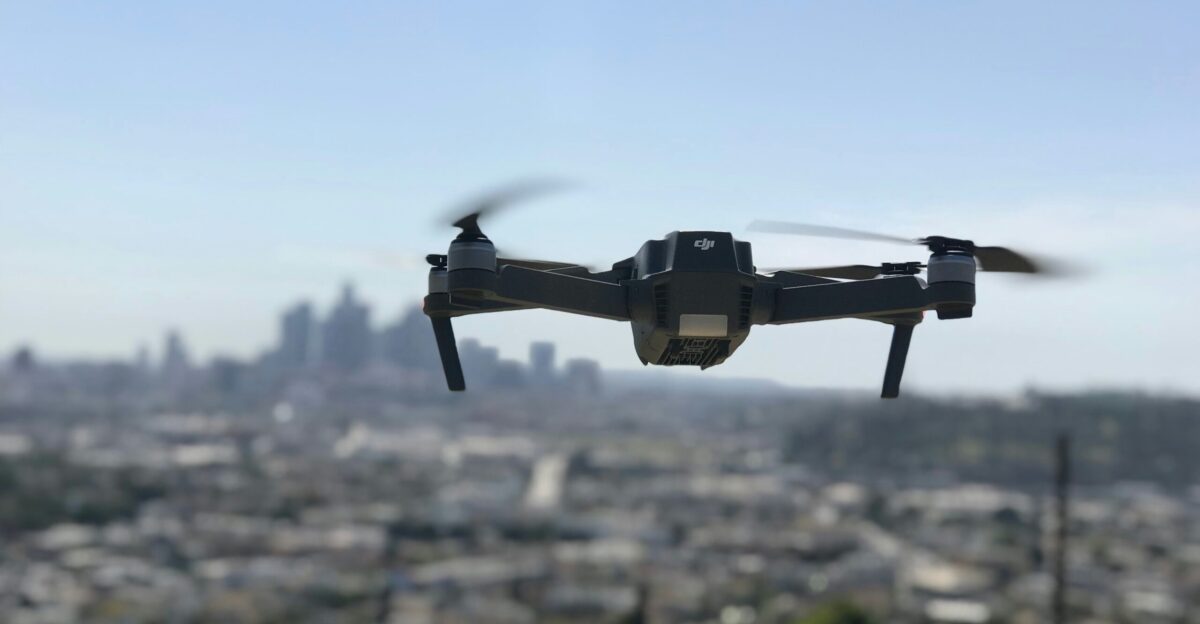
The ban mechanisms are already in place—what remains is merely their execution. While DJI drones can still be purchased and flown today, the company, which commands about 80% of the American drone market and up to 90% globally, faces imminent removal from U.S. shelves. The company continues to supply drones to filmmakers, farmers, emergency responders, and hobbyists, but this access will soon end.
The prospect of the ban’s execution has sent ripples through the industry. Businesses reliant on DJI technology face the threat of losing access to software updates, maintenance, and replacement parts. Retailers report mixed signals: some see a rush to buy DJI drones before the deadline, while others hesitate to restock inventory that could soon be unsellable.
DJI’s Head of Global Policy, Adam Welsh, has called for transparency and due process. “The government has every right to strengthen national security measures, but this must go hand in hand with fairness and transparency,” Welsh said, emphasizing that DJI remains open to an official audit.
Competitors and Global Context
As the ban approaches, U.S.-based drone makers like Skydio are seizing the opportunity, winning government contracts and positioning themselves as secure alternatives. Other companies, such as Autel Robotics and Parrot, are also benefiting from the shifting landscape. Meanwhile, Chinese camera firm Insta360 reported a 92% revenue jump in the third quarter of 2025, suggesting that consumers are exploring non-DJI options.
Globally, the U.S. approach stands in contrast to Europe, where regulators have favored data localization and transparency over outright bans. However, the American precedent could influence other countries to adopt similar retroactive restrictions, potentially reshaping the international drone market.
Security, Evidence, and Legal Hurdles
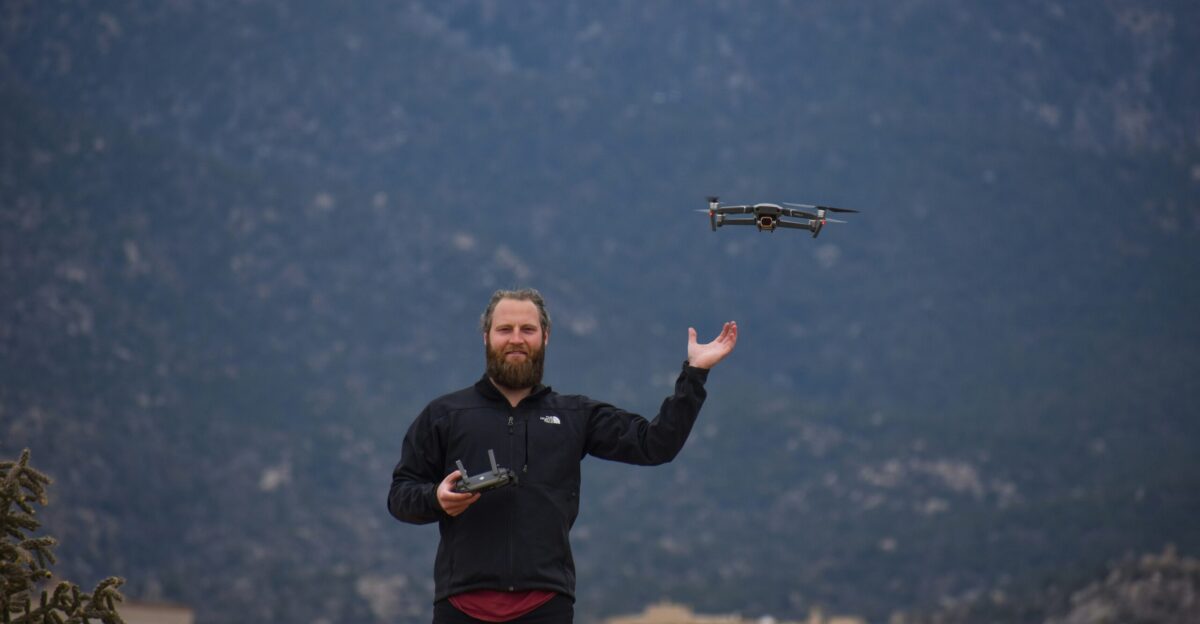
The FCC’s actions reflect escalating U.S.-China tensions over technology and national security. Federal agencies have suggested links between DJI and the Chinese military, but courts have found no direct evidence of government control or data transmission from DJI drones back to China. Critics argue that the regulatory push is driven more by geopolitical rivalry than by proven security threats.
DJI has responded by creating shell companies to keep products flowing into the U.S., but the FCC’s new authority allows it to block any device using DJI-designed components, regardless of branding. Legal experts warn that if DJI is automatically blacklisted without a completed review, the company could challenge the decision in court, arguing a lack of due process. However, national security cases often receive broad judicial deference, and litigation could take years.
Consumer Uncertainty and the Road Ahead
For drone enthusiasts and professionals, the countdown to the ban is palpable. Online forums are filled with debates about whether to buy DJI equipment before the deadline or wait for clarity.
The FCC has stated that any future bans will include a 30-day public comment period and will not require confiscation of existing drones. Still, if DJI is blacklisted, ongoing support and updates could be cut off, leaving millions of users with unsupported equipment.
As the December 23 deadline approaches, the stakes are high—not just for DJI, but for the entire U.S. drone ecosystem. The outcome could set a precedent for how the U.S. regulates foreign technology, balancing national security with consumer rights and market stability. The world is watching to see whether this case becomes a blueprint for future tech governance or remains a singular response to rising geopolitical tensions.