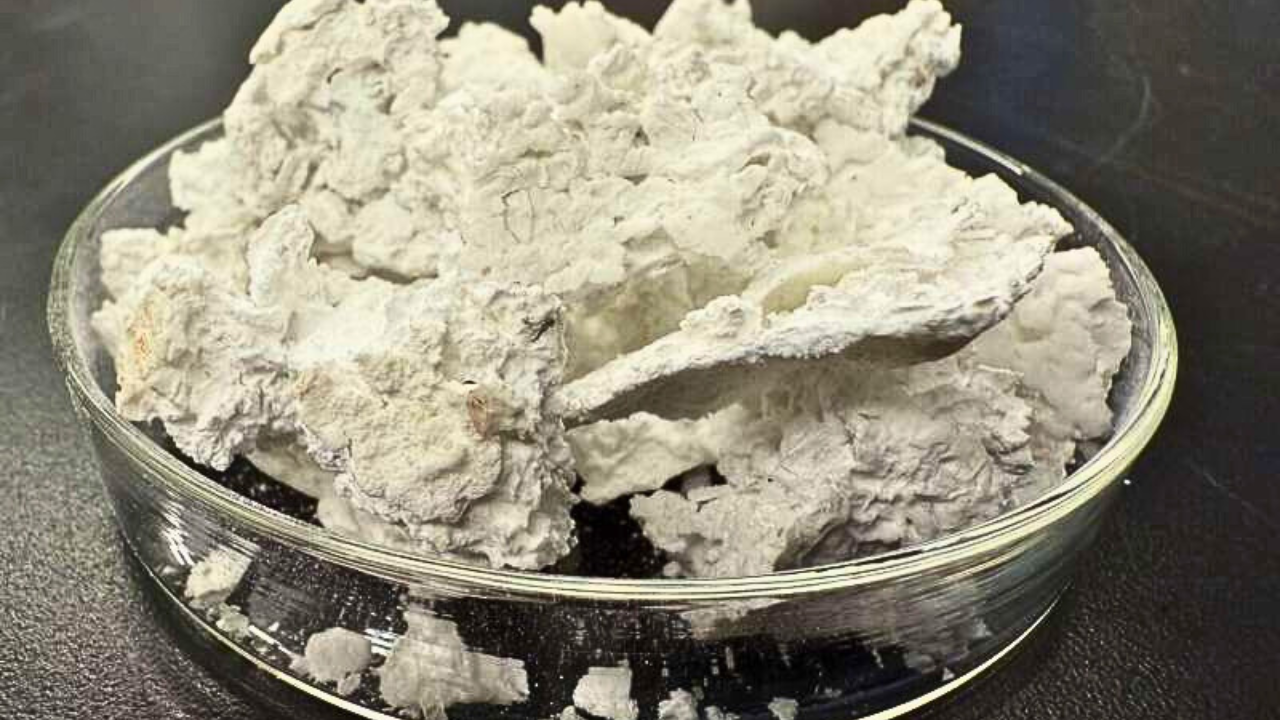
A normal day in a University of Arizona lab turned extraordinary when a researcher discovered a new kind of super cement. This wasn’t just another experiment, it could change how we build everything from homes to highways. The material is stronger than traditional concrete, yet it actually pulls carbon dioxide out of the air as it is being made.
That means it helps fight climate change instead of adding to it. If the discovery proves scalable, it could be one of the most revolutionary materials in the history of construction, combining performance with sustainability at a level never achieved before.
An Experiment Gone Right
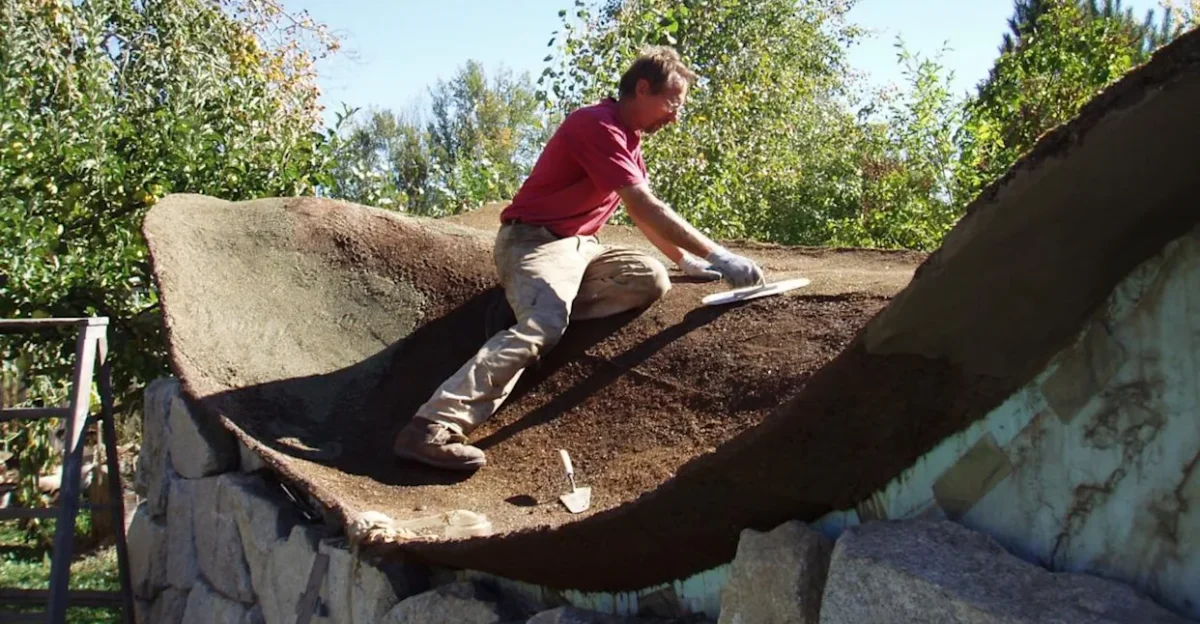
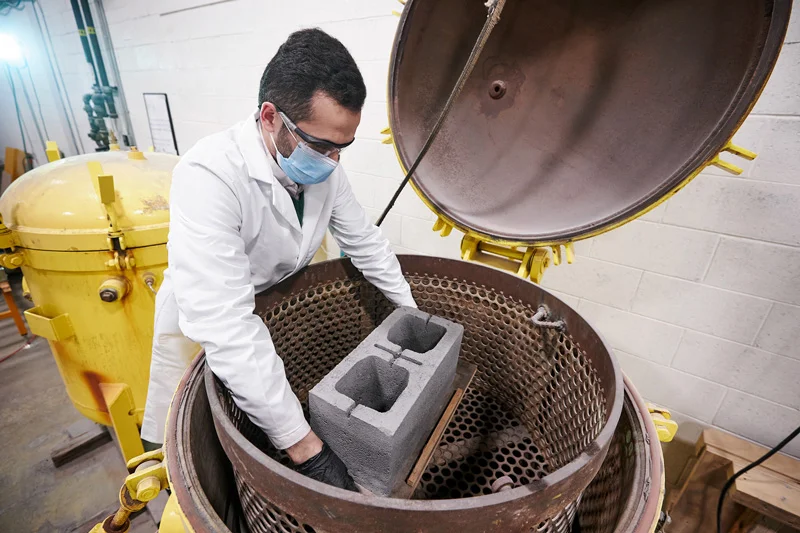
It all began with a simple study on building materials for desert climates. During one routine thermal process, a sample was accidentally overheated. Instead of being ruined, the material came out looking glassy and unexpectedly solid. When the team ran tests, the results blew them away.
The new substance had strength levels far above standard benchmarks. “It was a lab mistake,” joked one of the graduate researchers. “But it turned out to be the best one we’ve ever made.” The discovery drew quick attention across the university, launching weeks of nonstop testing to confirm exactly what they had found.
Why They Call It ‘Super Cement’
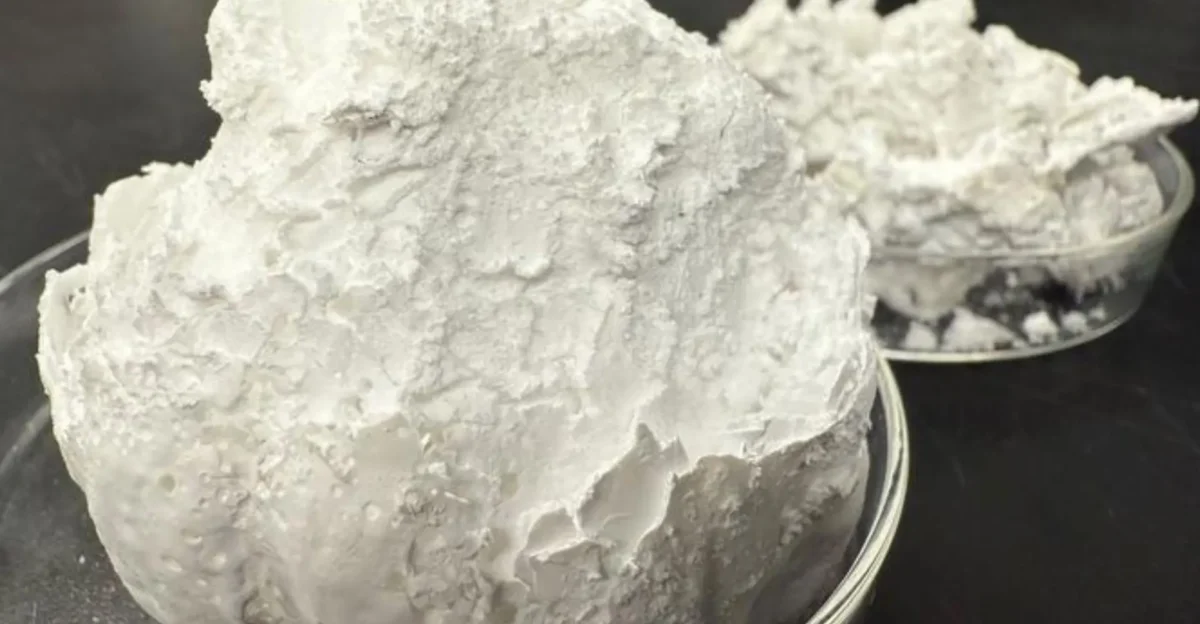
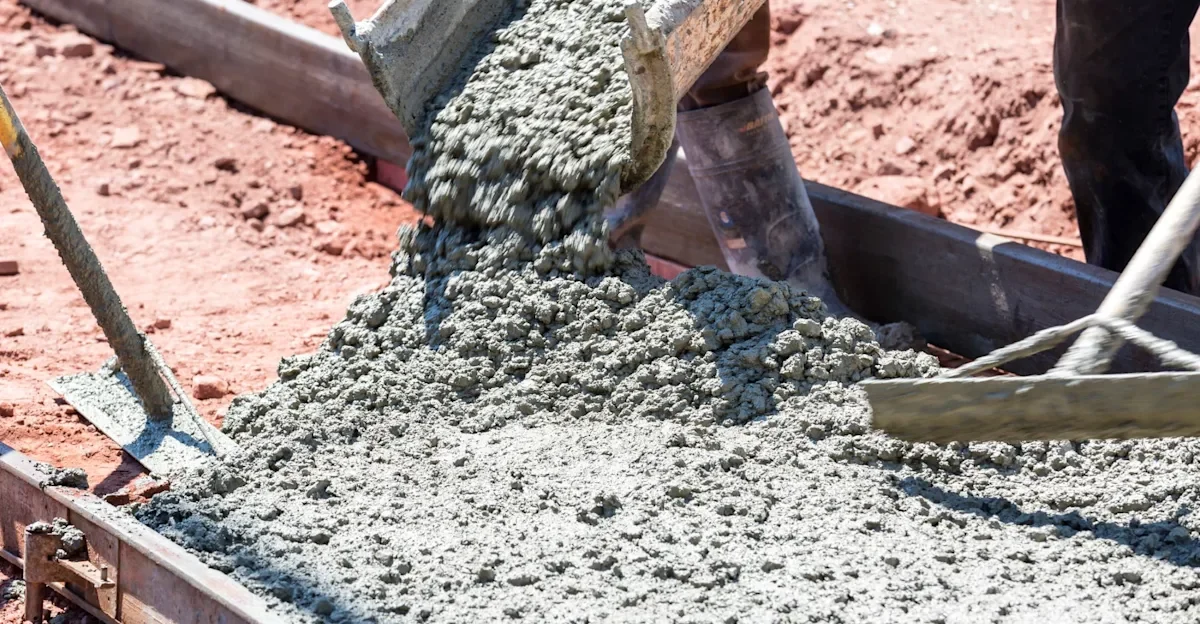
Traditional cement depends on calcium and silica, the same ingredients used for decades. The new Arizona material swaps those for a magnesium-based formula strengthened with tiny, nano-level binders. This change makes it highly reactive, creating a dense network of crystals that gives it three to five times the strength of normal concrete.
According to the American Society of Civil Engineers, typical concrete has a compressive strength of 30–50 MPa, but this material achieved more than triple that in preliminary tests. Dr. Thompson explained, “Its structure grows stronger as it sets, instead of becoming brittle.” That makes it ideal for structures built in extreme environments.
How It Eats Carbon
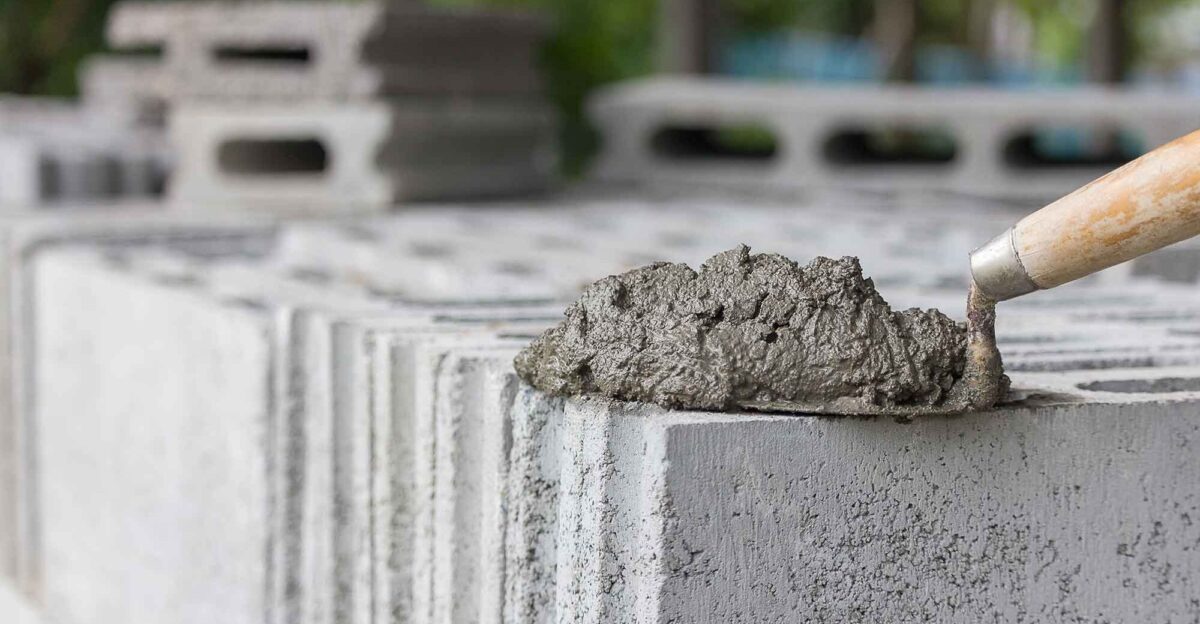
What makes this new cement so exciting isn’t just its strength, it’s its chemistry. When produced, it naturally absorbs carbon dioxide from the air instead of releasing it. The minerals inside, such as magnesium carbonate, pull CO₂ molecules in and use them to form part of the material’s structure.
“It’s like turning pollution into a building block,” said environmental researcher Dr. Leon Perez. In a world where traditional cement plants are huge greenhouse gas emitters, this new formula could reverse the trend. Every ton made could lock away hundreds of kilograms of CO₂ that would otherwise pollute the air.
Comparing to Traditional Cement
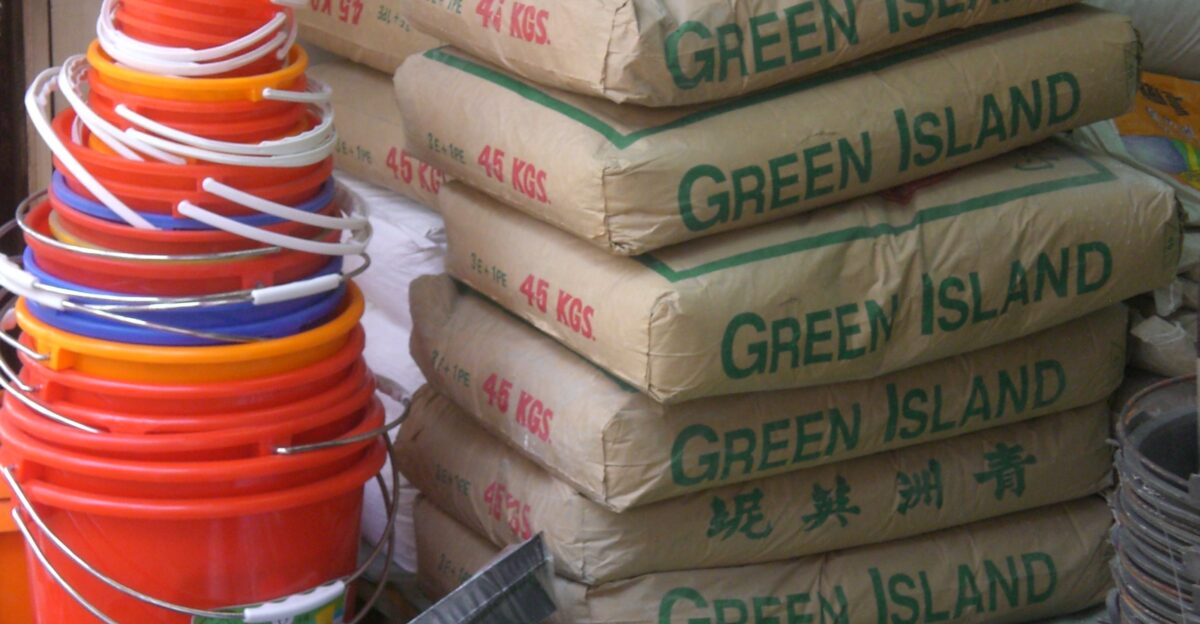
Typically, the production of cement releases approximately one ton of carbon dioxide for every ton of product. That’s one reason the industry accounts for around 8% of global emissions. In contrast, this Arizona super cement doesn’t just avoid those emissions, it removes up to 0.6 tons of CO₂ per ton made.
That’s a big shift. If widely used, entire cities could become carbon sinks instead of emitters. The Global Cement and Concrete Association confirmed that no other known building material has demonstrated such large-scale carbon-negative potential to date.
Game-Changer for the Construction Industry
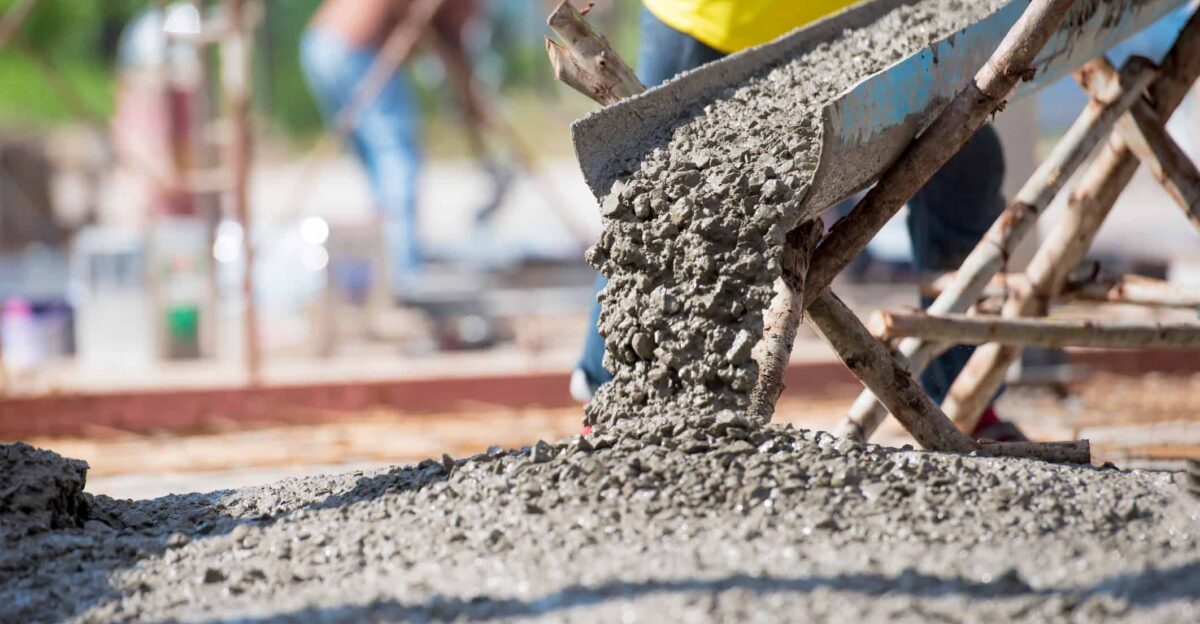
The construction world could be on the edge of a clean transformation. Cement is such a widely used material that any improvement in its environmental footprint makes a global difference. Arizona’s new cement could do even better, turning a pollutant into a carbon solution.
Governments and sustainability groups are already watching closely, seeing this as a potential model for green infrastructure worldwide.
Testing for Strength and Reliability
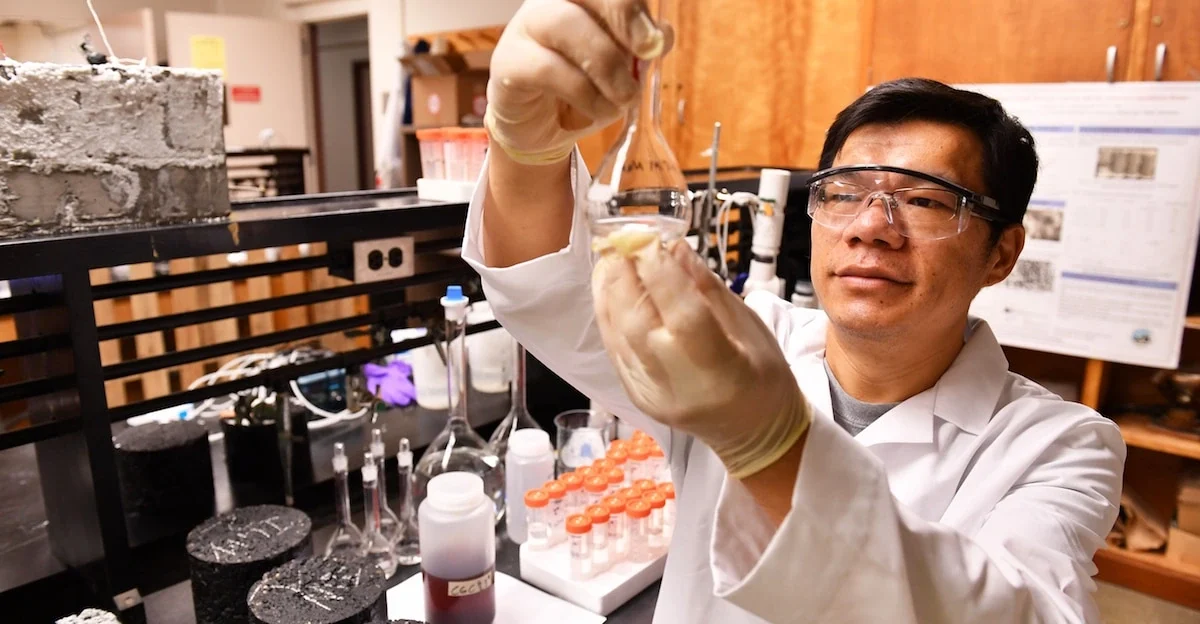
Back in the lab, tests pushed the material to its limits. Scientists ran compressive and tensile strength tests, simulating everything from earthquake pressure to deep-sea compression. The new cement consistently performed at over 200 MPa, about four times stronger than normal concrete.
Those results were then verified by third-party labs, ensuring the data was legitimate. Peer-reviewed studies are already in the works. The excitement spread fast through materials science circles.
More Than Just Buildings
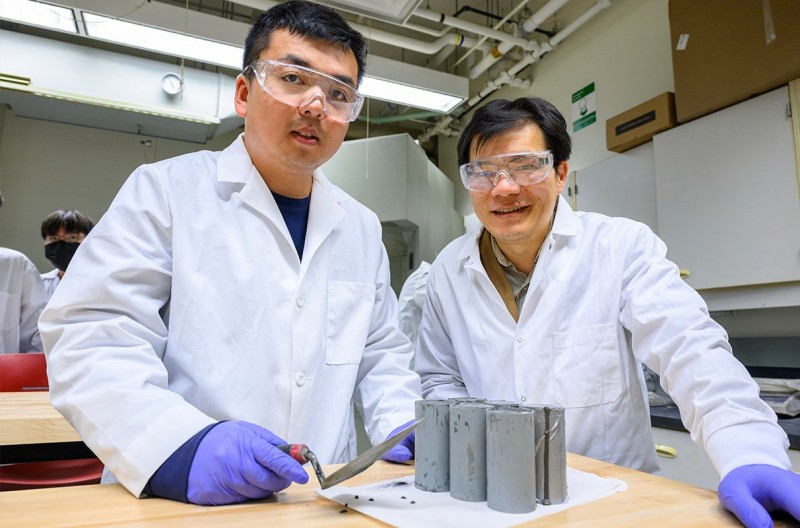
This cement might not just build homes, it could build the future. Because it resists corrosion, heat, and even radiation, engineers are considering it for aerospace, deep-sea, and defense projects. NASA has reportedly expressed interest in testing it for building test habitats on the Moon and Mars, where extreme temperatures make normal materials break down quickly.
The durability could reshape how humanity approaches construction in extreme settings, from ocean floors to outer space.
Partnering with Industry Leaders
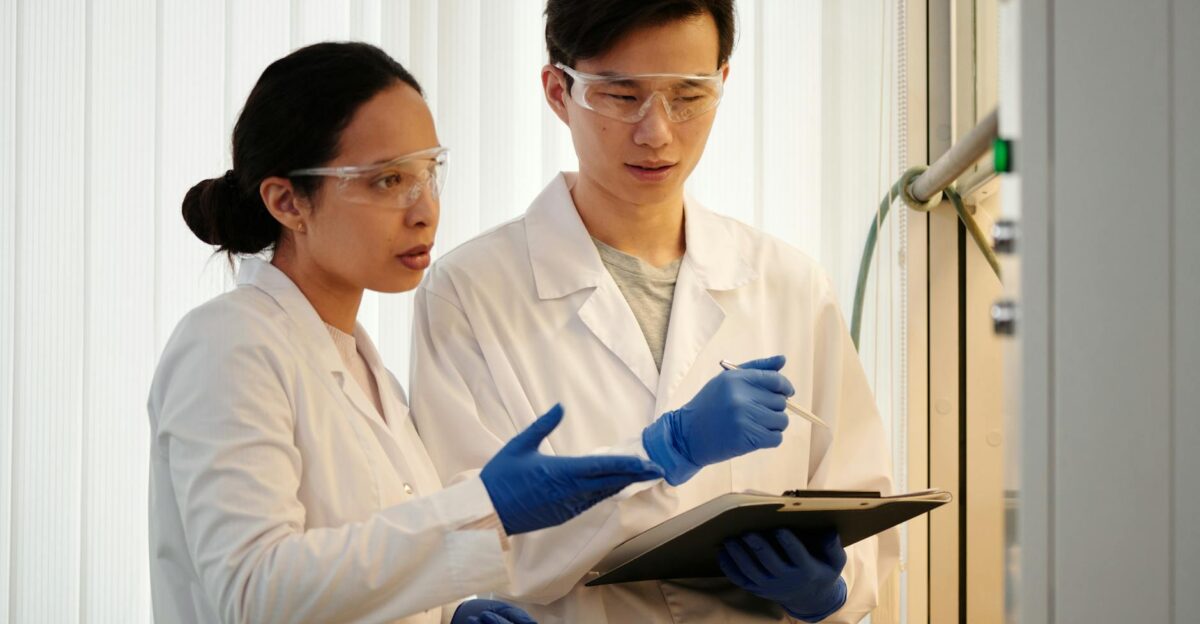
The University of Arizona is already collaborating with several major engineering firms to explore pilot projects. Companies like Skanska and Bechtel have reportedly expressed interest in using the material for sustainable city projects.
Early talks involve building small-scale test highways and eco-friendly urban developments in Arizona and California. According to industry reports, these pilot programs could begin as soon as next year.
The Economics Behind It

At the moment, the new cement is expensive to produce due to limited infrastructure. However, researchers project that within five years, manufacturing costs could drop below $100 per cubic meter. That’s comparable to current premium concretes. The main reason?
Magnesium minerals are abundant, and new production methods powered by renewable energy promise lower costs. As efficiency improves, this material could become both sustainable and cost-effective on a large scale.
Helping the Planet Heal
Every ton of this cement does something rare, it actively removes carbon from the air. Imagine cities that clean the atmosphere while growing. That’s what researchers envision. Countries pursuing net-zero emissions targets could speed up their timelines by simply building with this material.
The United Nations Environment Programme called carbon-negative cement an essential missing piece in climate restoration efforts.
The Science at Work
The secret behind this cement’s self-reinforcing strength lies at the molecular level. As it cures, it forms hydrated magnesium carbonates, minerals that lock CO₂ within its structure.
This reaction not only strengthens the material but also heals microcracks that form over time. Scientists estimate that structures made with this cement could last up to 100 years with minimal maintenance.
Going Viral
When the University of Arizona published its findings online, the internet exploded with interest. The story dominated science outlets and environmental blogs.
Environmentalists called it the most hopeful discovery in climate tech this decade. Even major construction CEOs praised its real-world potential. The global enthusiasm is now pressuring investors to speed up development.
Scaling Up the Innovation
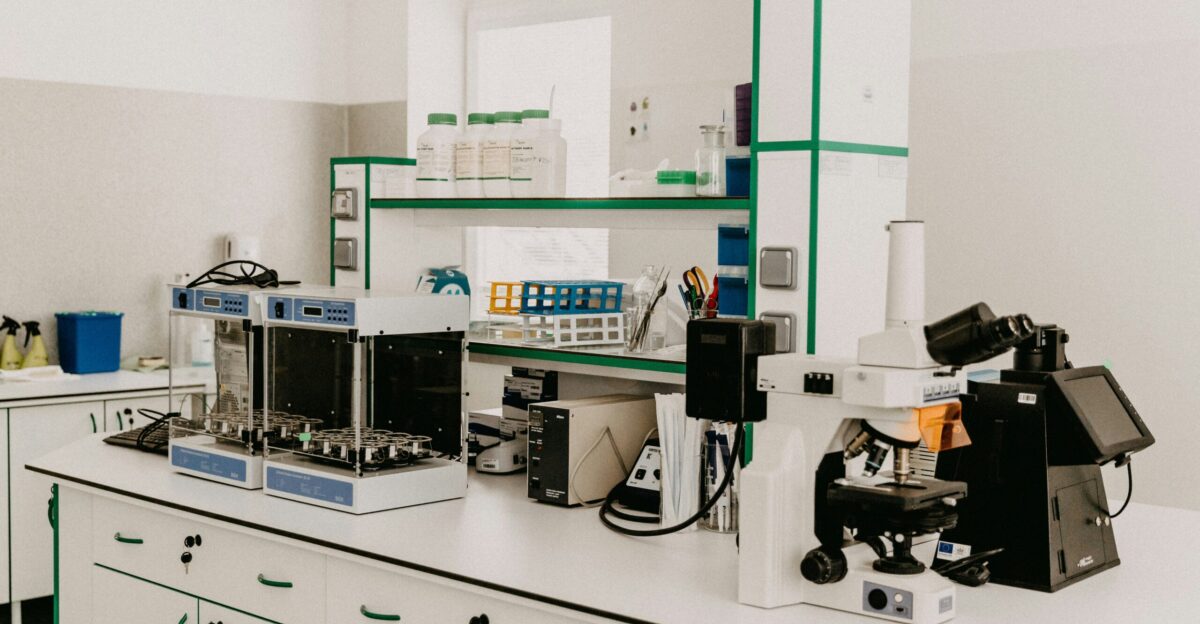
Turning lab success into industrial reality is the next big hurdle. Scaling up means sourcing minerals consistently, optimizing curing times for large batches, and adjusting performance to different weather conditions.
“We’ve proven it works, we now have to prove it works everywhere,” Dr. Perez explained. Manufacturing at scale could take several more years, but with funding and collaboration, the researchers believe it’s achievable. It’s a challenge, but one with enormous potential for payoff.
Government and Policy Support

The U.S. Department of Energy and Arizona state agencies have stepped in with early grants to move development forward. These funds aim to test large-scale production systems and evaluate long-term environmental benefits.
International green investment funds have also expressed interest in licensing the technology. That level of support could fast-track regulatory approval and set new building standards in sustainable infrastructure.
A Global Opportunity

Developing regions in the Middle East, Africa, and South Asia are likely to gain the most from this breakthrough. Many of these areas face rapid urban growth, infrastructure challenges, and rising CO₂ emissions.
Building with carbon-negative cement could reduce pollution while creating stronger, longer-lasting infrastructure. The World Bank has called technologies like this cornerstones of sustainable development. This isn’t just about cleaner cities, it’s about fairer, more resilient growth worldwide.
Academic Buzz

Since the discovery, top universities such as MIT, Stanford, and ETH Zurich have launched their own studies to analyze the Arizona formula. New research papers and conference sessions focused on carbon-absorbing materials are multiplying.
Many scientists see this as proof that innovation doesn’t always come from massive projects, sometimes, it starts with an accident and a curious mind willing to explore it.
Safety First
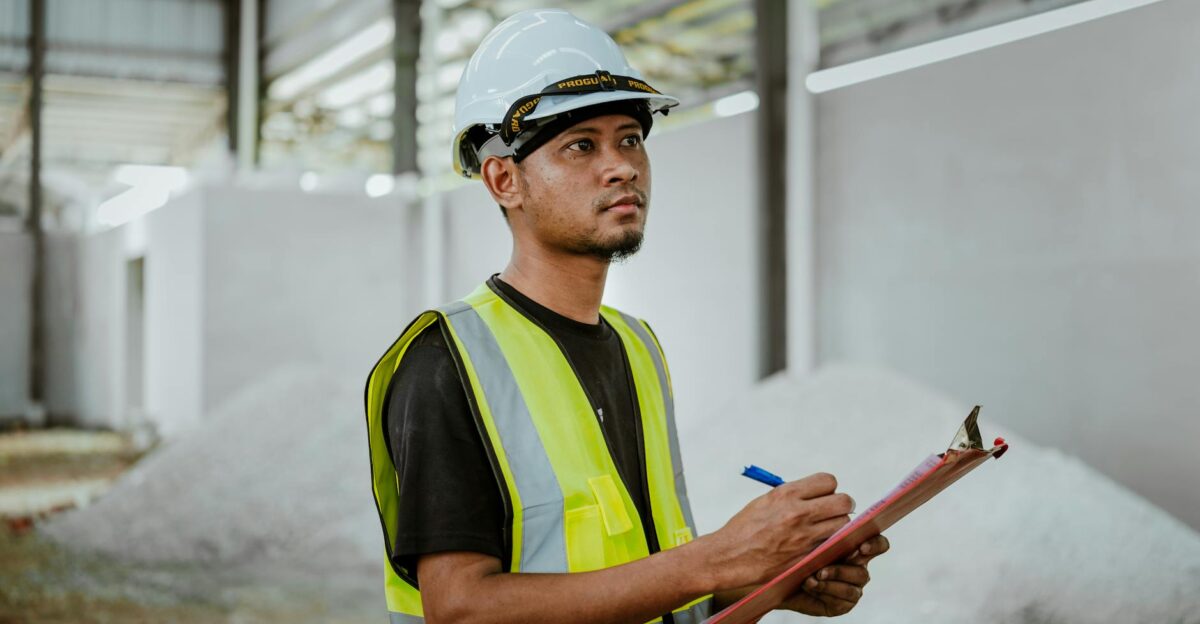
Before this new material can hit the market, regulators must ensure it’s safe for workers, the environment, and future users. Early testing shows it’s non-toxic, recyclable, and safe to handle.
The Environmental Protection Agency has begun exploring guidelines for eco-materials like this. Early reviews have been overwhelmingly positive, according to preliminary reports. If approved, this cement could become one of the first certified carbon-negative construction materials in the world.
Smart Cement of the Future
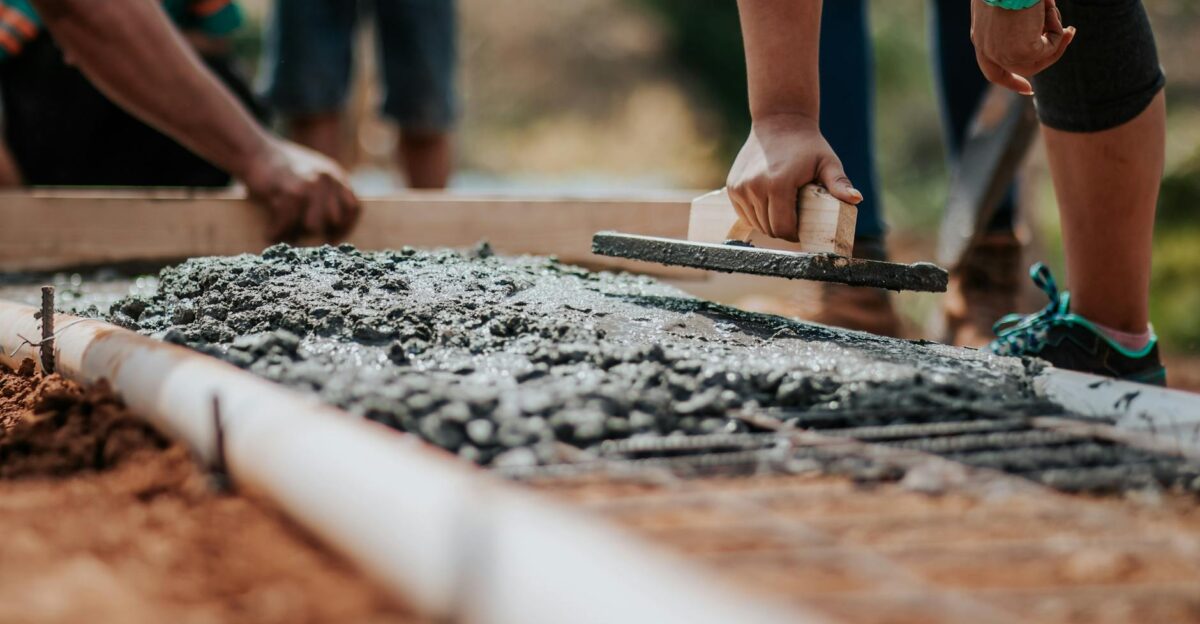
Looking ahead, researchers are experimenting with the idea of 3D-printing super cement for automated construction. They’re also exploring smart additives that allow structures to sense stress or temperature changes.
This combination of sustainability and digital intelligence could lay the foundation for next-generation smart cities where materials contribute to their own maintenance and safety.
A New Foundation for Tomorrow
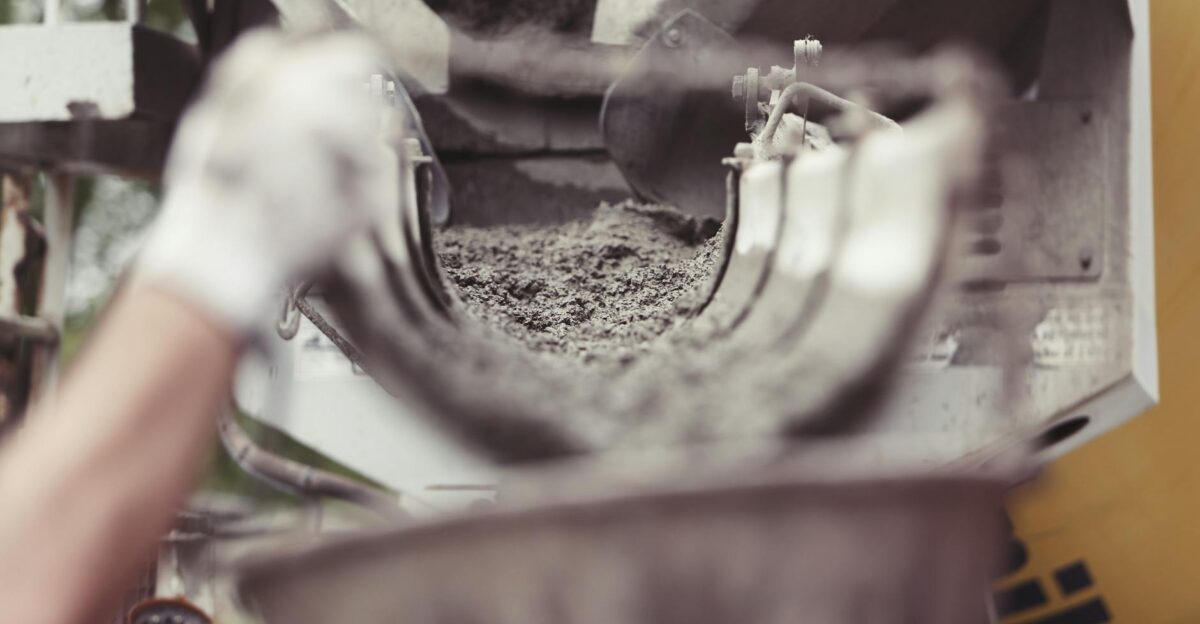
From an accidental discovery to a global climate breakthrough, Arizona’s super cement could reshape both construction and environmental policy. Instead of building that hurts the planet, humanity could finally build in a way that helps heal it.
If commercialized, this could be more than a scientific success, it could be the start of a cleaner, stronger, and more hopeful century for human progress.