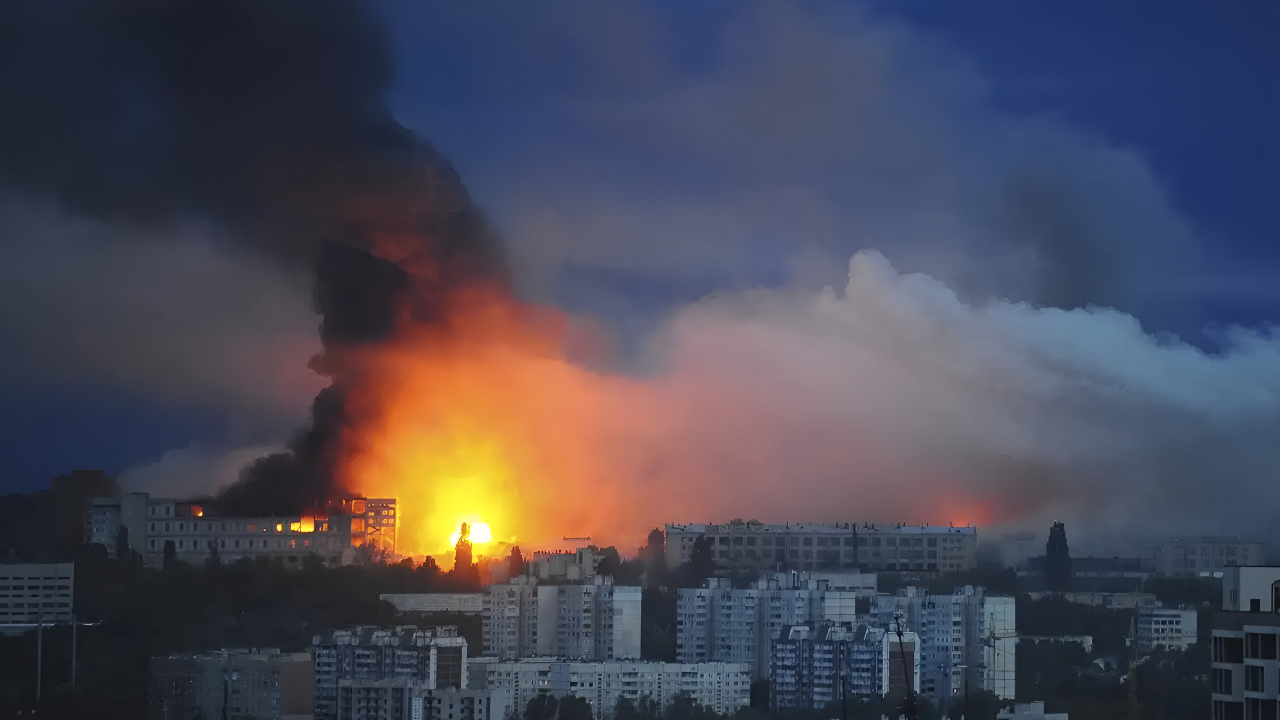
For nearly three years, Russia had weaponized Ukraine’s power grid. Relentless drone and missile barrages darkened cities as winter approached, but Kyiv learned every lesson Moscow’s tactics could teach. On October 31, 2025, Ukraine flipped the script.
Ukrainian drones penetrated hundreds of kilometers into Russian airspace, striking the 750-kV Vladimirskaya Substation near Vladimir—crippling one of Russia’s most critical energy nodes and transforming Ukraine from victim to aggressor in the energy war.
Ukraine’s Coordinated Energy Offensive Reshapes the War
The Vladimirskaya strike was no isolated incident. Between mid-October and November 1, Ukrainian forces executed at least 15 major strikes on Russian energy infrastructure—one coordinated assault every single day.
The campaign targeted critical substations and thermal power plants with surgical precision, disabling an estimated 1.5–2 gigawatts of generating capacity across Russia’s power grid. For the first time in this war, Ukraine had seized the initiative in energy warfare.
Why Vladimirskaya Matters to Russia’s Power Grid
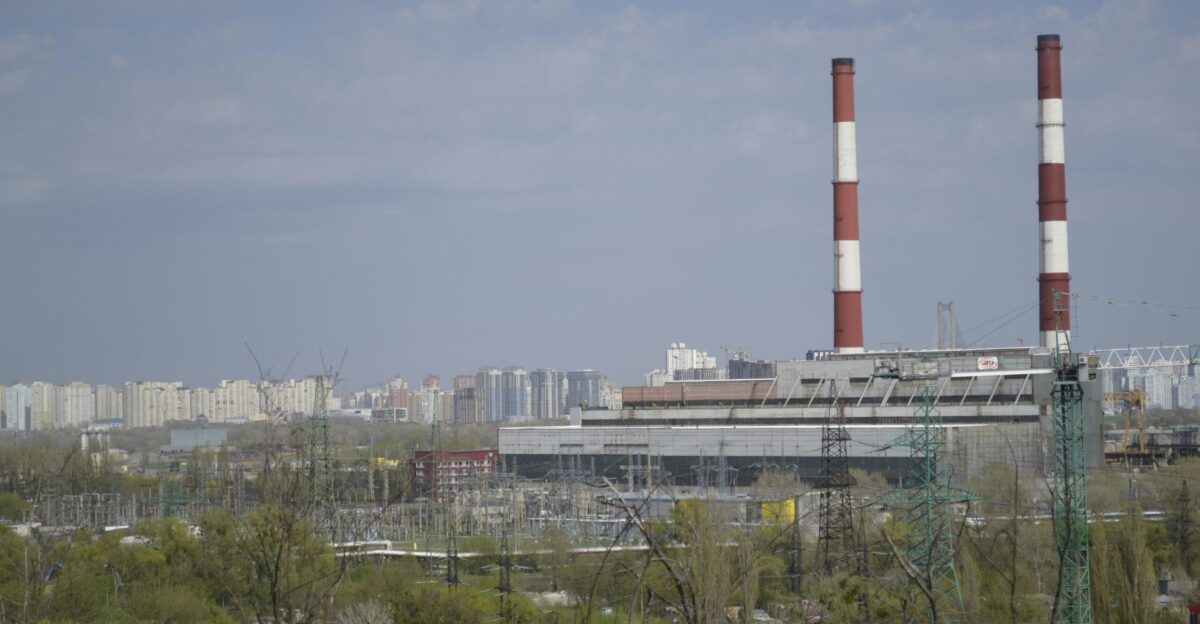
Vladimirskaya isn’t just another power facility; it’s the energy artery connecting Siberia’s vast generating stations to Moscow and Russia’s entire western grid. With an installed capacity of approximately 4,010 megavolt-amperes, this 750-kV hub is a strategic chokepoint.
Ukrainian military planners understood the architecture perfectly: strike Vladimirskaya, and cascading failures ripple across interconnected grids, crippling supply chains, military logistics, and civilian infrastructure simultaneously. It was precision targeting of the highest order.
How Are Ukrainian Drones Penetrating Russia’s Air Defenses?
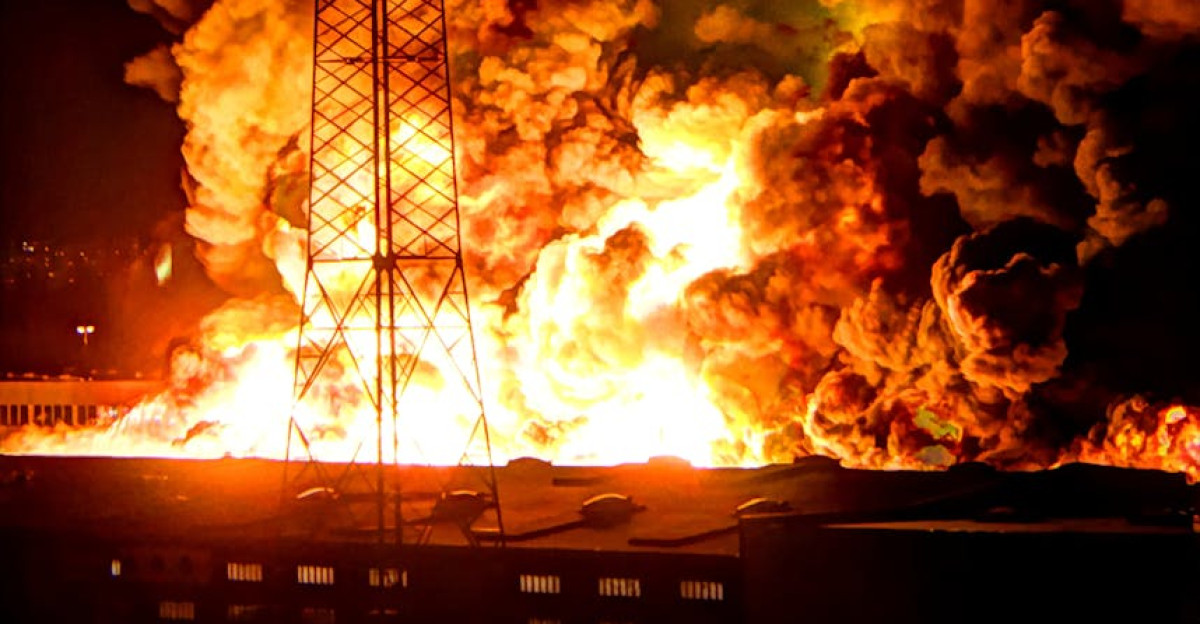
Videos flooding social media showed fires and electrical flashes erupting from Russian substations, white-hot explosions illuminating the night sky. Between mid-October and November 1, Ukrainian forces delivered roughly one significant energy strike every single day—15 major attacks in 15 days.
Military analysts from Washington to Tokyo are asking the same question: How did Ukrainian drones fly hundreds of kilometers into Russian airspace, evade a supposedly world-class air defense network, and strike repeatedly with such precision?
7 Russian Regions Plunge Into Darkness

When Vladimirskaya went dark, approximately 30,000 consumers in the Vladimir region suddenly lost electricity. But the impact didn’t end there. Cascading blackouts swept across seven Russian regions: Vladimir, Oryol, Saratov, Nizhny Novgorod, Bryansk, Volgograd, and the Moscow area, which recorded a 10% voltage drop that reminded millions of Russians how deep Ukraine’s reach extended.
Emergency crews worked through the night, isolating damaged sections and fighting desperately to restore service before winter’s chill deepened.
Ukraine Targets Russia’s Entire Energy Infrastructure

Vladimirskaya was just one piece of a massive coordinated offensive. On the same dates, Ukrainian drones struck the Arzamasskaya substation (500 kV) in Nizhny Novgorod, the Veshkaima substation (500 kV), the Balashovskaya substation (500 kV) in Saratov, and the massive Novobryanskaya substation (750 kV). Thermal power plants in Klintsy and Oryol took direct hits—Oryol was struck twice.
This wasn’t random terrorism; it was a methodical act of warfare. Ukrainian military planners had systematically identified Russia’s highest-capacity transmission nodes and launched a deliberate campaign to dismantle them.
Hospitals Evacuating as Russia’s Power Grid Crumbles

Winter was already knocking on the door when the Klintsy thermal power plant was struck in early October. The facility suffered significant damage, disrupting both power and heating to the region as temperatures began to drop. In Oryol, the situation was grimmer still: thermal power plant strikes on October 30-31 and again on November 4-5 disconnected households from both electricity and heating for extended hours.
Hospitals started evacuating patients. Water supplies dropped. Families huddled together in the cold darkness, waiting for emergency services already stretched to breaking points.
Ukraine’s Strikes Hit Russia’s Military-Industrial Complex

Russia’s ammunition factories rely on a steady and reliable electricity supply. Ukrainian strikes targeted industrial zones, including the Sverdlov ammunition plant in the Nizhny Novgorod region. When engineers assessed damage after the blackouts, production disruptions became apparent.
At the Balashovskaya substation in Saratov, power outages forced the nearby Saratov oil refinery to reduce operations. Across Russian manufacturing zones, factories that had been working around the clock to feed the front suddenly went silent. Supply chains fractured, timelines slipped, and economic losses compounded.
Ukraine Disables 1.5-2 GW of Russian Power

In roughly two weeks, Ukrainian drones disabled or damaged an estimated 1.5–2 gigawatts of Russian generating capacity—a significant portion of regional power infrastructure that took years to build. The Novobryanskaya substation strike knocked out substantial power and affected supply reliability across multiple regions.
Meanwhile, Ukraine had executed over 160 successful drone strikes on Russian oil extraction and refining facilities by October 31 alone. The intensity was relentless, unprecedented, and fundamentally changing how modern warfare damages an adversary’s economy without firing traditional weapons.
The Aircraft Carriers of Energy Infrastructure

Most people don’t think about voltage ratings when they flip a light switch, but 750-kV substations are to national grids what aircraft carriers are to navies—strategic chokepoints that determine everything downstream. These ultra-high-voltage facilities are among the most expensive, complex, and hardest-to-replace nodes in any country’s critical infrastructure.
Damage them, and you’re looking at months of repair work, not days. Supply chains for replacement transformers are global and constrained. You can’t jury-rig a 750-kV substation. Ukraine’s engineers knew exactly what they were targeting.
The Strategic Signal Ukraine Just Sent
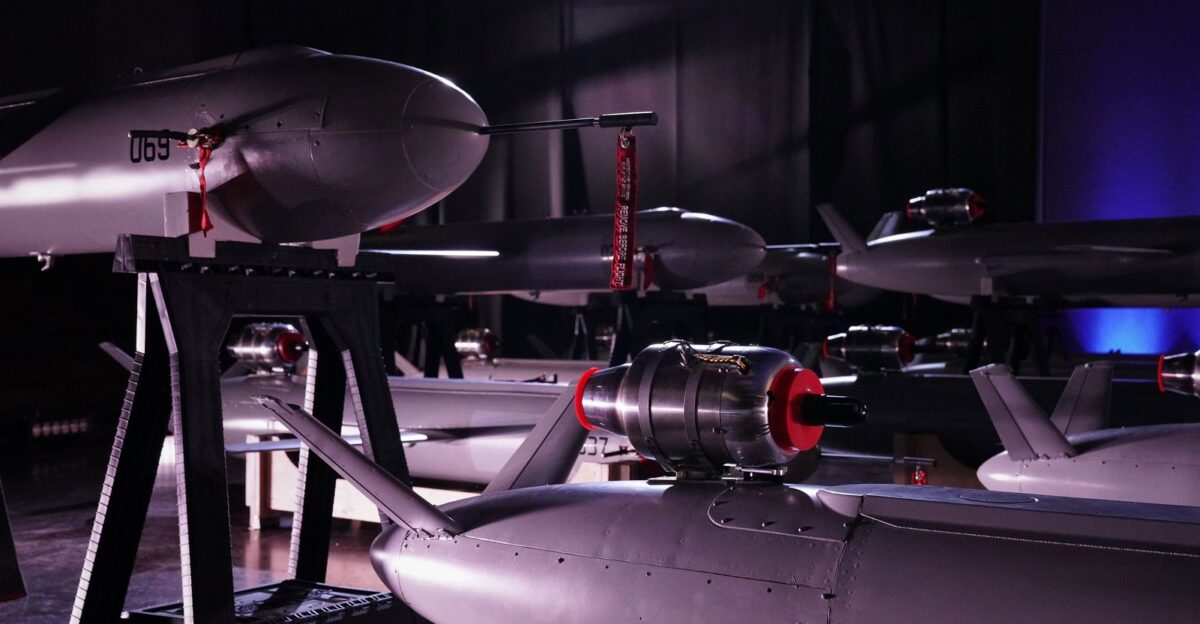
Here’s the question keeping Russian military analysts awake at night: How did Ukrainian drones fly hundreds of kilometers into Russian airspace, evade radar and air defenses, and deliver precision strikes repeatedly?
The penetrations suggest that new Western military technology was transferred to Kyiv, homegrown Ukrainian innovations, or breakthrough intelligence capabilities that enabled navigation through Russian radar patterns—or perhaps all three combined.
What’s strategically significant is clear: Russia’s vaunted air defense network, hyped as one of the world’s most capable, failed catastrophically to stop wave after wave of Ukrainian drones from reaching their targets.
When the Victim Becomes the Aggressor
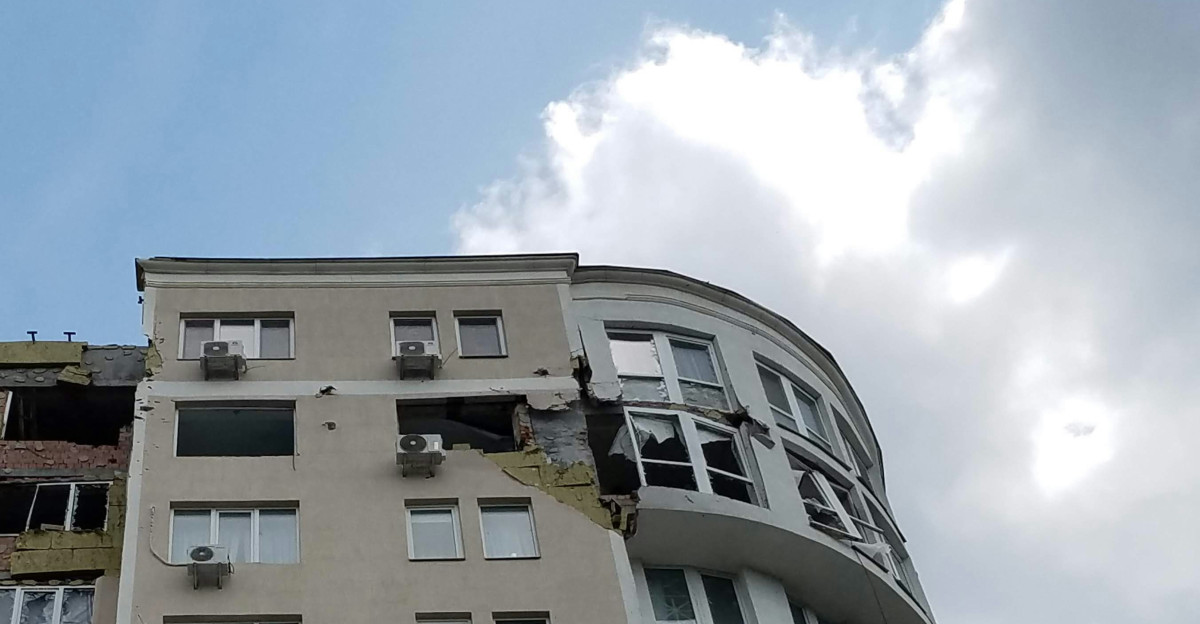
For nearly three years, the energy war had flowed in one direction—against Ukraine. Russia launched 36 strikes on Ukrainian power-generation facilities and 101 on transmission infrastructure by mid-2024. The largest Russian barrage in March 2024 threw 60-plus drones and 90 rockets at Ukrainian targets in a single devastating night.
Ukraine endured, survived, improvised, and rebuilt. But on October 31, 2025, the direction reversed. Ukraine proved it could execute the same playbook Russia had perfected: deep-strike energy warfare targeting critical infrastructure inside a nuclear-armed adversary. The mirror was held up, and Russia saw its own tactics reflected back.
Why Timing Made Ukraine’s Strikes Even More Devastating
Ukrainian military planners didn’t choose late October by accident. Winter in Russia means heating matters profoundly. Without power, you don’t have heat. Elderly populations face hypothermia risks. Hospitals struggle to maintain critical services. Water pipes freeze and burst. Local authorities scramble to open warming centers as families shiver in the dark.
The timing—strikes hitting just as winter was arriving—was cold calculus that maximizes civilian suffering and forces Russia to divert military resources toward humanitarian response, weakening its combat capabilities.
What Ukraine’s Success Means for World Security
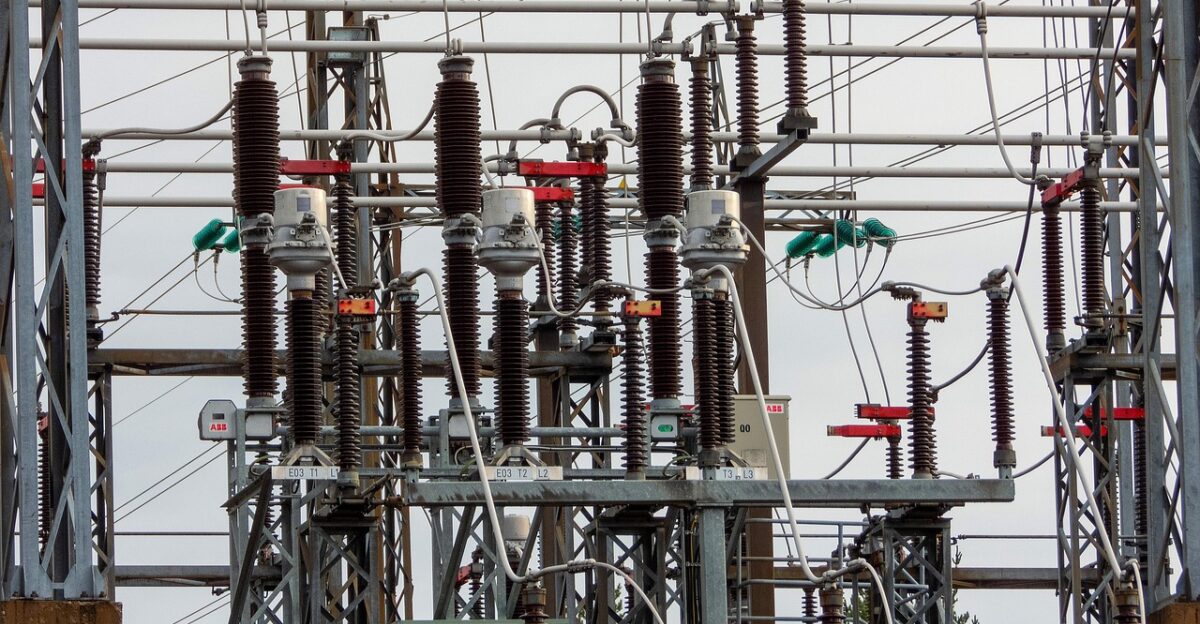
When Ukrainian drones crippled Russian power infrastructure, military analysts in Washington, Brussels, and Tokyo started asking uncomfortable questions. If Ukraine can disable critical energy infrastructure in weeks, what does that mean for infrastructure vulnerability across the developed world? Europe has already launched calls for massive investment in grid resilience and cybersecurity.
The asymmetry is brutal and clear: a drone costing thousands of dollars can disable a billion-dollar substation. The grid—once considered too big, too distributed, too complex to target effectively—suddenly looked frighteningly fragile.
Energy Infrastructure Becomes the War’s Central Front
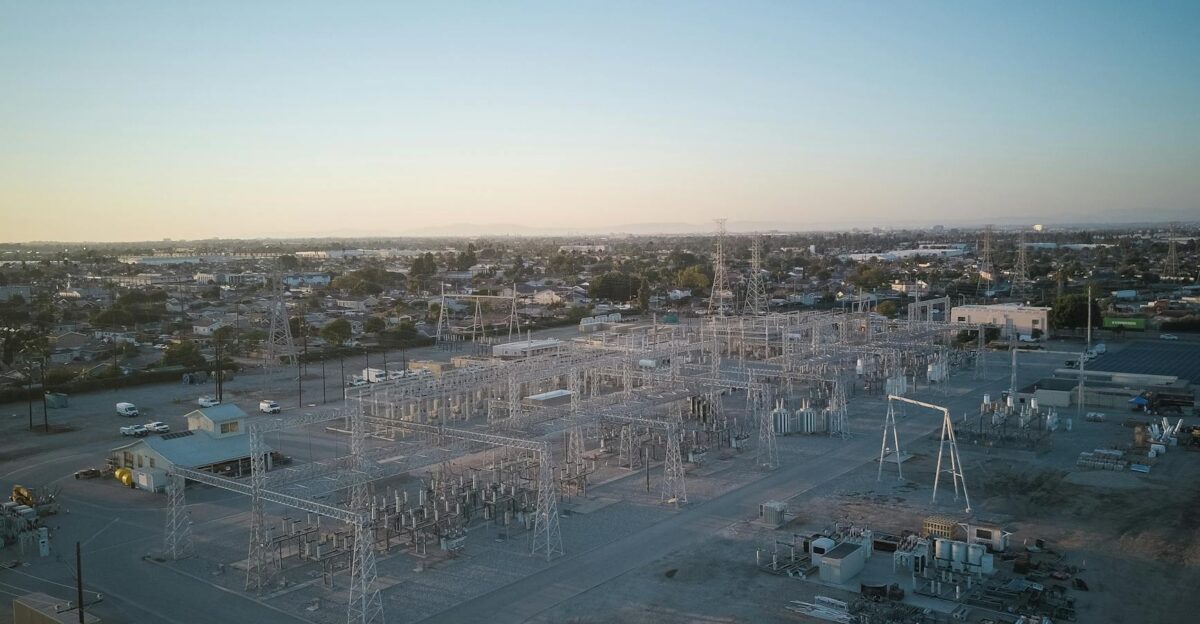
This is the turning point. For three years, the Russia-Ukraine conflict unfolded across muddy trenches, over disabled tanks, and through relentless artillery barrages. But somewhere along the way, the real battleground shifted. Now it’s transformers and transmission lines. Whoever controls the grid controls the ability to sustain military operations and civilian life simultaneously.
Ukraine just proved it understands that calculus better than Moscow expected. The 15 strikes in 15 days signal a fundamental shift: Ukraine has moved from defensive resilience to offensive energy warfare strategy. The cycle of escalation threatens to intensify as winter deepens.