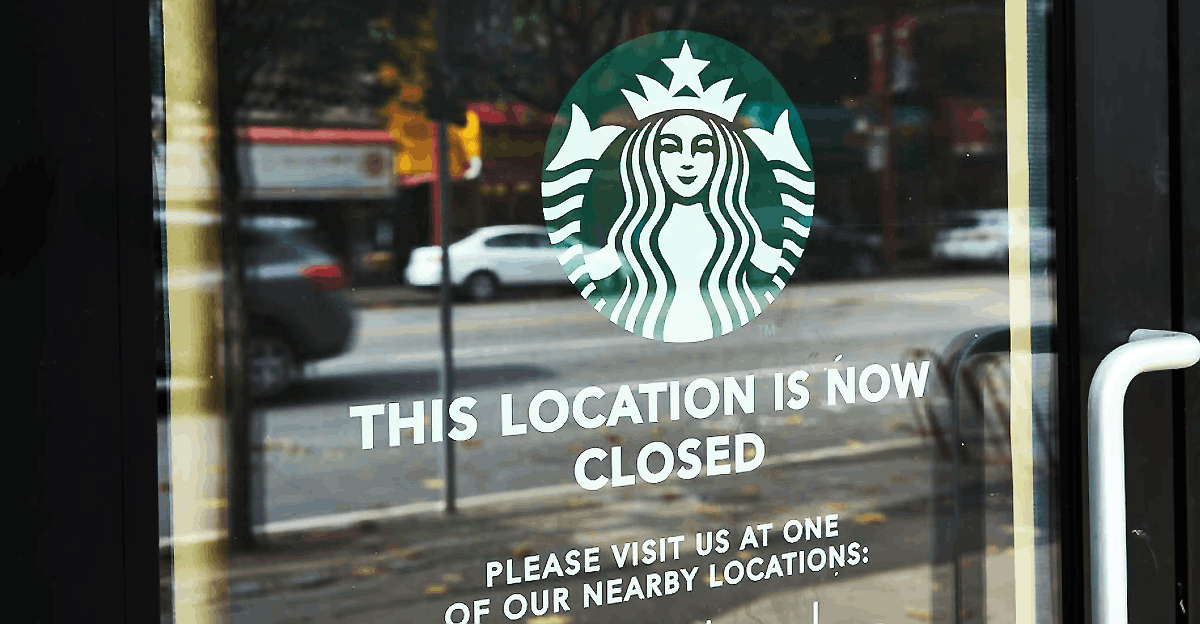
On November 3, 2025, Starbucks made its most unexpected move yet: the coffee giant announced the sale of a 60% controlling stake of its China operations to Boyu Capital for $4 billion.
The deal sent shockwaves through the industry, positioning Boyu, a Hong Kong-based private equity firm, to take control of Starbucks’ 8,000 stores in China. With a bold new partnership on the horizon, could this be the beginning of Starbucks’ retreat from its biggest international market?
Why Starbucks is Selling
The competition from homegrown giants like Luckin Coffee, which now operates over 26,000 stores, pushed Starbucks to make this difficult decision.
Despite 26 years of operations in China, Starbucks’ market share plummeted from 34% in 2019 to 14% by 2024. CEO Brian Niccol emphasized Boyu’s local expertise as a key factor in scaling operations and navigating the fierce market competition.
Impact on Chinese Coffee Drinkers
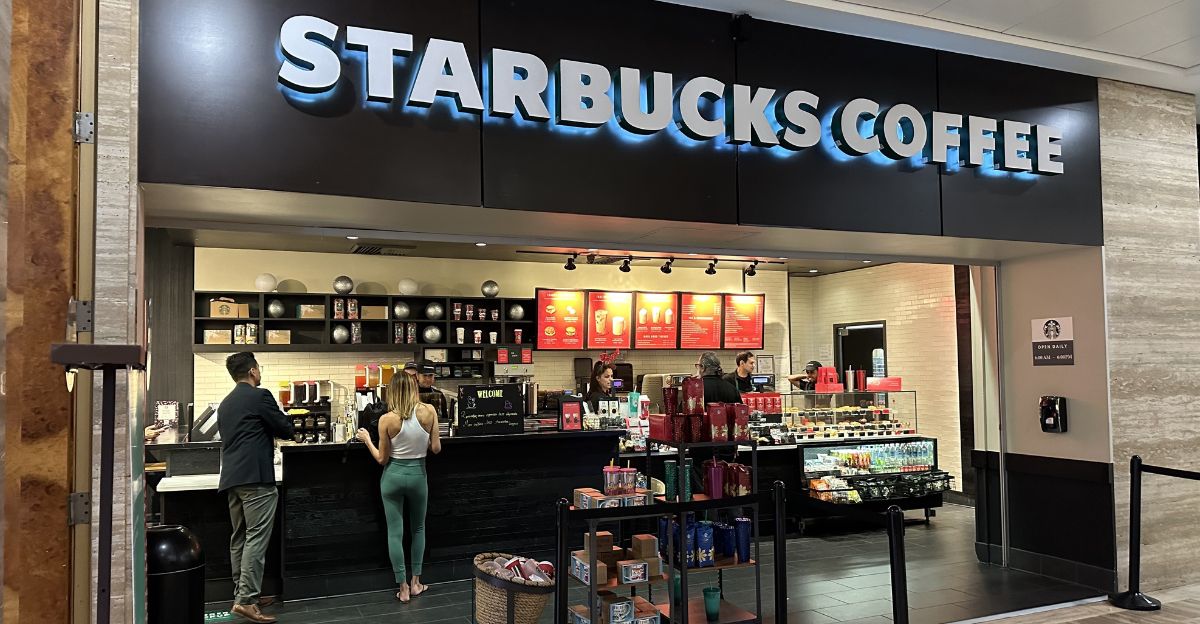
Starbucks customers in China will still find their favorite coffee shops under the new joint venture. Boyu Capital now holds the majority stake, and Starbucks retains 40%.
While Starbucks keeps control over some aspects, changes in menu offerings, pricing, and store design are expected as the new partnership tailors its approach to local preferences and competition.
Western Brands in China: A Pattern Emerges
Starbucks’ move is not unique. McDonald’s sold its China operations in 2017, and Yum Brands spun off its China business (including KFC and Pizza Hut) as a separate company in 2016.
These decisions mirror the struggles that global brands face in adapting to local competition and consumer behavior in China’s dynamic marketplace.
The Rise of Luckin Coffee
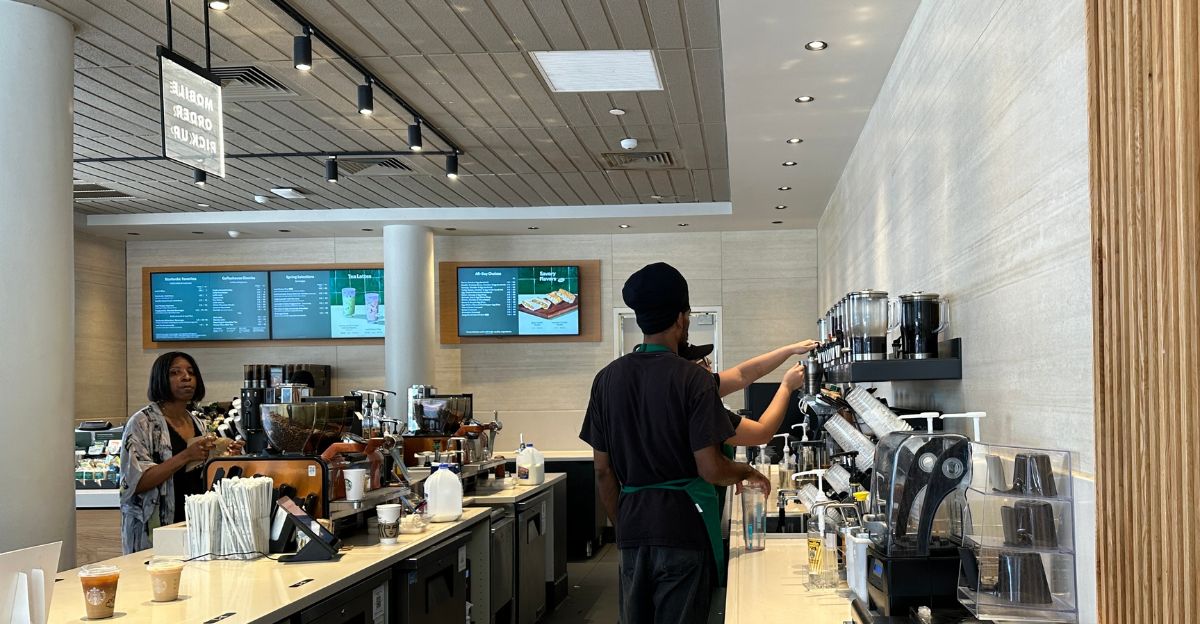
Luckin Coffee has surged ahead of Starbucks, now operating over 26,000 stores, surpassing Starbucks’ 8,000 in China.
Its aggressive pricing and tech-driven approach have been critical to its success, while Starbucks struggles to adjust. Luckin’s dominance highlights the tough market conditions Starbucks faces.
The $4 Billion Deal and Market Context
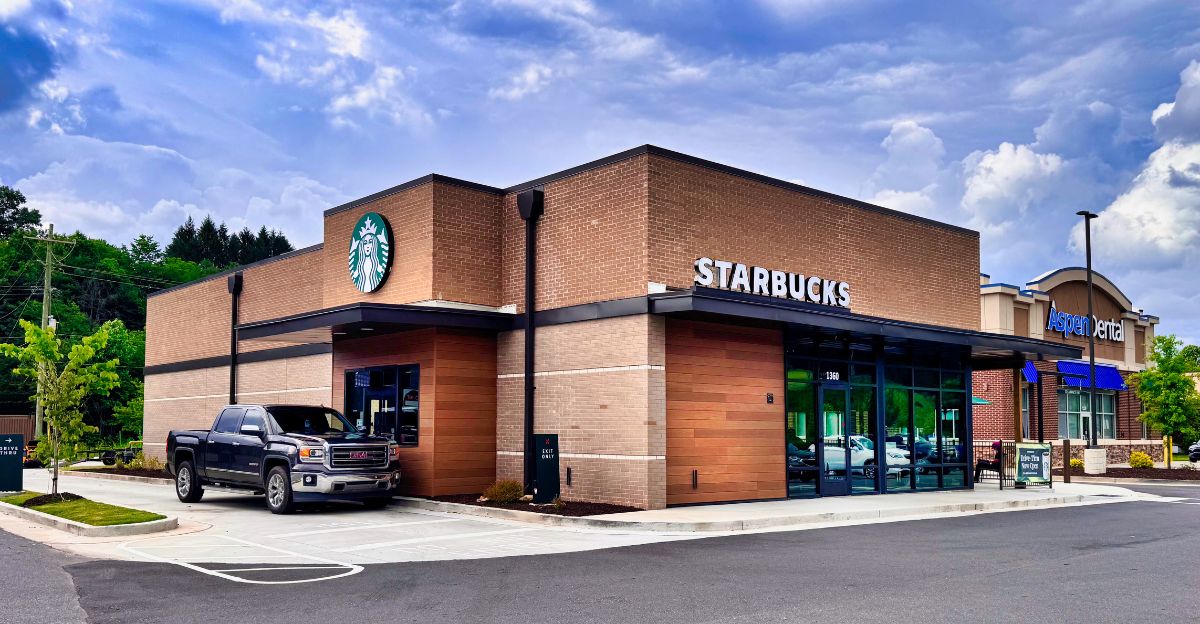
The $4 billion deal to sell a controlling 60% stake values Starbucks’ China operations at $13 billion when accounting for its licensing agreements and retained stake.
This is a significant financial move that highlights the growing importance of local partnerships in China.
How the Joint Venture Will Operate
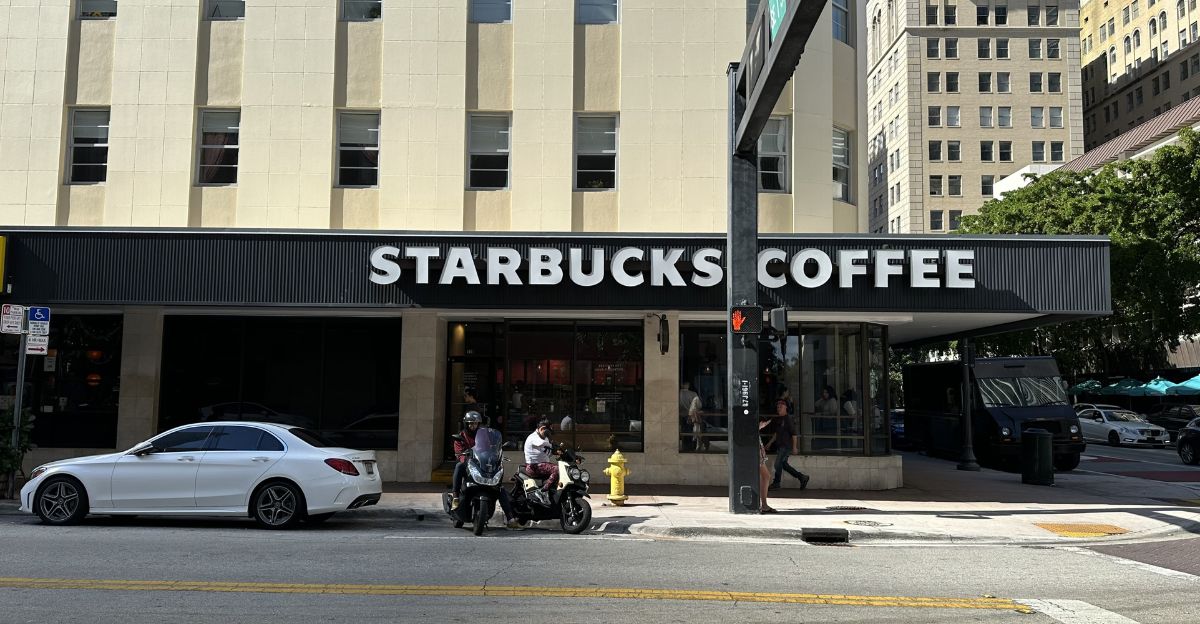
Under the joint venture, Boyu Capital holds the majority stake, and Starbucks retains 40%. The two partners will target over 20,000 stores in China, more than double Starbucks’ current footprint.
Operations will continue from Starbucks’ Shanghai headquarters. This ambitious expansion plan reflects their new strategy for growth.
Regulatory Approval: A Crucial Hurdle
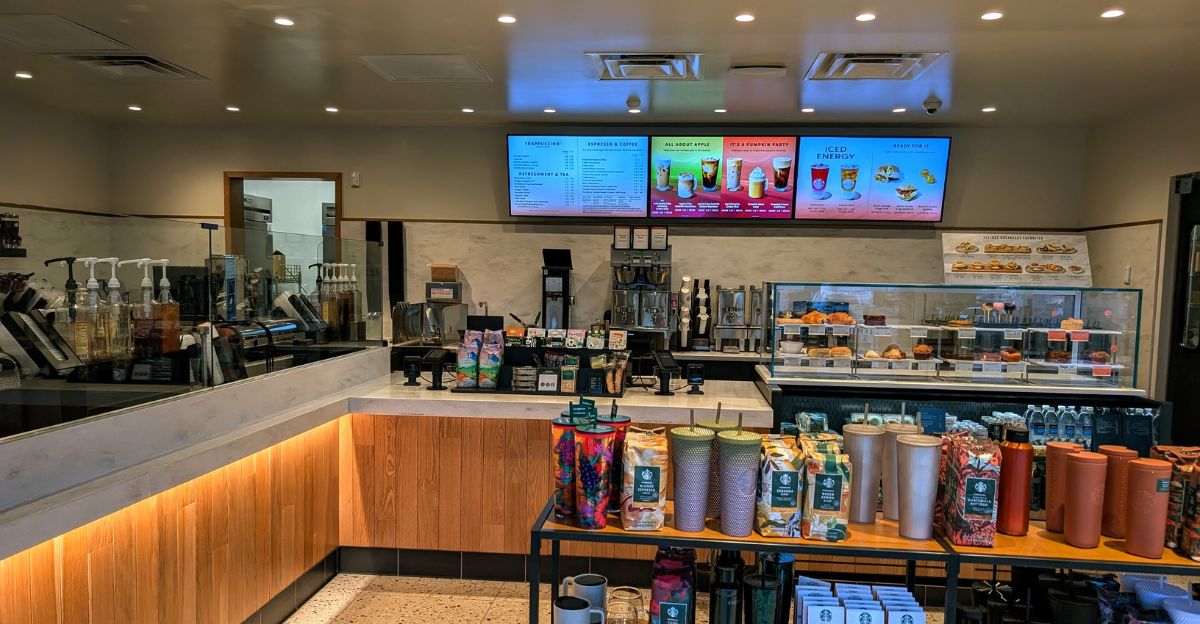
The deal is set to close in Q2 FY2026, pending approval from Chinese regulatory authorities.
Boyu’s experience navigating these processes is expected to fast-track approval, given the firm’s local connections and political ties. This could be a major advantage over foreign-controlled competitors.
Financial Terms and Deal Valuation
Boyu Capital will acquire a 60% stake in Starbucks’ China operations for $4 billion, valuing the business at $13 billion when factoring in Starbucks’ retained 40% stake.
The deal provides Starbucks with capital to expand globally, reduce debt, or enhance shareholder returns.
Boyu Capital’s Strategic Background
Boyu Capital, founded by Alvin Jiang (grandson of former Chinese President Jiang Zemin), is a major player in private equity.
The firm has backed Chinese giants like Alibaba and Ant Group. Its deep ties in China provide a competitive edge in navigating the country’s complex regulatory and business environment.
Local Expertise Drives Expansion
Starbucks and Boyu Capital are joining forces to leverage local knowledge and real estate expertise to scale quickly.
Boyu’s insights into Chinese consumer behavior and its ability to secure prime locations will help Starbucks expand faster than it could alone.
Facing Stiff Competition in China
Starbucks is no longer the dominant player in China. With growing competition from brands like Luckin Coffee, which offers lower prices and tech-driven services,
Starbucks must adapt to survive. The joint venture aims to tackle these challenges head-on.
Mixed Market Reactions to the Deal
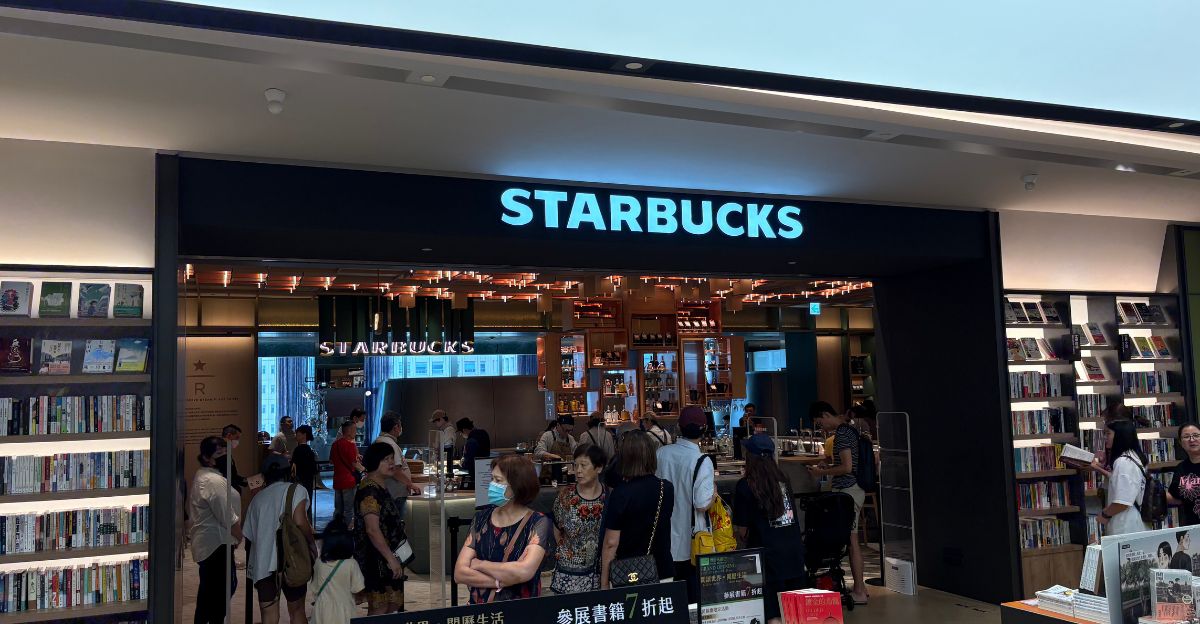
Following the announcement, Starbucks stock saw mixed reactions.
There were after-hours gains, but regular trading the next day saw a slight decline. Investors are cautiously watching how this deal unfolds, with questions about its long-term impact on Starbucks’ global strategy.
Ambitious Expansion Plans
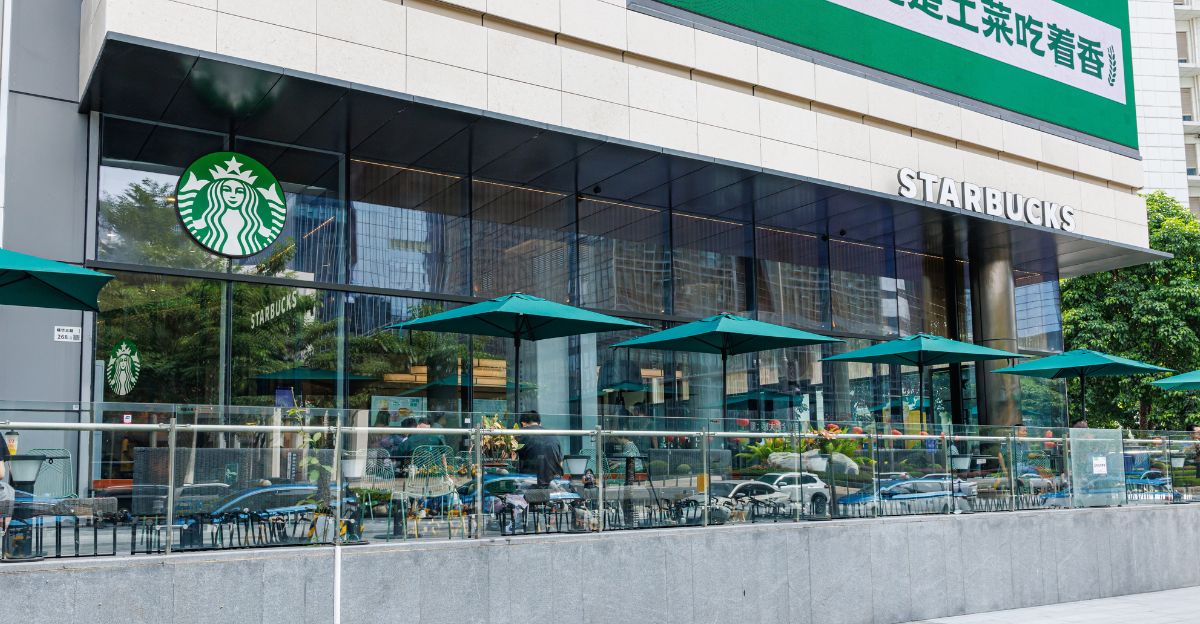
The joint venture aims to increase Starbucks’ presence in China from 8,000 to over 20,000 stores, a 150% expansion.
However, the timeline for reaching this goal is still uncertain, and the competition remains fierce. This ambitious target could be difficult to achieve without faster growth in smaller cities.
Starbucks Keeps a Foot in the Door
By retaining a 40% stake, Starbucks remains involved in China’s future but no longer holds majority control.
This setup offers a mix of ownership and partnership, where Starbucks can still benefit from the growth of the business while reducing its direct responsibility in operations.
The Changing Competitive Landscape
Luckin Coffee’s rapid rise to over 26,000 stores has reshaped China’s coffee market. As Starbucks faces this growing competitor, the company’s strategy must evolve.
Other competitors like Cotti Coffee also pose a significant threat with their price-sensitive offerings.
Western Brands Restructuring in China
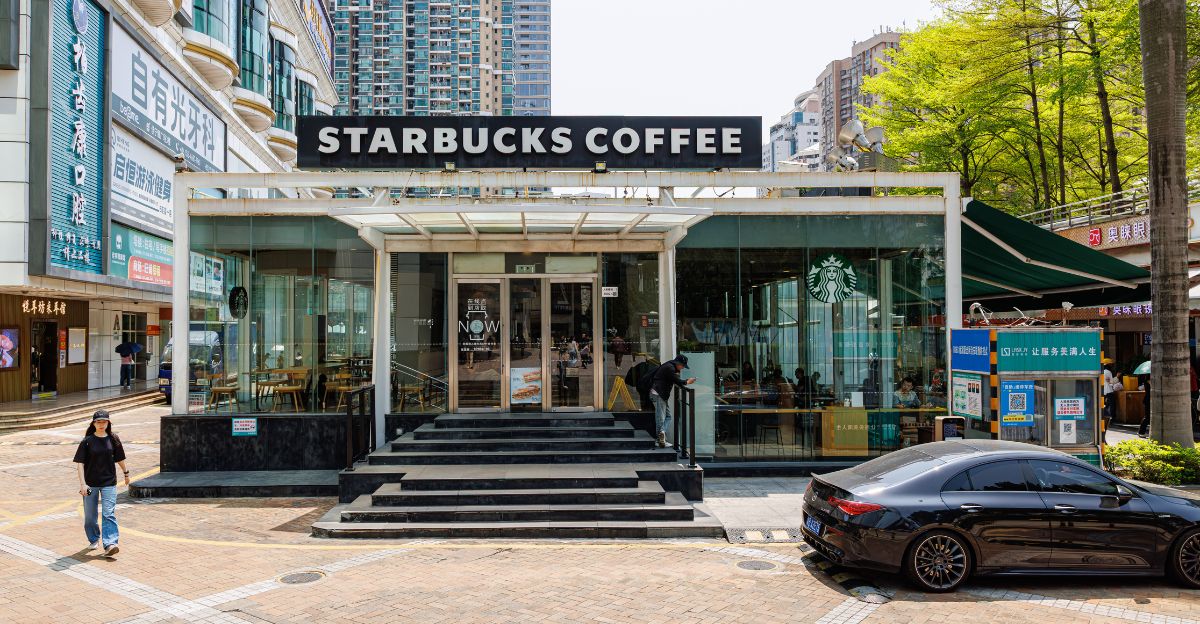
Starbucks’ move is part of a broader trend of Western brands restructuring their operations in China.
McDonald’s sold its China business in 2017, and Yum Brands spun off its China operations in 2016 to adjust to local competition. Starbucks is now following suit.
How Will Consumers Be Affected?

Chinese consumers will still enjoy Starbucks, but there may be noticeable changes.
The joint venture’s approach to localizing products, pricing, and services could create a different Starbucks experience than the one Chinese customers are used to.
Key Dates in the Deal’s Timeline
The deal was announced in early November 2025 and is expected to close in Q2 FY2026, pending regulatory approval.
Starbucks will continue to operate as a minority partner, but the outcome of this deal will shape the company’s future in China and globally.
Final Takeaway: A Strategic Shift
Starbucks’ $4 billion partnership with Boyu Capital marks a pivotal moment in the brand’s history. By ceding control while retaining a stake,
Starbucks positions itself for continued growth in China, but it also reflects the changing global dynamics between East and West.