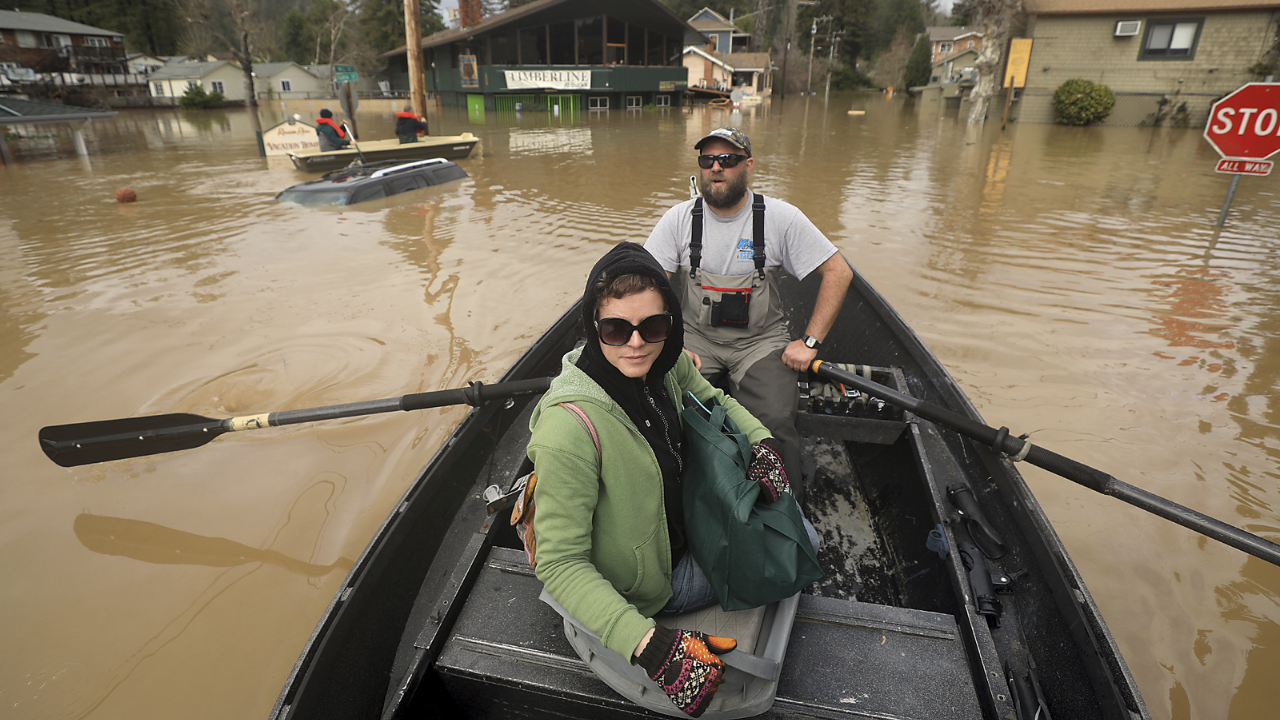
A massive weather event known as the Sky River has slammed into the Pacific Northwest and Northern California, soaking the region with up to 8 inches of rain. The National Weather Service has rated it a Level 5 atmospheric river, the most intense rating possible. More than 50,000 homes are under threat as rivers overflow and coastal areas flood.
Emergency alerts warn of moderate to major coastal flooding, with Washington and Oregon bearing the brunt. The combination of rainfall and wind is pushing communities to the limit.
What’s Powering This Monster Storm?
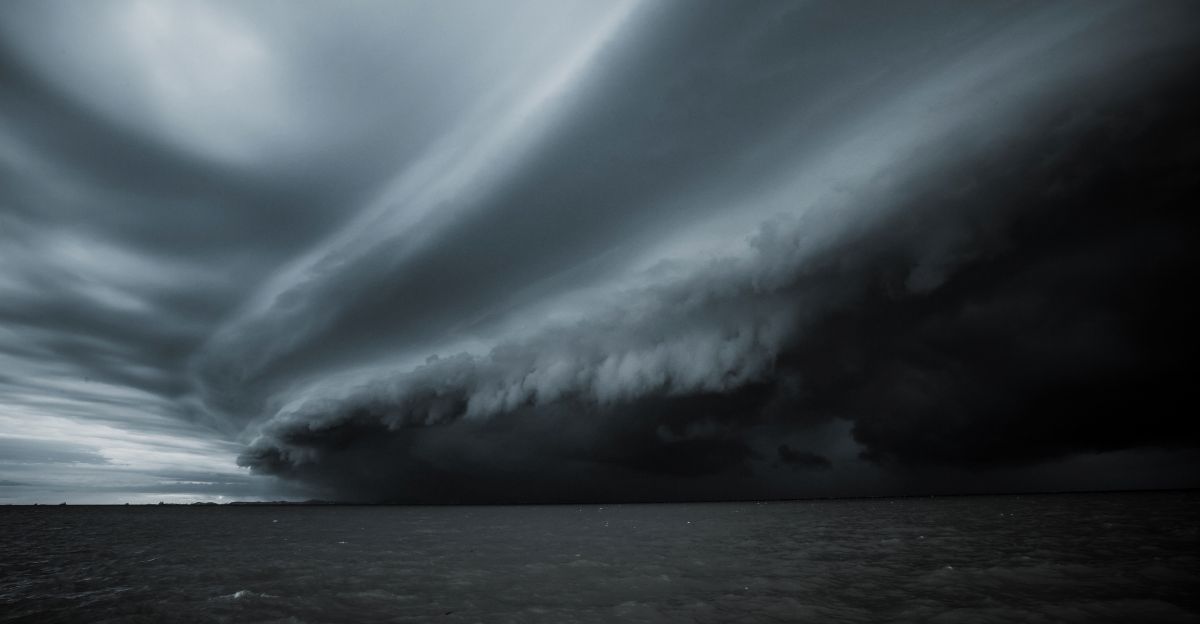
The extreme rains come from a concentrated stream of moisture in the atmosphere moving thousands of miles from the Pacific toward the coast. This one is powered by a strong low-pressure system near the Gulf of Alaska that’s funneling warm, wet air inland.
The Center for Western Weather and Water Extremes (CW3E) has classified the event as AR-5, the highest possible level for intensity and water transport. With soils already saturated from earlier storms, runoff is flowing swiftly into rivers, adding to the flood threat. The combination of strong winds and soaked ground is also toppling trees and knocking out power lines across wide areas.
Floodwaters Force Evacuations and Widespread Closures
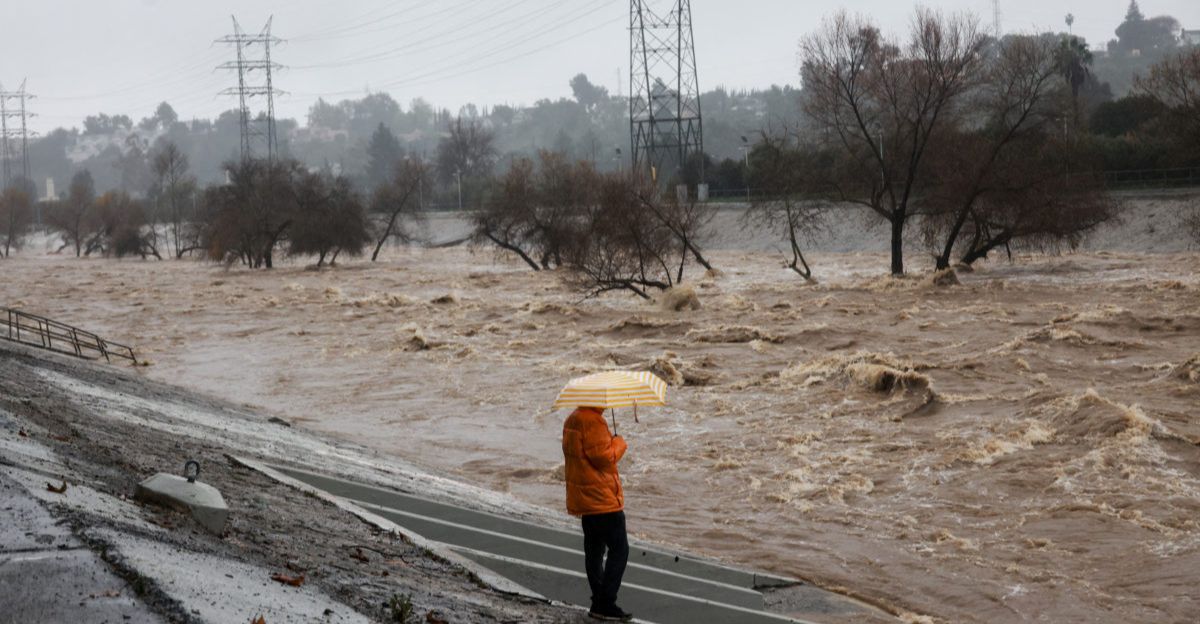
Thousands of people along the West Coast are now being told to evacuate as creeks and rivers overflow. The National Weather Service reports that more than 50,000 homes face an immediate flood risk, especially in low-lying coastal regions. Roads are closing rapidly under fast-moving water, and first responders are stretched thin.
In some communities, rescue teams are using boats to help people reach safety. Local shelters are being set up in schools and community centers, while hospitals prepare for potential emergencies. Residents are urged to stock up on food, water, and essentials, since power and clean water may be limited for days.
Businesses Scramble to Protect Operations
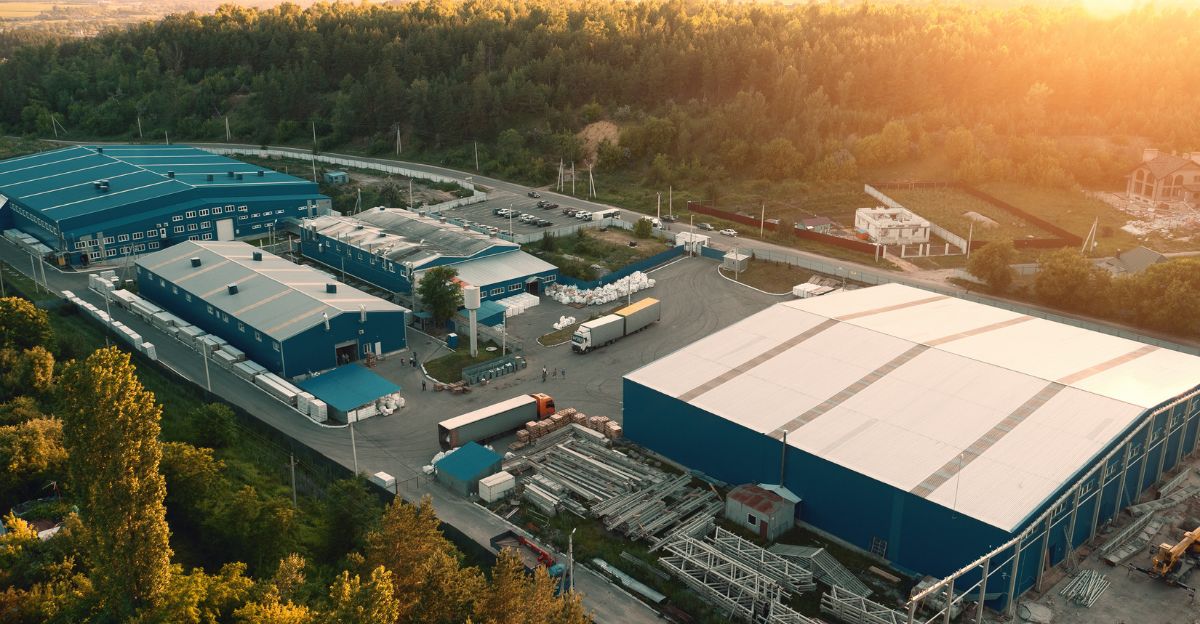
From Seattle to Northern California, businesses are fighting to protect their properties. Retailers, warehouses, and tech companies face closures as roads flood and power goes down. Many delivery routes are cut off, slowing everything from grocery supply runs to online shipments.
In some areas, businesses have activated contingency plans, moving equipment to higher floors, shielding entrances with sandbags, and temporarily relocating staff. Restaurants and small retailers that rely on steady customer traffic are especially vulnerable, with lost sales piling up by the day. Power outages have caused additional damage, forcing cold storage warehouses to rely on costly generators.
Insurance and Construction Brace for a Ripple Effect
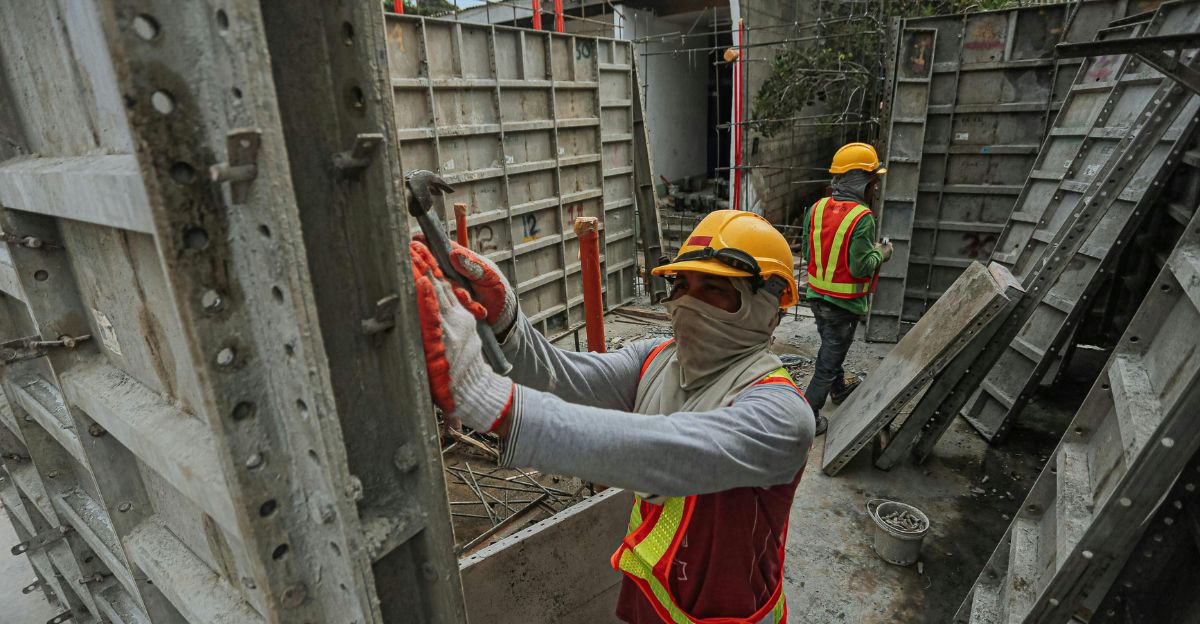
The storm’s massive damage is sending shockwaves through the insurance and construction industries. With tens of thousands of claims expected for flooded homes and soaked properties, insurance companies are racing to process early reports.
Meanwhile, construction projects are grinding to a halt as rain-saturated land becomes too unstable for work. Builders report collapsing trenches and washed-out materials, further delaying housing and infrastructure projects already behind schedule. The storm may ultimately boost demand for construction labor and building materials, driving up costs across the region even after the skies clear.
Global Shipping Slows as Ports Back Up
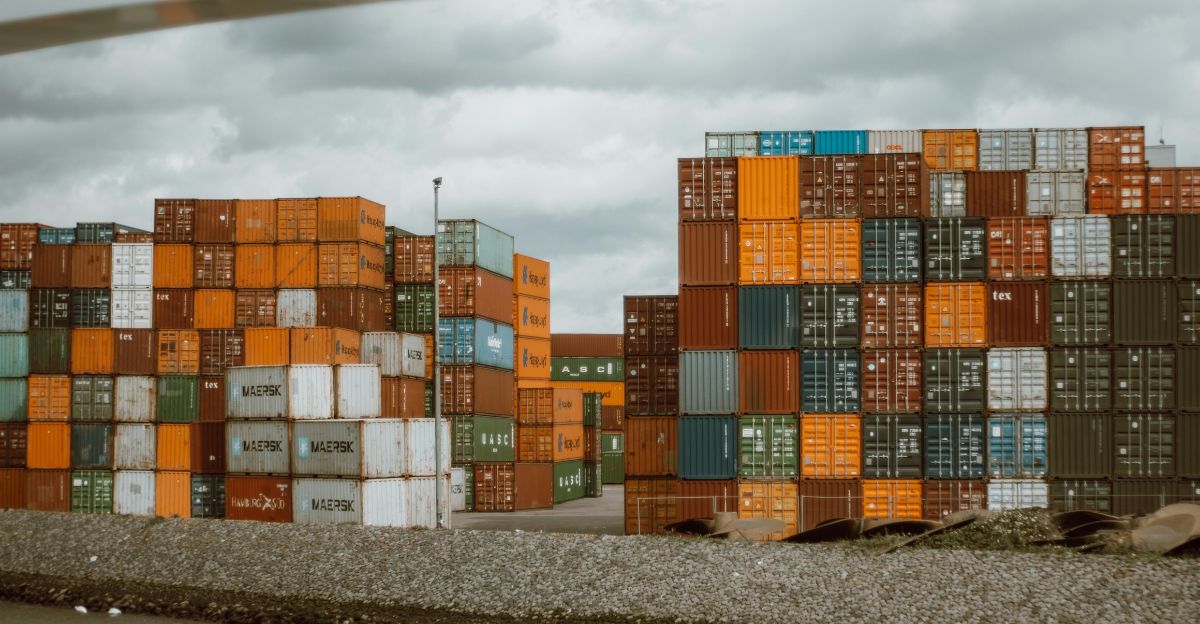
Major West Coast ports, including Seattle, Oakland, and Portland, are facing serious shipping delays. Flooded roads and halted train lines mean goods can’t move efficiently from the ports to warehouses or retailers. Container traffic has slowed sharply, causing ripple effects all the way to international trade hubs in Asia and Europe.
Perishable goods like fruits, seafood, and dairy are among the hardest hit, with thousands of shipments stuck in transit. Electronics, apparel, and auto parts are also delayed, putting pressure on global supply chains that depend on just-in-time delivery. Economists say these disruptions could push prices higher in several markets if delays continue for more than a week.
Farmers Struggle Against Rising Waters
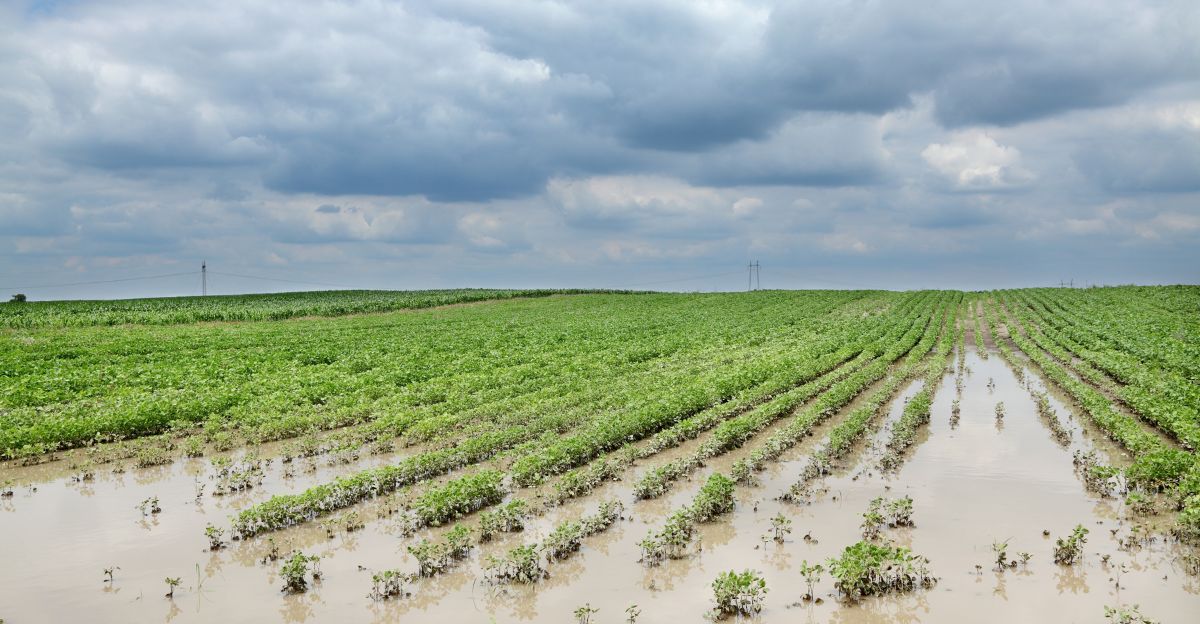
Across Northern California and the Pacific Northwest, farmers face flooded fields, submerged barns, and damaged crops. Dairy and produce farmers are particularly hard hit, with livestock relocated to higher ground and irrigation systems damaged or destroyed. Fields of berries, hay, and vegetables are underwater, possibly wiping out months of work. Small farmers who can’t afford flood insurance risk losing their entire year’s income.
Additionally, many farmworkers have been sent home without pay as work comes to a halt. Rural communities are battling not only lost crops but also washed-out roads that cut off access to feed, fuel, and medical supplies. State agricultural departments are preparing assistance programs and recovery grants, but officials warn that long-term soil damage could reduce yields for several seasons to come.
States Declare Emergencies and Mobilize Help

Washington, Oregon, and California governors have declared official states of emergency as the floods worsen. This move unlocks federal funds, speeds up disaster relief operations, and brings in National Guard units for rescue efforts.
Emergency shelters have been set up across dozens of school buildings, while maintenance crews race to repair power grids and clear blocked highways. National Weather Service teams continue issuing updated alerts and forecasts every few hours as rivers crest. City councils along the coast are already discussing infrastructure upgrades to handle future storms, such as widening storm drains and reinforcing levees.
Prices Rise as Supply Chains Falter

The storm is not just a weather problem, it’s an economic one. Flooding has disrupted the flow of food, gasoline, and construction materials, driving up prices in local stores. Gas stations in Oregon and Washington have already reported limited supplies due to blocked delivery routes.
Hardware stores are seeing shortages of plywood, generators, and sandbags, causing price spikes. With businesses shut and workers unable to travel, local economies are bracing for a temporary slowdown. Some small towns are already experiencing job cuts as businesses pause operations.
Health Officials Warn of Post-Flood Risks

Public health agencies are issuing urgent warnings about sanitation and health hazards following the flooding. Standing water is breeding bacteria, and damaged plumbing systems could spread contamination. “Floodwater is not just rain, it often contains chemicals, sewage, and debris,” said Dr. Alisha Park from Washington State Health.
Mold exposure in flooded homes poses long-term respiratory risks, especially for children and seniors. Hospitals are treating dozens of minor injuries from debris and accidents, while mental health counselors anticipate a surge in stress-related cases due to loss and displacement.
Climate Debate Reignites After Storm

The intensity of the Sky River event has reignited a heated debate about climate resilience. Environmental experts say stronger atmospheric rivers may become more common due to a warming planet that holds more moisture.
Environmental groups argue that outdated building practices and paved-over wetlands have worsened flooding in urban areas. They are calling for stricter building codes, improved drainage systems, and more investment in nature-based defenses such as wetland restoration. Policymakers are under mounting pressure to balance short-term disaster spending with long-term adaptation.
The World Watches America’s Flood Response
International observers are watching the West Coast floods closely as a test of how developed nations handle severe climate-driven disasters. Countries across Europe and Asia are already studying the U.S. response to identify best practices for urban resilience.
Major insurers and governments abroad are tracking how quickly U.S. infrastructure rebounds, since similar atmospheric river patterns affect their own coastlines. The flooding has also sparked new discussions in international forums on how to share climate data, coordinate maritime safety, and fund adaptive engineering projects.
Some Businesses Lose, Others Gain

While the storm is devastating for most, a few industries are unexpectedly benefiting. Companies that handle disaster restoration, emergency supply equipment, and portable energy systems are experiencing sharp surges in demand.
Conversely, the tourism and hospitality sectors have taken a huge hit, with widespread booking cancellations. Small local shops in flood zones face weeks of lost revenue and damage to their inventory. For many business owners, insurance claims and loans will determine whether they reopen at all.
Financial Impacts and Safety Guidance

Financial experts warn of turbulence in markets as insurance, construction, and transport stocks react to the widespread damage. Investors expect short-term volatility as insurers estimate heavy payouts and construction firms position for rebuild contracts.
Meanwhile, residents are being urged to take immediate steps to protect their assets and safety. Homeowners should review their flood insurance coverage, document the property’s conditions, and secure backup power sources where possible. Evacuation orders should be followed without delay to reduce rescue risks.
Building Stronger Communities for a Wetter Future
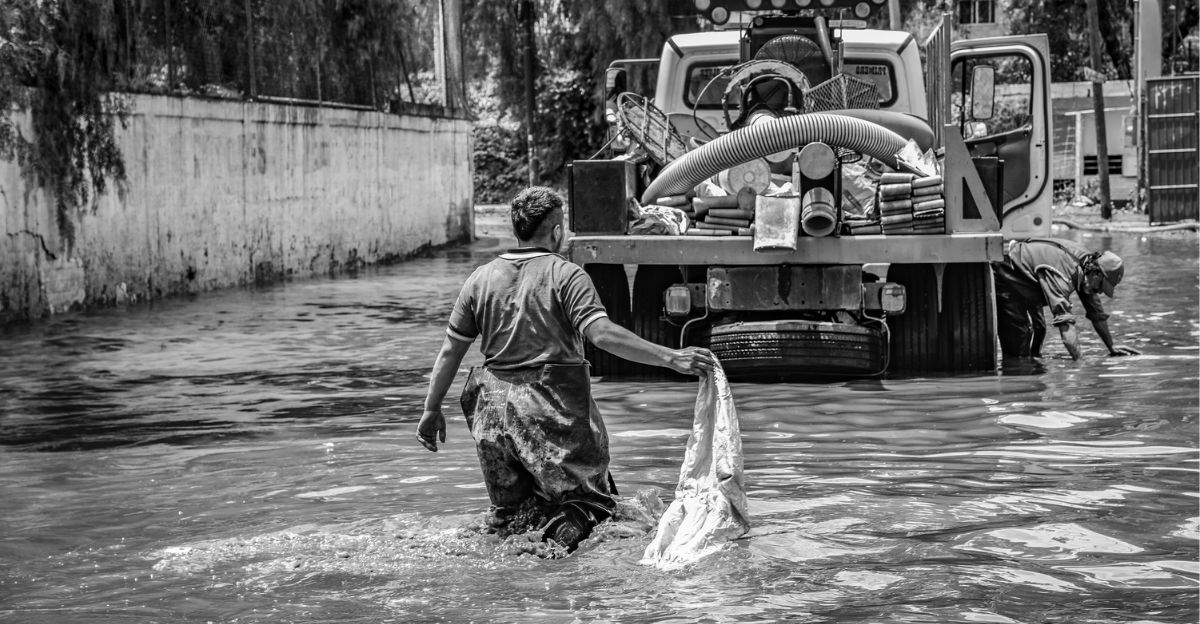
As the rain finally begins to ease, cleanup and rebuilding will take months to complete. Experts warn, however, that this may only be the beginning. Climate scientists predict atmospheric rivers could become stronger and more frequent along the West Coast.
Federal and state leaders are considering new investments in resilient infrastructure, everything from higher levees to smarter water management technologies. Neighborhoods affected by the Sky River storm are also coming together to support displaced families and local recovery drives.