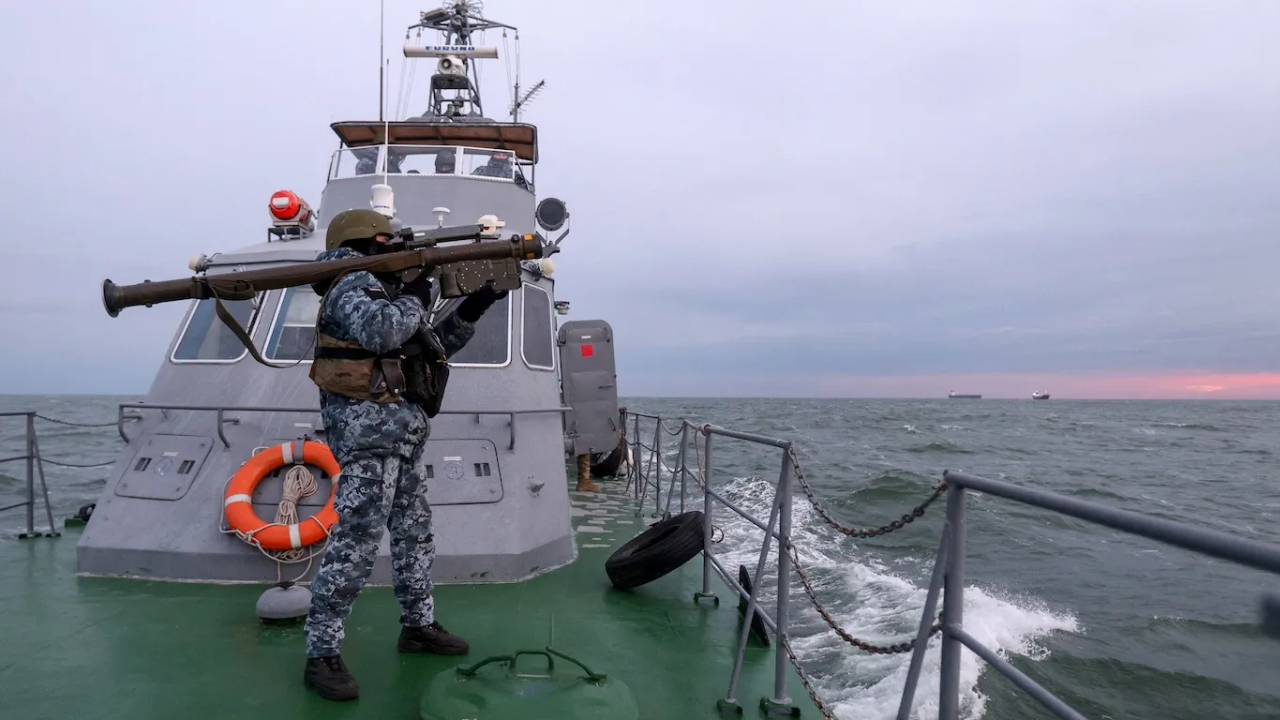
On November 3, 2025, the Ukrainian Navy launched a coordinated drone assault on the Syvash drilling platform off the coast of occupied Crimea. Once an emblem of Ukraine’s energy ambitions, the platform—part of the so-called Boyko Towers—had been seized by Russia in 2014 and transformed into a fortified surveillance outpost. The attack, captured in dramatic footage released by Kyiv, marked a significant escalation in the contest for control and intelligence dominance in the Black Sea.
A Symbol of Energy and Occupation
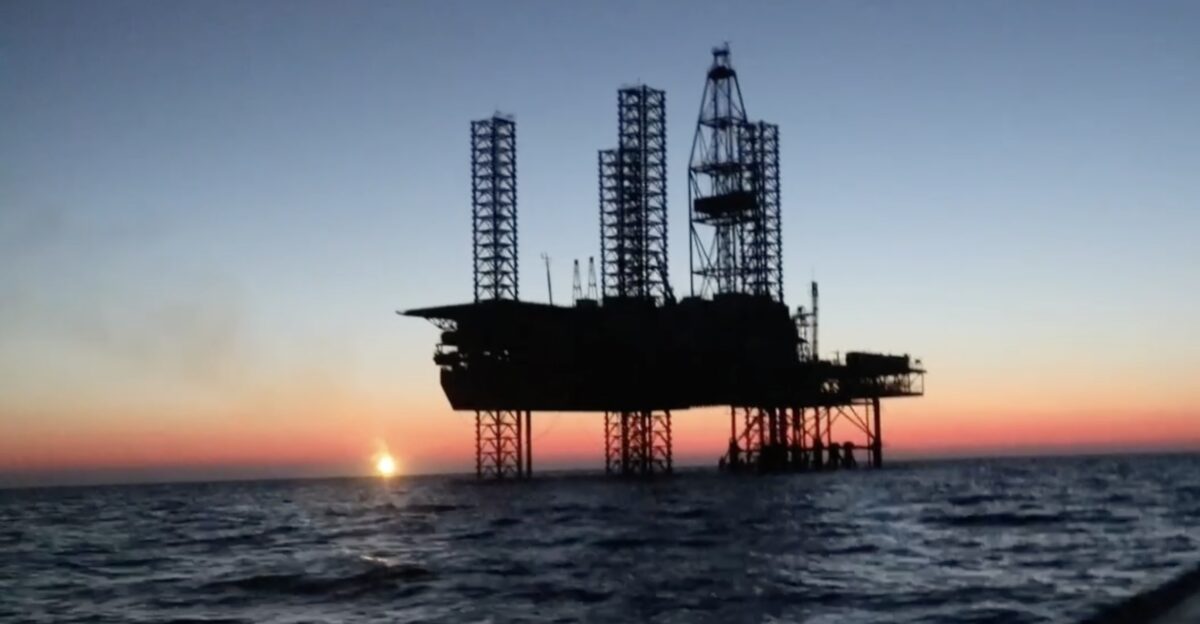
The Syvash platform’s story mirrors the broader struggle between Ukraine and Russia. Originally constructed to bolster Ukraine’s energy independence, the Boyko Towers were named after former Ukrainian Energy Minister Yuriy Boyko. Their seizure during Russia’s annexation of Crimea in 2014 turned them from national assets into strategic liabilities. Located about 100 kilometers from Ukraine’s coast, these platforms became both a symbol of lost sovereignty and a literal battleground for technological and territorial supremacy.
After taking control, Russian forces rapidly militarized the platforms. The Syvash rig, in particular, was outfitted with advanced radar, hydroacoustic sensors, and radio-reconnaissance equipment, serving as a key node for tracking Ukrainian naval and drone movements near Odesa.
Precision Strike and Tactical Innovation
The Ukrainian operation unfolded with a new level of sophistication. Sea drones approached the Syvash platform while FPV (first-person view) aerial drones hovered above, coordinating the assault. The attack eliminated a Russian special forces detachment operating anti-tank systems and surveillance gear, effectively blinding a critical segment of Russia’s coastal defense network.
Footage released by the Ukrainian Navy showed an FPV kamikaze drone closing in on the platform, culminating in a fiery explosion that sent thick smoke billowing into the sky. “We watched the flames from the shore,” said an Odesa resident. “It was a sign that our side can strike back, even at sea.” Ukrainian officials confirmed that the drones not only delivered the strike but also transmitted live targeting data, demonstrating a lethal integration of reconnaissance and attack capabilities.
This approach—combining surface and aerial drones in a synchronized “drone stack”—reflects a broader trend in modern warfare. Similar tactics have been observed in conflicts from the Red Sea to the South China Sea, where unmanned systems are reshaping naval engagements and challenging traditional defenses.
Russian Response and Information War
In the aftermath, Russian state media attempted to reframe the incident, claiming a Russian Lancet drone had destroyed a Ukrainian naval boat. Ukrainian authorities quickly countered with geolocated video evidence of the Syvash platform engulfed in flames, accusing Moscow of “turning another defeat into a victory” through propaganda.
The loss of the Syvash platform reverberated through Russia’s Black Sea command structure. Its destruction created gaps in radar and reconnaissance coverage, weakening Russia’s situational awareness and opening new opportunities for Ukrainian naval and drone operations.
Wider Campaign and Economic Stakes
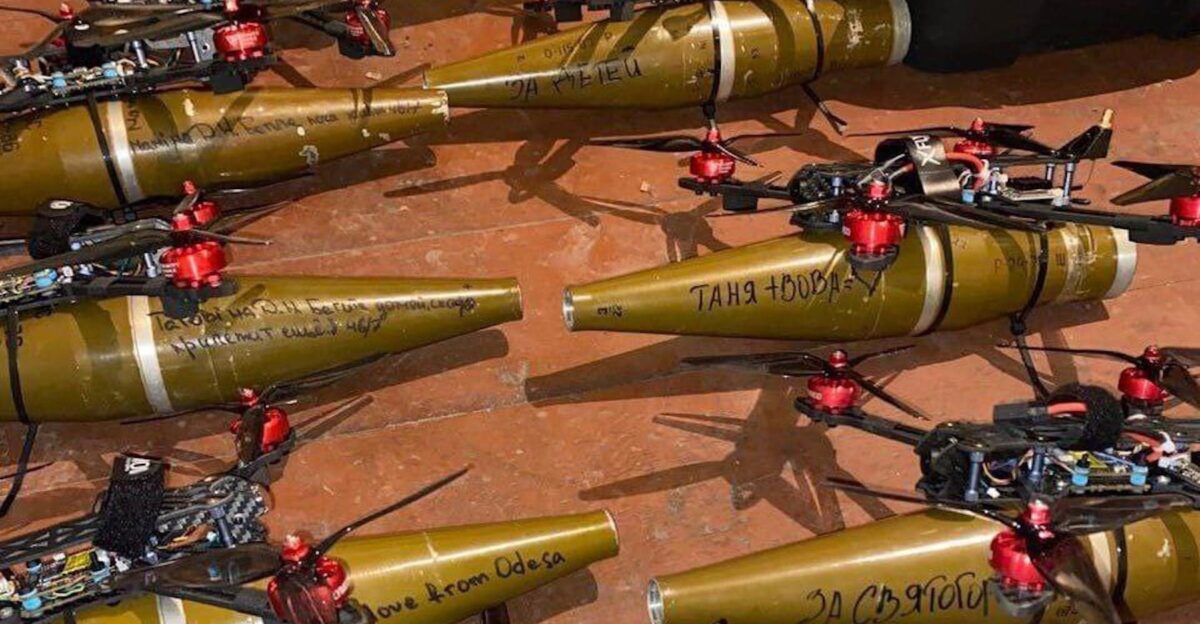
The Syvash strike was part of a broader Ukrainian offensive targeting Russian military and energy infrastructure. Within 48 hours, Ukrainian forces also hit a 92N6E multifunction radar in Crimea, further degrading Russian air and sea defenses.
Simultaneously, Ukrainian drones struck deep inside Russia, damaging the Lukoil refinery and Sibur-Kstovo petrochemical plant near Kstovo—facilities that supply nearly a third of Moscow’s gasoline. Additional attacks disrupted power infrastructure in Kursk and Volgograd, leaving thousands without electricity.
These operations have direct economic implications. The Syvash platform had monitored grain and cargo routes from Odesa and the Danube, vital arteries for Ukraine’s exports and global food security. By neutralizing its surveillance and missile systems, Ukraine improved the safety of merchant convoys, protecting both national interests and international supply chains.
Civilian Toll and the War’s Human Cost

While Ukraine focused on military targets, Russian missile strikes continued to inflict civilian casualties. On November 4, a missile hit the village of Mykolaivka in Dnipropetrovsk Oblast, killing a 65-year-old woman and injuring eight others, including two children. The attack occurred on the eve of Russia’s National Unity Day, underscoring the persistent threat to noncombatants amid the ongoing conflict.
Looking Ahead: Shifting Balance in the Black Sea
As Russia marked National Unity Day, its forces faced mounting challenges across the map—from burning platforms off Crimea to damaged refineries near Moscow. Ukraine’s coordinated drone and naval strikes signal a new phase in the conflict: one defined by precision, reach, and technological innovation. The destruction of the Syvash platform stands as a stark indicator that the balance of power in the Black Sea is shifting, with implications for regional security, global trade, and the evolving nature of modern warfare.