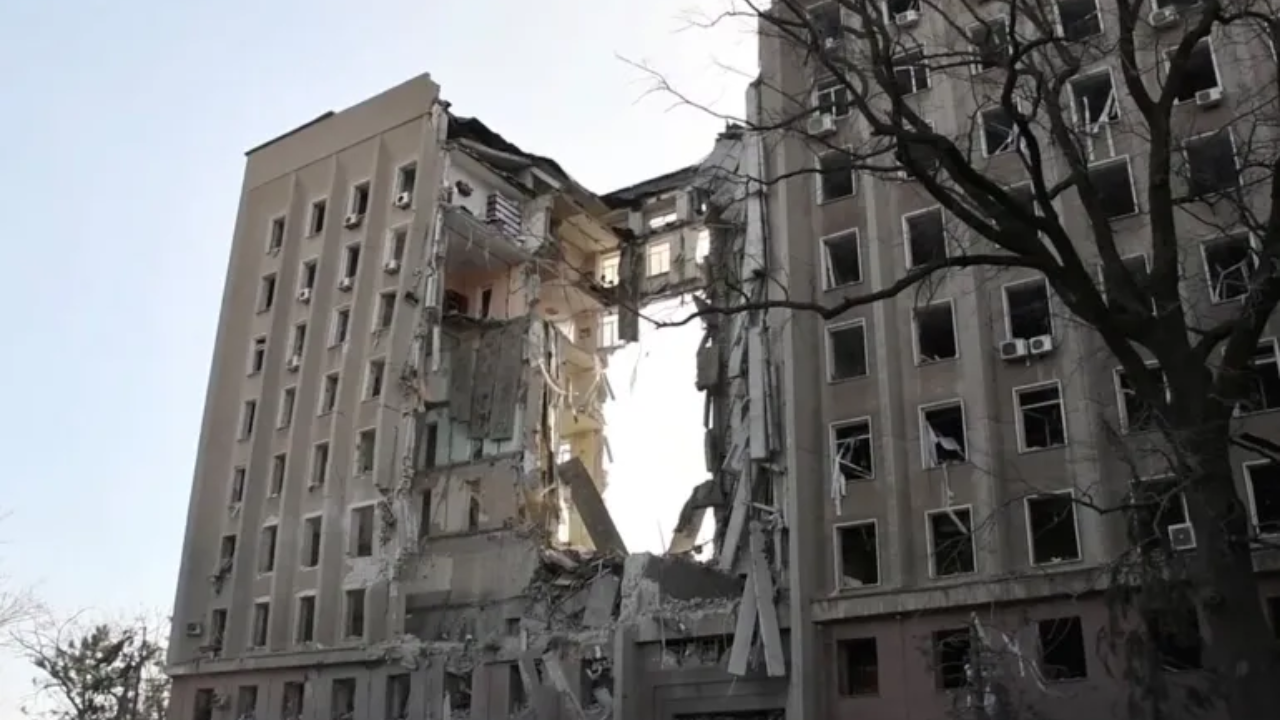
Just past 2:58 a.m. on November 3, 2025, a swarm of Russian Shahed-131/136 drones tore through the Mykolaiv region. Within minutes, a sprawling supermarket—roughly 2,000 square meters—was engulfed in flames, while nearby explosions shattered apartment windows and damaged vehicles. The sky glowed orange as firefighters battled the blaze.
At the same time, energy-infrastructure damage plunged 12 settlements into darkness. For residents jolted awake in the early morning hours, the attack turned an ordinary night into one of chaos and fear. It marked a chilling new front in Russia’s war on civilian life.
Escalating Attacks: Why Civilian Targets?
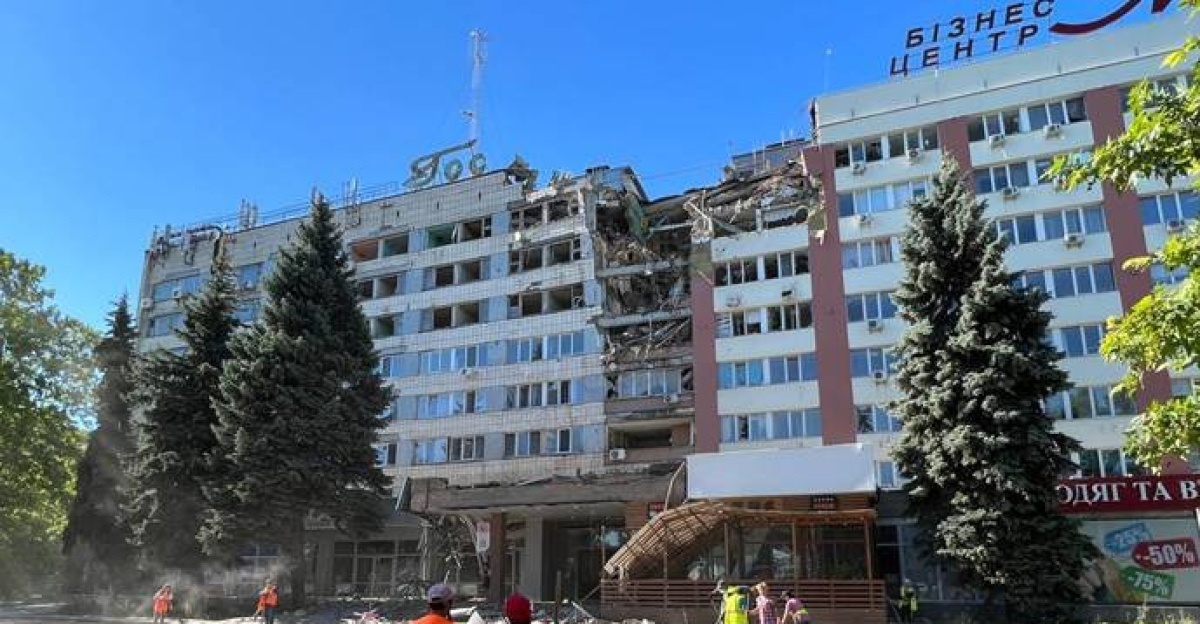
The assault on Mykolaiv is part of a broader pattern: Russia has intensified strikes on non-military infrastructure to destabilize everyday life. Attacks now routinely hit supermarkets, power grids, and residential areas—assets essential to Ukraine’s civilian resilience.
According to Human Rights Watch, early-2025 saw a higher civilian death toll than the same period in 2024, while UN monitors confirm an ongoing strategy of systematic targeting. Moscow’s approach aims to exhaust communities and pressure Kyiv politically through sustained hardship.
Consumers Face Immediate Food Shortages
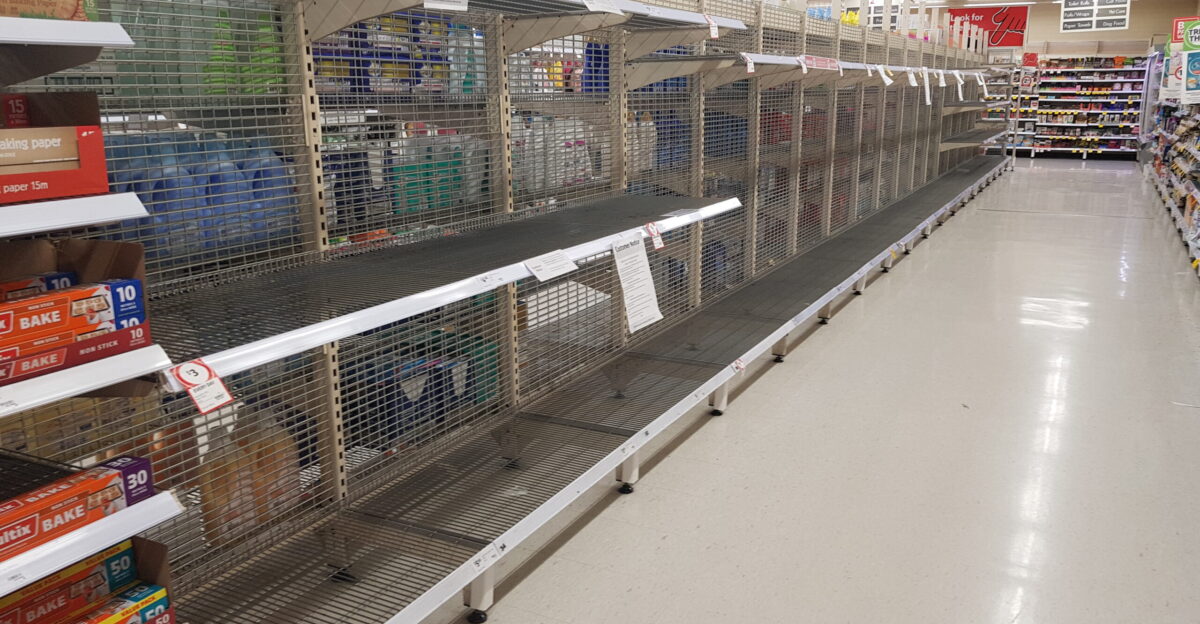
The supermarket’s destruction instantly limited access to essential goods for thousands of residents. With the store gone, surrounding shops now shoulder overwhelming demand, creating shortages of bread, produce, and basic supplies.
Power outages across 12 settlements worsened the crisis, interrupting refrigeration and food storage. For families already coping with wartime scarcity, the compounded disruption has made even simple meals harder to secure.
Emergency Response Restores Power Grid

Despite extensive damage, Ukrainian emergency teams worked through the night to restore electricity. Within hours, power returned to all affected communities—proof of growing resilience and rapid-response capacity.
The speed of recovery highlights hard-won experience from years of strikes on the grid. Yet each new attack tests these systems anew, revealing the constant balance between readiness and vulnerability.
Supply Chain Disruption Expected
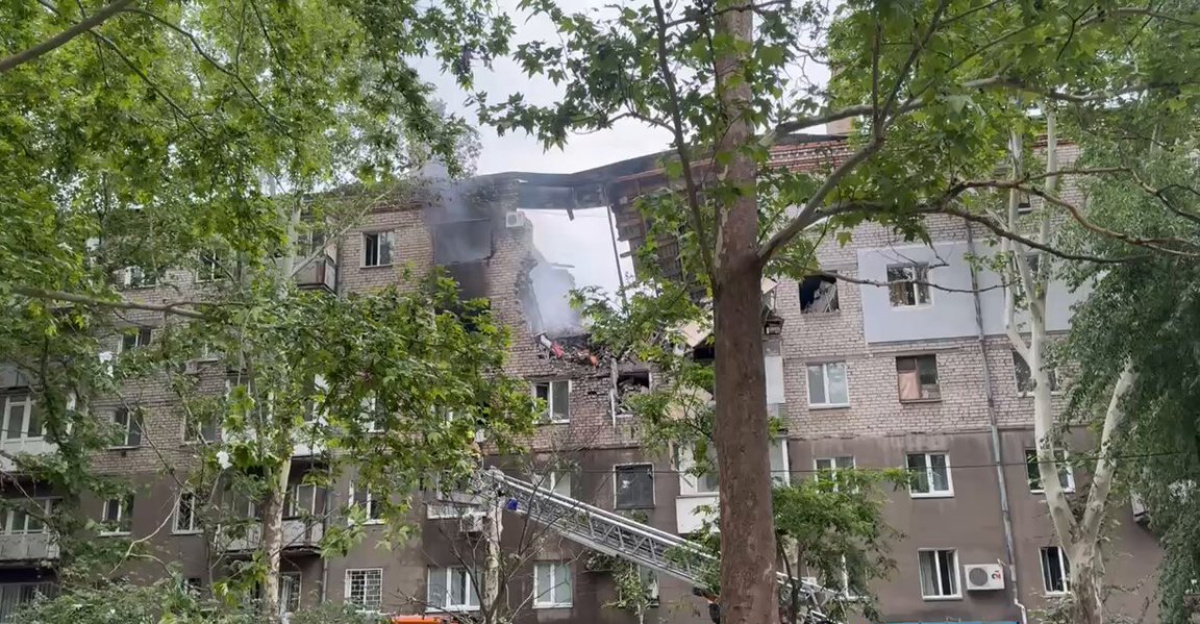
With one major retail hub offline, the region’s food-supply chain faces significant strain. Truck routes, warehouse logistics, and inventory management all suffer when a node like Mykolaiv’s supermarket is destroyed.
Other stores will likely experience shortages and price hikes as distribution adjusts. For smaller villages dependent on central retailers, disruptions ripple fast—turning logistical issues into humanitarian concerns.
Broader Implications for Food Security
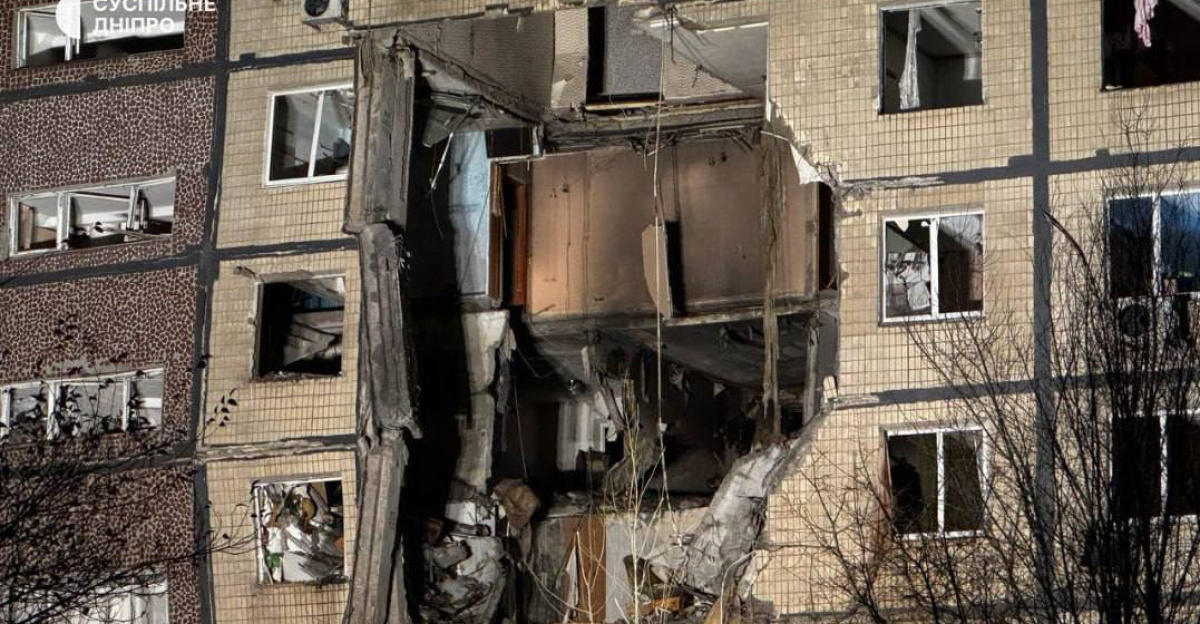
This single strike exposes a larger danger: the deliberate targeting of Ukraine’s food-distribution infrastructure. From supermarkets to storage facilities, the civilian economy is becoming part of the battlefield.
The November 3 Mykolaiv attack was part of coordinated nationwide strikes on Ukraine’s food supply. Just hours earlier on November 2, Russian drones destroyed an 11,000-square-meter Star Brands warehouse in Pavlohrad, completely burning the facility that stored Flint croutons, Big Bob snacks, and Chipster’s chips—with tens of millions worth of products lost. Combined with the Mykolaiv supermarket destruction, regional power-outage spoilage across 12 settlements, and cascading supply-chain disruptions, the coordinated wave of attacks eliminated approximately $10 million in Ukrainian food supply across multiple regions within 48 hours.
Such attacks threaten national food security by undermining access, affordability, and stability. For communities already enduring winter hardships, every destroyed warehouse or store chips away at their ability to endure the war.
Human Toll: Zero Casualties but Economic Impact

Governor Vitalii Kim confirmed there were no casualties—an outcome credited to alert systems and rapid evacuations. The 2,000 m² inferno burned intensely but spared lives thanks to improved warning networks.
Still, the economic fallout is steep. Dozens of employees lost their workplace overnight, while suppliers, farmers, and transporters face cascading losses. The attack leaves a void in local commerce that recovery efforts must now fill.
Policy Makers Tighten Civilian Protections
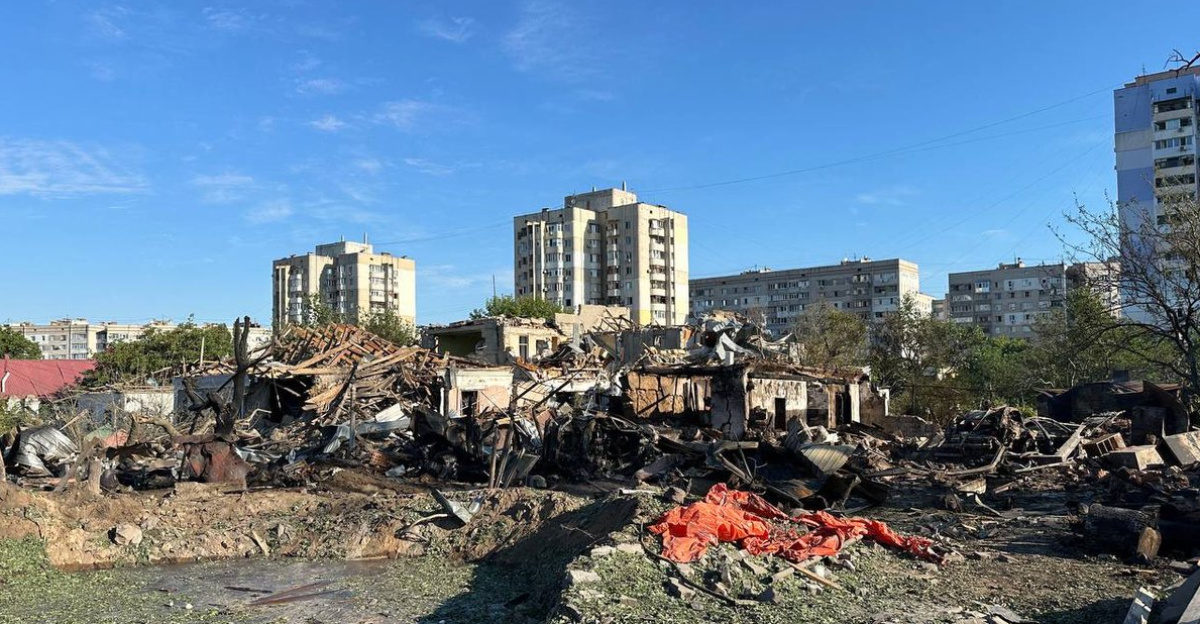
In Kyiv and Mykolaiv alike, officials are accelerating civilian-protection measures. Emergency-response drills, reinforced energy infrastructure, and pre-positioned repair crews are becoming standard practice.
The swift reconnection of 12 settlements underscores a new phase in governance under fire: resilience by design. Ukraine is investing not only in defense but in the systems that keep daily life functioning despite ongoing attacks.
Economic Pressures Mount
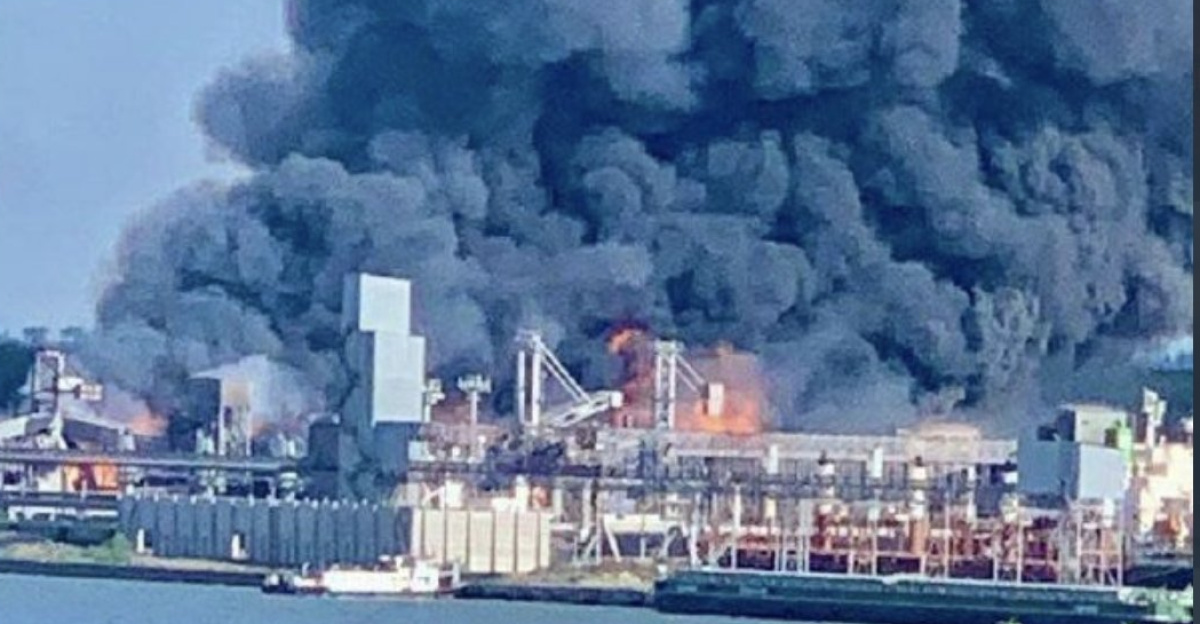
Each strike on commercial infrastructure drives up costs for consumers and governments alike. Lost inventory, repair expenses, and reduced tax revenue all strain Ukraine’s wartime economy.
In Mykolaiv, the supermarket fire—estimated to cause $500,000 to $2 million in damages—illustrates how economic warfare complements physical destruction. When markets burn, communities lose both livelihoods and local stability.
Community Health Concerns Emerge

Interrupted access to food and refrigeration raises urgent public-health risks. Without reliable electricity, perishables spoil, and families turn to lower-nutrition substitutes.
Children and the elderly are particularly vulnerable to diet disruption and exposure to cold amid energy outages. Even with no direct casualties, the secondary health effects of such attacks can be severe and long-lasting.
International Condemnation of Civilian Targeting

Governments and rights groups swiftly condemned the Mykolaiv strike. Human Rights Watch, UN monitors, and Western officials cite growing evidence of deliberate attacks on non-military infrastructure.
2025 has seen Russia quadruple its use of Shahed drones, with Mykolaiv’s attack among the largest coordinated swarms yet. Each new incident reinforces international calls for accountability and stronger air-defense support for Ukraine.
Global Awareness of Civilian Impact

Images of the burning supermarket and darkened neighborhoods spread rapidly across global media. Coverage by RBC Ukraine, Sky News, and others amplified awareness of how ordinary Ukrainians bear the brunt of this war.
The pattern of targeting civilian lifelines—supermarkets, grids, water systems—has reshaped global conversations about the conflict’s humanitarian dimensions and the limits of modern warfare ethics.
Economic Ripple Effects

Beyond immediate damage, ripple effects spread through the regional economy. Emergency services face surging demands; reconstruction funds are diverted from other needs; and businesses hesitate to reopen under threat of renewed attack.
This creates a feedback loop of economic stress, where even recovered infrastructure remains vulnerable, and financial recovery lags far behind physical rebuilding.
Community Resilience Guidance

Authorities urge residents to maintain emergency supplies, stay alert to sirens, and engage in community-resilience efforts. Preparedness—food reserves, backup generators, shared shelters—has become an everyday necessity.
Local initiatives also play a key role: volunteers coordinate supplies, and civic groups teach survival planning. In this phase of the war, grassroots resilience is as vital as frontline defense.
What’s Next? Forward Reflection
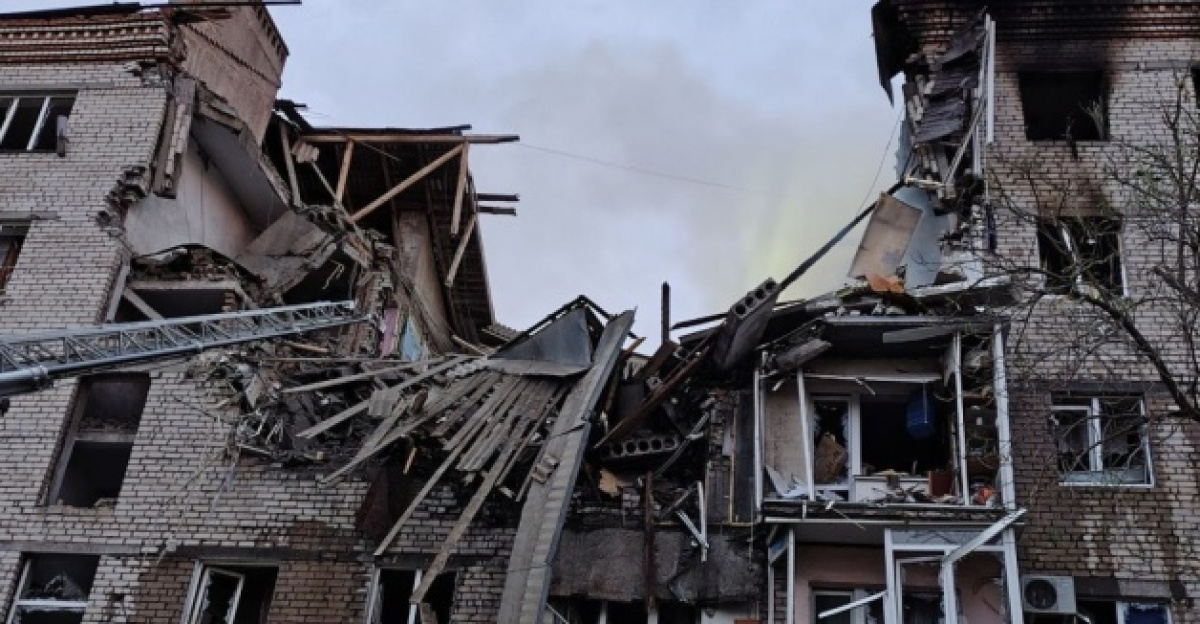
The Mykolaiv drone-swarm strike underscores how rapidly the conflict is evolving. Within 48 hours of a ballistic-missile attack that killed one and injured twenty, Russia escalated to mass Shahed launches—an unmistakable pattern of intensification.
As Ukraine adapts with stronger defenses and faster recovery, global backing remains critical. The struggle now extends beyond territory—to protecting food, energy, and the very structure of daily civilian life.