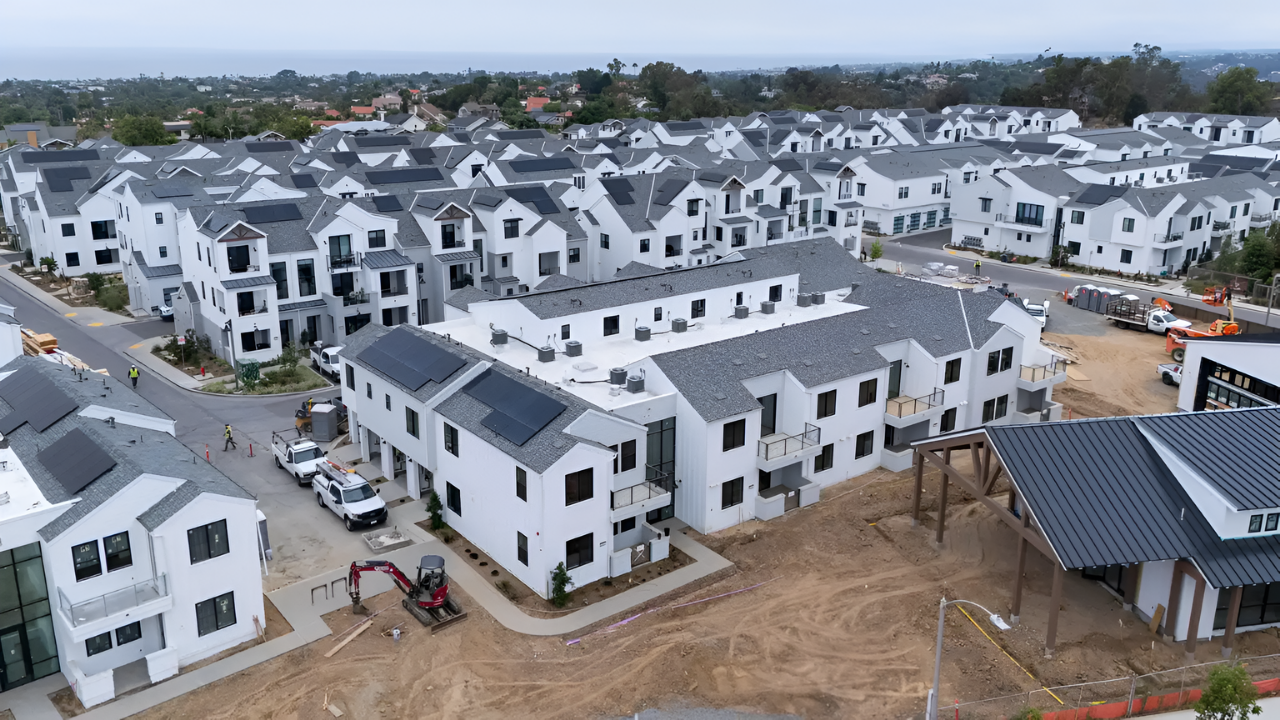
Just a few years after the Sun Belt’s meteoric rise in home prices, the region now leads a nationwide housing downturn. Cities like Tampa, Miami, Phoenix, and Dallas—once symbols of pandemic-era prosperity—are seeing home values fall, with nine of the nation’s 20 largest metro areas tracked by the S&P Case-Shiller Index reporting price declines. This reversal is eroding homeowner wealth and sending ripples through the broader U.S. economy.
A Flood of Inventory and Shifting Demand
During the pandemic, a surge in new construction across the Sun Belt created a glut of homes. In Florida, housing inventory has more than doubled since the market’s peak. Slower population growth and mortgage rates hovering around 6.19% have cooled buyer enthusiasm, leaving sellers with little choice but to cut prices and endure longer waits for offers.
Local real estate agents are seeing the impact firsthand. “Nearly a third of Tampa sellers have reduced their asking prices this year,” said Maria Lopez, a Tampa-based agent. “Buyers finally have some leverage, but it’s tough for homeowners who expected the boom to last.” In Tampa, home values have dropped 3.3% year-over-year, while neighboring St. Petersburg has seen a 7.6% decline.
Builders and developers are responding by delaying projects and offering incentives. Some planned communities in Florida and Texas have been canceled altogether as unsold homes pile up. Meanwhile, brokerages and retailers are shifting their focus to the Midwest and Northeast, where demand remains strong and inventory is tight.
Wealth Erosion and Economic Ripple Effects

The downturn is not limited to the Sun Belt. Across the country, homeowners are watching their real wealth shrink as home values fail to keep pace with inflation. For the fourth consecutive month, nominal home price gains of 1.5% have lagged behind the 2.9% inflation rate, eroding the purchasing power of home equity. “For the fourth straight month, home values have lost ground to inflation, meaning homeowners are seeing their real wealth decline even as nominal prices inch higher,” said Nicholas Godec, head of fixed income tradables and commodities at S&P Dow Jones Indices.
This erosion of wealth is affecting adjacent industries. Home improvement retailers like Home Depot and Lowe’s report slower sales in the Sun Belt as renovation activity cools. Construction firms are laying off workers and delaying projects, while service providers—from landscapers to moving companies—are seeing reduced demand.
Short-term rental operators are also feeling the squeeze. In Galveston, Texas, the number of homes listed on platforms like Airbnb has surged 42%, but demand has not kept pace, causing occupancy rates to plummet. Some owners are converting unsold properties into rentals, while others are exiting the market entirely.
Global Investors and Regional Divergence

The U.S. housing market’s regional divide is drawing attention from global investors. While Sun Belt cities correct, the Northeast and Midwest are seeing price gains. “New York again reported the highest annual gain among the 20 cities with a 6.1% increase in August, followed by Chicago (5.9%) and Cleveland (4.7%),” according to S&P Dow Jones Indices. This shift is influencing international investment strategies, with foreign buyers—especially Canadians—pulling back from Miami and redirecting funds to more stable northern markets.
Experts say the reversal is also changing migration patterns. “The five hottest housing markets in 2025 are located in the North or along the Rust Belt, including New Haven, CT, Rockford, IL, and York-Hanover, PA,” noted Bankrate’s Housing Heat Index. Cities like Buffalo and Chicago, once overlooked, are now among the nation’s most competitive markets.
Policy Responses and Local Realities

State and local officials in Florida and Texas are considering emergency measures to stabilize their housing markets. Florida Governor Ron DeSantis has proposed $1,000 property tax rebates for homeowners, aiming to provide relief to over 5 million households. National policymakers are monitoring the situation closely, wary of broader economic fallout if the downturn spreads.
On the ground, homeowners are adjusting to the new reality. “We listed our house in Miami last spring and expected a quick sale,” said local resident Angela Rivera. “It’s been six months, and we’ve had to drop the price twice. It’s a completely different market now.”
Looking Ahead: A Fragmented Future
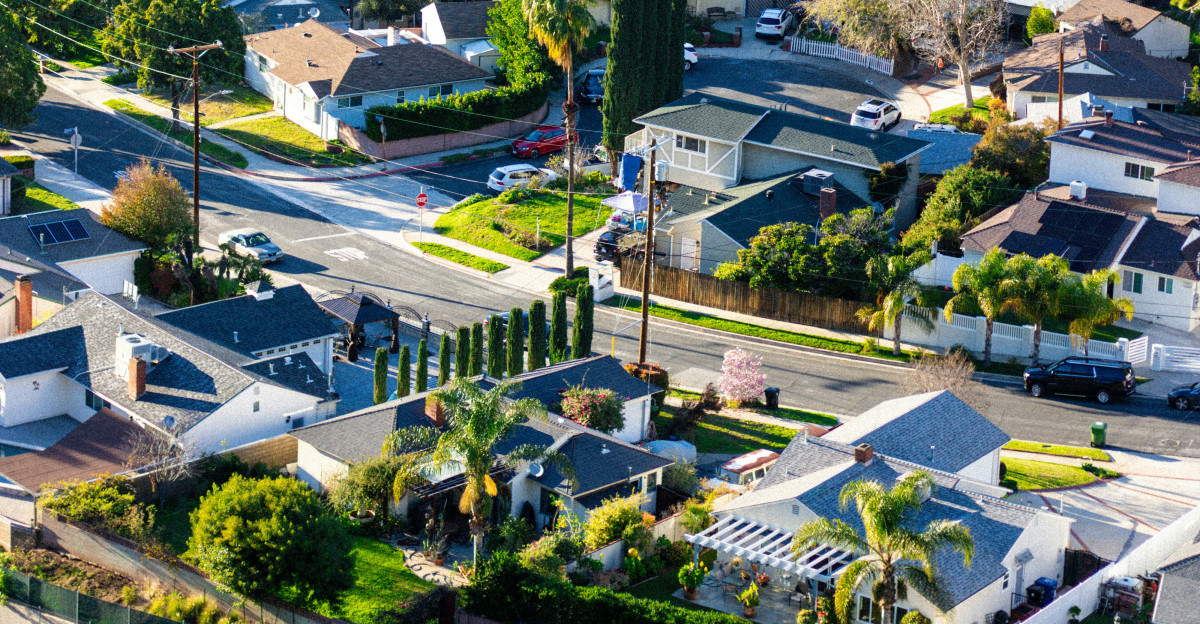
The Sun Belt’s reversal is fundamentally reshaping the American housing landscape. As affordable southern metros struggle, historically expensive cities in the Northeast and Midwest are thriving. Experts like Jake Krimmel, senior economist at Realtor.com, see a market in transition: “What we’re seeing nationally is a market that’s gradually rebalancing, with buyers gaining leverage and sellers facing a tradeoff.”
With mortgage rates dipping to their lowest level in over a year, some analysts predict stabilization if rates continue to fall. Yet, ongoing economic uncertainty and shifting migration patterns mean the future remains unpredictable. The current transformation offers crucial lessons for policymakers, investors, and homeowners navigating an increasingly fragmented housing market.