Before dawn on November 3, 2025, Ukraine’s Navy unleashed a precision strike on the Syvash drilling platform off occupied Crimea—one of Russia’s militarized Boyko Towers. Once an energy rig, the structure had become a floating surveillance post. Using sea drones and FPV aerial drones, Ukraine obliterated its reconnaissance systems and anti-tank missile crew. F
Flames consumed the platform, captured in footage released by Kyiv—another powerful blow to Russia’s shrinking Black Sea surveillance web.
A Platform with History and Strategic Value
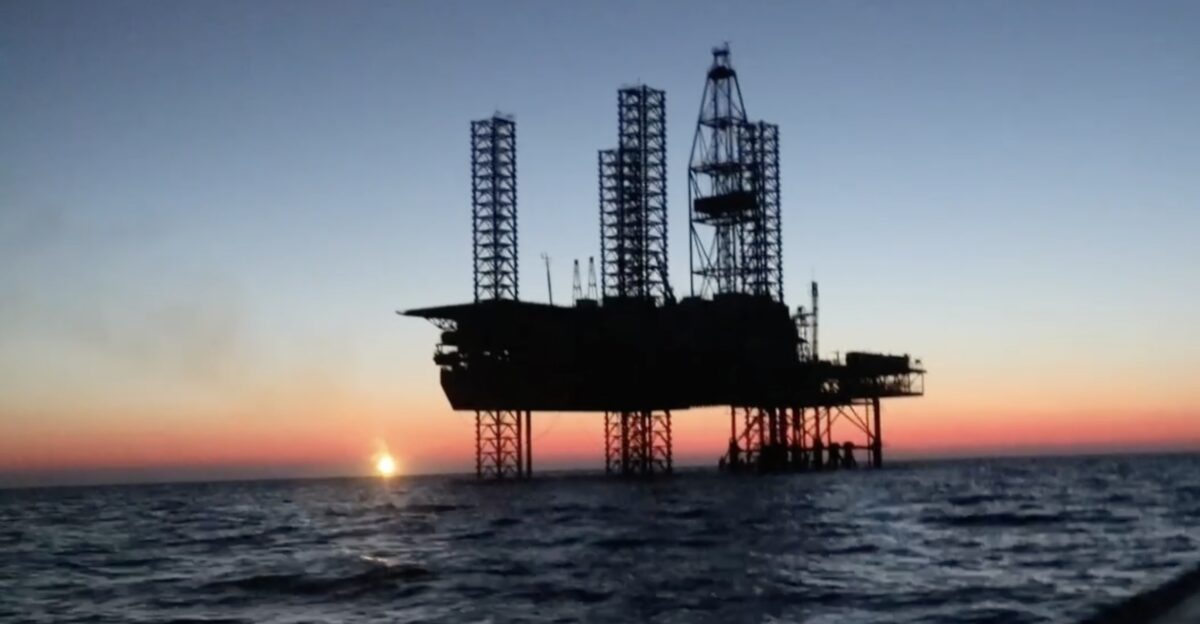
The Syvash platform wasn’t just another target; it was history turned battleground. Part of the Boyko Towers, named after former Energy Minister Yuriy Boyko, these rigs once symbolized Ukrainian energy independence.
Seized by Russia during the 2014–2015 annexation, the platforms sit roughly 100 kilometers from Ukraine’s coast. Once proud markers of self-reliance, they now anchor a bitter struggle for control, technology, and the shifting tides of intelligence across the Black Sea.
Russia’s Militarization of the Boyko Towers
After taking them, Moscow wasted no time transforming the Boyko Towers into military outposts. Each became a fortified sensor hub—bristling with radar, hydroacoustic monitors, and radio-reconnaissance gear. The Syvash platform in particular served as a nerve point, tracking Ukrainian ships and drones near Odesa.
Once oil rigs, they turned into floating eyes—metal sentinels that watched every movement in the northwestern Black Sea until Ukraine struck first.
Eliminating a Russian Special Forces Detachment
Ukraine’s Navy confirmed the Syvash strike wiped out an elite Russian special forces detachment stationed on-site. This unit had operated anti-tank systems and tracked Ukrainian naval routes. By destroying both the crew and their gear, Ukraine didn’t just silence a firing position—it blinded a node in Russia’s coastal network.
The strike dismantled a critical observation post that had menaced Ukrainian operations stretching from Odesa to the Danube Delta.
Coordinated Drone Warfare at Sea
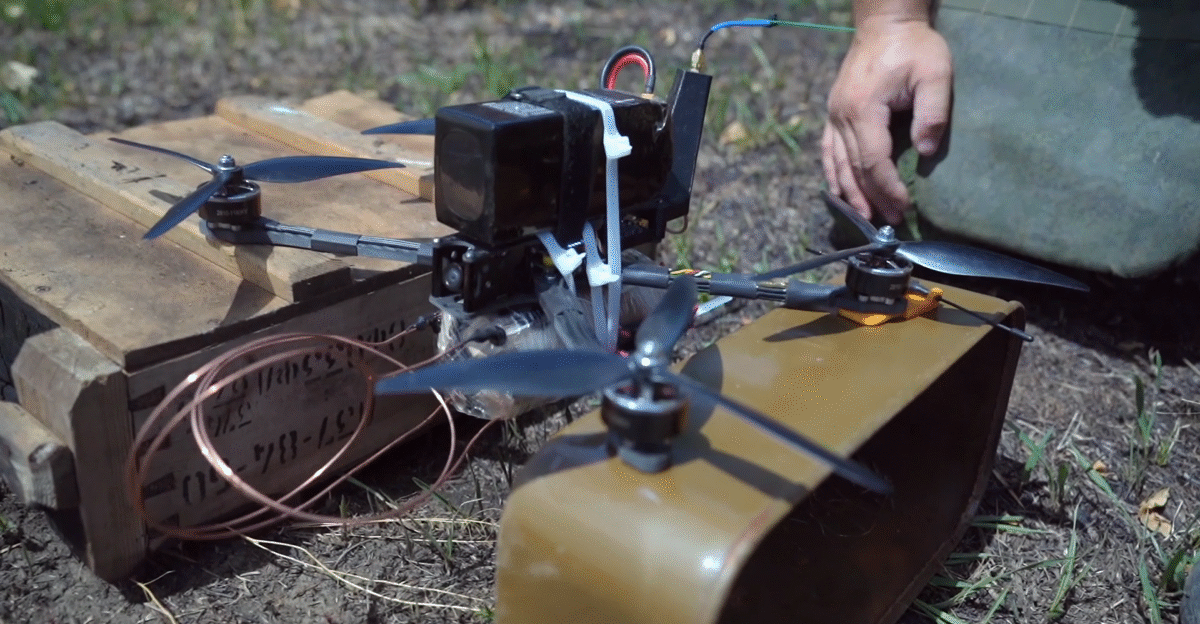
The attack unfolded like a synchronized ballet of machines. Sea drones surged toward the platform as aerial FPV drones hovered above, guiding the assault. This two-tiered strike revealed Ukraine’s growing mastery of “drone stack” warfare—layering surface and aerial systems in seamless coordination.
Every explosion was timed, every angle calculated. It was not just a hit; it was a demonstration of modern maritime warfare evolving in real time.
Aerial Drones Deliver the Final Hit
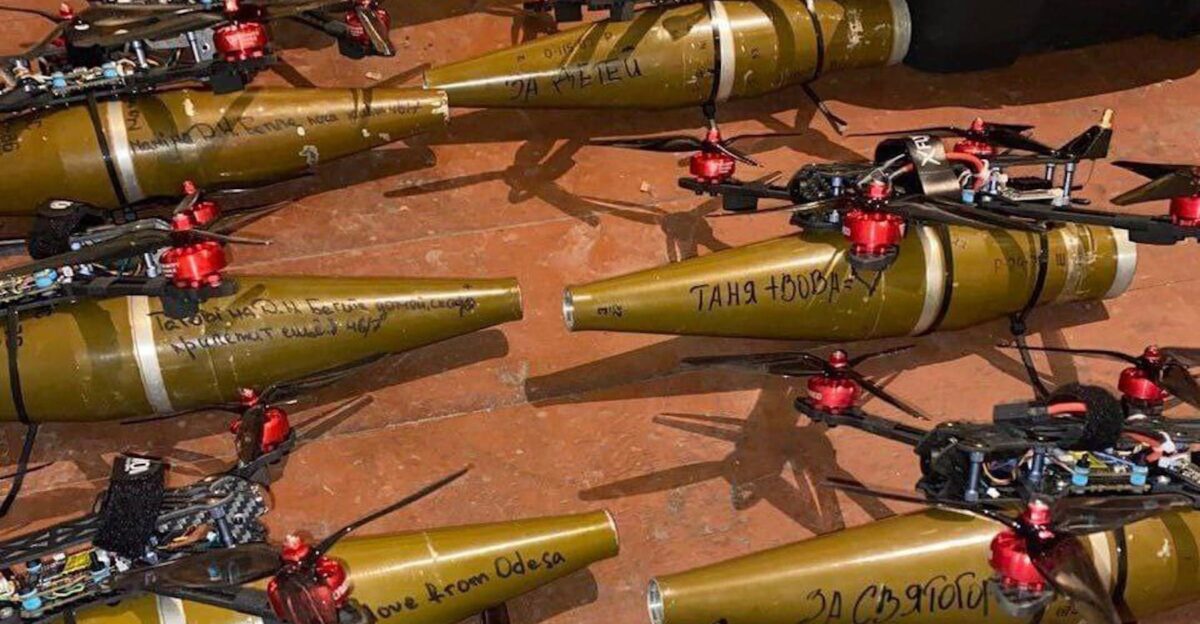
The final moments came from a drone’s eye view. Ukrainian Navy footage showed an FPV kamikaze drone racing toward the Syvash, the platform swelling in its lens before erupting in flame. Thick smoke towered into the sky as metal groaned under the inferno.
Officials later confirmed these drones both struck and transmitted live targeting data—proof of a lethal precision system honed through countless battles and relentless innovation.
Moscow Tries to Spin the Defeat

Within hours, Russian media scrambled to rewrite the story. Broadcasting claims that a Lancet drone had destroyed a Ukrainian naval boat. But Ukraine swiftly countered with geolocated footage of the Syvash engulfed in fire.
Officials accused Moscow of “turning another defeat into a victory,” exposing the propaganda playbook Russia uses whenever its grip on the Black Sea weakens under real battlefield losses.
A Blow to Russia’s Coastal Command Network
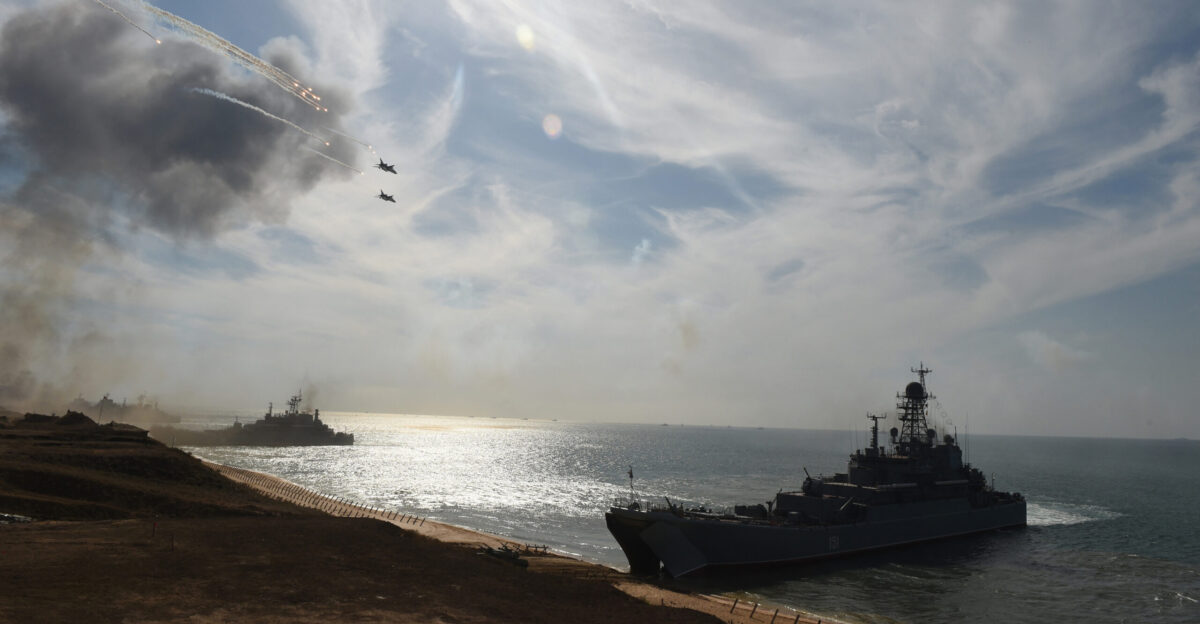
The Syvash wasn’t just a platform; it was a node in Russia’s wider Black Sea command grid. Its radar and reconnaissance systems once funneled data to defenses guarding Crimea’s approaches. With its destruction, Russia’s situational awareness suffered a significant blow.
Gaps widened across its coastal perimeter. For Ukraine, that meant faster strikes, freer movement, and a fresh chance to erode Moscow’s fragile control of the region’s maritime corridor.
Linked Strikes on Crimea’s Defenses
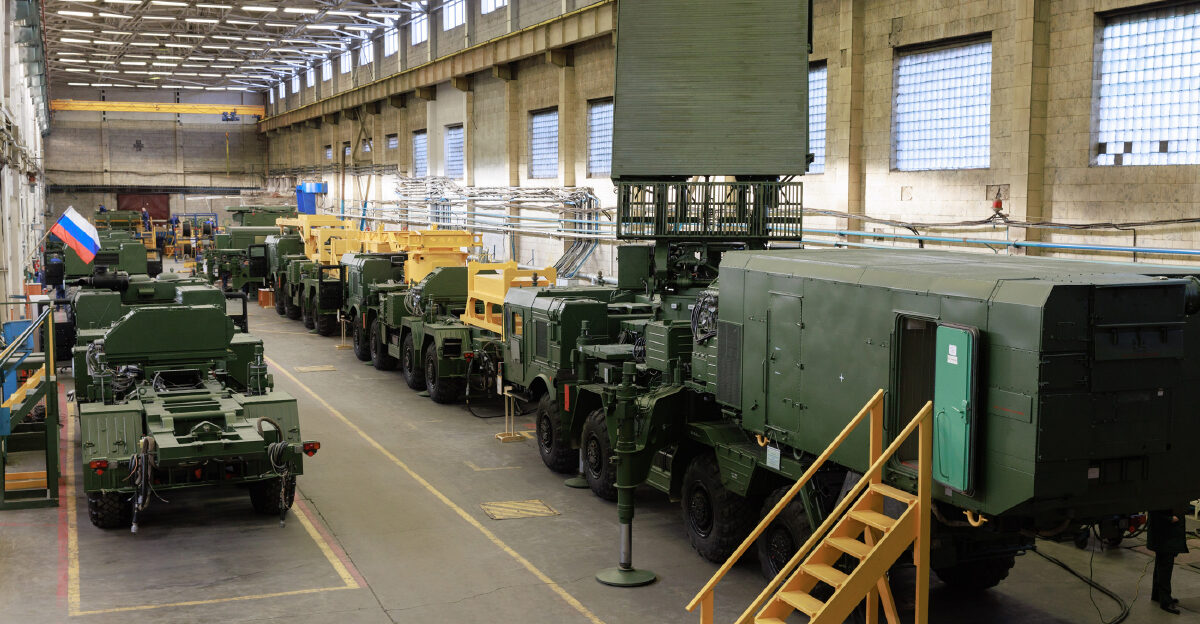
The Syvash hit came amid a 48-hour wave of precision strikes. Ukraine also targeted a 92N6E multifunction radar in Crimea. Together, these attacks dimmed Russia’s Black Sea radar coverage, giving Ukrainian drones greater range and survivability.
The synchronized operations revealed a larger strategy of systematically dismantling Moscow’s detection network and exposing the vulnerabilities of its once-formidable defense web.
Protecting Ukraine’s Shipping Lifeline
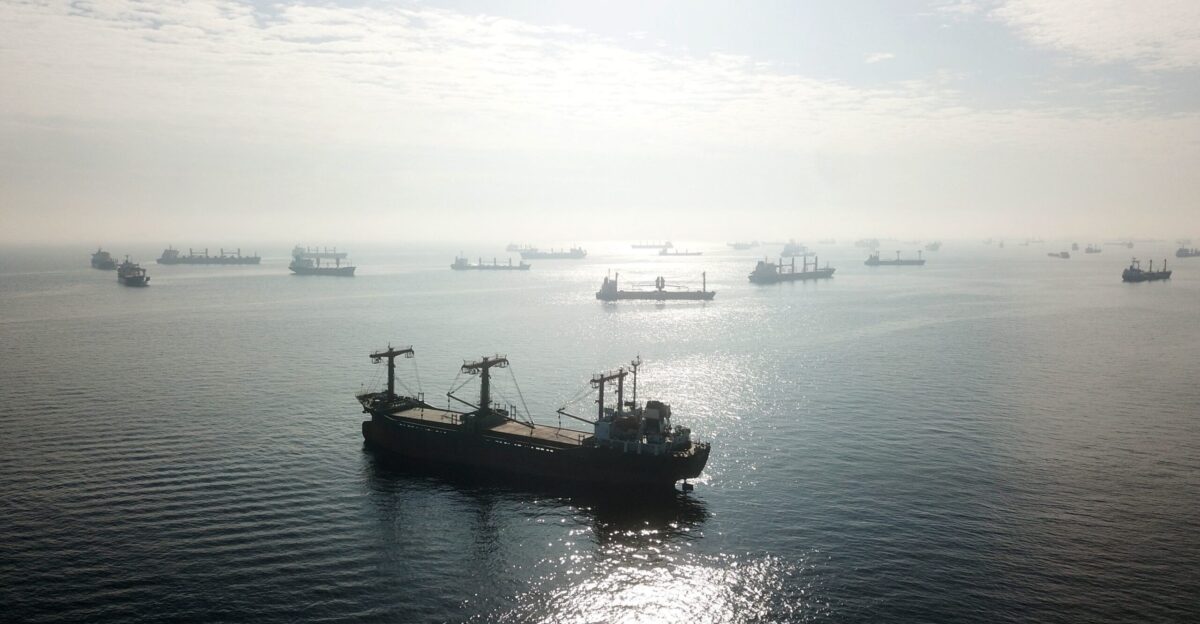
Beyond the battlefield, the strike carried economic weight. The Syvash platform had monitored grain and cargo routes from Odesa and Danube ports, routes vital for Ukraine’s exports and global food security. By destroying its surveillance and missile systems, Kyiv cleared the seas for the safer passage of merchant convoys.
Every drone that struck the platform was, in effect, defending Ukraine’s access to trade and the world’s access to its grain.
Part of a Wider Drone Offensive Across Russia
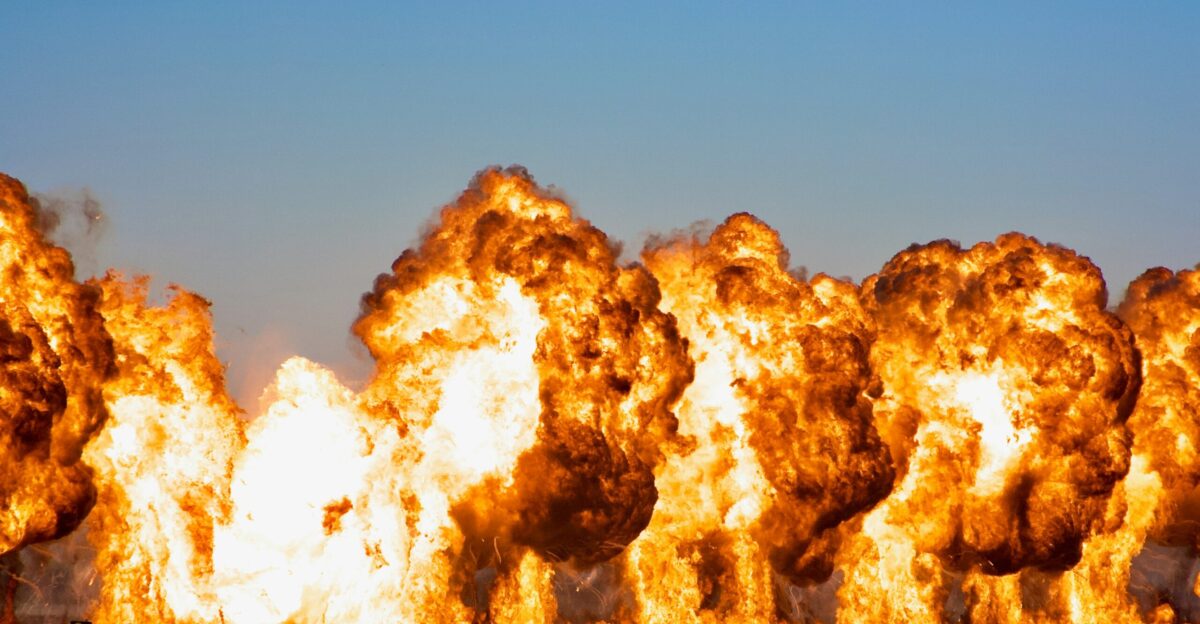
The Syvash operation wasn’t isolated; it was one front in a storm. That same night, Ukrainian drones hit deep into Russia, targeting key energy sites. Explosions rocked the Lukoil refinery and Sibur-Kstovo petrochemical plant near Kstovo—facilities supplying roughly 30% of Moscow’s gasoline.
Each strike stretched Ukraine’s reach hundreds of kilometers beyond the front lines, signaling a new era of long-range precision warfare inside Russia’s own infrastructure.
Strikes Hit Refineries and Power Infrastructure
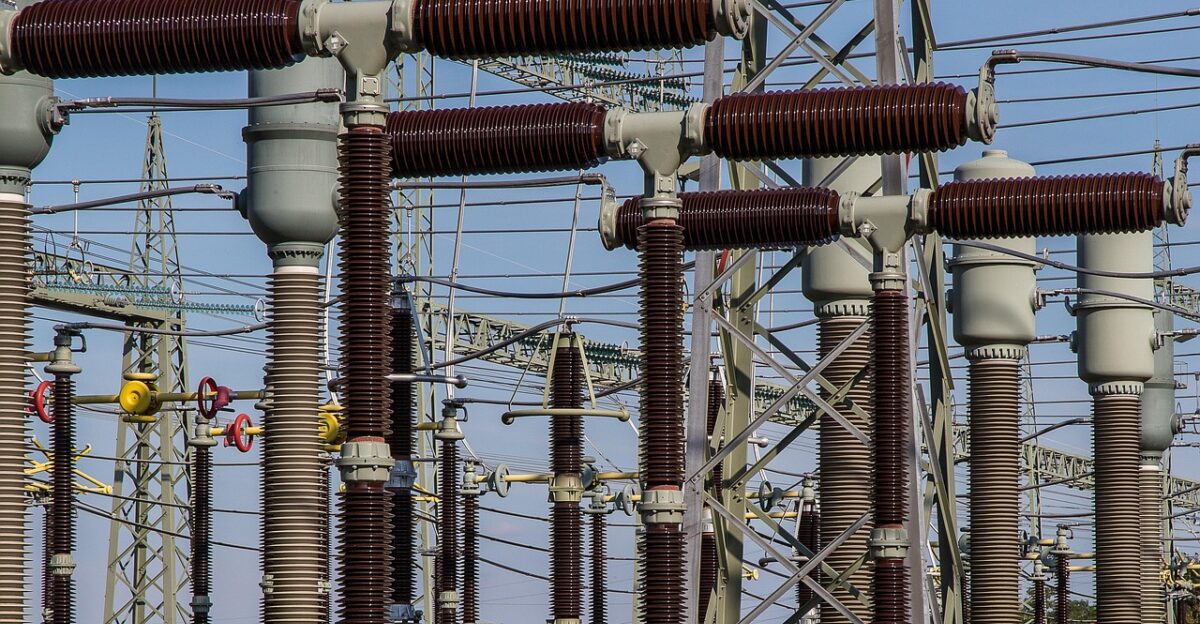
Across the night skies, more drones followed. The Sterlitamak petrochemical plant’s water treatment system was damaged, while in Kursk Oblast, an attack on the Rylsk power substation left 16,000 people without electricity. Farther south in Volgograd Oblast, falling debris from a downed drone ignited a fire at the Frolovskaya electrical substation.
Ukraine’s campaign was no longer symbolic—it was systematically targeting Russia’s energy lifelines.
Sevastopol Naval Fire Adds to Moscow’s Woes
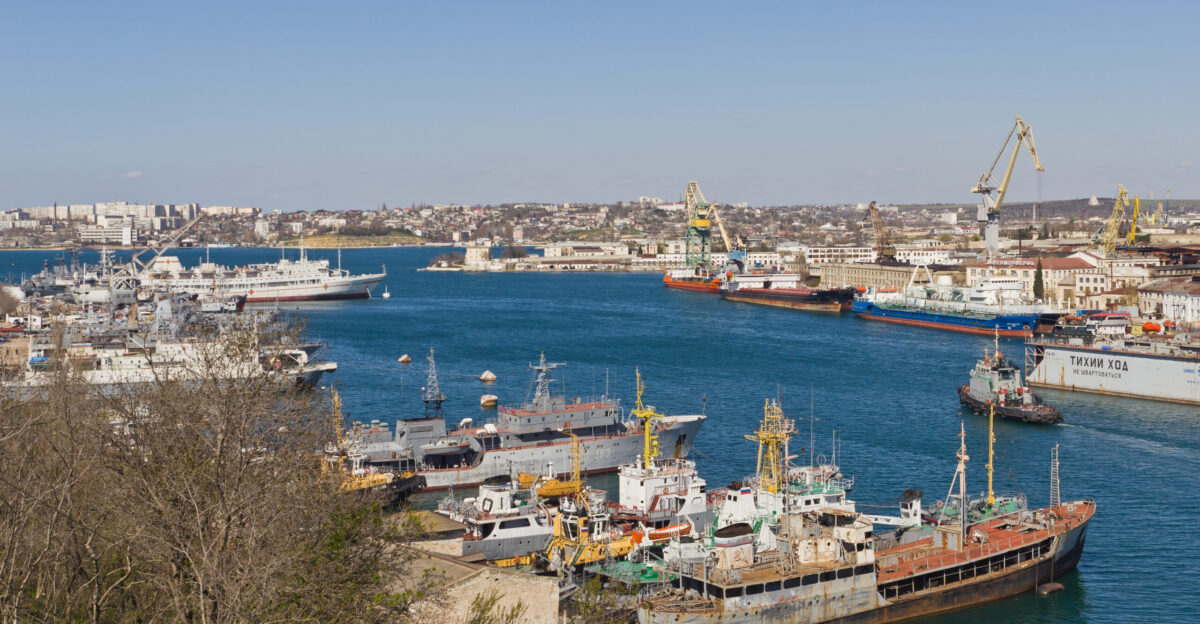
As if on cue, chaos spread to Sevastopol. An aging Russian anti-submarine ship—an Albatros-M class vessel from the 1980s—caught fire in port. Only four of its kind remain in service. Whether the blaze was the result of sabotage or misfortune remains unclear, but its timing was brutal.
It underscored how stretched and brittle Moscow’s fleet has become, struggling to defend itself as Ukraine’s strikes grow bolder by the week.
Civilian Casualties Mark the War’s Ongoing Cost
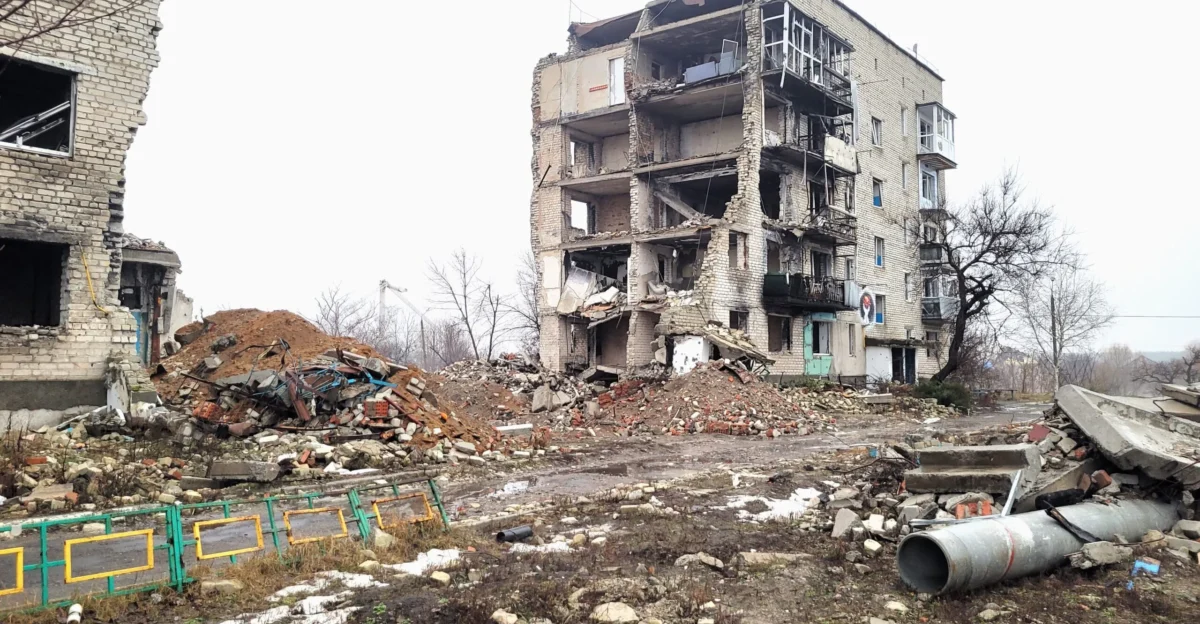
Even as Ukraine struck military targets, Russia answered with violence against civilians. On November 4, a missile hit Mykolaivka in Dnipropetrovsk Oblast, killing a 65-year-old woman and wounding eight others, including two children—a 15-year-old boy and a 5-year-old girl.
The strike fell on the eve of Russia’s National Unity Day, a cruel reminder that even symbolic holidays unfold under the shadow of war.
National Unity Day Turns into a Day of Reckoning

As Russia celebrated National Unity Day, its forces faced fire across the map—from Crimea’s coasts to refineries near Moscow. Ukraine’s coordinated drone and naval strikes marked a turning point: precision, reach, and audacity combined.
The burning Syvash platform stood as a symbol of that shift. What began as a single strike became a message—Ukraine can now hit deep, think strategically, and reshape the balance of power at sea.