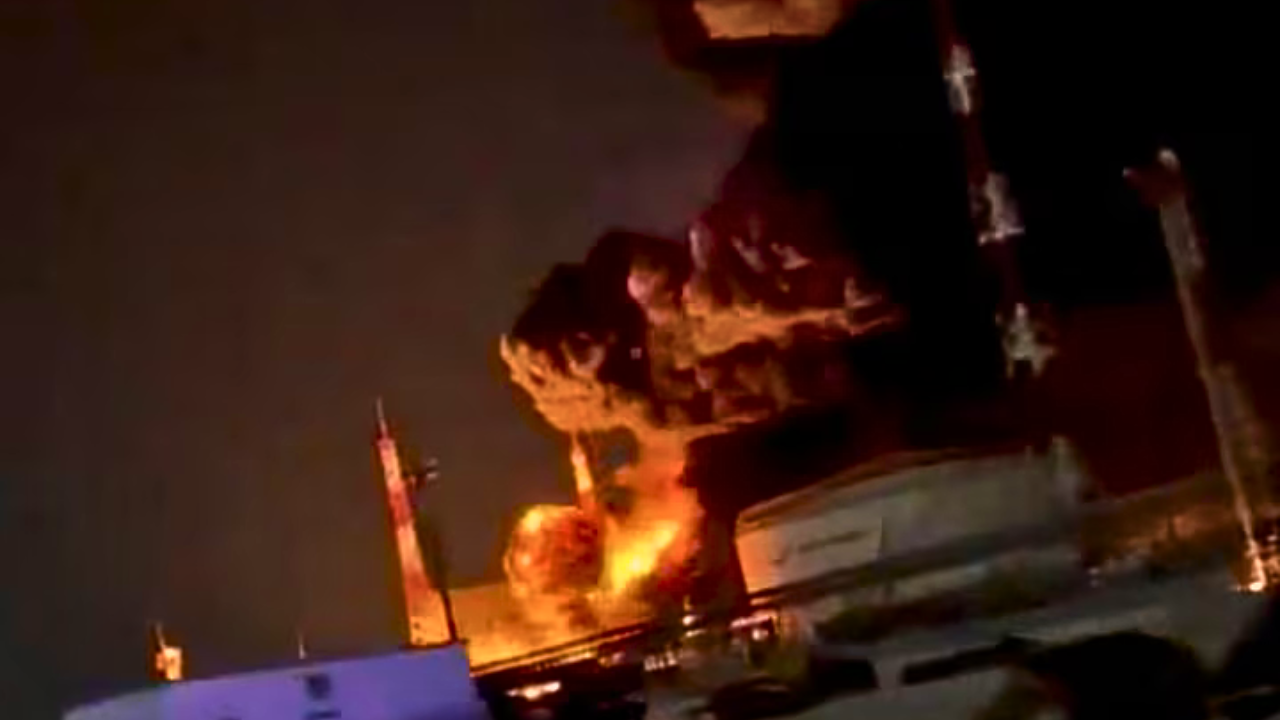
Flames lit the night sky over Oryol, Vladimir, and Yaroslavl as Ukraine launched a massive drone offensive on October 31, 2025. Surveillance footage captured two strikes on the Oryol thermal power plant, sending sparks and smoke into the air and plunging roughly 82,500 homes into darkness. Nearby, the Vladimir substation and Novo-Yaroslavsky refinery erupted in fire, halting electricity and oil processing.
The shockwaves from this coordinated triple strike reached deep into Russia’s energy network, signaling an unprecedented escalation in the conflict. Residents reported explosions, while emergency crews scrambled to assess and contain the damage. The events of that night revealed both vulnerability and the strategic precision of Ukraine’s operation, leaving Russia’s energy backbone severely compromised.
Retaliation Sparks Precision Strikes
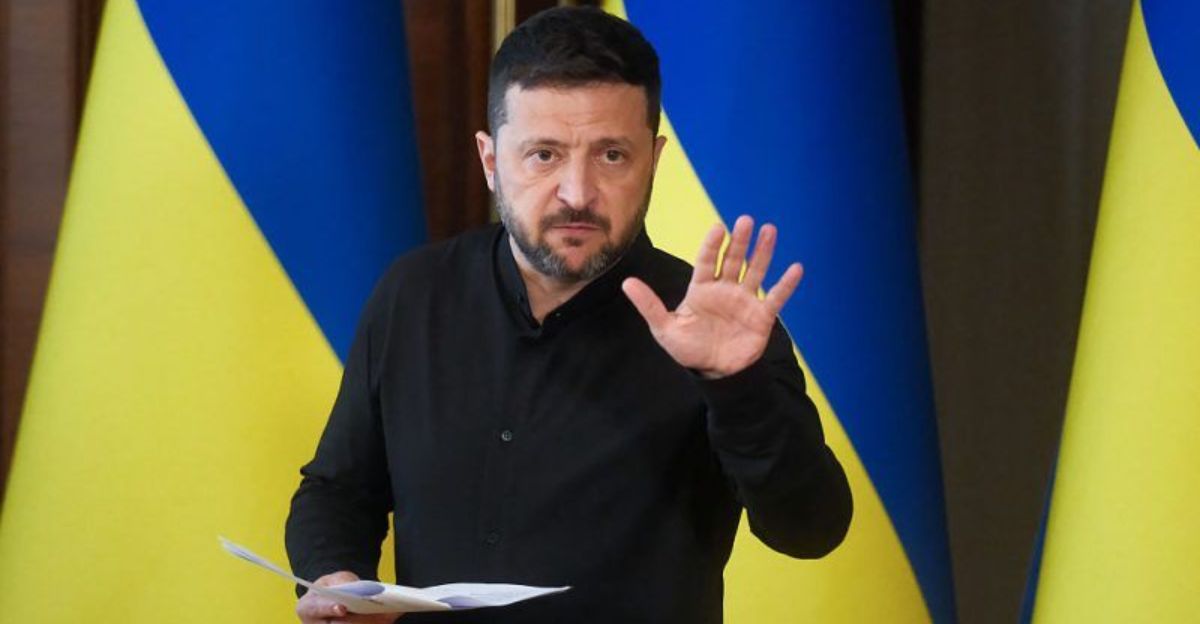
The overnight attacks followed a devastating Russian assault on Ukrainian power plants just a day earlier, which killed two civilians and knocked out power across multiple regions. President Zelensky called the strikes “exclusively terror” tactics, framing Ukraine’s drone offensive as a swift, measured response. Analysts describe the operation as a new phase of tit-for-tat escalation, where energy infrastructure has become both a target and a weapon in the ongoing conflict.
By targeting three key facilities simultaneously, Ukraine demonstrated both strategic planning and advanced drone capabilities. The strikes underscored a shift in warfare tactics, showing that retaliation is no longer limited to the immediate battlefield but can strike deep into an adversary’s critical infrastructure.
Widespread Blackouts Disrupt Daily Life

Power outages immediately swept across Oryol and surrounding regions, leaving residents without electricity, heat, or hot water. Explosions shook cities as emergency crews scrambled to assess damage and prevent further fires. Local authorities imposed restrictions on energy use, highlighting the fragility of Russia’s energy grid.
Eyewitnesses reported plumes of smoke and sparks, while city lights flickered and died. The blackout not only disrupted households but also threatened hospitals, schools, and essential services dependent on continuous electricity, showing how energy attacks ripple through civilian life beyond immediate destruction.
Russia’s Energy Giants on Crisis Mode
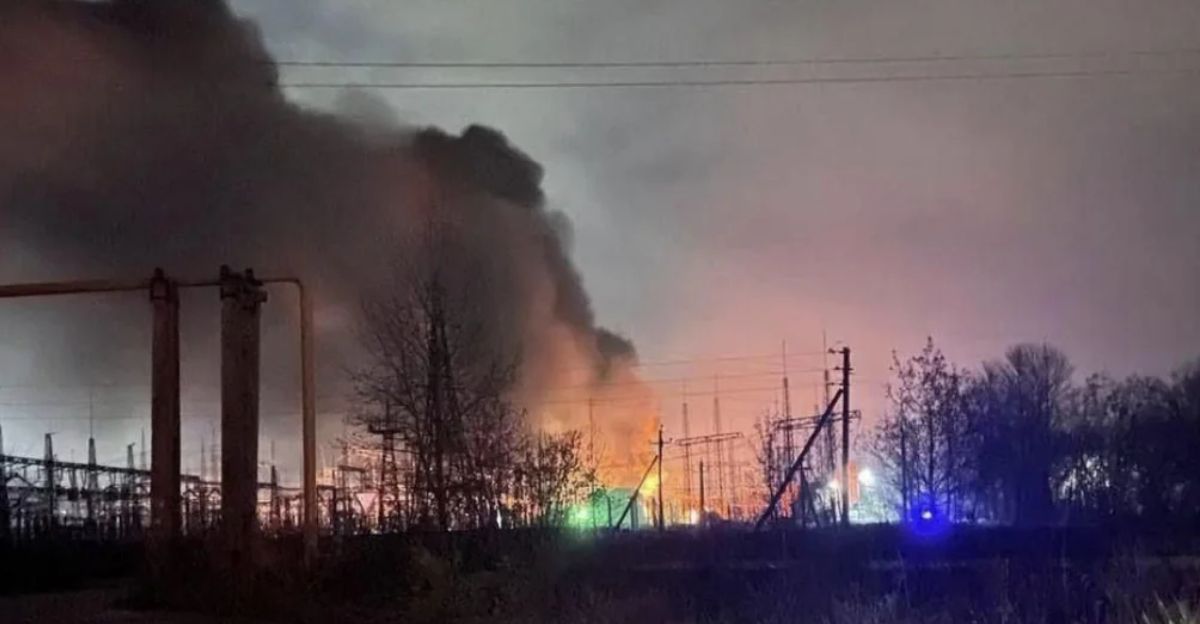
Major energy companies, including RIR Energo, a Rosatom subsidiary, and other regional operators, faced urgent damage control. The Oryol thermal power plant, capable of 330 MW, went offline, affecting military and civilian power supply. At the Vladimir substation, 4,010 MVA of grid capacity was disrupted, forcing specialists into emergency response mode.
Executives now confront rising repair costs, operational uncertainty, and reputational damage as the strike exposes vulnerabilities in infrastructure long thought secure. Analysts warn that prolonged outages could ripple across industries reliant on stable energy, creating long-term strategic and economic consequences.
Oil Refinery Operations Halted
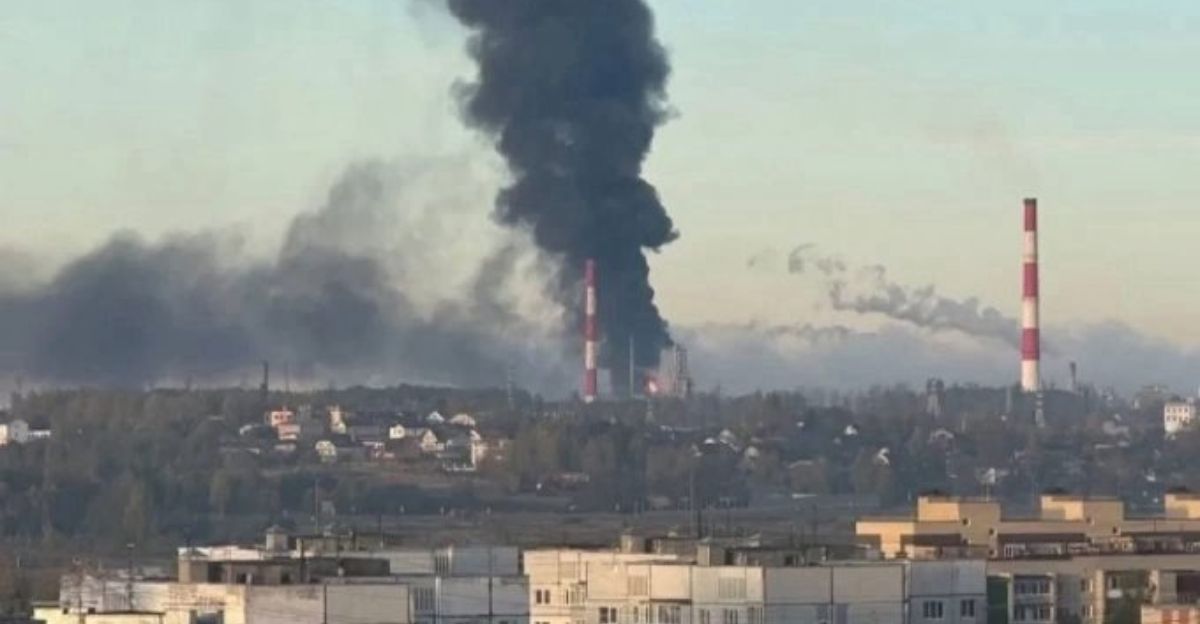
Ukraine’s drones also targeted the Novo-Yaroslavsky refinery, Russia’s fifth-largest, which processes 15 million tons of crude annually. Explosions disrupted production, threatening $165 million in annual revenue. Rail networks and alternative logistics were forced to compensate, creating bottlenecks in fuel distribution.
Military and civilian supply chains now face additional pressure as transportation struggles to handle diverted loads. The strike revealed the refinery’s strategic importance and highlighted the broader economic impact of hitting multiple energy nodes in a single night.
Global Energy Markets on Edge

With three major Russian energy facilities offline, international oil and gas flows face potential disruption. Markets in Europe and Asia are monitoring the situation closely, fearing supply shortages and price volatility. Even short-term outages could tighten global supply chains, creating ripple effects for energy-dependent industries.
Analysts warn that any prolonged disruption could complicate planning for energy security worldwide. The strike illustrates how regional energy conflicts can instantly escalate into global economic concerns, forcing governments and companies to reconsider reliance on Russian imports.
Communities and Workers in Immediate Danger
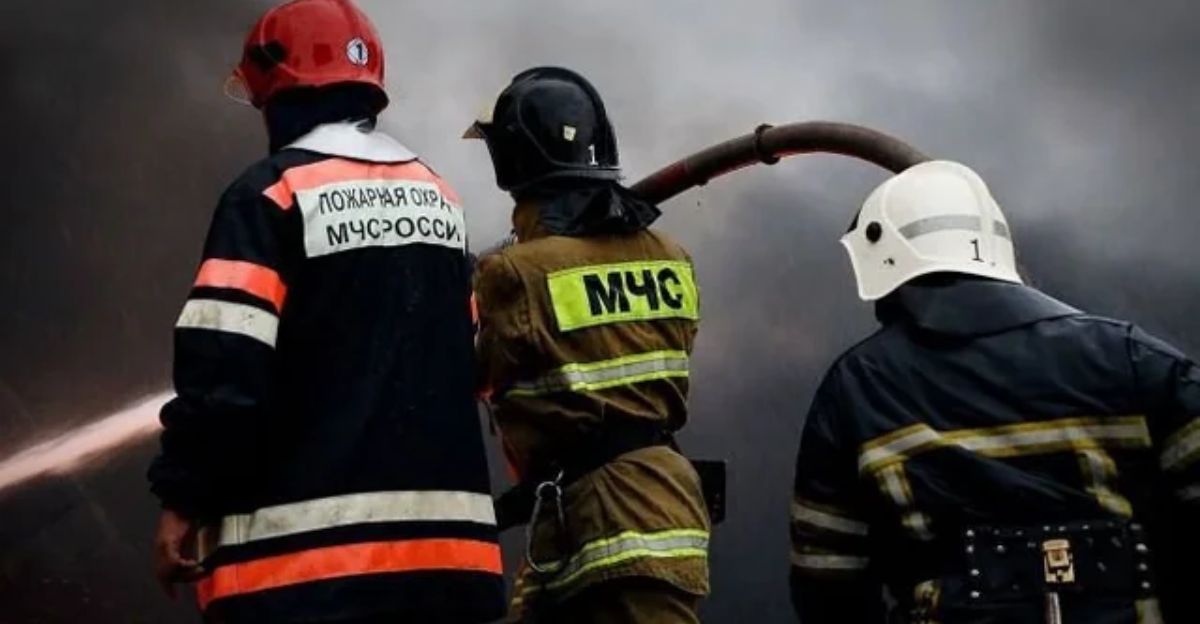
Residents in Oryol, Vladimir, and Yaroslavl faced both physical danger and uncertainty. Firefighters and emergency crews worked tirelessly to contain flames and restore services, while plant workers risked injury amid unstable conditions.
Families experienced sudden blackouts and loss of heating in early November’s cold nights. Beyond physical risk, the psychological strain of attacks striking deep into Russian territory weighed heavily, underscoring how energy warfare now directly impacts civilian lives far from the front lines.
Political Leaders Respond to Escalation

Regional governors, including Andrey Klychkov (Oryol) and Alexander Avdeyev (Vladimir), confirmed the strikes and promised rapid restoration of services. President Zelensky used the operation to showcase Ukraine’s resolve, framing the attacks as justified retaliation against Russian “terror” tactics.
International observers noted the symbolic weight of Ukrainian forces striking three major energy hubs simultaneously, sending a message of capability and deterrence. Both sides signal that energy infrastructure is now a central theater of strategic competition.
Economic Pressures Intensify

The shutdown of power and refinery assets threatens to push energy prices higher within Russia. Analysts warn that cascading effects could disrupt transportation, manufacturing, and agriculture.
Fuel shortages may drive costs for consumers and businesses, while logistical bottlenecks compound operational challenges. Combined with international sanctions, the strikes could magnify existing economic pressures, creating both short-term instability and long-term risk to regional energy-dependent industries.
The economic impact totals approximately $1.6 billion based on the combined throughput value of the disrupted facilities in a fiscal year. The Novo-Yaroslavsky refinery processes crude oil worth roughly $4.5 million daily, while the 330 MW Oryol plant outage affects an estimated 82,500 households—calculated using standard 4 kW average residential demand.
Daily Life and Public Health at Risk

With power outages across multiple regions, hospitals, schools, and essential services face operational challenges. Cold weather increases the danger for vulnerable populations without heat, while fuel disruptions threaten food supply and emergency services.
The psychological and physical strain on communities is significant, as families navigate darkness and limited resources. Public health concerns multiply when infrastructure supporting clean water, medical care, and refrigeration is compromised, illustrating the human cost of targeting energy systems.
Environmental and Infrastructure Fallout
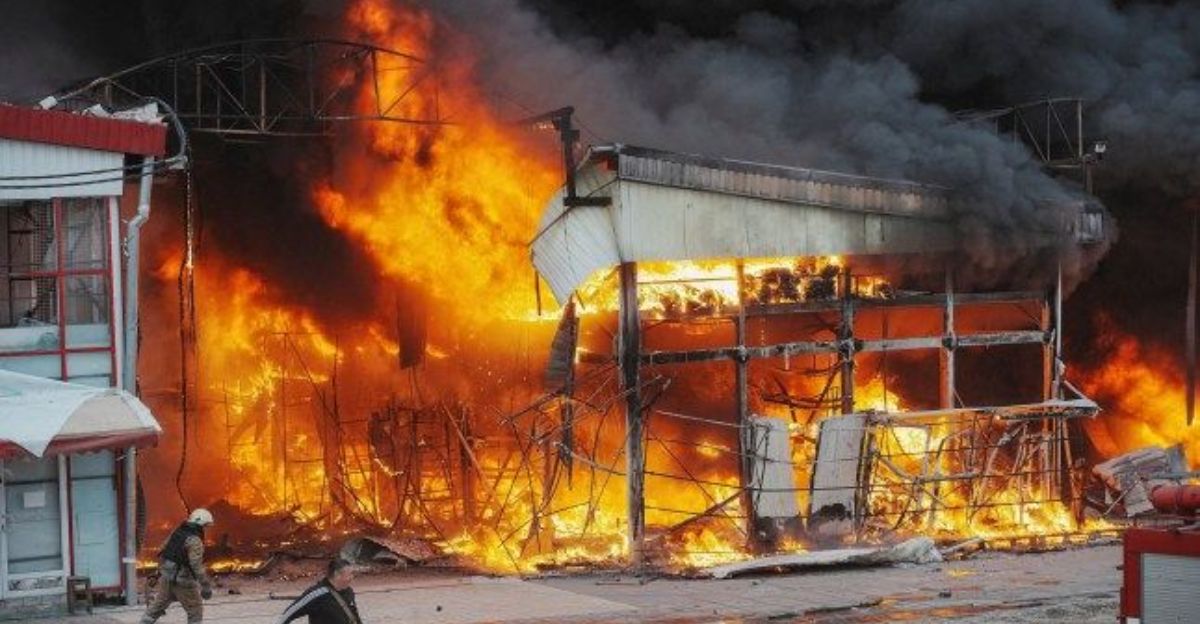
The fires and explosions release pollutants into the atmosphere, raising environmental concerns. The destruction of substations, thermal plants, and refineries highlights the fragility and vulnerability of critical energy systems.
Both Russian and Ukrainian energy sectors now face sustainability questions: how can infrastructure remain resilient amid repeated attacks? As emergency teams tackle immediate risks, the long-term rebuilding and environmental cleanup could pose years of challenges, affecting both local communities and regional energy reliability.
Global Perceptions Shift
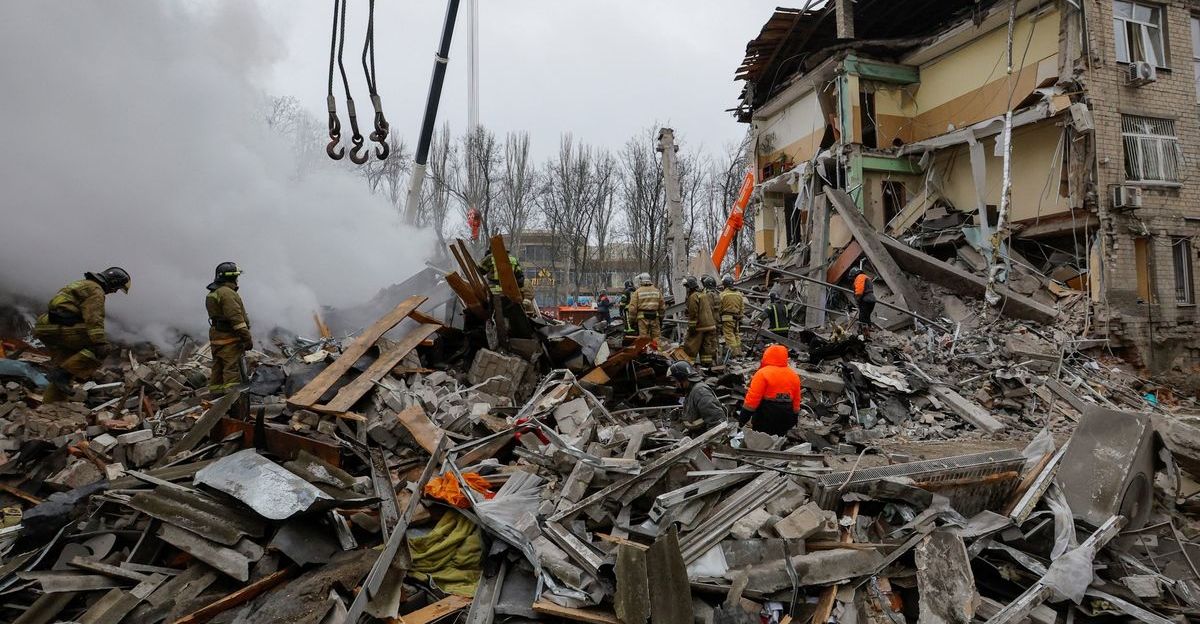
Ukrainian strikes deep inside Russian territory challenge prior assumptions of Russian invulnerability. Analysts highlight that simultaneous hits on a Rosatom subsidiary, a 4,010 MVA substation, and a major northern refinery demonstrate high operational capability.
Observers are divided: some frame Ukraine’s actions as justified defense, while others warn of escalation. The strikes send a strategic message—no “rear” is fully secure—potentially influencing military support, intelligence sharing, and international approaches to the conflict.
Winners and Losers Emerge
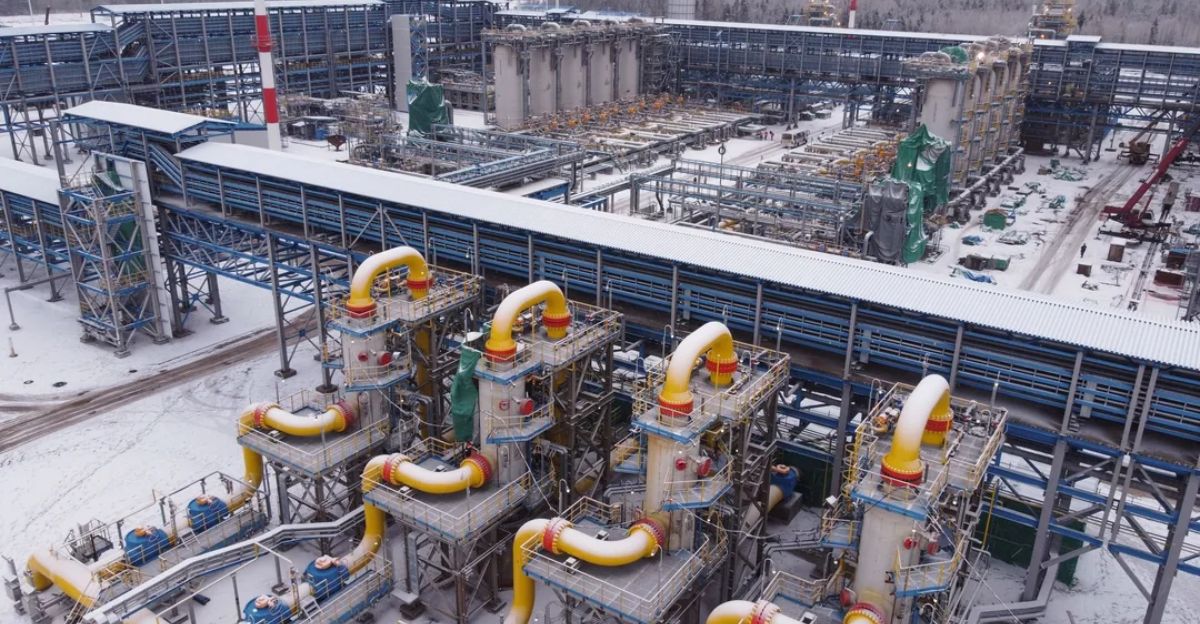
Russian energy companies, workers, and consumers bear the immediate brunt of disruption. Meanwhile, alternative fuel suppliers, logistics firms, and emergency response companies may see increased demand.
Ukrainian forces gain recognition for precision capabilities, possibly shaping future Western military support and defense procurement. The operational success of this triple strike could influence strategy, demonstrating the tangible effects of energy warfare on both domestic resilience and broader geopolitical calculations.
Market Watch: Guidance for Consumers

Volatility in energy markets is likely to persist as infrastructure remains under threat. Residents in affected regions are advised to monitor updates, conserve energy, and prepare for further disruptions.
Global buyers may see rising prices and tighter supply, reinforcing the importance of energy diversification. Analysts suggest that ongoing attacks may make electricity and fuel less predictable, prompting governments, businesses, and households to adopt contingency plans to maintain critical services and mitigate economic strain.
The Future of Energy Warfare
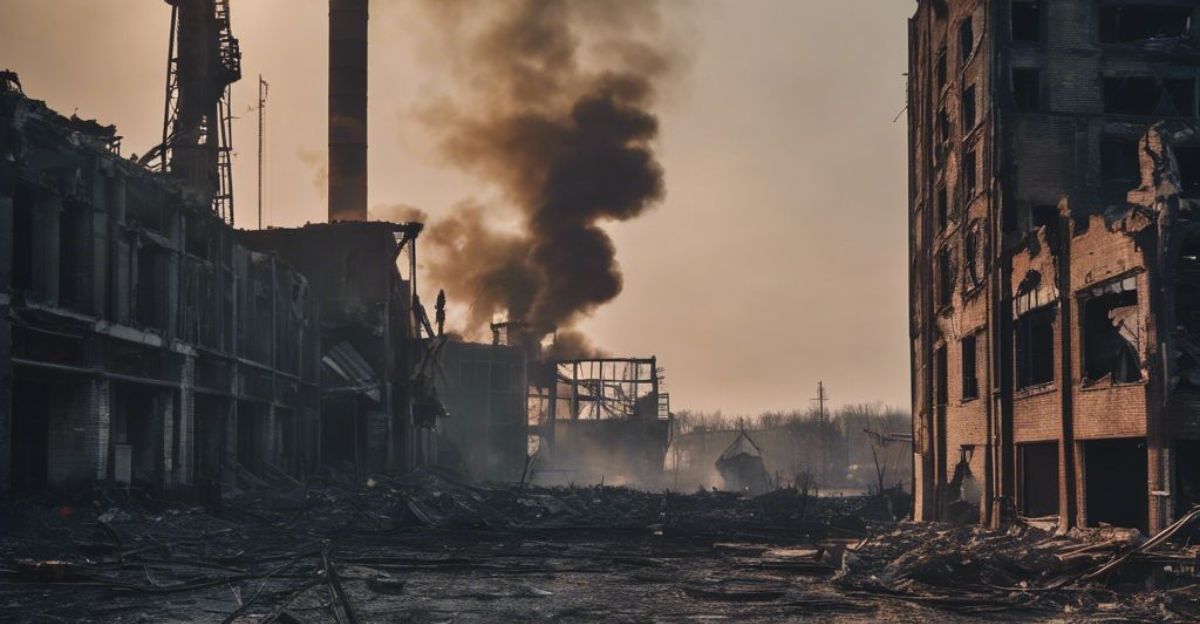
The October 31, 2025 strikes mark a pivotal moment in the Russia-Ukraine conflict, showing the strategic effectiveness of precision attacks on deeply defended infrastructure.
As both nations adjust tactics, the risk of broader economic, humanitarian, and environmental consequences grows. Winter’s approach increases stakes for energy security, making further attacks likely. Energy warfare has become a defining element of modern conflict, with consequences that extend far beyond the battlefield, shaping markets, policy, and civilian life.