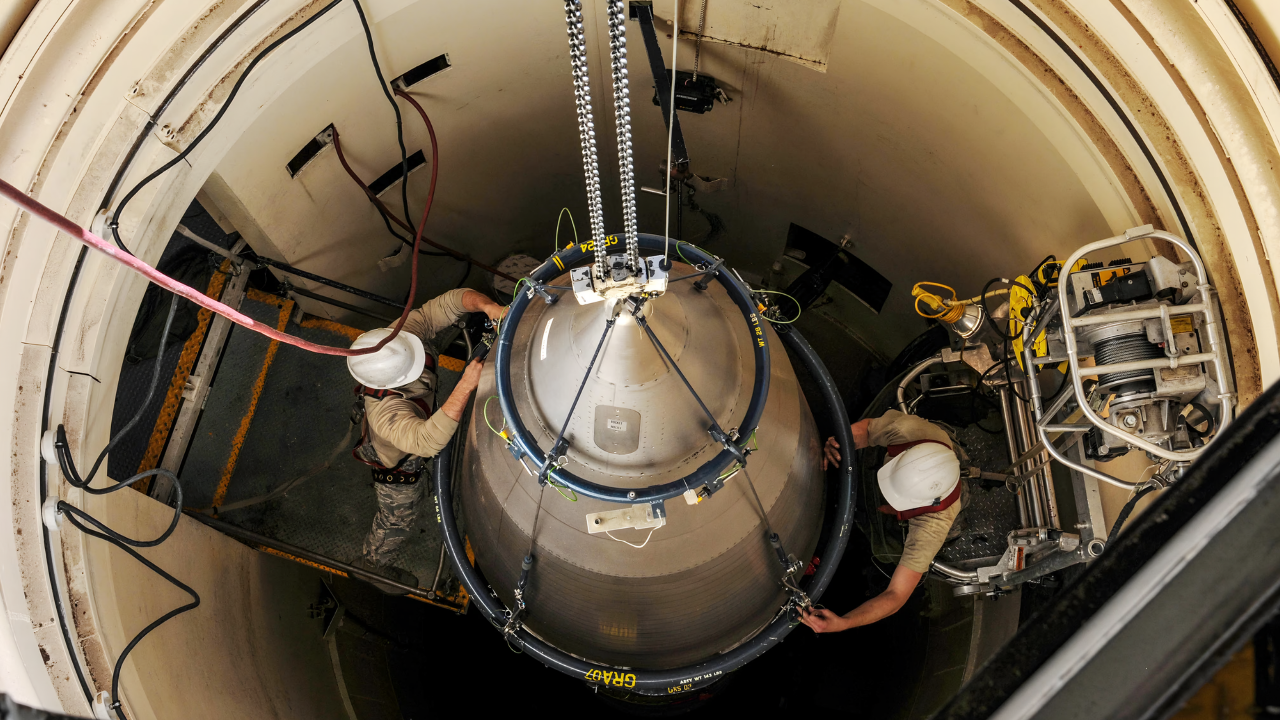
The world’s nuclear landscape shifted dramatically in late October 2025, as the United States, Russia, and China each took steps that together shattered three decades of restraint. On October 30, President Trump ordered the Pentagon to resume U.S. nuclear weapons testing, citing the need to match the programs of other nations. “
Because of other countries’ testing programs,” Trump said, “I’ve instructed the Department of War to start testing our Nuclear Weapons on an equal basis.” The announcement, coming just before a scheduled meeting with China’s Xi Jinping in South Korea, was widely seen as a direct response to escalating nuclear posturing by both Russia and China.
Russia’s Missile Breaks the Taboo
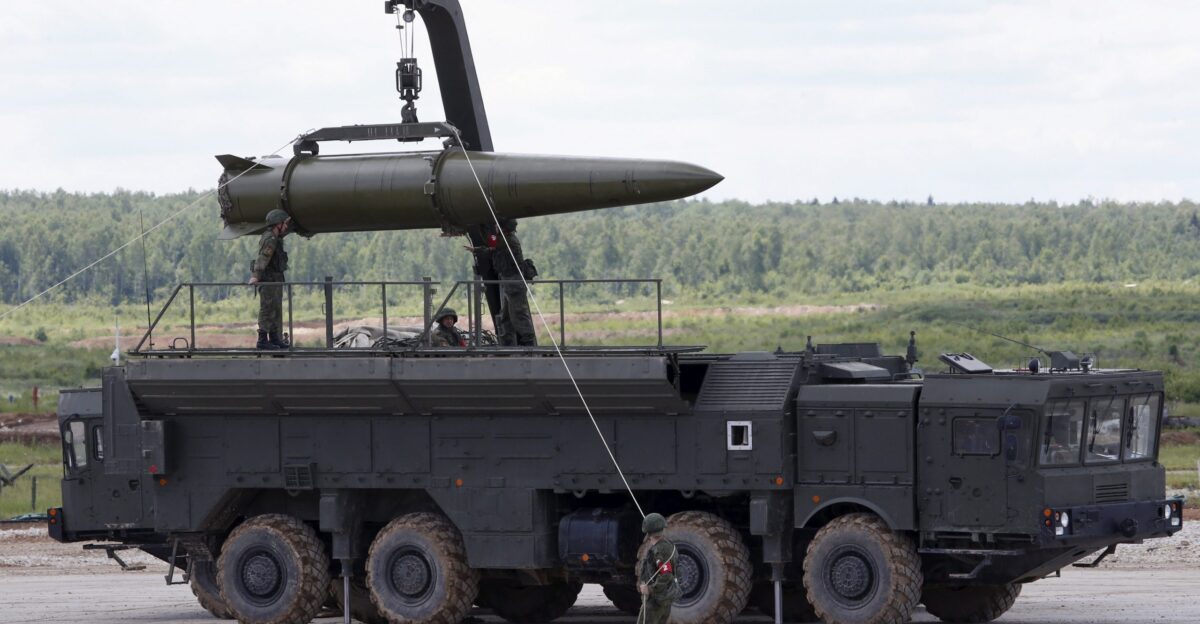
For the first time, Russia has deployed its 9M729 cruise missile in combat, transforming a long-standing arms-control dispute into active warfare. Ukraine’s Foreign Minister Andrii Sybiha confirmed at least 23 launches since August 2025, with two earlier uses in 2022. One October 5 strike traveled over 1,200 kilometers, hitting Lapaivka and killing five civilians.
This missile, developed by Russia’s Novator Design Bureau, violates the Intermediate-Range Nuclear Forces (INF) Treaty’s ban on missiles with ranges between 500 and 5,500 kilometers. Western experts say the 9M729 can reach up to 2,500 kilometers and deliver either conventional or nuclear warheads. Its battlefield debut marks the collapse of a treaty under which 2,692 missiles were dismantled—a legacy of superpower cooperation now replaced by a new nuclear reality in Europe.
The 9M729’s proven range places European capitals, such as Berlin, Paris, and London, within striking distance, a fact underscored by Ukraine’s battlefield data. Military analysts note that the weapon is no longer experimental—it’s operational —and its dual capability for both conventional and nuclear warheads creates strategic uncertainty with each launch. Moscow has downplayed the missile’s reach, but the evidence from Ukraine is unambiguous.
Russia’s Nuclear Muscle-Flexing
Russia’s missile deployment was followed by a week of nuclear demonstrations. On October 21, it tested the nuclear-powered Burevestnik cruise missile, which reportedly flew 14,000 kilometers. A day later, President Putin personally oversaw nuclear triad drills, launching Yars and Sineva missiles. Then, on October 28, Putin announced the Poseidon system—a nuclear-powered underwater torpedo designed to create radioactive tsunamis. Three nuclear showcases in one week sent a clear signal: Russia is willing to engage in brinkmanship.
The Burevestnik revives a Cold War ambition—a missile powered by a nuclear reactor, theoretically capable of unlimited flight. The October test featured low-altitude maneuvers to evade defenses, though Western experts remain skeptical about its safety and practicality, recalling a 2019 test explosion that killed five Russian scientists. Putin, however, framed the test as proof of Russia’s readiness, dismissing concerns over radiation risks in the name of deterrence.
The Poseidon system, meanwhile, represents a shift toward strategic terror. Described as more powerful than Russia’s Sarmat ICBM, its concept—destruction on a continental scale—marks a departure from precision targeting to mass devastation. U.S. analysts question whether the propulsion is truly nuclear, but the weapon’s very existence underscores Moscow’s willingness to explore apocalyptic scenarios.
China’s Silent Surge
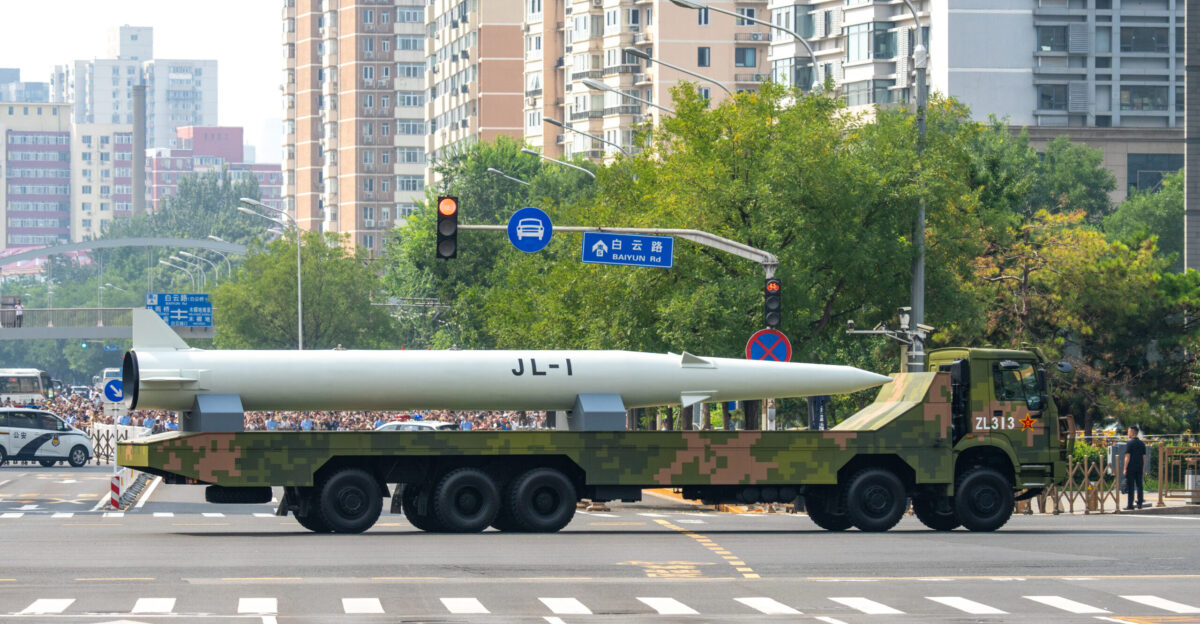
China’s nuclear expansion has proceeded with less fanfare but equal consequence. In just five years, Beijing has doubled its arsenal to around 600 warheads, adding roughly 100 per year. The Pentagon projects China could reach 1,000 by 2030—rivaling Russia’s current stockpile. While China maintains a “no first use” policy, its development of new ICBMs, submarine-launched missiles, and hypersonic vehicles suggests ambitions beyond mere deterrence. Trump explicitly cited China’s buildup as part of his rationale for resuming U.S. testing.
The Nuclear Testing Infrastructure Challenge
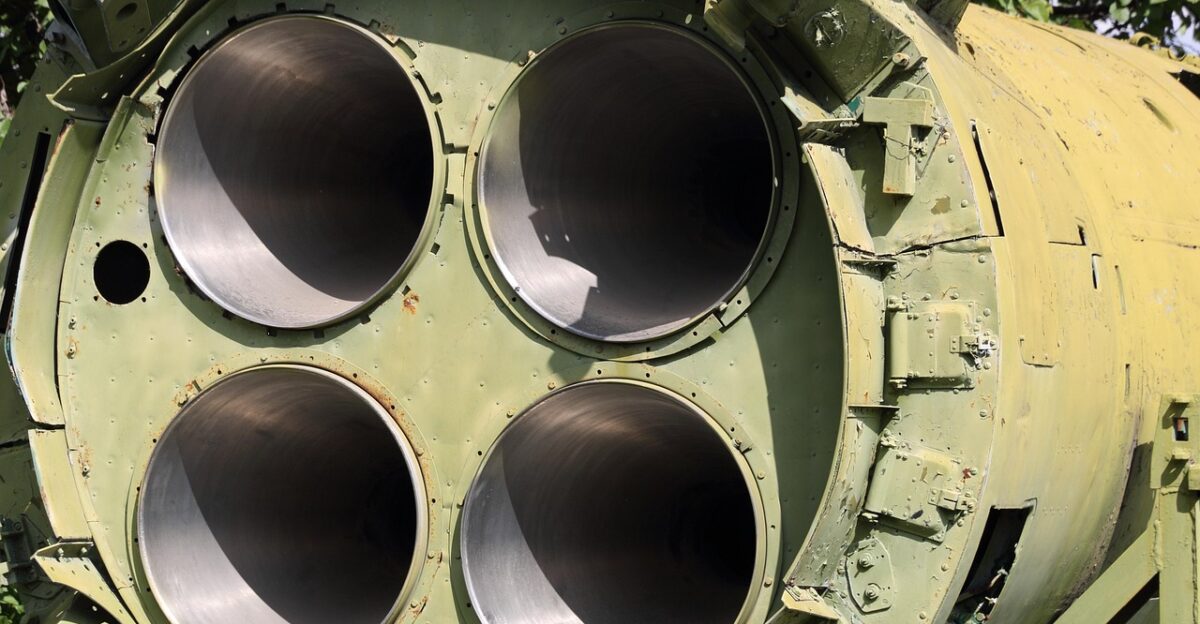
Resuming U.S. nuclear testing faces significant logistical hurdles. The Nevada National Security Site conducted its last explosive nuclear test in 1992, and experts estimate it would take six to ten months to conduct a simple test, while full-scale underground testing could require one to three years of preparation. The site currently focuses on subcritical experiments that maintain stockpile reliability without explosive yields.
Nevada officials have expressed concerns about the feasibility of resuming rapid testing. The site encompasses approximately 1,350 square miles of testing infrastructure, comprising over 1,100 buildings. However, transitioning from subcritical to explosive testing involves complex safety, environmental, and regulatory processes.
The End of an Era—And the Start of Another
The last U.S. nuclear test, codenamed Divider, took place on September 23, 1992. After that, Congress froze testing, and President Clinton extended the moratorium indefinitely, signing the Comprehensive Nuclear Test Ban Treaty in 1996. For 33 years, the U.S. relied on simulations and inspections to ensure the reliability of its arsenal. Trump’s directive ends that era, which spanned four presidencies and symbolized the world’s longest pause in nuclear detonations.
Global Implications and the Risk of Proliferation
The resumption of U.S. testing risks unraveling the Non-Proliferation Treaty’s fragile framework. Russia has already hinted it would follow suit. China hasn’t tested since 1996, but never ratified the test ban. India and Pakistan last conducted a test in 1998; North Korea has conducted six tests since 2006. A return to open testing by any major power could dismantle half a century of nuclear restraint almost overnight.
Diplomacy, meanwhile, is in retreat. Russia’s war in Ukraine continues, China’s arsenal grows unchecked, and the New START Treaty expires in 2026. No U.S.–Russia arms-control talks have taken place since 2023, leaving no channels to prevent miscalculations. Experts warn that renewed testing is more political theater than technological necessity—but it risks normalizing a mindset of readiness over restraint.
Counting the Warheads
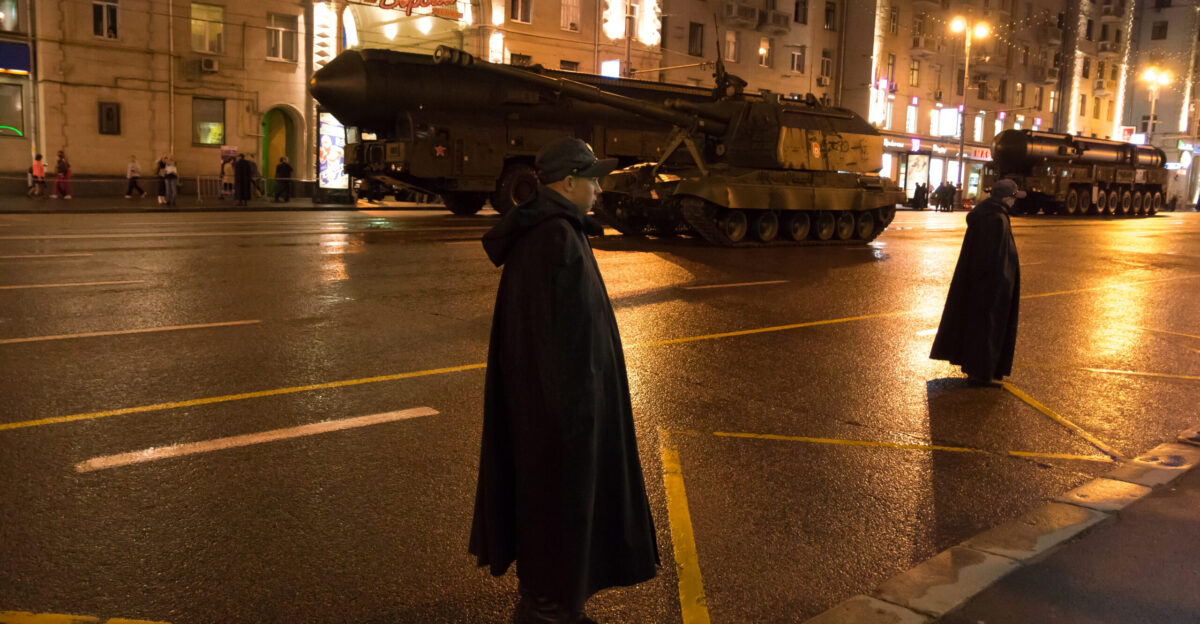
Despite Trump’s claims, the numbers tell a different story. Russia holds roughly 5,580 nuclear warheads—slightly more than America’s 5,225, according to the Arms Control Association. Both nations deploy approximately 1,550 strategic warheads under the New START Treaty, although Russia ceased reporting data after suspending its participation in early 2023. The U.S. maintains the world’s second-largest arsenal, but Moscow’s edge undercuts any assertion of American dominance.
Looking Ahead: Stakes and Uncertainties
The events of late October 2025 mark more than a policy shift—they represent a symbolic break from the post-Cold War consensus. Russia’s combat use of banned missiles, China’s rapid buildup, and the U.S. decision to resume testing collectively reset the global nuclear stage. With treaties collapsing and diplomacy in retreat, the world faces a renewed arms race without the guardrails that once kept it in check. The stakes are clear: in the absence of dialogue, the risk of miscalculation grows, and the line between deterrence and escalation becomes ever thinner.