
In late October 2025, Target stunned the retail world by announcing the elimination of 1,800 corporate roles—roughly 8% of its global headquarters workforce. The move followed eleven consecutive quarters of stagnant or declining sales and a 30% drop in the company’s stock since January. For many employees, the news arrived in the most impersonal way possible: a Zoom call intended to deliver the verdict was derailed by technical glitches, leaving about 1,000 workers staring at the company’s red bullseye logo in silence. Confirmation of layoffs came only later, via email, highlighting the confusion and anxiety that marked the process.
“I’m scared to reach out to my project teams to find out if everyone is accounted for,” one Minneapolis-based employee told the Star Tribune, capturing the uncertainty that rippled through Target’s ranks. The layoffs, the company’s largest restructuring in nearly a decade, signaled a deep crisis for the Minneapolis-based retailer.
Mounting Pressures and a Shifting Retail Landscape
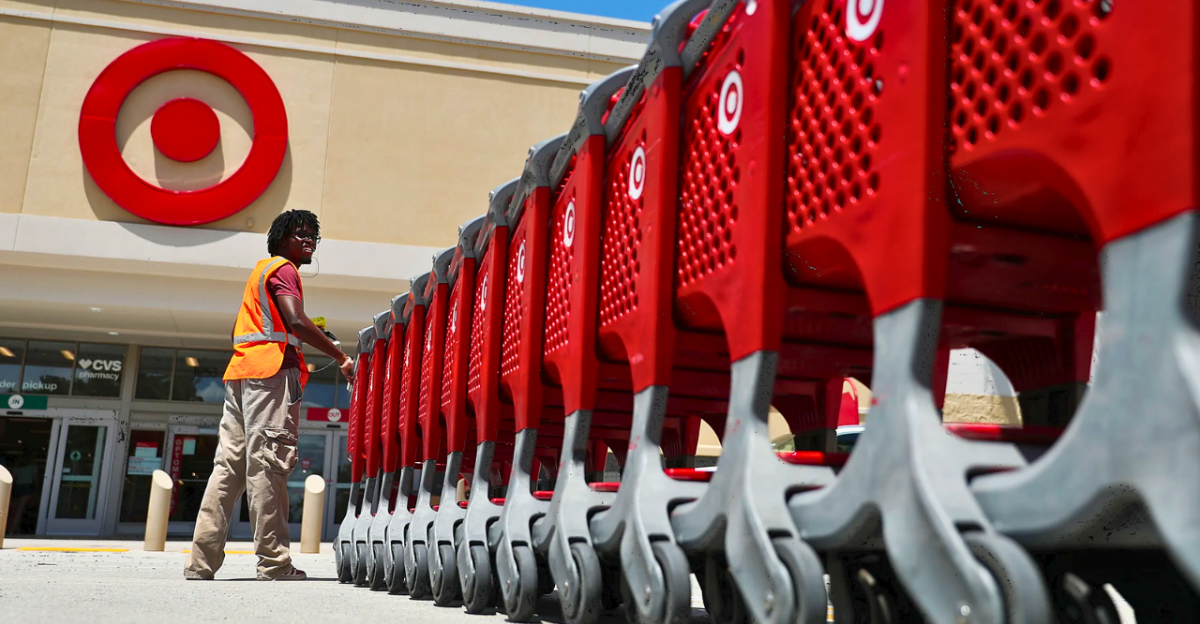
Target’s troubles have been building for years. Once celebrated for its collaborative culture and progressive workplace policies, the company has struggled with declining customer traffic, inventory missteps, and fierce competition from retail giants like Walmart and Amazon. In the first quarter of 2025 alone, comparable sales dropped 3.8%. Michael Fiddelke, Target’s incoming CEO, pointed to “too many layers and overlapping work” as factors that slowed decision-making and stifled innovation.
The company’s woes are not unique. Across the retail sector, white-collar job cuts have become common as businesses respond to changing consumer habits and the rise of automation. Amazon, for example, announced plans to cut 14,000 corporate jobs in 2025, while UPS eliminated 34,000 positions. “While there is some truth in Target’s assertion that its job cuts are a consequence of simplification, they are also the result of a business that has been underperforming for a long time,” said Neil Saunders, Managing Director at GlobalData.
Layoff Fallout: Local Impact and Employee Trauma

The brunt of Target’s layoffs fell on its home state of Minnesota, where 815 employees lost their jobs—528 from the downtown Minneapolis headquarters and 287 from the Brooklyn Park campus. Departments affected ranged from merchandising and engineering to cybersecurity and human resources. All U.S. headquarters staff were told to work from home during the week of the announcement, further disrupting operations.
For many, the layoff process was traumatic. Employees described waiting hours in confusion before learning their fate, with some only discovering their status through impersonal emails. The timing of a company-wide phishing simulation—disguised as a job interview—during the same week as the layoffs added insult to injury. A Target security manager later apologized for the “additional stress” the exercise caused.
The psychological toll was evident. An internal survey in June revealed that about 40% of headquarters workers lacked confidence in Target’s future. “Target was once a place that prided itself on work-life balance and supporting growing families. Unfortunately, ‘business decisions’ are taking precedence,” a former employee wrote, reflecting a broader sense of cultural loss.
Leadership Transition Amid Uncertainty
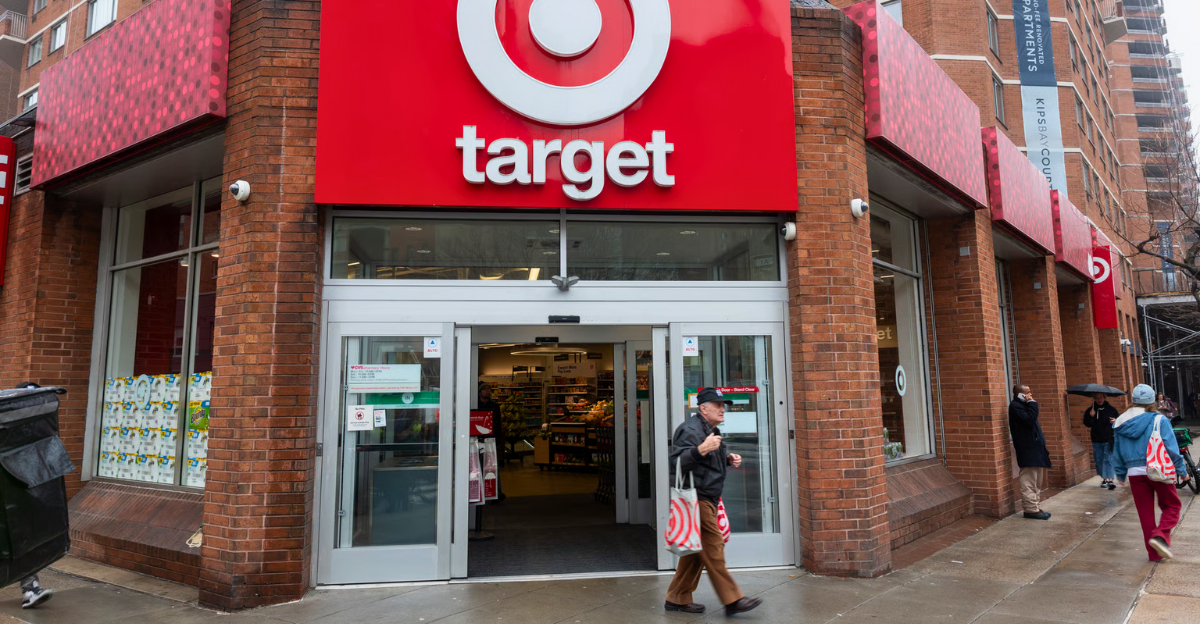
As Target navigates this turbulent period, leadership is also in flux. CEO Brian Cornell, who led the company through a period of pandemic-era growth, will step down on February 1, 2026, becoming executive chairman. Michael Fiddelke, a 20-year Target veteran who has served as CFO and COO, will take the helm. Fiddelke’s promotion from within disappointed some investors who had hoped for an outsider’s perspective.
Fiddelke has outlined a three-part recovery strategy: reclaiming Target’s authority in merchandising and design, enhancing the in-store shopping experience, and investing in technology and artificial intelligence to boost efficiency. Whether this plan can restore Target’s fortunes remains to be seen. “Success will depend on execution and whether the company can rebuild trust with both customers and employees after months of controversy,” said one industry analyst.
Cultural Reckoning and the Road Ahead

Target’s recent rollback of diversity, equity, and inclusion (DEI) initiatives—including ending its REACH program and withdrawing from the Corporate Equality Index—sparked a 40-day consumer boycott and drew sharp criticism from civil rights leaders. Pastor Jamal Bryant called the move a betrayal of communities that had long supported the retailer. Store traffic fell 7.9% year-over-year in the first quarter, compounding the company’s reputational challenges.
Globally, Target’s restructuring is being closely watched. With nearly 2,000 U.S. stores and a vast international supply chain, the company’s cost-cutting measures are expected to reshape vendor relationships and sourcing strategies worldwide.
As Target prepares for a new era under Fiddelke’s leadership, the stakes are high. The company must balance efficiency with employee trust, innovation with stability, and financial performance with cultural integrity. The coming months will reveal whether Target can reclaim its place as a beloved American retailer—or whether the scars of 2025’s upheaval will prove too deep to heal.