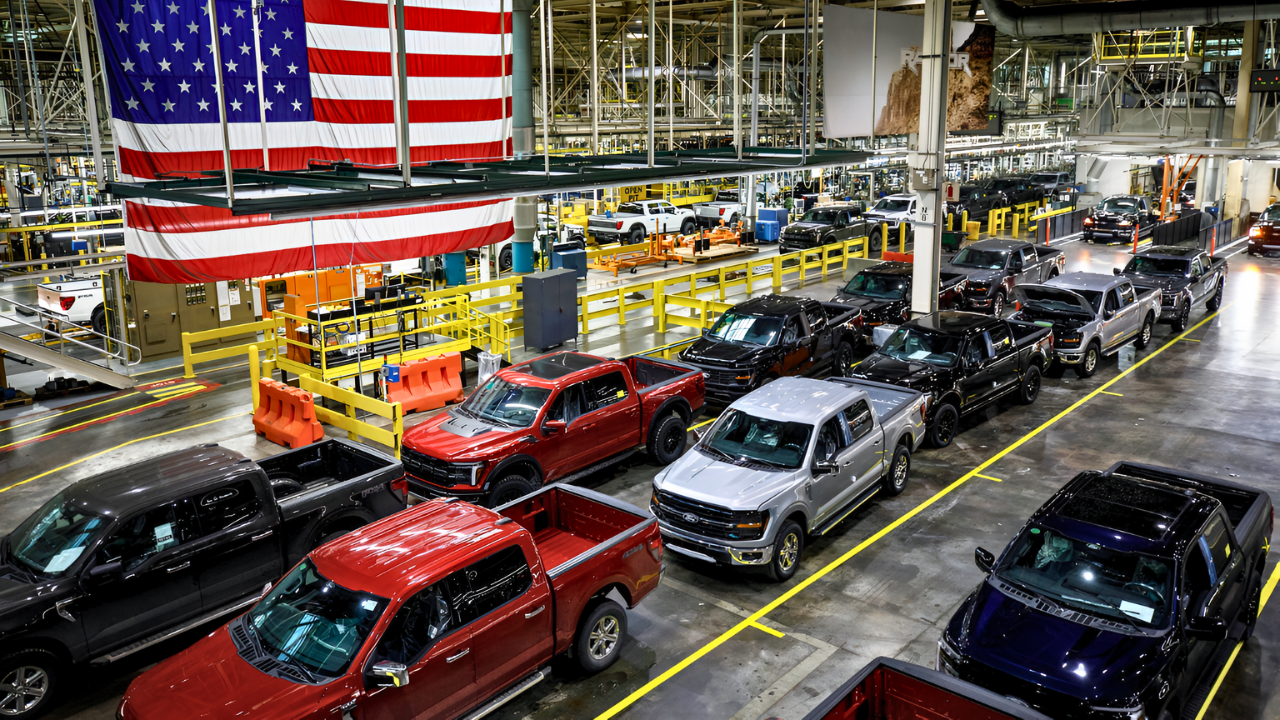
Ford was forced to pause production of its F-150 Lightning electric truck at the Rouge Electric Vehicle Center due to a catastrophic fire at Novelis’ aluminum plant. This wasn’t just a minor setback—this was the moment that halted America’s best-selling electric pickup in its tracks.
With aluminum in short supply, Ford quickly shifted its focus to gas and hybrid F-150 production, moving 1,200 workers to meet the growing demand for conventional trucks.
But why has Ford kept the Lightning line frozen, with no restart date in sight? And what does this pause mean for the future of electric vehicles? Keep reading as we explore the ripple effects of this unprecedented move and what it means for Ford’s electrification plans.
Aluminum Supply Chain Disrupted
The fire at the supplier, Novelis, severely disrupted the U.S. auto industry’s aluminum supply chain. Novelis supplies a large portion of all automotive-grade aluminum sheet.
This incident forced Ford to pause Lightning production indefinitely and prioritize gas and hybrid models, impacting the availability of electric pickups at dealerships.
Ford Shifts Priorities
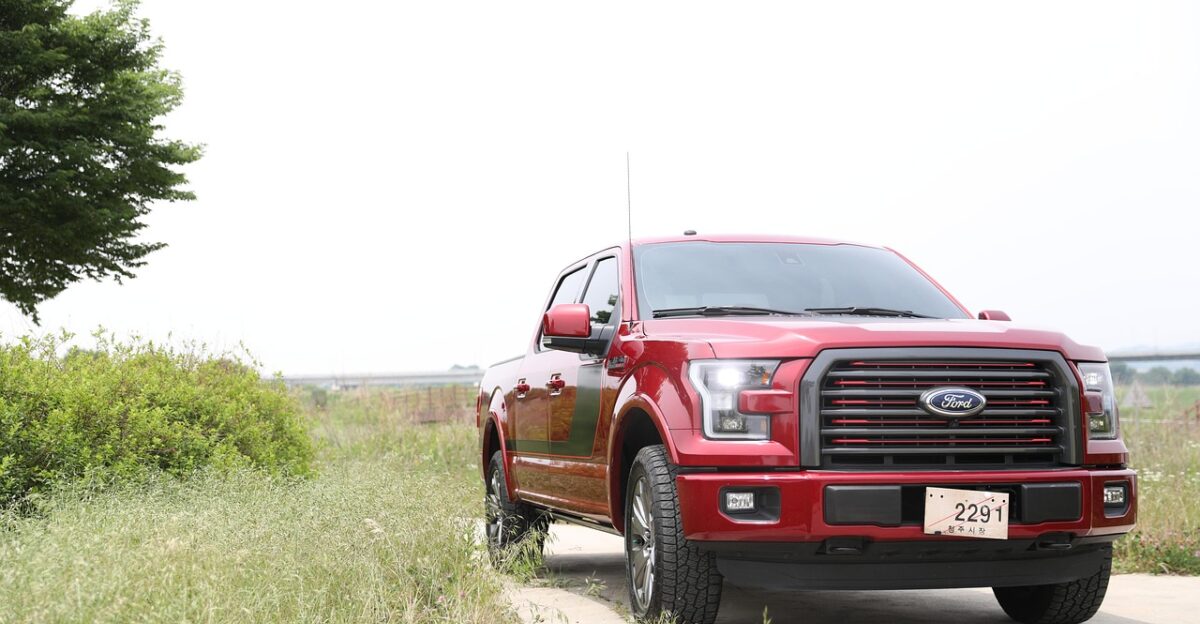
Ford’s new production strategy allocates more aluminum to its gas and hybrid F-Series trucks. These vehicle lines are more profitable and use less aluminum than electric models.
With robust consumer demand for the F-Series, Ford aims to stabilize sales and offset losses from the pause in F-150 Lightning production, ensuring dealer lots are stocked with popular vehicles.
Indefinite Delay for Lightning
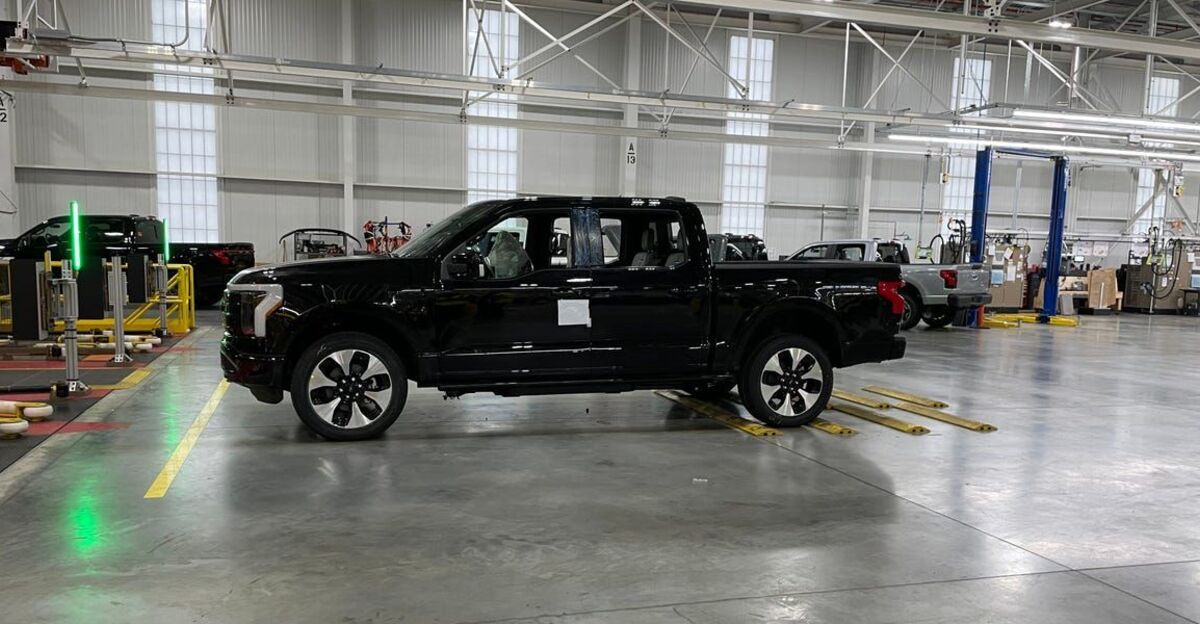
The automaker has not provided a restart date for F-150 Lightning assembly. As a result, dealers face dwindling electric truck inventory in the coming months.
Ford’s indefinite pause means many consumers won’t find Lightning models available for purchase, and prices could increase due to scarcity.
New Jobs for Gas and Hybrid
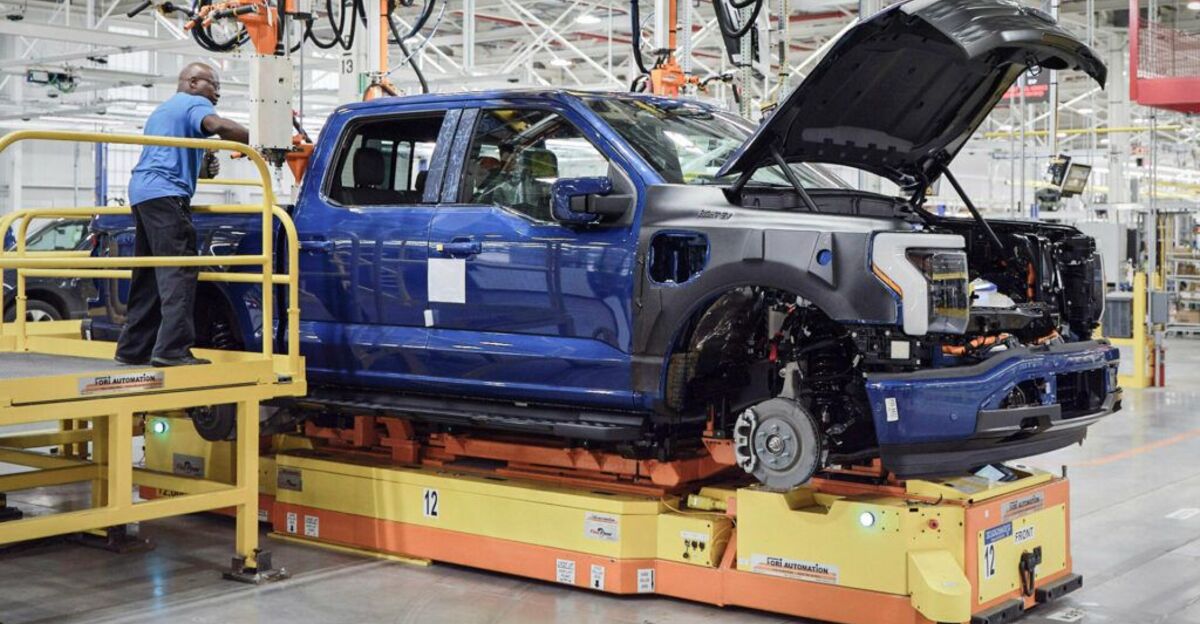
To boost the output of gas and hybrid F-Series trucks, Ford is creating about 1,000 new jobs. This workforce expansion is divided between the Dearborn and Kentucky plants, helping Ford keep up with strong demand for these conventional pickups. Workers from the electric truck plant have been reassigned to these lines.
Ramp Up of Conventional Trucks
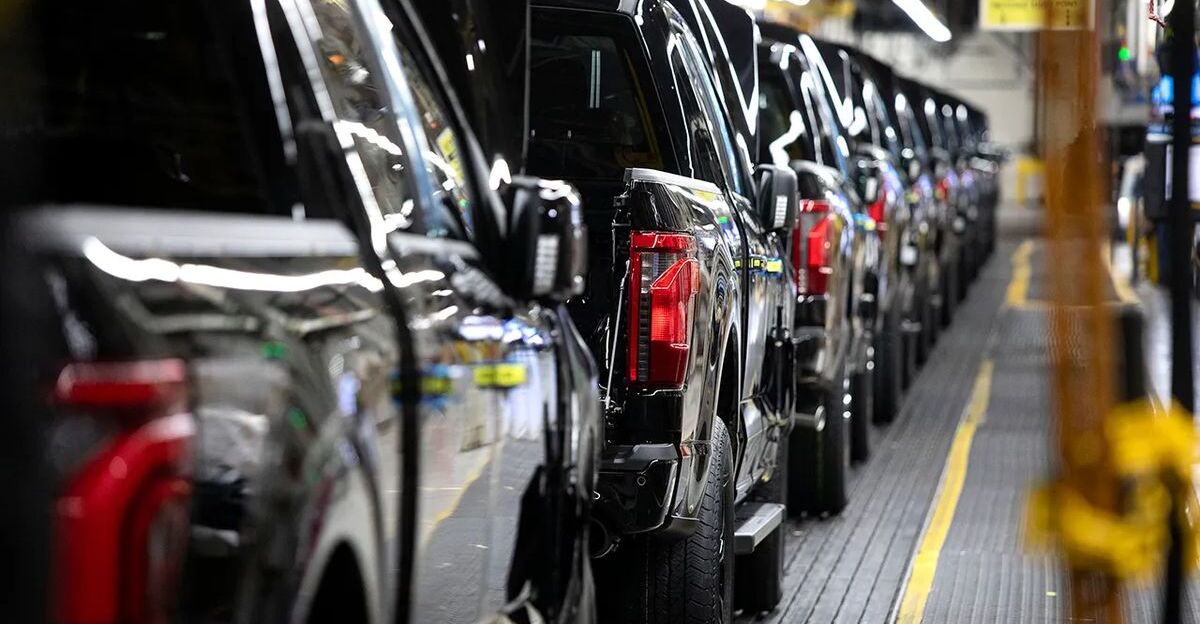
Ford announced plans to produce over 50,000 additional gas and hybrid pickup trucks for the 2026 model year.
The move solidifies Ford’s strategy to bolster production of high-margin vehicles while its electric truck remains off the line. These efforts aim to mitigate the earnings impact of the ongoing supply chain issue.
Industry-Wide Impact
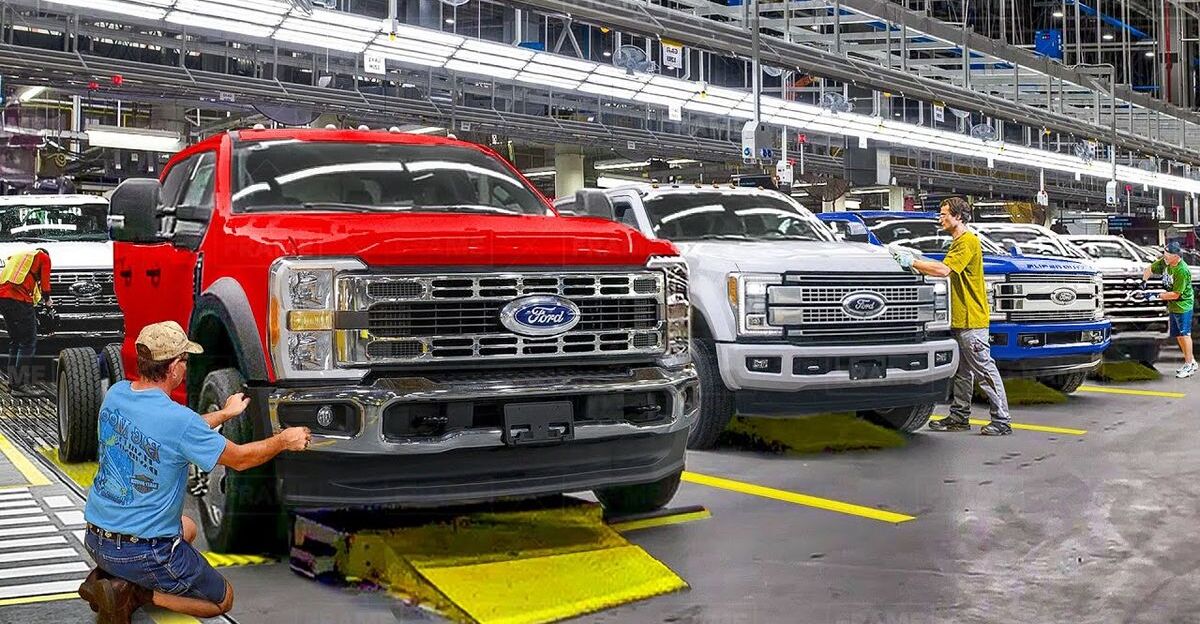
The aluminum shortage is affecting the entire automotive sector, not just Ford. Other manufacturers, including Toyota, Hyundai, Volkswagen, and Stellantis, are monitoring their supply chains and seeking alternative sources, but no other brands have confirmed production pauses yet. The industry’s reliance on single suppliers remains a concern.
Financial Consequences for Ford
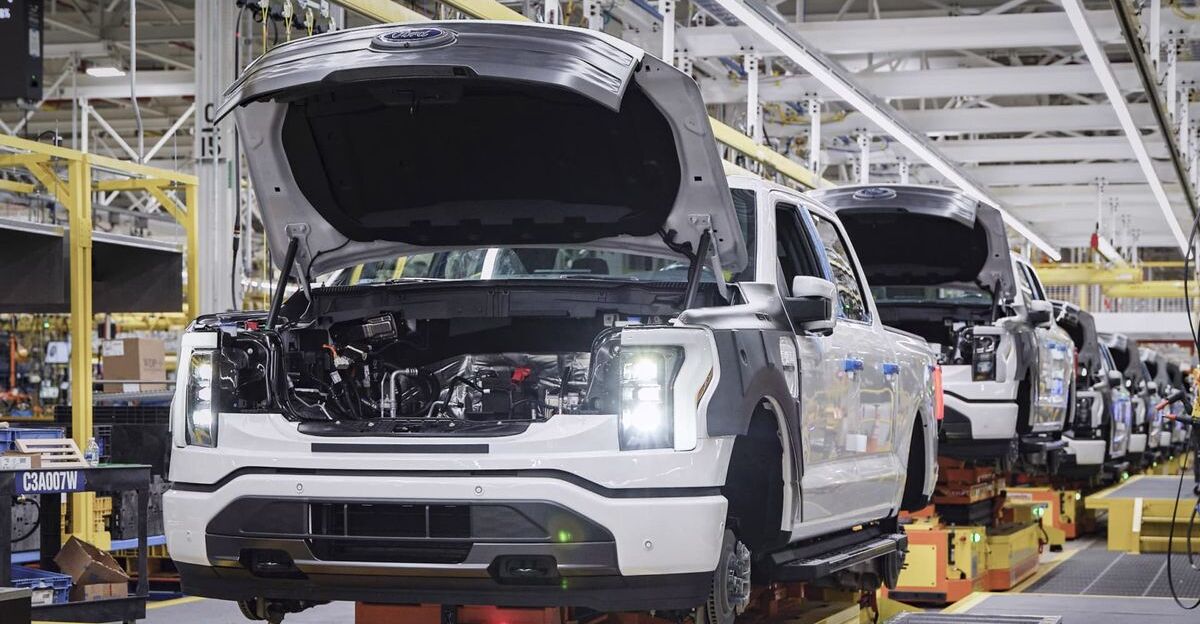
Ford estimates that the pause in F-150 Lightning production could result in an earnings impact of up to $2 billion.
The company revised its financial guidance for 2025 following the fire and subsequent disruptions to its supply chain. Ford is relying on increased sales of gas and hybrid trucks to cushion the loss and maintain profitability.
Lightning Inventory Shrinks
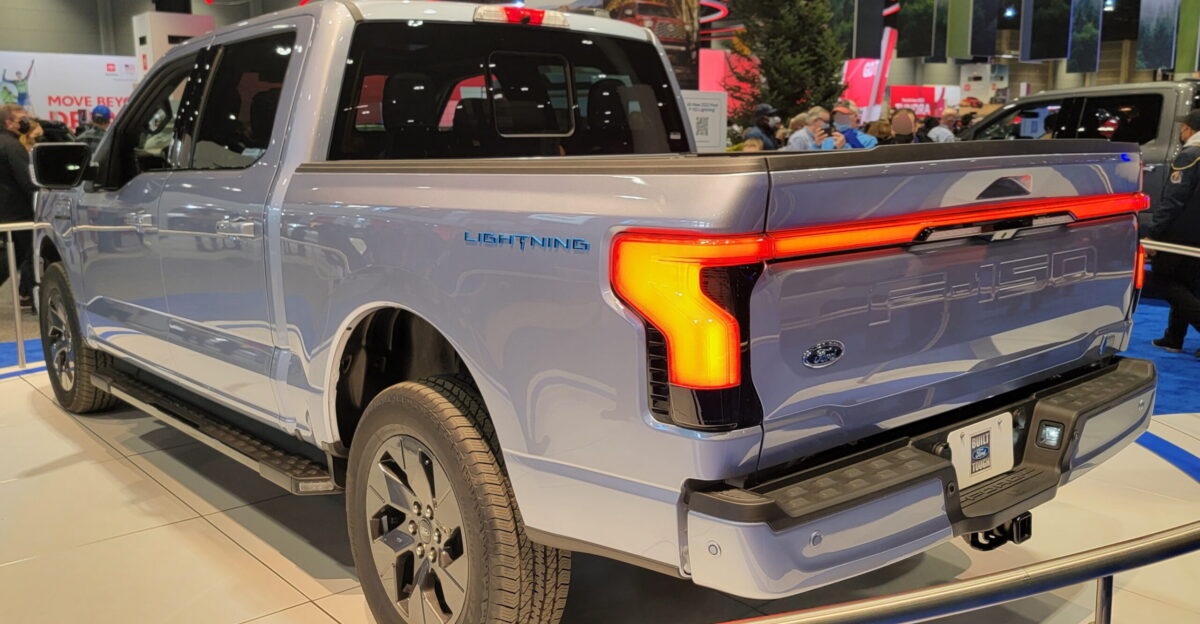
As America’s best-selling electric pickup, the F-150 Lightning saw strong sales before the pause, but supplies are dwindling.
Higher prices and limited choices for buyers are likely as dealer inventory declines, which may stall the momentum of electric vehicle adoption among truck customers.
Gas and Hybrid Trucks Plentiful
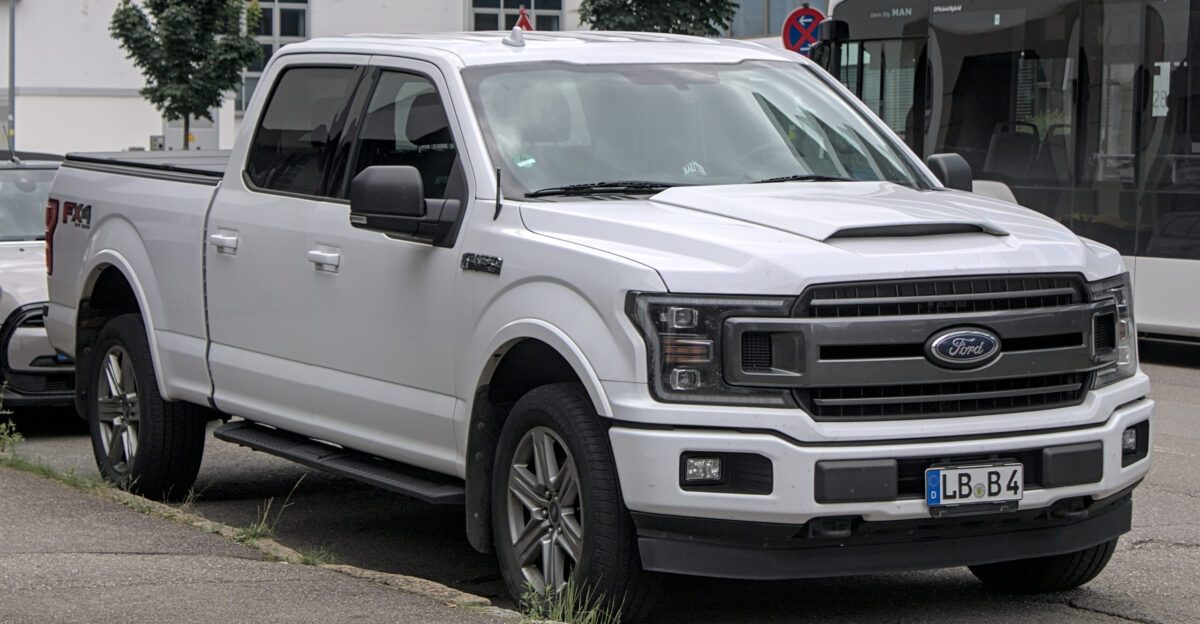
In contrast, gas and hybrid F-Series models are widely available and now prioritized in production. Dealers anticipate having a broad selection of these models in inventory by 2026.
Customers looking for trucks may find incentives and attractive offers for the non-electric F-Series compared to the more limited Lightning.
Climate Goals at Risk
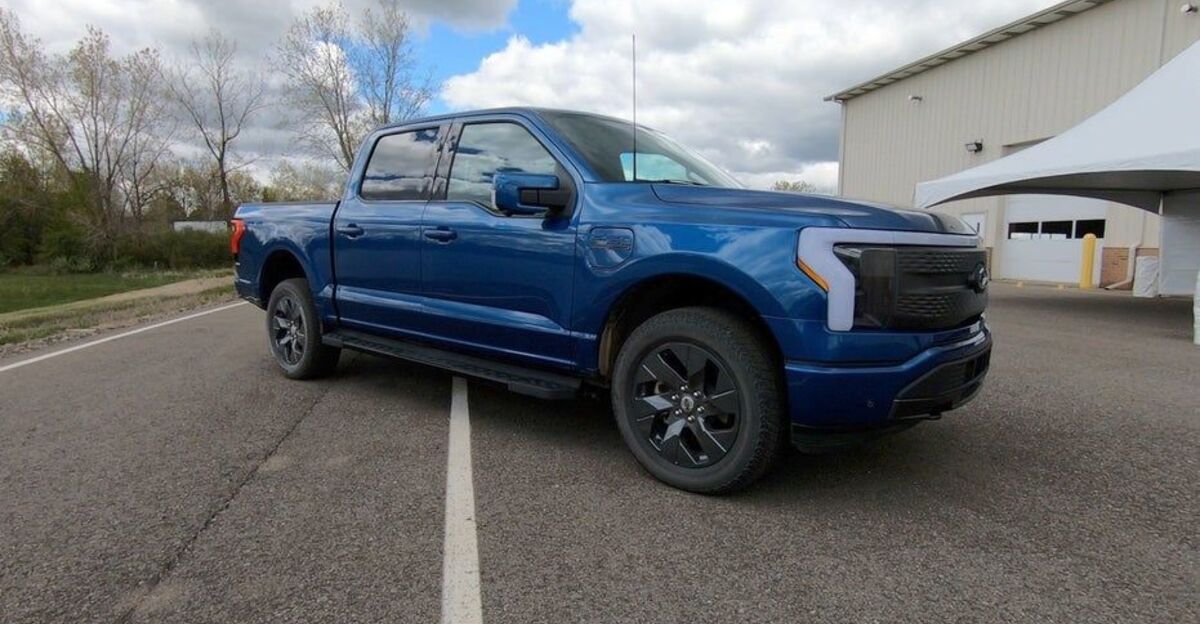
Environmental advocates argue that pausing Lightning production could hinder the auto sector’s ability to meet emissions reduction targets.
Ford’s pivot to gas and hybrid trucks highlights the challenge of balancing environmental commitments with supply chain realities and market demand in the U.S.
Supply Chain Vulnerabilities
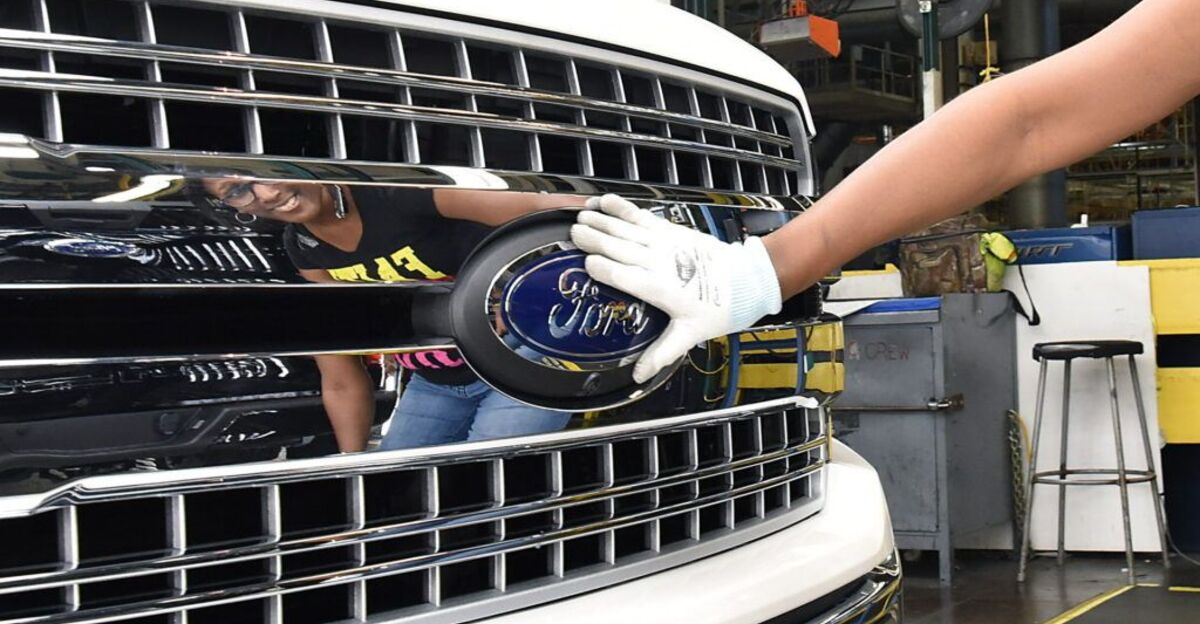
This aluminum supply disruption underscores the vulnerability of automotive supply chains to single-source events.
Policymakers and industry analysts are watching the incident closely, as it could prompt changes in sourcing and encourage more robust domestic supply chains, especially for materials vital to EVs.
Worker Reassignments
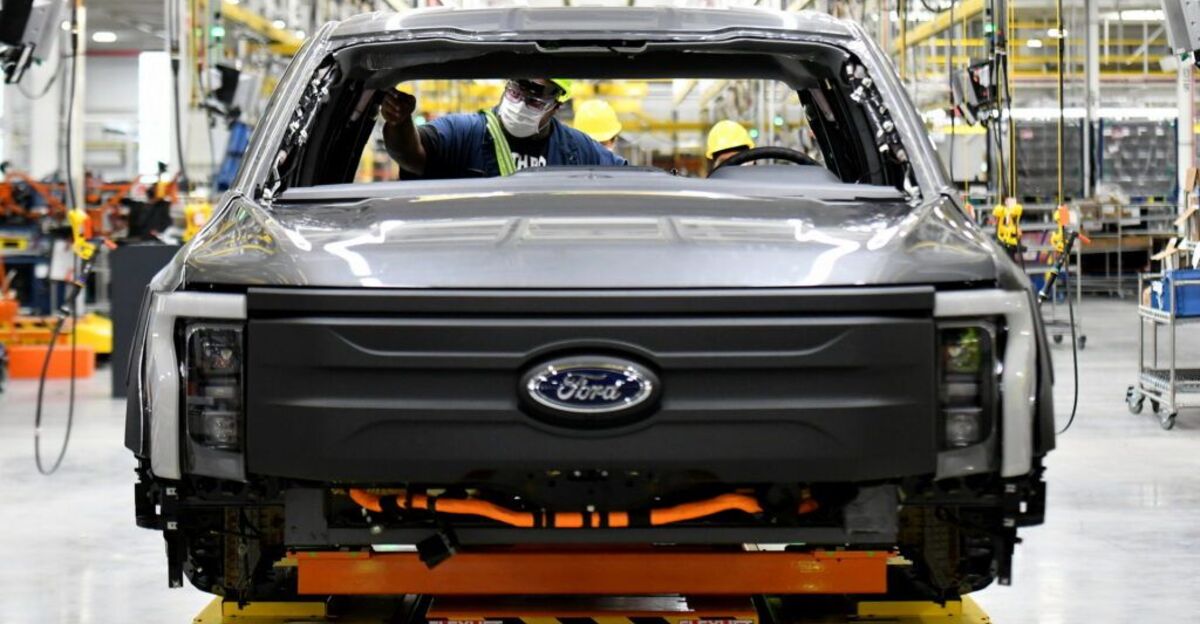
Approximately 1,200 Ford employees have transitioned from EV production roles to gas and hybrid truck lines due to the pause in F-150 Lightning production.
These job shifts preserve employment but change workers’ day-to-day roles, creating uncertainty about the future of electric truck manufacturing at Ford.
Consumer Choices Narrow
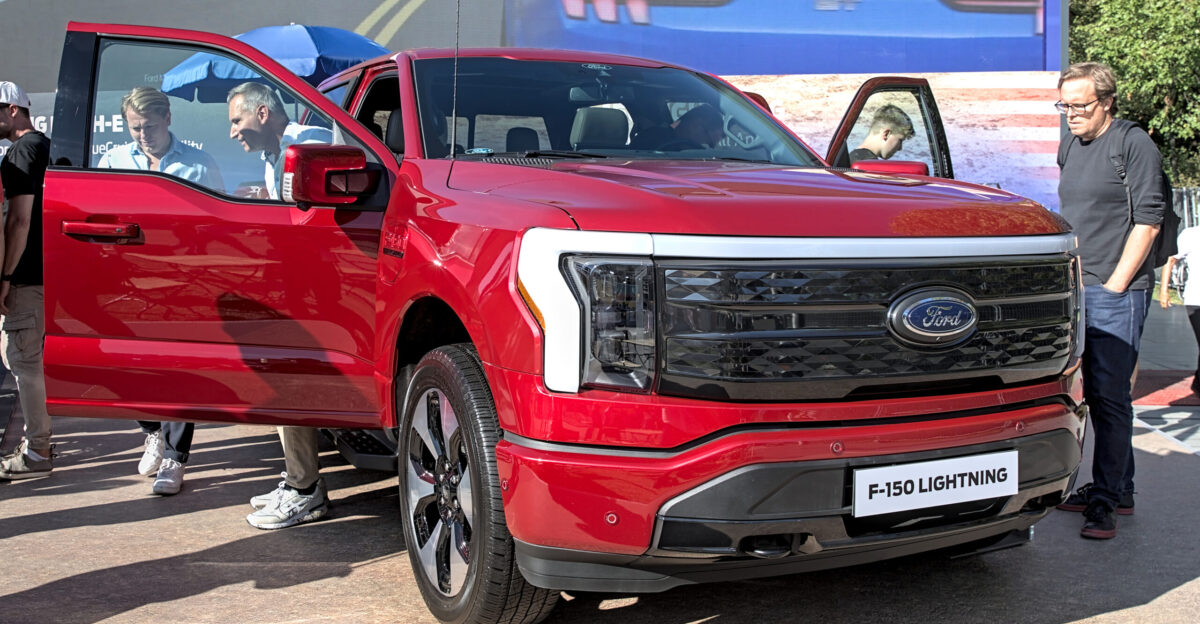
Consumers have fewer choices in the electric pickup market as Lightning inventory drops. Some may postpone buying an EV, while others will consider gas or hybrid alternatives.
Truck buyers must weigh fuel costs, potential incentives, and vehicle availability in a changing market landscape.
Future of Electrification Questioned
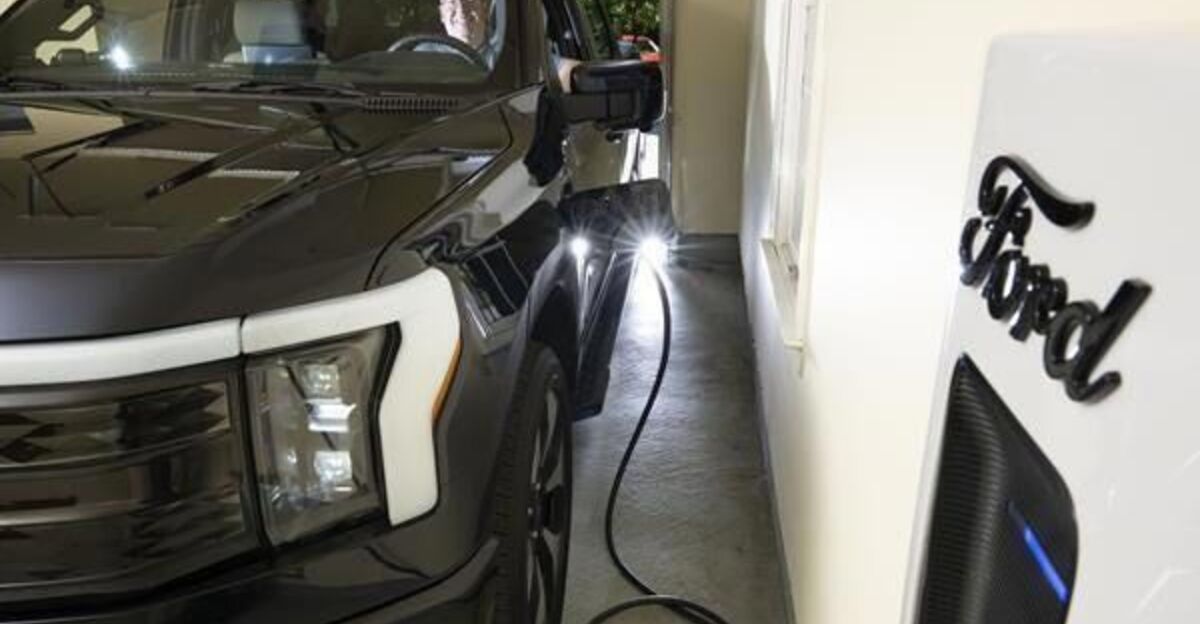
Ford’s production shift demonstrates how easily critical supply chain issues can stall the transition to electric vehicles.
The company, along with the broader industry, faces tough questions about the future of electrification, profitability, and resilience as it awaits the restoration of supply and improved market conditions.