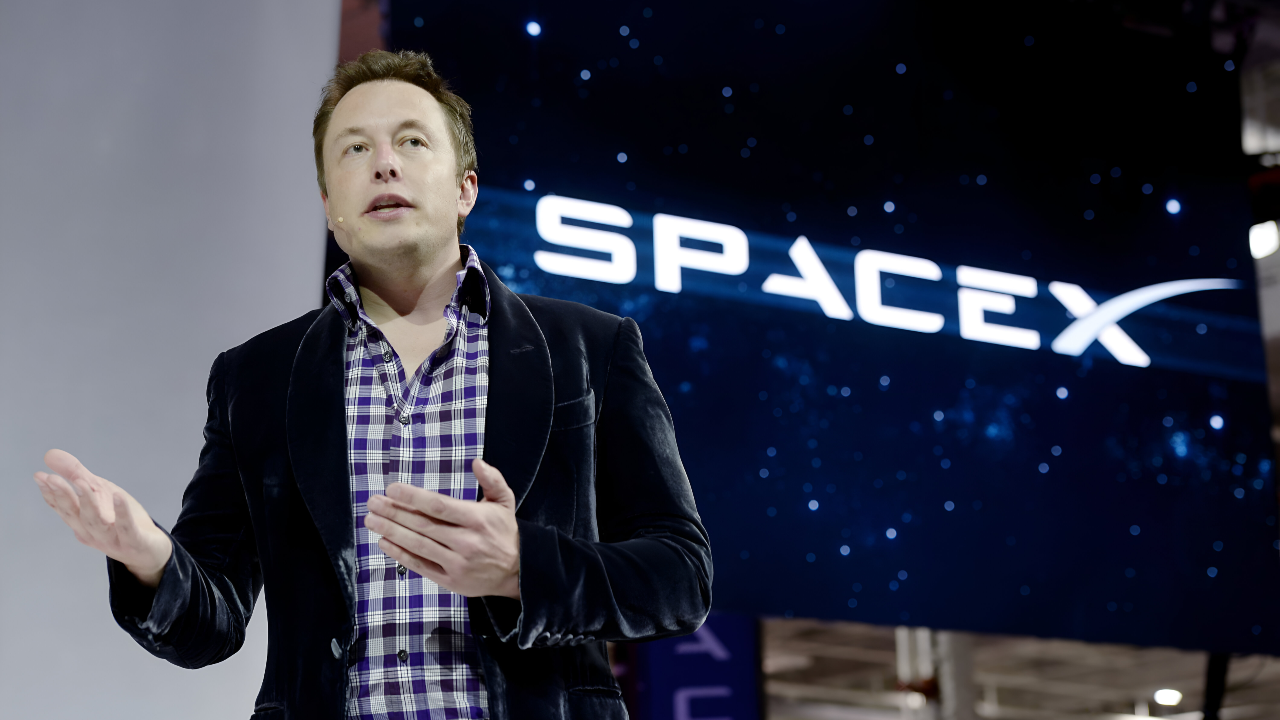
A sudden announcement from NASA has thrown America’s lunar ambitions into uncertainty, threatening SpaceX’s $2.9 billion contract and reigniting the global race to the Moon.
On October 20, 2025, Acting NASA Administrator Sean Duffy revealed that the Artemis III mission—intended to return U.S. astronauts to the lunar surface—would be opened to new bids.
The move comes amid mounting technical delays, political turbulence, and fierce international competition, raising questions about whether SpaceX can maintain its lead or if rivals like Blue Origin will seize the opportunity.
Shutdown Stalls and Global Pressure
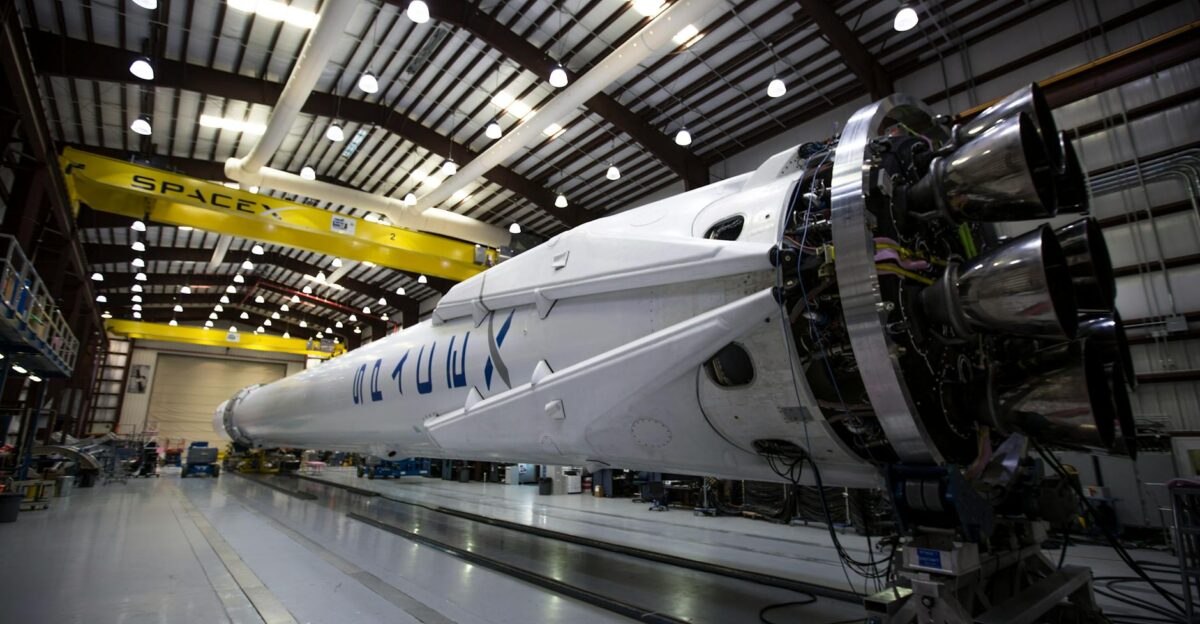
NASA’s decision arrives at a critical moment. A government shutdown has forced approximately 83% of NASA’s workforce—about 15,000 employees out of 18,000—into furlough, halting critical work on Artemis and other missions. Engineers and mission planners at key sites like Johnson Space Center in Texas and Kennedy Space Center in Florida have been sidelined, leaving the program’s future in limbo.
The stakes are heightened by China’s rapid progress. The China National Space Administration has publicly committed to landing astronauts on the Moon before 2030, a timeline that now threatens to eclipse U.S. efforts. Duffy has emphasized concerns about American leadership in space, underscoring the urgency felt within NASA and among lawmakers.
A Contract Under Fire
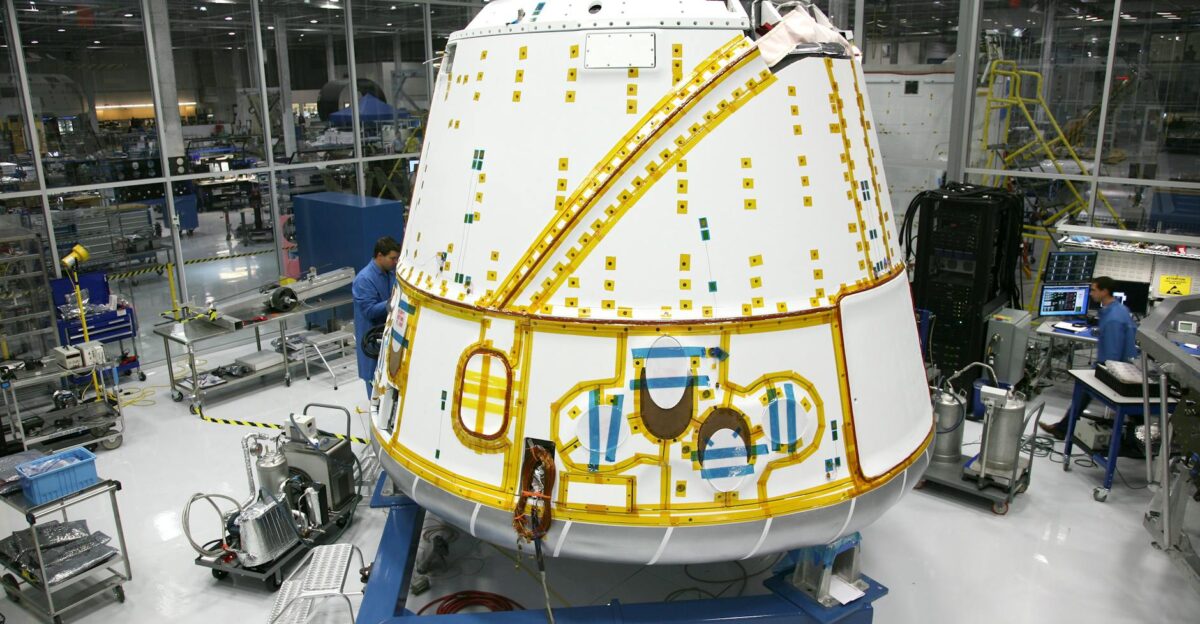
SpaceX’s journey to the Moon began in April 2021, when NASA selected the company to develop the Starship Human Landing System for the Artemis III mission. The contract, worth $2.9 billion, was a major victory for Elon Musk, positioning SpaceX at the heart of America’s return to the moon. Blue Origin and Dynetics, both unsuccessful in the original competition, have since lobbied for another chance.
But Starship’s development has been rocky. Starship test flights 7, 8, and 9 in early 2025 experienced failures, raising concerns about the rocket’s reliability and the feasibility of its complex in-orbit refueling system—a technology never before demonstrated in space. Two subsequent flights—Flight 10 on August 26 and Flight 11 on October 13, 2025—succeeded, though doubts linger about whether SpaceX can meet NASA’s mid-2027 target for Artemis III.
Local Impact and Workforce Anxiety
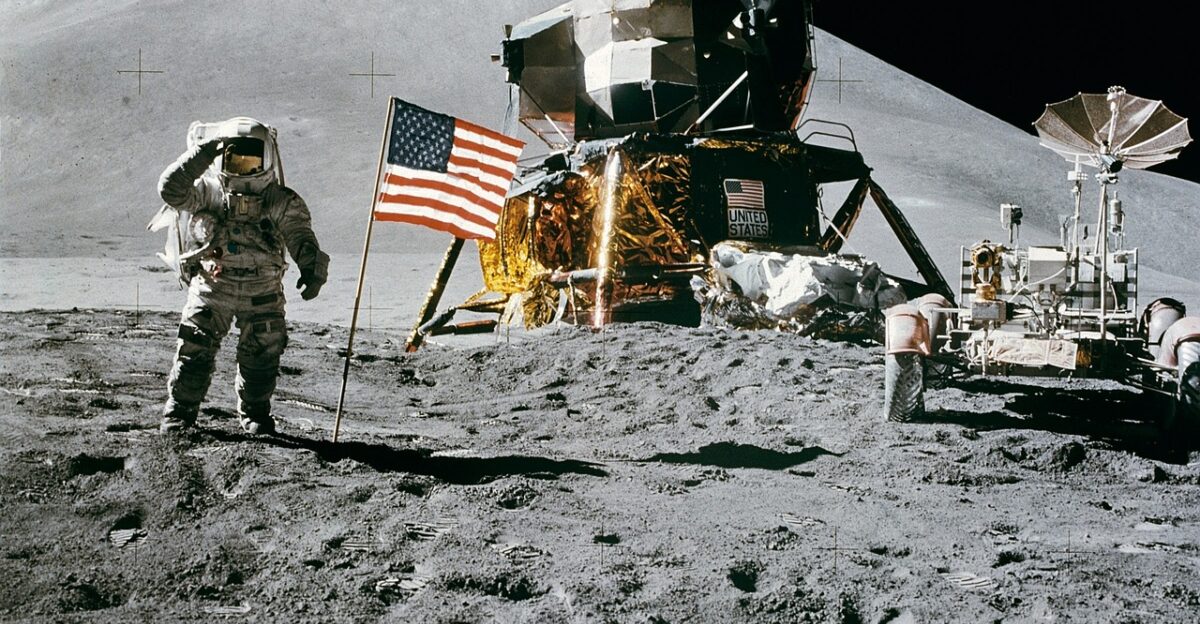
The contract’s uncertainty is reverberating through communities that depend on NASA. Across the space sector, the mood has been described as anxious and frustrated as years of work on Artemis now appear at risk—along with jobs and America’s place in space.
Inside SpaceX, the pressure is intense. Musk’s public feud with Duffy—marked by a series of personal attacks on social media, including calling him “Sean Dummy” and posting offensive content—has created additional tensions. Concerns exist about how this public conflict could affect the mission.
Meanwhile, Blue Origin’s founder, Jeff Bezos, is accelerating work on the Blue Moon lander, hoping to capitalize on NASA’s decision. “If SpaceX is behind, but Blue Origin can do it before them, good on Blue Origin,” Duffy stated during a CNBC interview, signaling a new era of open competition.
Technology, Timelines, and Safety Concerns
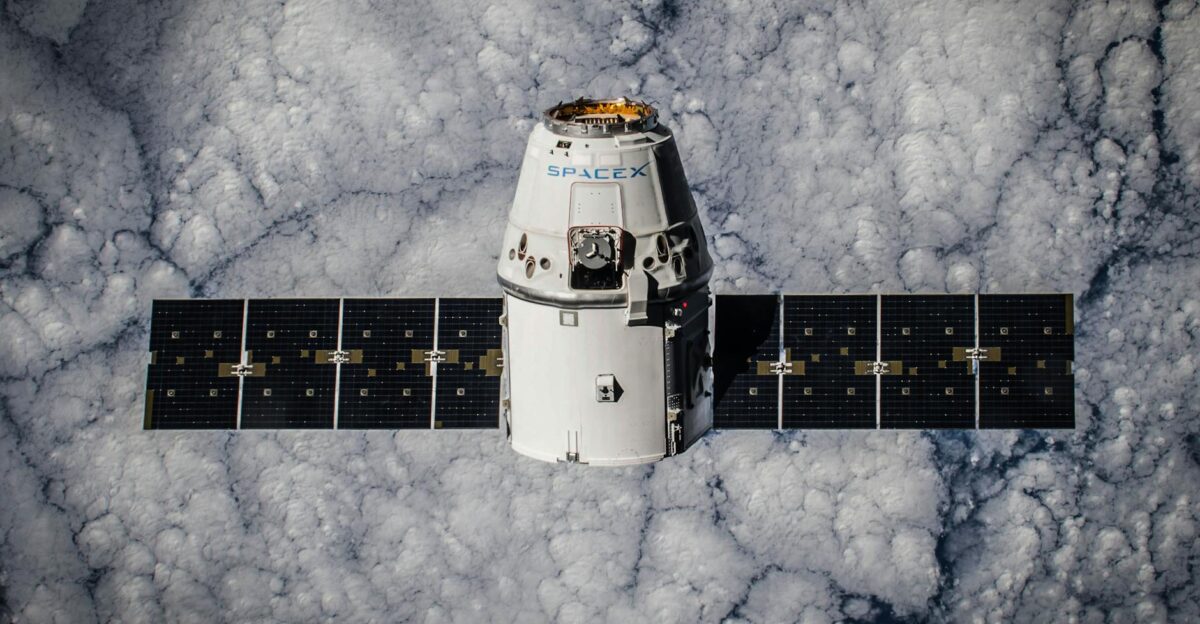
Both SpaceX’s Starship and Blue Origin’s Blue Moon hinge on lunar refueling—a critical capability that remains unproven. Lawmakers and veteran NASA officials are increasingly skeptical that any company can safely deliver astronauts to the Moon by 2027. Safety experts have cautioned about rushing unproven technology and the need to prioritize safety over political deadlines.
Globally, the U.S. is not alone in facing delays. China’s program, meanwhile, is gaining momentum. Concerns have been voiced in Congress and the international space community about whether America could lose its leadership position if delays continue.
Political Turbulence and Legal Risks
The leadership vacuum at NASA has further complicated matters. With no Senate-confirmed administrator, Duffy’s acting role has become a focal point of criticism. The recent withdrawal of Jared Isaacman’s nomination in late May 2025—reportedly due to political disagreements—left the agency without stable direction at a critical juncture. (Trump has since re-nominated Isaacman on November 4, 2025.)
Musk’s escalating attacks on Duffy have deepened divisions within NASA and the broader space sector. Some insiders support Musk’s aggressive pace, while others argue that SpaceX has overpromised and underdelivered. The possibility of legal action looms if NASA revokes SpaceX’s contract, a move that could trigger years of courtroom battles and further delay the Artemis program.
A Defining Moment for U.S. Space Leadership
As NASA reopens the Artemis III contract, the future of America’s lunar program hangs in the balance. The decision could spark innovation and competition, but it also risks handing victory to international rivals. Industry observers have noted that this represents more than a contract dispute—it’s a turning point for America’s place in space exploration.
With billions of dollars, thousands of jobs, and national prestige at stake, the outcome will shape the next decade of space exploration. Whether the U.S. can maintain its leadership—or cede the Moon to others—now depends on the choices made in the months ahead.