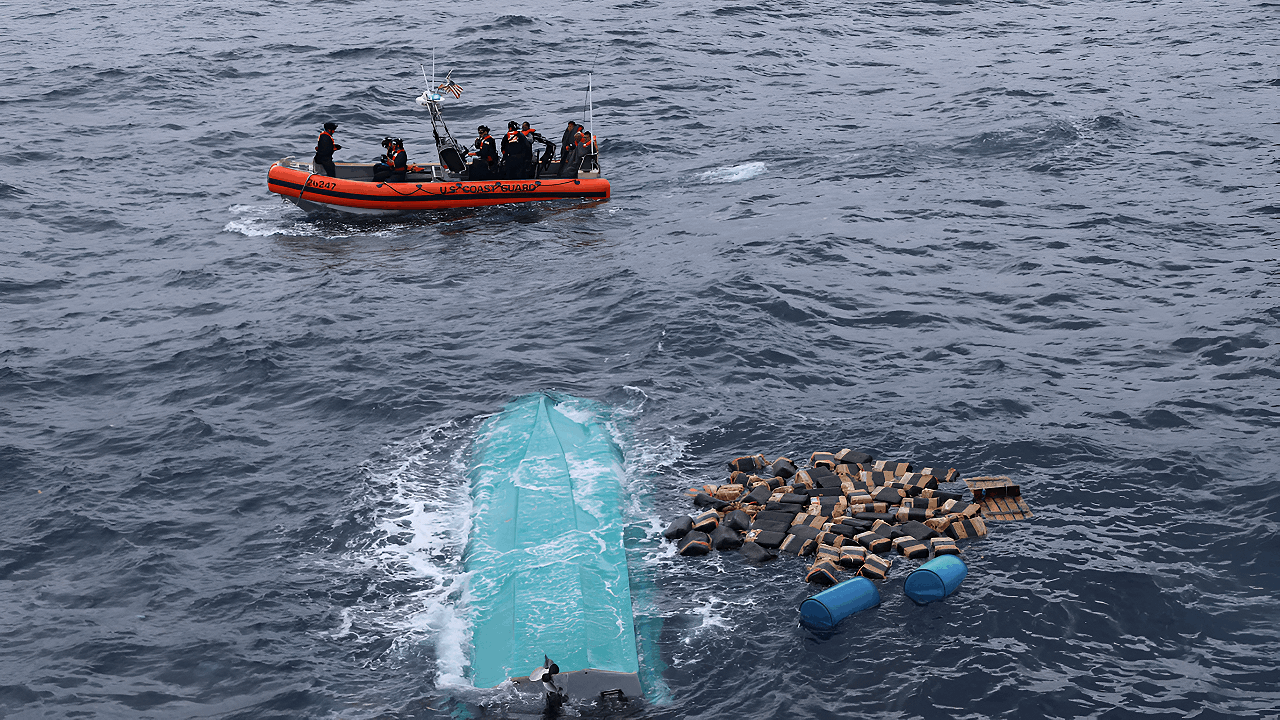
Starting in September 2025, the United States military began attacking boats suspected of carrying drugs in the Caribbean and Pacific Ocean. Defense Secretary Pete Hegseth leads this campaign with President Trump’s support. So far, at least 43 people have died in ten separate attacks.
The first strike killed 11 people on a speedboat, with Trump calling them members of Venezuela’s Tren de Aragua gang. However, the government has not shown any physical drugs from these destroyed boats. Ecuador investigated one survivor and found “no proof he committed any crime.”
In late October, the military expanded operations to the Pacific Ocean for the first time, hitting two boats on October 21-22 and killing five more people. Trump claims each attack “saves 25,000 American lives,” but experts say most drugs in this region go to Europe, not America.
The administration told Congress it is fighting a “non-international armed conflict” with drug cartels, using the same wartime rules applied to terrorist groups after 9/11.
International Backlash and Diplomatic Crisis
The strikes have damaged America’s relationships with Latin American countries. On October 19, Trump accused Colombia’s President Gustavo Petro of being “a drug kingpin,” which Petro called “slander.” He also labeled the boat strikes “extrajudicial executions”—killings without trial.
Colombia responded by stopping weapons purchases from the U.S. and recalling its ambassador. Trump then cut off all aid to Colombia. One Colombian fisherman was killed in a strike; Petro admitted the man may have worked with drug traffickers occasionally but said killing him was still illegal.
Venezuela asked the United Nations Security Council to intervene, calling the strikes “international crimes.” A UN human rights panel agreed, labeling them “extrajudicial executions.” Ecuador released another survivor, Andrés Tufiño, stating they found “no evidence of a crime.”
Families across the region are demanding answers about why their relatives were killed without proof of criminal activity.
Military Buildup and Growing Concerns
On October 24, the Pentagon sent the USS Gerald R. Ford aircraft carrier to the Caribbean with destroyers, submarines, and nearly 10,000 sailors—a massive deployment that goes far beyond typical drug enforcement.
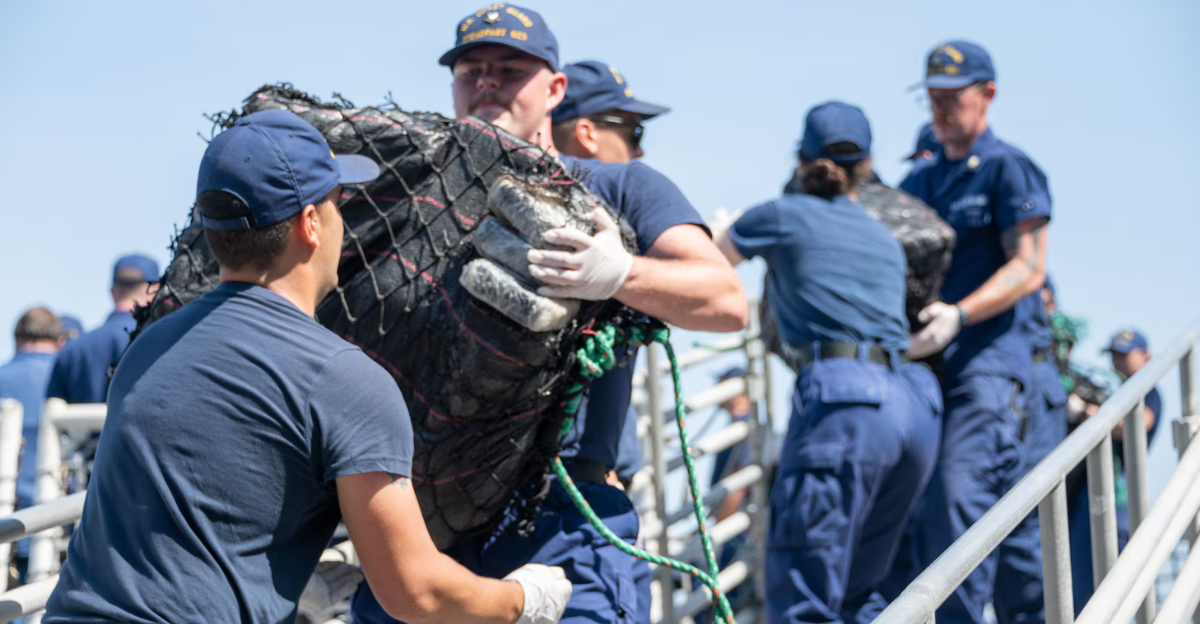
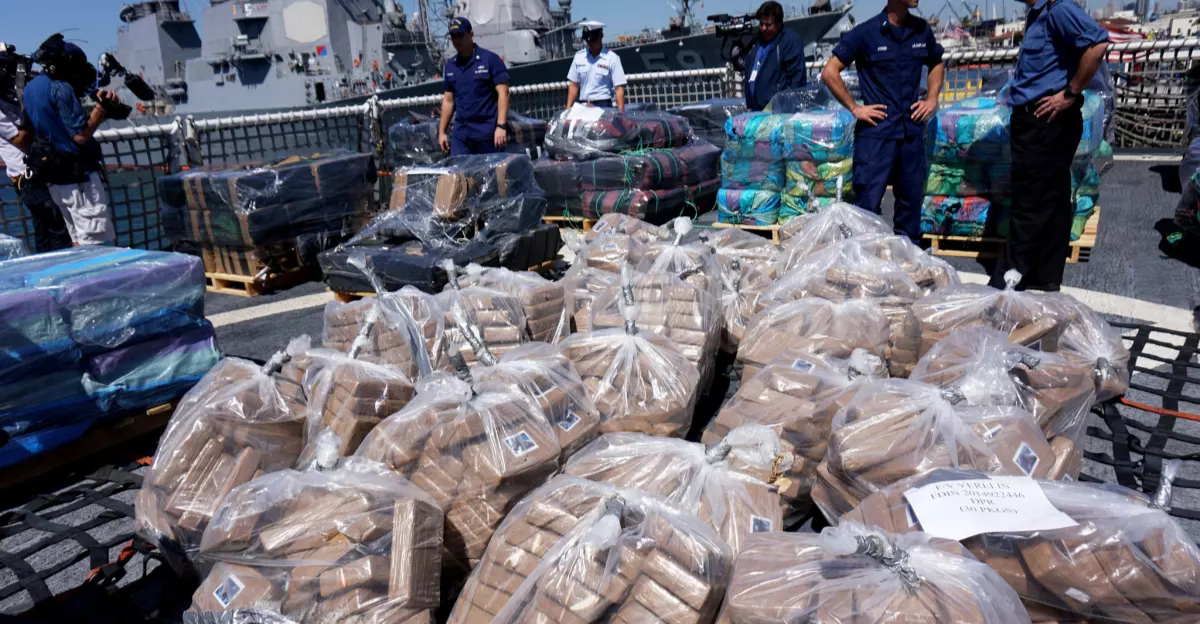
Trump has authorized secret CIA operations in Venezuela and suggested future land-based attacks, saying “we’ve got the sea under control; we’re looking at land now.” Meanwhile, the U.S. Coast Guard has seized 100,000 pounds of cocaine through traditional law enforcement methods, arresting 86 people legally.
In contrast, the Pentagon’s boat strikes have killed dozens but produced no public evidence of drugs. Senator Rand Paul called the strikes “a terrible policy,” and lawmakers from both parties are demanding more oversight. Some are introducing bills requiring congressional approval before military action.
Legal experts worry this sets a dangerous precedent, potentially allowing future presidents to use military force against any criminal group worldwide without proper checks and balances on presidential power.