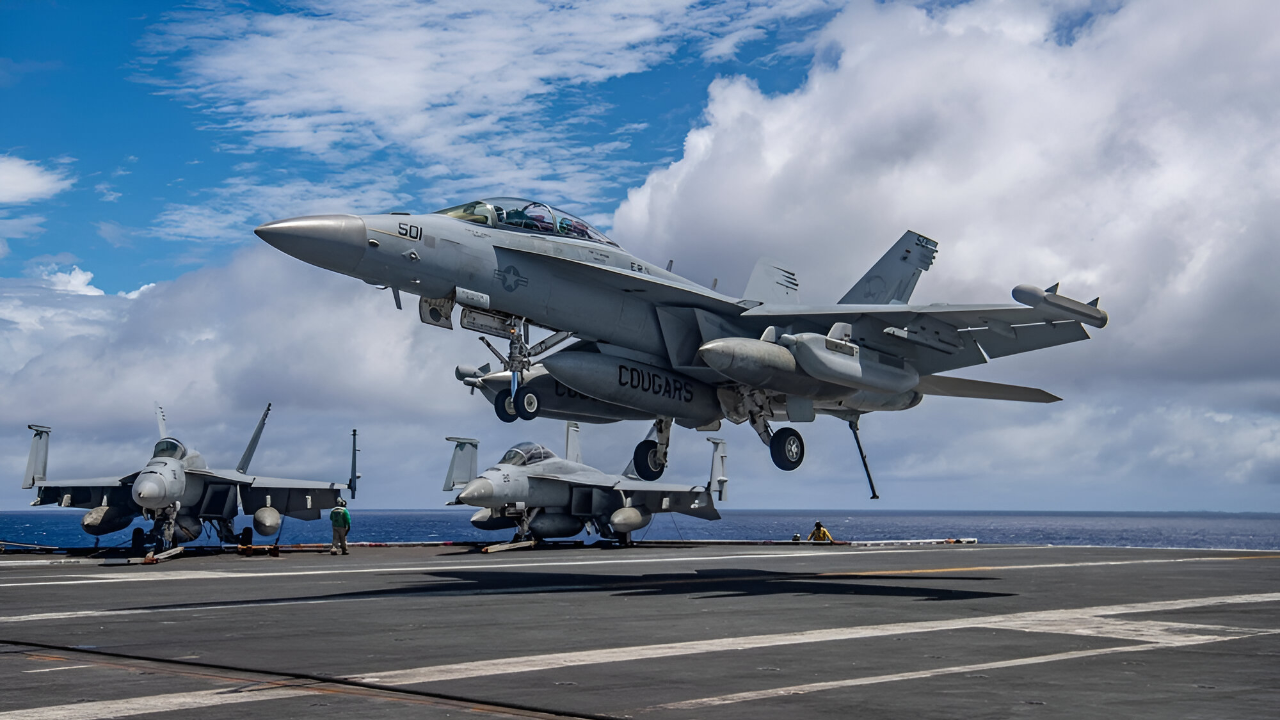
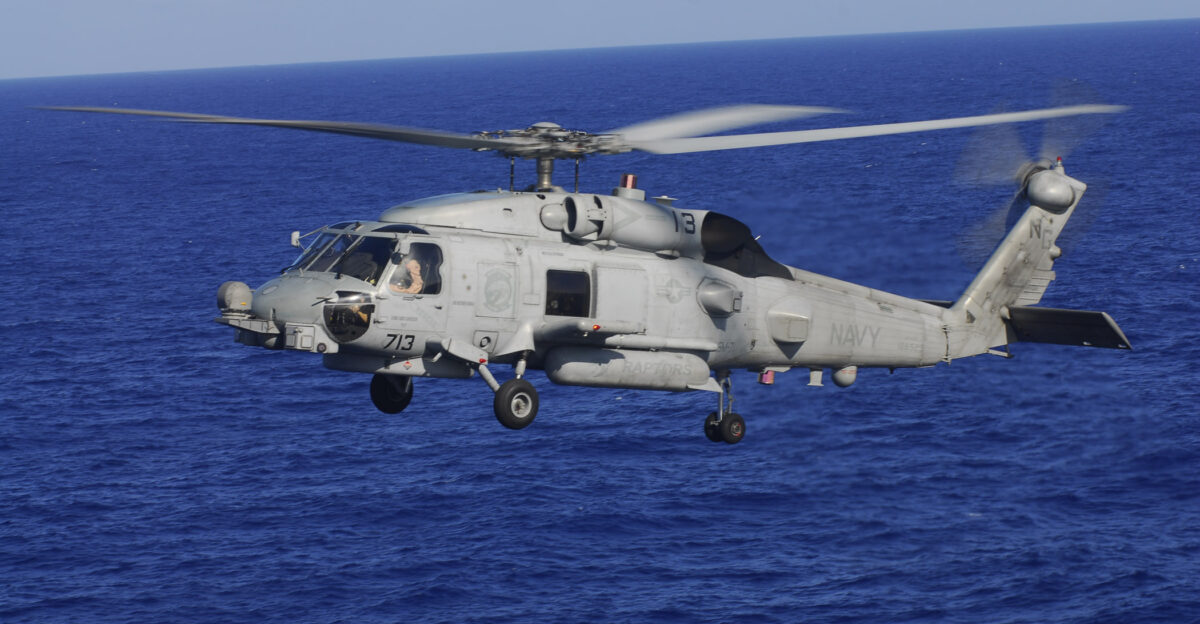
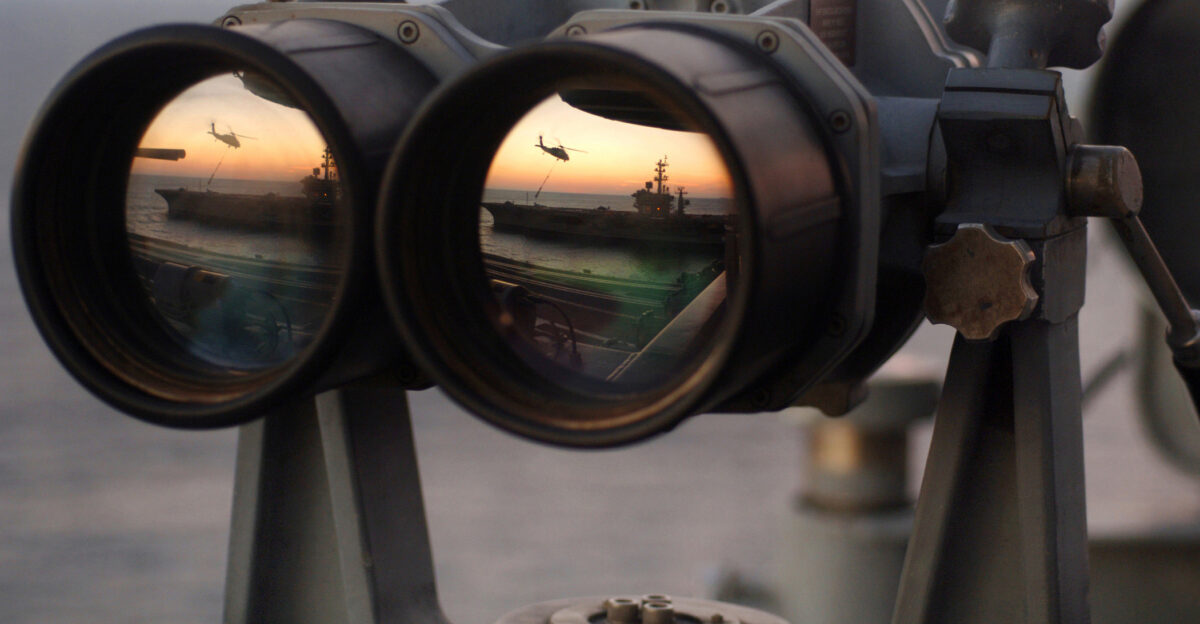
Smoke billowed over the South China Sea as two U.S. Navy aircraft crashed within thirty minutes, marking a costly and rare dual loss for the Pacific Fleet. On the afternoon of October 26, 2025, an MH-60R Sea Hawk helicopter from HSM-73 “Battle Cats” spun down into the waves at approximately 2:45 PM, followed by an F/A-18F Super Hornet from VFA-22 “Fighting Redcocks” at approximately 3:15 PM. Both incidents occurred during routine training flights from the USS Nimitz, the Navy’s oldest active aircraft carrier, now on its final deployment. All five crew members—three from the Sea Hawk and two from the Super Hornet—were rescued by nearby ships, averting tragedy but leaving the Navy with over $100 million in hardware losses.
Unfolding Disaster and Immediate Response
The rapid succession of crashes stunned sailors and families in homeports like Naval Base Kitsap, Washington, and Naval Air Station Lemoore, California. The Navy’s search-and-rescue teams responded swiftly, demonstrating the effectiveness of emergency protocols and training. While the human toll was avoided, the loss of two frontline aircraft in half an hour strained operational readiness and disrupted training schedules for Pacific Fleet units. The causes remain unconfirmed, with mechanical failure, human error, and environmental factors all under investigation. President Trump publicly speculated about “bad fuel” as a possible culprit, but Navy officials have not verified this claim.
A Pattern of Mishaps and Global Context
The Nimitz incident is part of a troubling trend in 2025. Earlier in the year, the USS Harry S. Truman suffered three separate mishaps—including a friendly-fire shootdown and two aircraft lost overboard—resulting in three carrier-based aircraft losses within five months. With the Nimitz’s dual crash, the Navy has lost five aircraft from just two carriers in under a year. The simultaneous loss of two advanced aircraft during routine training from a single carrier is rare in recent Pacific Fleet history. Globally, such concentrated losses are uncommon among modern naval forces.
Legacy Carrier Under Pressure
Commissioned in 1975, the USS Nimitz has served as a symbol of American naval power for half a century. Now approaching decommissioning in 2026, the carrier faces the challenges of aging systems and high operational tempo. The recent crashes have cast a shadow over its storied legacy, raising questions about whether the demands of sustained deployments contributed to the mishaps. Maintaining older carriers is a balancing act between preserving safety and readiness while honoring the history of a vessel nearing retirement. The incident underscores these ongoing challenges as legacy systems age.
Investigations, Industry Scrutiny, and Technological Shifts
Formal Navy investigations are underway, examining mechanical systems, maintenance records, pilot performance, and environmental conditions. Results may take months, but they are critical for determining whether these crashes were isolated or symptomatic of broader issues. Defense contractors Boeing (F/A-18F) and Sikorsky/Lockheed Martin (MH-60R) could face increased scrutiny if mechanical faults are found, potentially leading to fleet-wide inspections and changes in maintenance protocols. At the same time, the Navy continues to accelerate investments in unmanned aerial systems and advanced simulators, seeking technological solutions that reduce risk to pilots in high-stress environments. Remote operations and virtual reality training may become more prominent in future carrier operations.
Strategic Stakes and Human Impact
The crashes occurred in the geopolitically sensitive South China Sea, where U.S. naval presence is vital for freedom of navigation operations. Allies and adversaries alike are watching closely, as incidents like these raise questions about readiness and reliability. For military families, the events were harrowing, even with successful rescues. Support networks and counseling remain essential for sustaining morale during deployments. Congress is expected to demand briefings on carrier safety, maintenance backlogs, and fleet modernization, with lawmakers weighing the costs of maintaining legacy systems against investing in next-generation technologies.
As the USS Nimitz approaches its final chapter, the dual crash serves as a stark reminder of the vulnerabilities in carrier aviation and the immense financial, operational, and human costs of modern naval operations. The Navy’s investigations and policy responses will shape the future of fleet safety and readiness, ensuring that lessons learned from this historic event guide improvements for years to come.