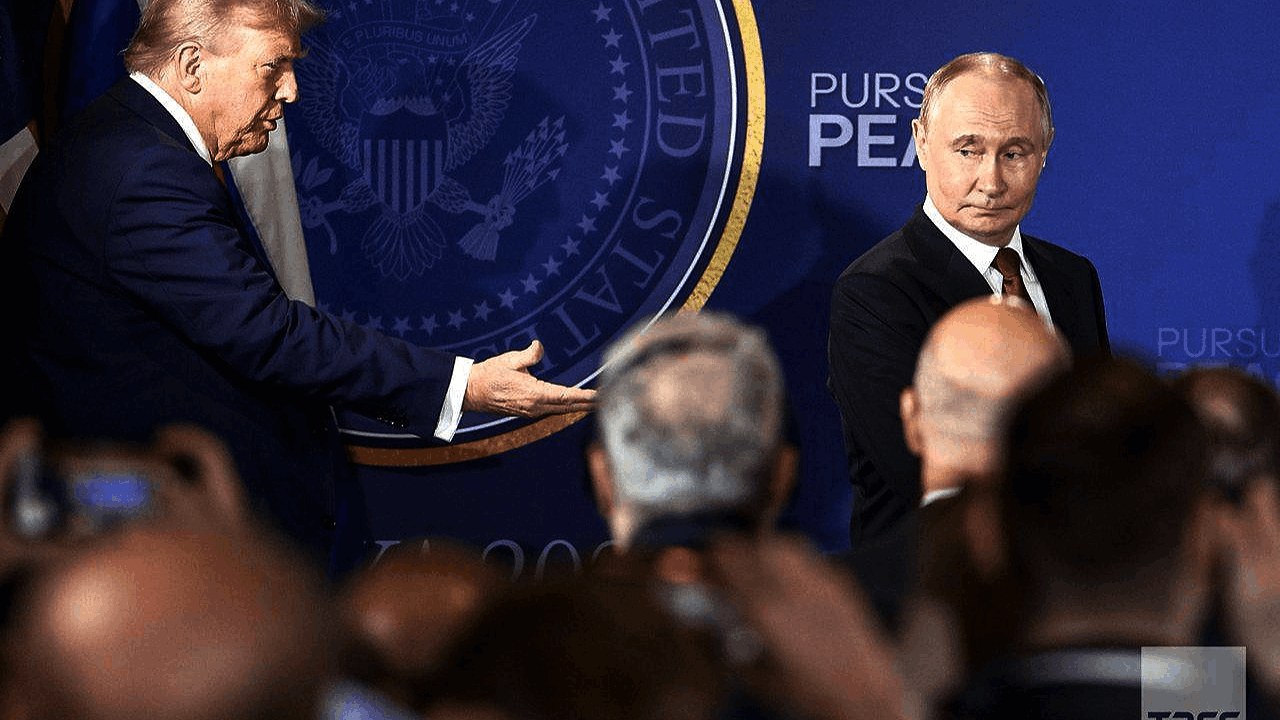
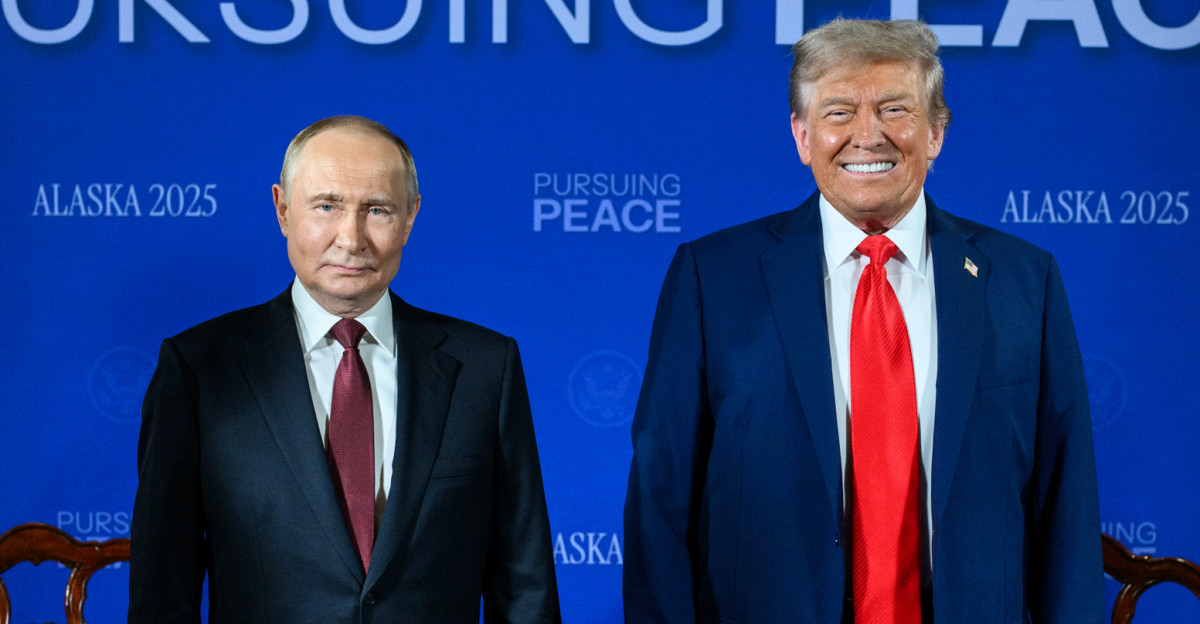
In a move that stunned diplomats and markets alike, President Donald Trump abruptly canceled his scheduled summit with Russian President Vladimir Putin in Budapest on October 22, 2025. The meeting, once seen as a potential turning point in efforts to end the ongoing war in Ukraine, was called off just days before it was set to begin. “It didn’t feel right to me. It didn’t feel like we were going to get to the place we had to,” Trump told reporters, signaling a sharp change in tone after months of stalled negotiations.
The cancellation was quickly followed by a dramatic escalation: the U.S. Treasury Department imposed sweeping sanctions on Russia’s two largest oil companies, Rosneft and Lukoil. “Now is the time to stop the killing and for an immediate ceasefire,” declared Treasury Secretary Scott Bessent, underscoring the administration’s intent to pressure Moscow economically after diplomatic efforts failed.
Sanctions Target Russia’s Economic Lifeline
The new sanctions struck at the heart of Russia’s economy. Oil exports generated $189 billion for Russia in 2024, according to the Kyiv School of Economics Institute, funding much of the country’s war effort. By targeting Rosneft and Lukoil—responsible for about half of Russia’s oil production and 6% of global supply—the U.S. aimed to cut off nearly $95 billion in annual revenue.
Energy analysts described the move as “the largest single hit to the Kremlin’s war chest since the invasion began,” likening its scale to Cold War-era embargoes. The immediate market reaction was swift: Brent crude prices surged 5.4% and West Texas Intermediate jumped 5.7% within hours, marking the sharpest one-day gain since June 2025. “We’ve waited a long time,” Trump said, explaining the timing of the sanctions.
Global Response and Western Unity
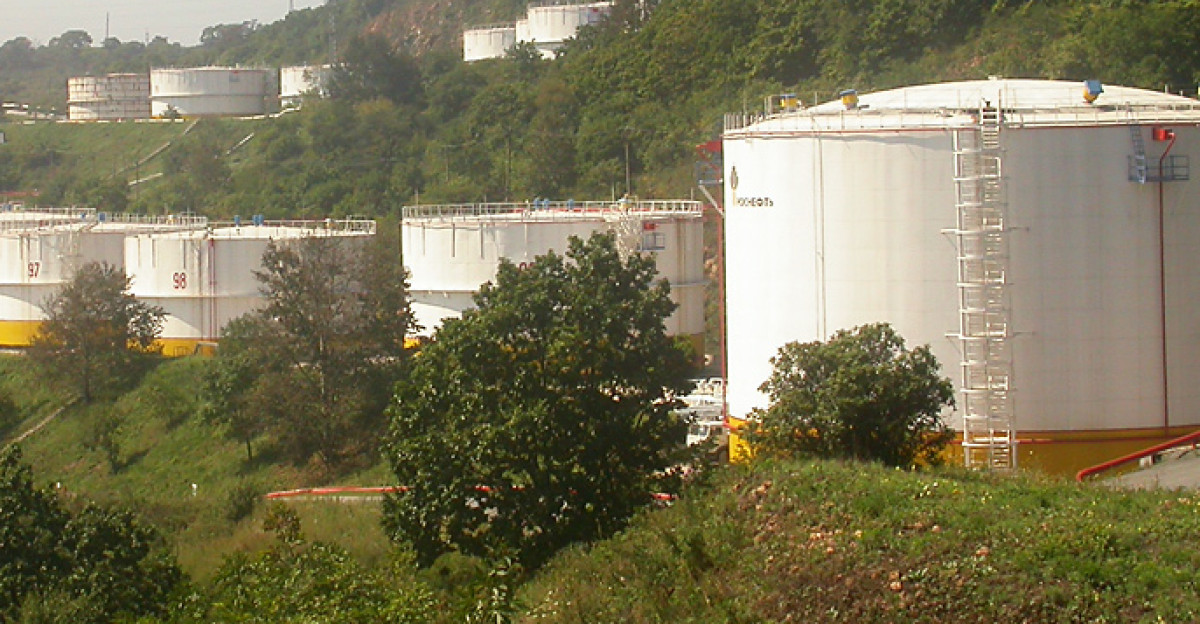
The U.S. did not act alone. Just a week earlier, the United Kingdom had imposed its own sanctions on Rosneft and Lukoil. “We are sending a clear signal: Russian oil is off the market,” stated UK Foreign Secretary Yvette Cooper. The European Union followed suit, approving its 19th sanctions package on October 23, which included a phased ban on Russian liquefied natural gas (LNG) set to take full effect by early 2027.
This rare alignment among Western powers marked the tightest coordination against Russia since the war’s outset. “When the world’s largest economy and Europe’s closest ally move in lockstep, it signals something rare: genuine Western unity,” said a Brussels-based energy analyst.
India, Russia’s largest oil customer, also began to shift course. Reliance Industries, the country’s top buyer of Russian crude, announced it was “recalibrating” imports in line with government guidelines. Indian refiners had been importing 1.7 million barrels daily, but industry sources now expect Russian crude flows to India to plunge, potentially costing Russia up to $15 billion in lost revenue this year.
Local Voices and Human Impact

The sanctions’ ripple effects were felt far beyond government offices and trading floors. In Kharkiv, Ukraine, local resident Olena Moroz described the aftermath of a Russian drone strike that hit a kindergarten: “We heard the explosion and ran to the shelter. There were children everywhere, crying. It’s hard to believe this is our reality.” The attack, which killed at least six people including two children, occurred just days before the canceled summit and was cited by Trump as a breaking point.
Ukrainian President Volodymyr Zelensky traveled to Washington on October 17, seeking advanced U.S. weaponry. His request for Tomahawk cruise missiles was denied. “They’re very good. But we need them too,” Trump said, emphasizing his preference for diplomatic solutions over further military escalation. Zelensky, speaking to reporters, remained “realistic” about his country’s prospects: “Russia is afraid because it is a strong weapon, but we must keep fighting with what we have.”
Economic Shockwaves and Market Uncertainty
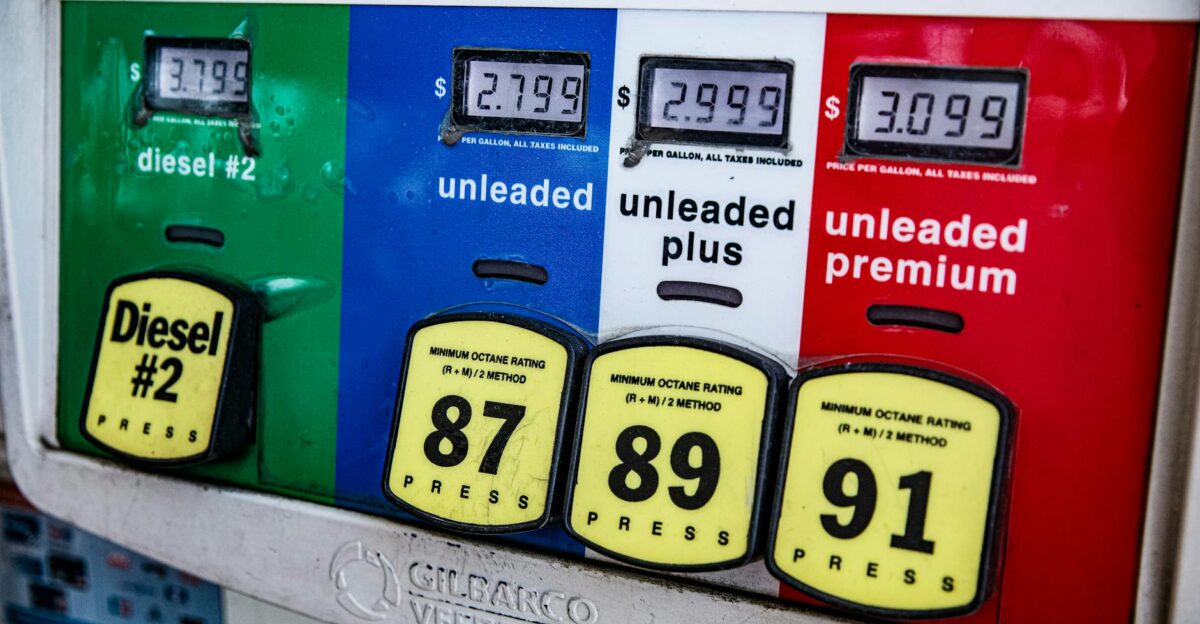
The sanctions sent shockwaves through global energy markets. Refineries worldwide scrambled to secure alternative supplies, while American consumers braced for higher gasoline prices ahead of the holiday season. “We could see prices at the pump rise before Thanksgiving,” warned a U.S. energy economist. Retailers, meanwhile, began preparing for increased transport costs and potential supply chain disruptions that could extend into early 2026.
International Monetary Fund officials cautioned that the sanctions could reignite inflation just as economies were stabilizing post-pandemic. “Energy is the backbone of every economy, so price increases ripple through global supply chains like dominoes,” noted one analyst.
A Glimmer of Hope Amid Crisis
Amid the turmoil, Ukrainian engineers achieved a rare victory: after a month-long blackout, external power was restored to the Zaporizhzhia nuclear plant on October 23. IAEA Director General Rafael Grossi called it “a significant positive step,” though he warned the overall situation remained precarious. The restoration followed a locally negotiated ceasefire to allow repairs, highlighting the ongoing risks to nuclear safety in the conflict zone.
Looking Ahead: High Stakes and Uncertain Outcomes
As the world adjusts to a new era of economic confrontation, the stakes remain high. U.S. shale producers and renewable energy firms may benefit from rising oil prices, while Asian refiners face tough choices about sourcing Russian crude. Diplomats and analysts agree: the next chapter of the Ukraine war will be shaped as much by boardroom decisions and market forces as by events on the battlefield. Whether these unprecedented sanctions will bring Russia to the negotiating table or deepen its resolve remains an open—and urgent—question.