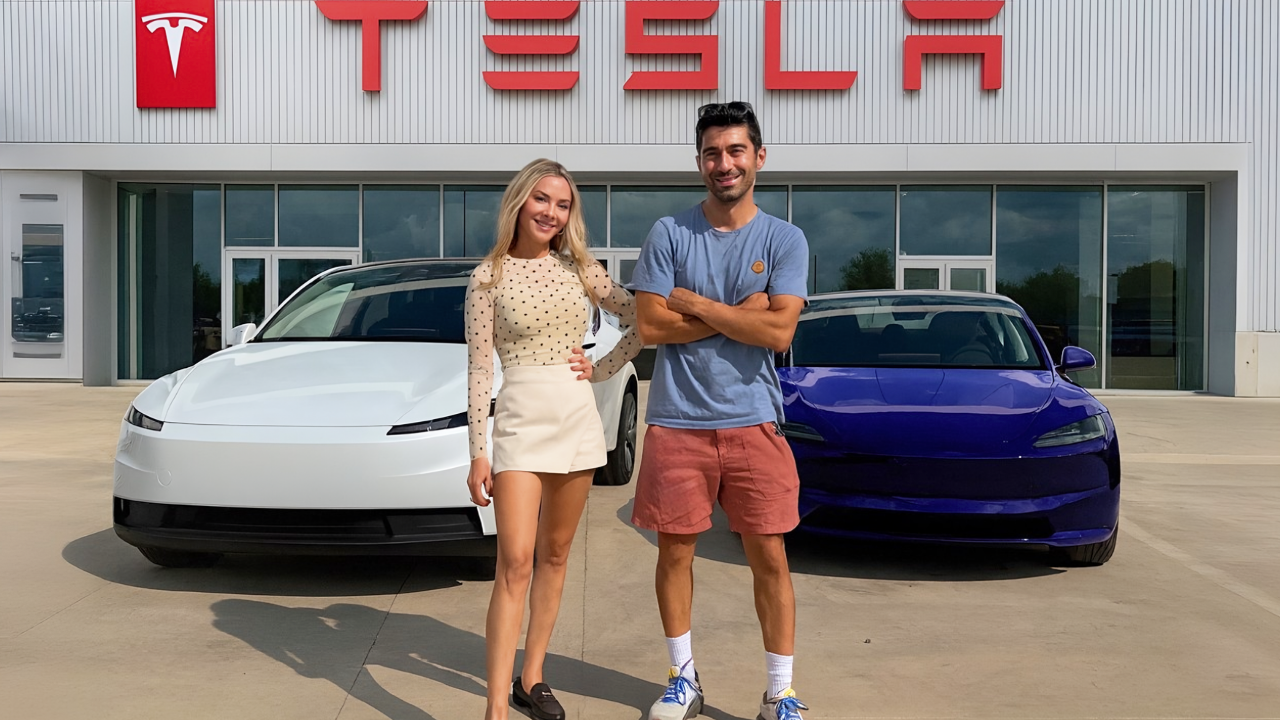
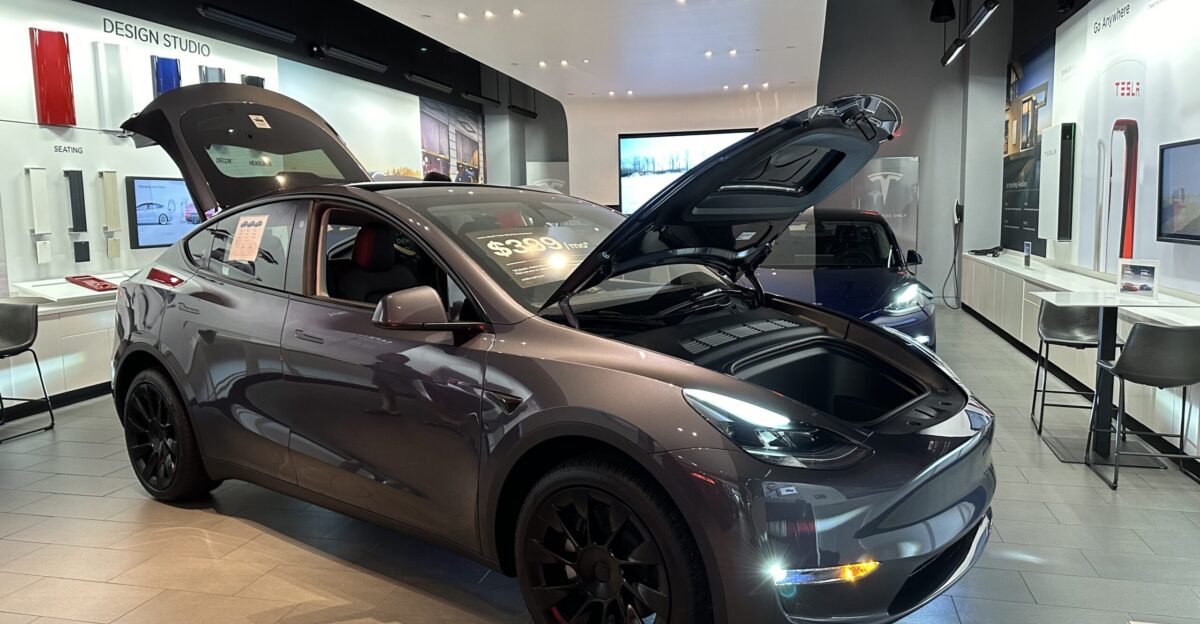
The sticker shock is immediate: Tesla’s Model 3 Standard now starts at $36,990, and the Model Y Standard at $39,990. Just a week ago, both qualified for a $7,500 federal electric vehicle (EV) tax credit. With that incentive gone, the price advantage of these new “Standard” trims over their Premium counterparts has narrowed to just $2,000–$2,500—raising questions about what buyers are really getting for less.
Minimal Savings, Major Trade-Offs
Tesla’s Standard trims are positioned as affordable entry points, but the savings come with significant sacrifices. For only a modest increase in price, Premium buyers receive a suite of features: panoramic glass roofs, advanced audio systems with up to 17 speakers, Autosteer lane centering, faster charging, heated rear seats, and up to 42 miles more driving range. The Standard trims, by contrast, forgo these amenities, offering a leaner package that feels less like a bargain and more like a compromise.
The $25,000 Tesla That Never Arrived
Tesla’s long-promised $25,000 “Model 2” was once seen as the company’s answer to mass-market affordability. That vision was quietly shelved in 2024, despite CEO Elon Musk’s public denials. Instead, the new Standard trims serve as Tesla’s attempt to edge closer to affordability, though they remain $12,000–$15,000 above the price once teased. The move reflects a broader industry trend: as government incentives fade, automakers are forced to rethink how they deliver value at lower price points.
Stripped Features and Simplified Design
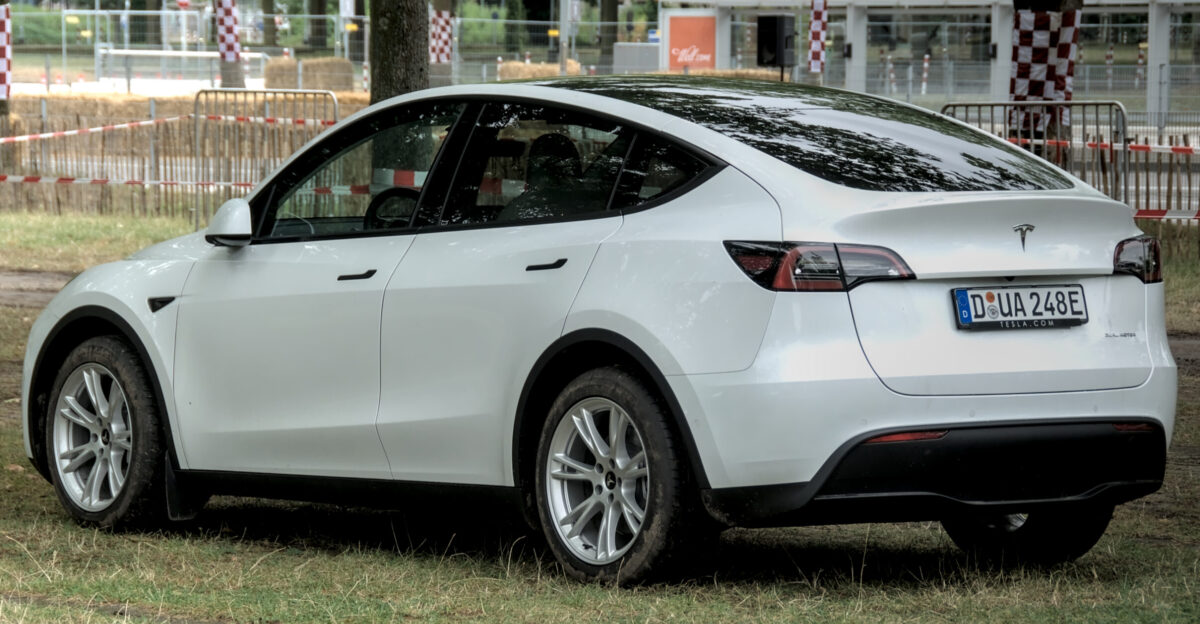
To reach sub-$40,000 pricing, Tesla made aggressive cuts. The Model 3 Standard loses Autosteer, ambient lighting, heated rear seats, and eight speakers compared to the Premium. The Model Y Standard swaps its signature panoramic glass roof for a solid headliner covering (though glass remains underneath), and both models use smaller 69-kWh batteries, reducing range to 321 miles—down from 363 miles in Long Range versions. The audio downgrade is especially stark: Standard trims offer just 7–8 speakers, lacking the subwoofer and digital processing that define Tesla’s immersive sound.
Tesla’s Palo Alto engineering team, now based at the former Hewlett-Packard campus, led the redesign with a focus on maintaining Tesla’s performance and safety reputation while delivering a more cost-optimized product.
Ownership Costs and Depreciation
For buyers drawn to the lower sticker price, ongoing costs can be sobering. Tesla insurance premiums have surged, with Model Y rates rising nearly three times faster than the national average. The average annual premium for electric vehicles now stands at $4,058—49% higher than for comparable gas vehicles. Repair costs for EVs are also higher, due to specialized parts and labor.
Depreciation is another concern. The Model Y loses about 60% of its value after five years, retaining just 39.2% of its resale value—among the steepest drops in the EV market. Used Tesla prices have continued to slide throughout 2025, making the long-term value proposition uncertain for first-time buyers.
Delivery Delays and Global Comparisons
Tesla’s production volatility has led to unpredictable delivery timelines. Model Y delivery estimates have stretched from 1–3 weeks to as long as 4–6 weeks, with wait times potentially extending further depending on configuration.
Globally, the story is similar. The Model Y Standard launched in Europe in October 2025, but with direct subsidies ending in Germany in late 2023 and incentives varying by country, European buyers face the same dilemma: less luxury, less financial support, and a tougher value calculation.
Looking Ahead: Affordability or Just Fewer Features?
Tesla’s new Standard trims expand the brand’s reach and lower the entry price, but not enough to fulfill the long-promised dream of a truly affordable EV. With the federal tax credit gone, buyers pay more for less than they would have just weeks ago. Add in rising insurance costs, steep depreciation, delivery uncertainty, and the loss of exclusive Supercharger access—now open to all EVs—and the value proposition is under pressure.
For prospective buyers, the decision is more complex than ever. As Tesla and its rivals race to make EVs mainstream, the balance between cost, features, and long-term value will define the next chapter of the electric revolution.