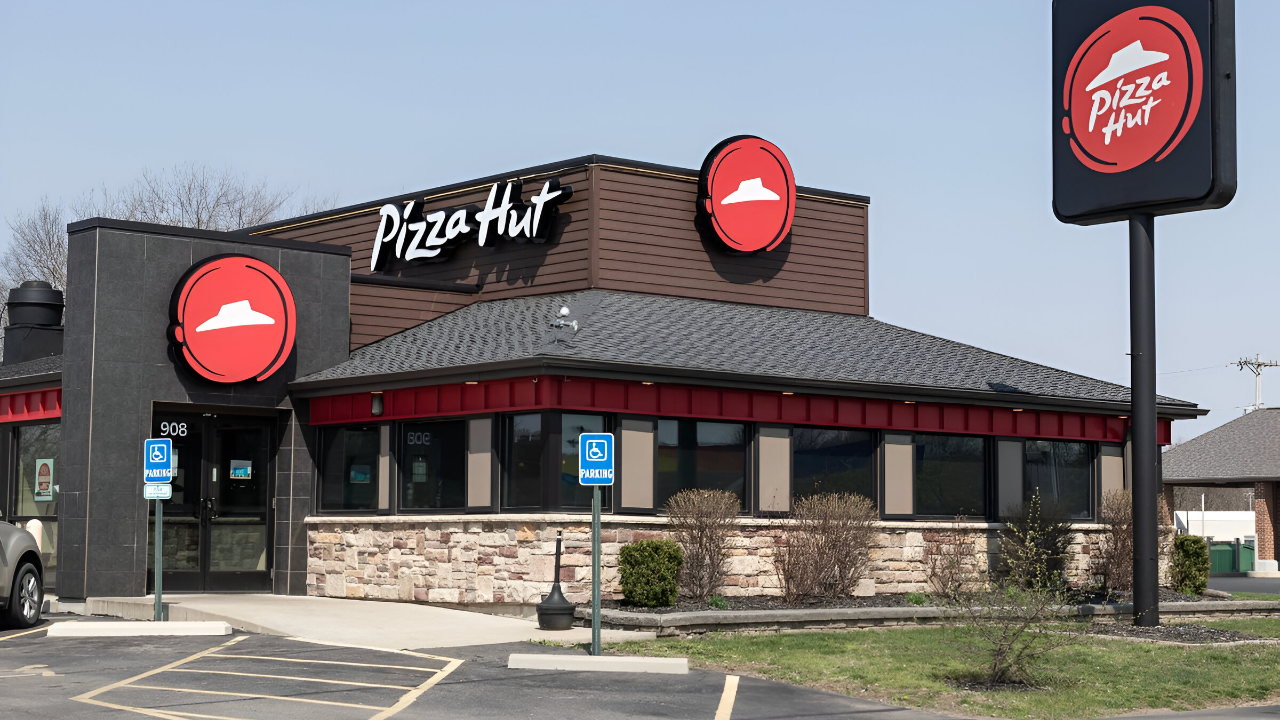
On a chilly October morning in 2025, staff at dozens of Pizza Hut restaurants across the UK arrived at work only to be told they would lose their jobs within hours. The abrupt closures of 68 locations, part of a wider shutdown affecting 79 sites, sent shockwaves through communities and left hundreds scrambling for answers. As administrators from FTI Consulting moved in, the collapse of one of Britain’s most recognizable pizza chains became a stark symbol of the pressures facing the country’s casual dining sector.
Economic Pressures and a Franchise in Crisis
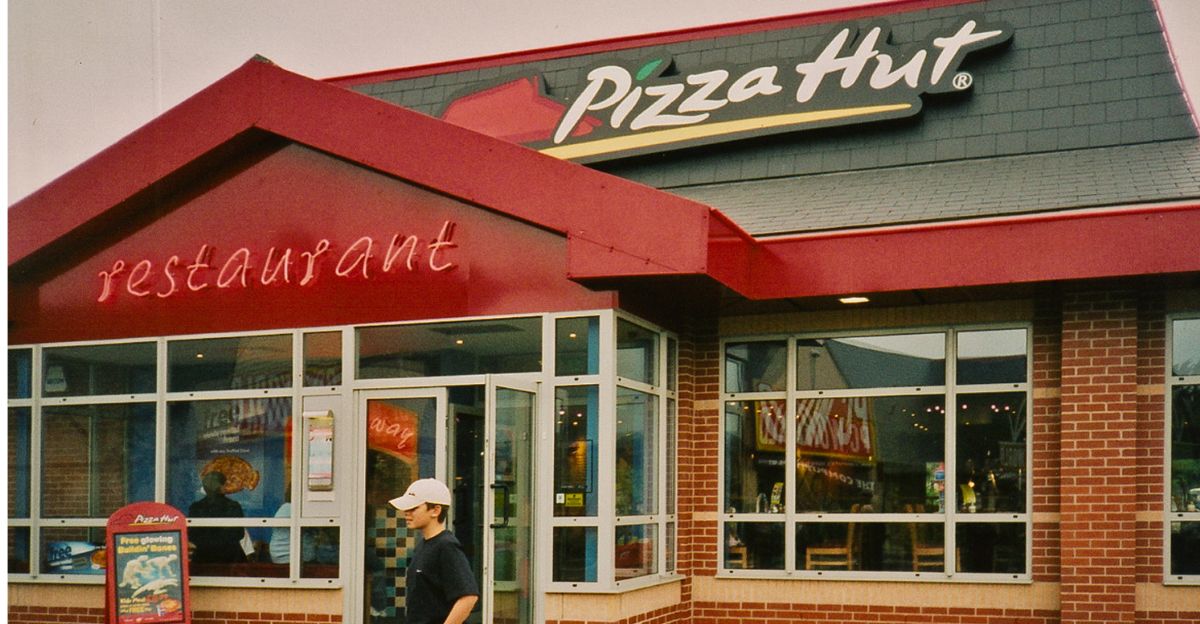
The downfall of Pizza Hut UK was not the result of a single misstep, but rather a cascade of economic challenges. The franchise operator, DC London Pie, struggled under the weight of rising costs, declining customer visits, and mounting tax obligations. When the company entered administration, it triggered a rapid unraveling that forced the hand of the brand’s global owner, Yum! Brands, to intervene.
Industry experts point to a perfect storm of inflation, soaring energy bills, and increased food prices as key factors. The UK’s cost-of-living crisis, coupled with changing consumer habits, left Pizza Hut unable to maintain profitability at many of its high-street locations.
A Community Feels the Loss

For many Britons, Pizza Hut was more than just a place to eat—it was a fixture of family life and local high streets. The closures have left a void in towns where the brand had been a gathering spot for decades.
The suddenness of the shutdown left little time for employees to prepare. In total, 1,210 workers lost their jobs overnight, with many learning the news only when administrators arrived. The layoffs have reignited debates about labor rights and the need for stronger protections for hospitality workers facing abrupt corporate decisions.
Yum! Brands Steps In—But With a New Strategy
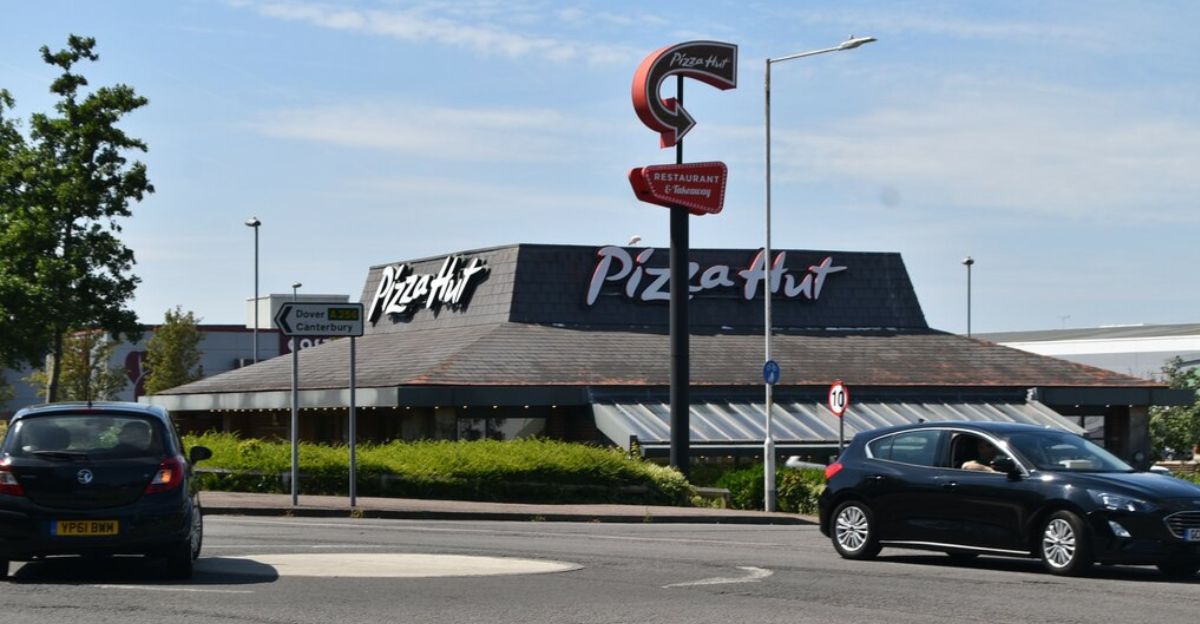
In an effort to prevent a complete withdrawal from the UK market, Yum! Brands acquired 64 of the remaining profitable Pizza Hut sites, preserving 1,276 jobs. However, the rescue deal signals a significant shift in strategy. The company is pivoting away from traditional dine-in restaurants, focusing instead on delivery and takeaway services—a move that mirrors broader trends in the global fast-food industry.
This transition is not unique to the UK. In the United States, Pizza Hut has also closed hundreds of dine-in locations in recent years, refocusing on delivery to adapt to changing consumer preferences. Industry analysts note that the franchise model is under pressure worldwide, especially in markets where inflation and labor shortages are acute. The UK’s experience may serve as a warning for similar operations elsewhere.
Competitors and Local Businesses Fill the Gap
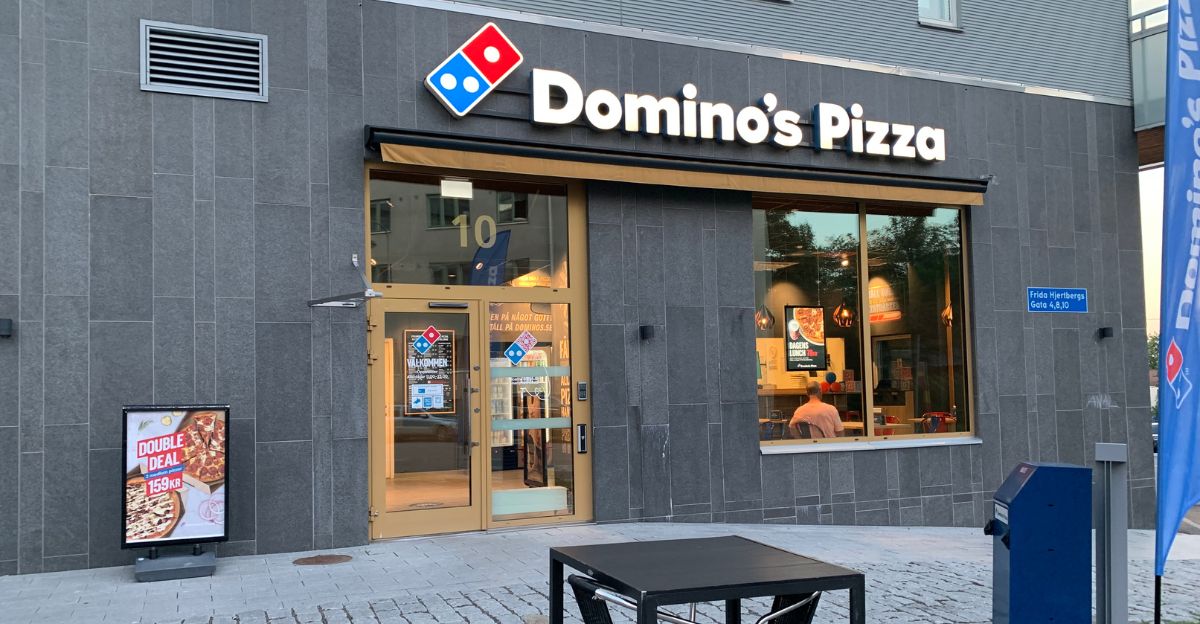
As Pizza Hut retreats from the high street, competitors are moving quickly to capture market share. Domino’s, already a dominant force in UK pizza delivery, stands to benefit from the closures. At the same time, independent pizzerias and delivery platforms like UberEats and Just Eat are seeing increased demand. Local pizzeria owners have reported a noticeable uptick in orders since nearby Pizza Hut locations closed. “People still want pizza—they’re just getting it from somewhere else now,” said one independent restaurant owner.
The shift toward delivery and takeaway has accelerated since the pandemic, with more consumers opting for convenience over the traditional sit-down experience. This trend, combined with economic uncertainty, is reshaping the landscape for restaurants across the country.
Looking Ahead: The Future of High-Street Dining
The collapse of Pizza Hut UK marks a turning point for Britain’s casual dining sector. Once a symbol of affordable family outings, high-street chains are now grappling with a rapidly changing market. For workers, the closures highlight the precariousness of employment in the hospitality industry and the urgent need for better safety nets.
For the brand itself, the challenge is to rebuild trust and relevance in a delivery-first world. Whether Pizza Hut’s new strategy will be enough to secure its future remains to be seen. As the dust settles, the fate of one of the UK’s most iconic restaurant chains serves as a cautionary tale—and a glimpse into the evolving nature of how Britons eat, work, and gather.