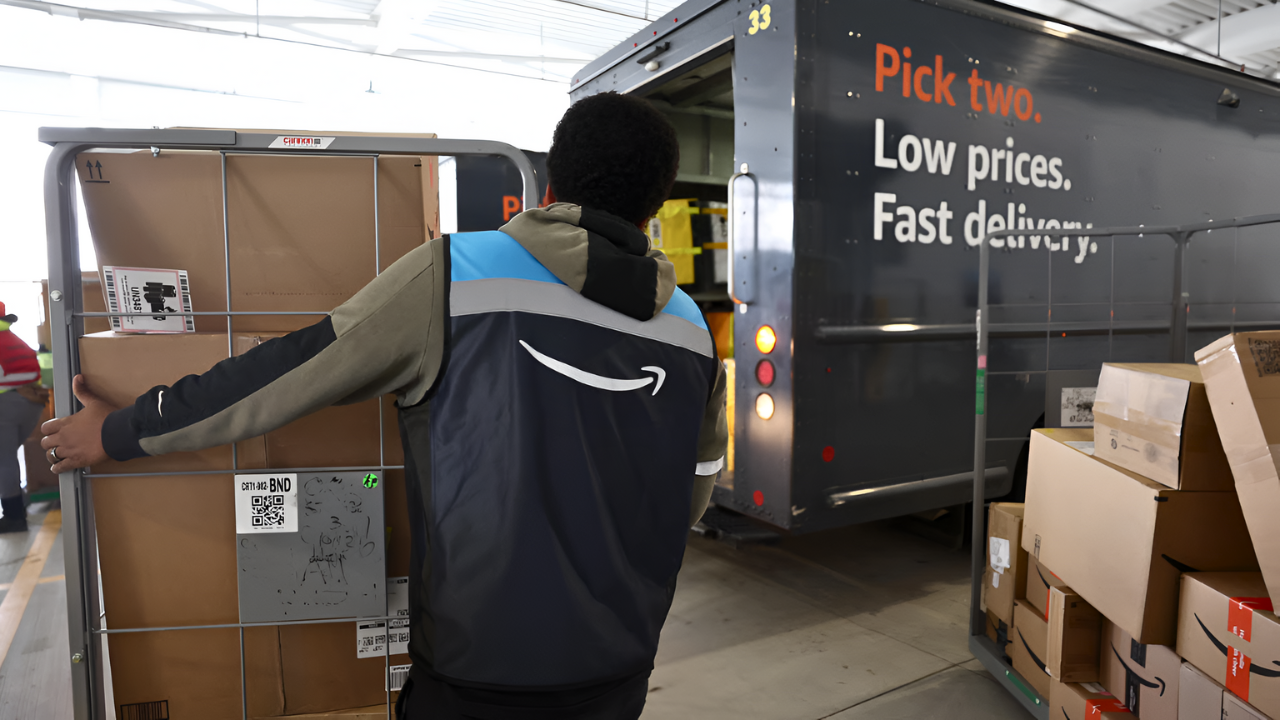
The phone buzzed in Jake Clay’s hand as he stared at a renewal quote for his fleet’s insurance—nearly $500,000. Just three years earlier, Clay, an Air Force veteran, had been earning over $200,000 annually delivering Amazon packages across West Texas. Now, the same routes were pushing him into debt. “I earned significantly less as I got more seasoned,” Clay said, capturing a paradox that has come to define Amazon’s once-celebrated delivery network.
From Boom to Bust
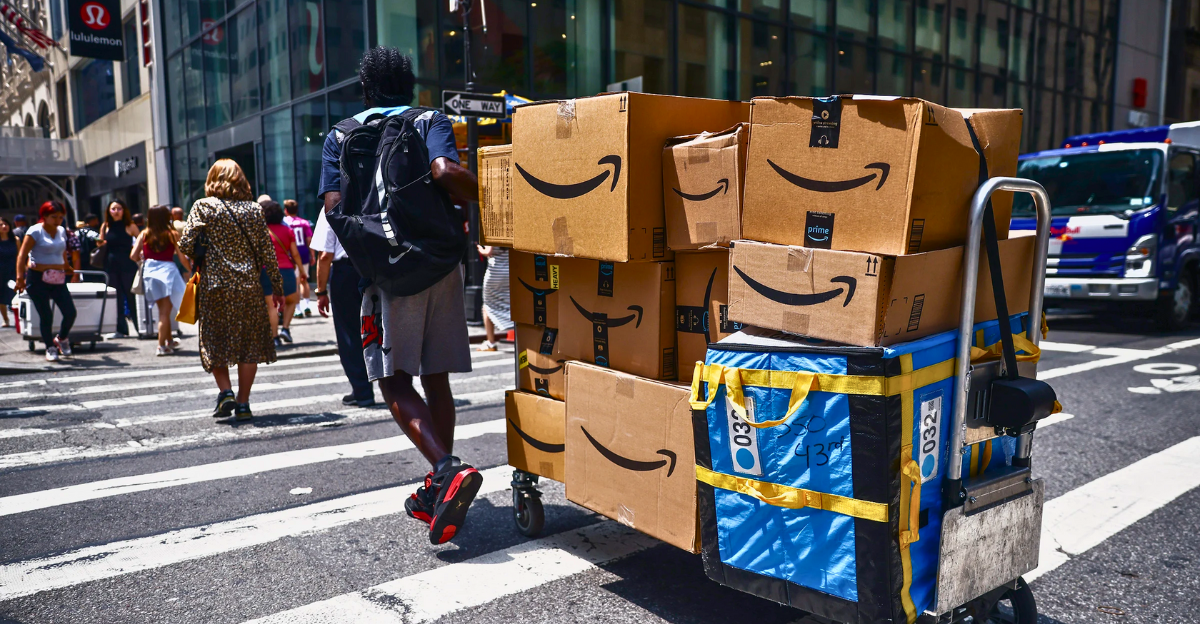
In 2022, Clay invested $75,000 to launch a Delivery Service Partner (DSP) business in Odessa, Texas. The first year was a triumph, with profits exceeding $200,000. But by 2025, insurance costs had soared fivefold, erasing his gains and forcing him to quit. Clay turned down Amazon’s $75,000 exit offer, which required signing a gag clause. “It’s the most upside-down business I’ve ever heard of,” he told Bloomberg, reflecting a growing sentiment among DSP owners who say experience now brings diminishing returns.
The DSP program, launched in 2018, was designed to empower entrepreneurs: start with $10,000, run your own fleet, and potentially earn up to $300,000 a year. Amazon reports the program now includes over 4,400 firms worldwide and claims to have invested $16.7 billion. Yet for many, the math no longer works. Insurance premiums have risen by 500% since 2022, with some contractors reporting that insurance now consumes more than half their annual revenue. One accident led to a $1.4 million settlement, triggering industry-wide rate hikes. Repair costs have also ballooned, with bills that once averaged $2,000 per van now reaching $20,000. Mechanics often charge far more than Amazon’s app estimates, leaving owners with unexpected expenses.
Amazon responded to mounting pressure in September 2025 by agreeing to retroactively cover 20% of repair costs dating back to April—a rare concession, but for many, not enough to keep their businesses afloat.
A System Under Strain
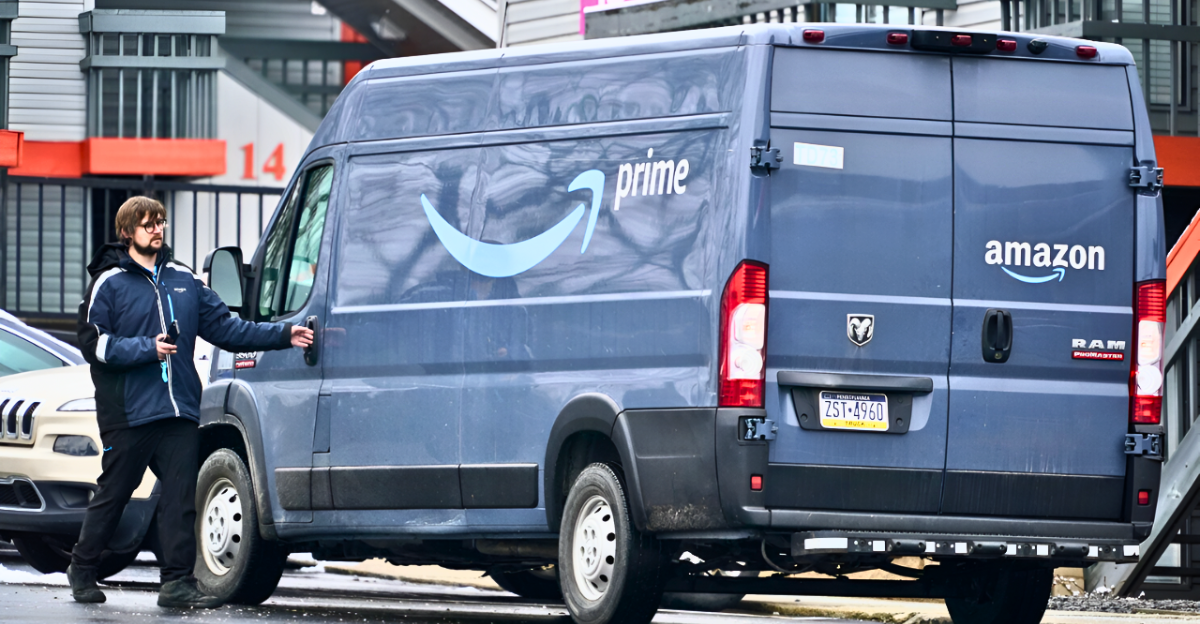
When DSP owners leave, Amazon sometimes offers a $75,000 exit payment, contingent on signing a nondisclosure agreement. Several contractors have refused, unwilling to be silenced about what they call “a broken system.” If even 10% of DSPs accepted such offers, Amazon could be spending $33 million a year on hush money.
Amazon maintains that 80% of DSPs earn over $100,000 in annual profit, citing independent financial reviews of 648 companies in 2024. However, Bloomberg’s interviews with 23 DSPs across 11 states found that five had quit and only four were satisfied, highlighting a gap between official metrics and on-the-ground reality. Critics describe the program as a “revolving door,” with struggling veterans replaced by new recruits who have yet to encounter the pitfalls.
The human cost is significant. Many contractors describe the emotional toll as worse than the financial loss. “It’s like watching your dream implode,” one owner said. Some had 30 to 90 employees depending on them; as profits shrank, layoffs followed. The same entrepreneurs once celebrated as “partners” now feel abandoned.
Amazon’s Response and Global Context
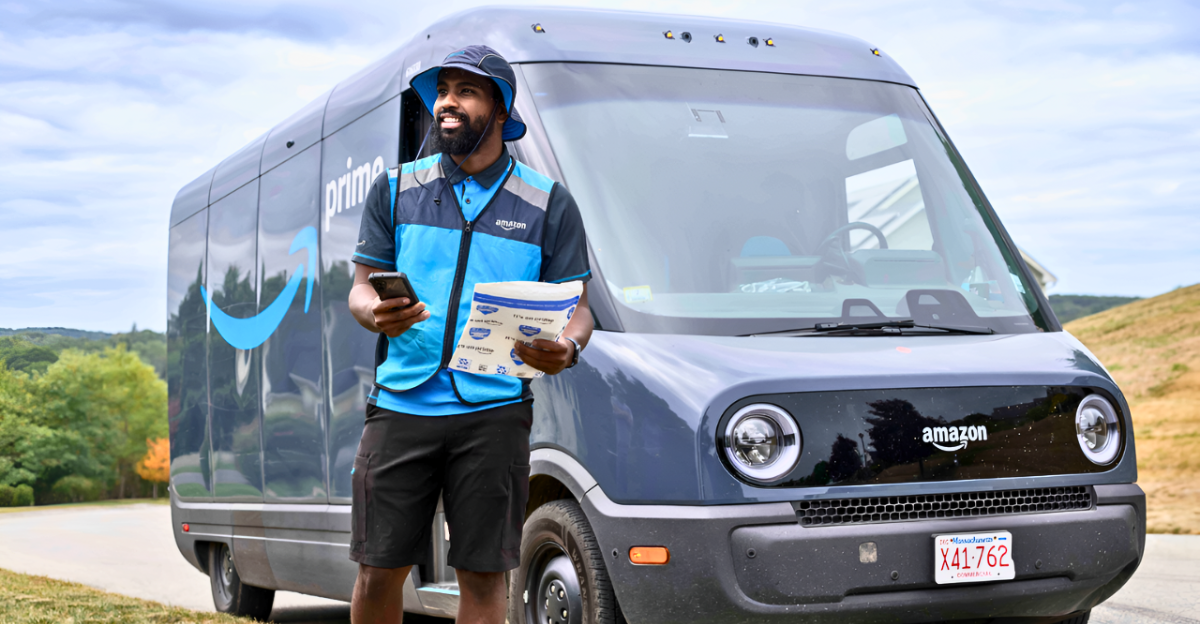
In September 2024, Amazon announced its first percentage-based rate increase: a 20% bump to 12 cents per package, part of a $2.1 billion investment aimed at raising driver wages to nearly $22 per hour—a 7% increase from the previous year. The rate hike is scheduled to take effect in January 2026. In September 2025, Amazon pledged another $1.9 billion, targeting driver pay around $23 per hour and bringing total program investment to $16.7 billion. Contractors argue these measures are too little, too late.
Amazon’s DSP model is built on tight control. Owners say AI monitoring and delivery targets create a “pressure cooker” environment, with performance metrics tracked algorithmically. Falling short can jeopardize contracts, leaving owners with leased vans they can’t sell and employees they can’t afford to keep. Unlike traditional small businesses, DSP owners don’t own their assets—vans are leased, routes are Amazon-controlled, and contracts can’t be resold. “You can’t sell, you can’t negotiate, you can’t speak out,” one ex-owner said.
Many early DSP recruits were veterans, drawn by promises of autonomy and stability. Clay described the program as “an elite unit” when he joined. By 2025, he and others say they’ve lost savings, credit, and peace of mind. For some, the emotional fallout outweighs the financial loss.
Industry-Wide Pressures
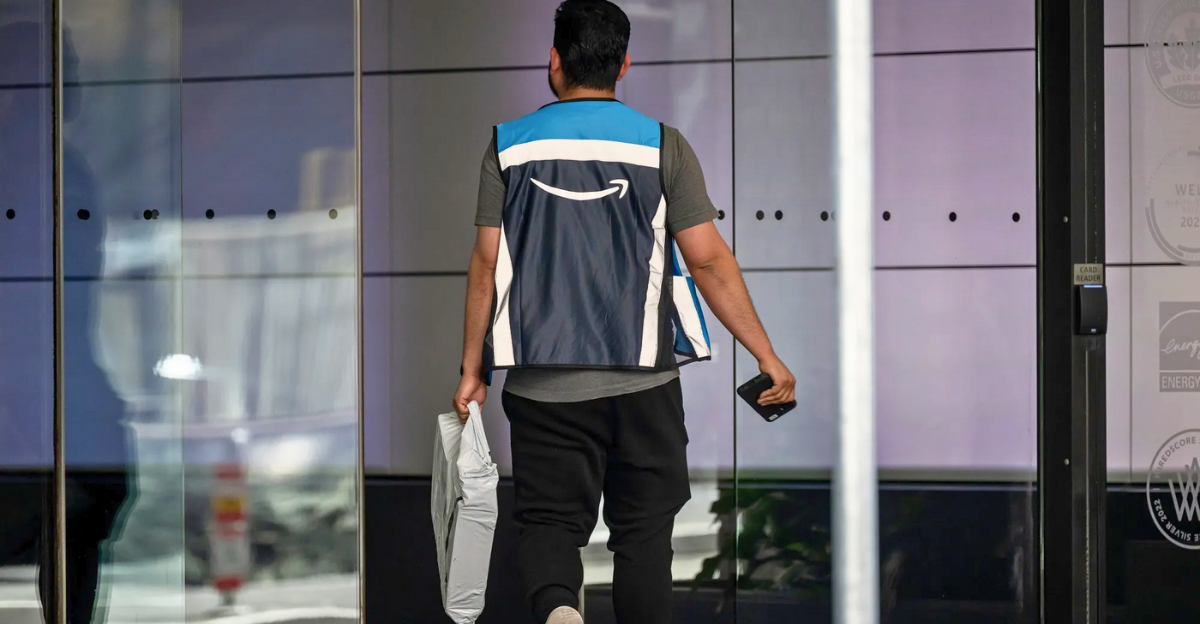
Amazon’s challenges are not unique. Rising insurance and logistics costs are squeezing delivery networks worldwide. FedEx, UPS, and regional couriers face similar inflationary pressures, but Amazon’s reliance on small contractors makes the fallout more personal and visible. During the pandemic, DSPs thrived as delivery volumes soared. Post-2022 inflation, however, brought higher fuel, labor, and insurance costs, squeezing profits and pushing many to the brink.
Not all DSPs are struggling. Amazon points to firms expanding fleets and earning higher margins, crediting operational discipline and scale for their resilience. This has created a widening gap between thriving and collapsing partners.
Looking Ahead
Despite turbulence, Amazon continues to invest in its logistics network, with recent funding supporting safety technology, vehicle maintenance, and rate increases. The company insists it remains committed to “a strong and sustainable delivery network.” Analysts say the January 2026 rate hike will be a crucial test. If profits don’t rebound, Amazon may need a deeper overhaul—potentially rethinking its contractor structure entirely.
For now, both sides remain in a fragile truce: Amazon needs its DSPs, and many DSPs need Amazon. The future of the delivery dream hangs in the balance, as contractors like Jake Clay watch hard-earned gains disappear and wonder if survival is possible in a system built for speed, but not always for sustainability.