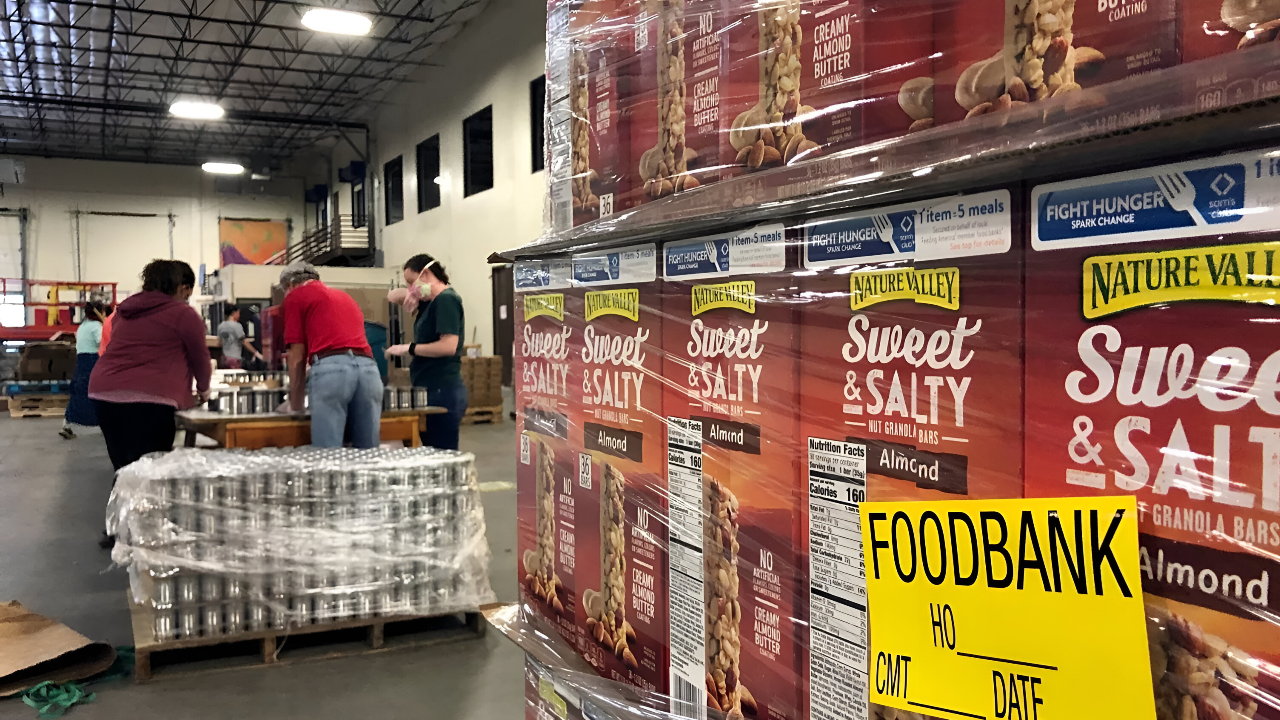
A looming federal shutdown has put the nation’s largest anti-hunger program, the Supplemental Nutrition Assistance Program (SNAP), on the brink of collapse, threatening the food security of over 42 million Americans just as the holiday season approaches. With $8.3 billion in monthly benefits at risk, state agencies warn they cannot guarantee November payments if Congress fails to act by October 27.
States Sound the Alarm
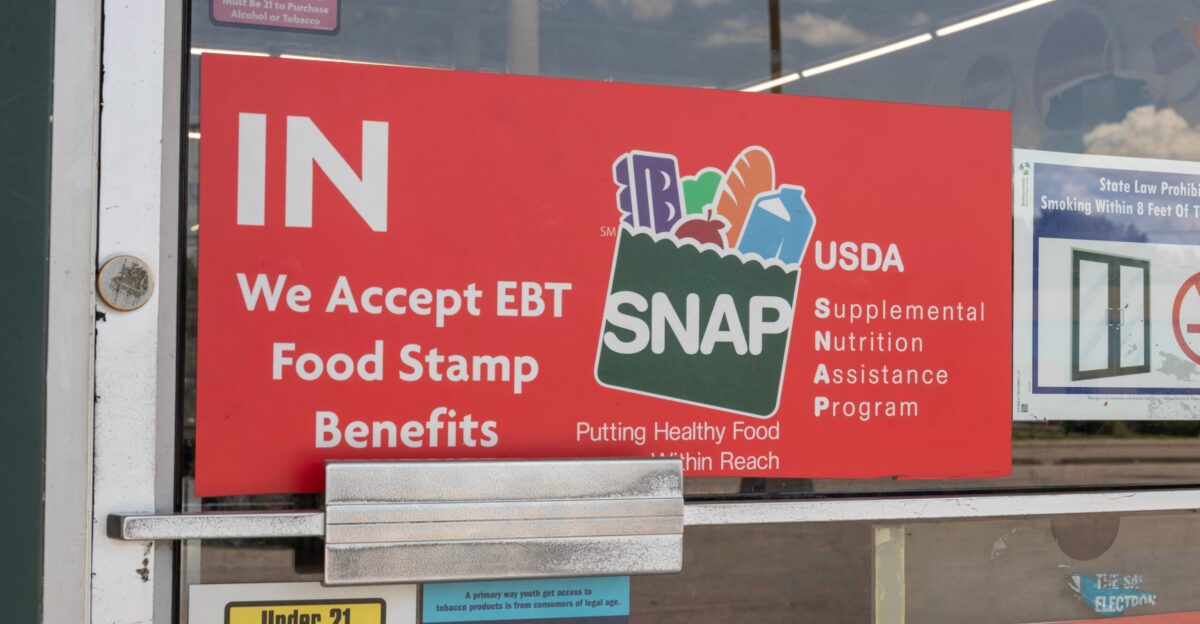
The Pennsylvania Department of Human Services issued an official warning stating that “November 2025 SNAP benefits cannot be paid”. It announced, “Starting October 16, SNAP benefits will not be paid until the federal government shutdown ends and funds are released to PA. This stark warning has sent shockwaves through communities where SNAP is a lifeline for the working poor, seniors, and people with disabilities.
The anxiety is spreading rapidly. Minnesota, Wisconsin, New York, Colorado, Florida, and California have all issued similar alerts, urging families to conserve their October benefits and seek help from local charities. Governors across the country are preparing for an “unprecedented strain” on food banks if federal funding is not restored on time.
SNAP’s Role and the Human Toll

SNAP supports one in eight Americans, distributing more than $8 billion each month. Benefits vary widely, from $25 to $1,700, depending on household size and income. For many, these funds are the difference between a stocked pantry and empty shelves.
Judith Murray, a parent receiving $1,174 in monthly SNAP for her seven-person family, previously told Business Insider: “We still have birthdays to celebrate. We still have Thanksgiving to do and other holidays. When you see me out there buying a birthday cake with my SNAP benefit card, try to understand that I don’t want to let my little ones down any more than you do.
Local food banks are already fielding desperate calls from families unsure whether to spend their remaining benefits now or save them for November. According to food bank directors nationally, the scale of the crisis exceeds charitable capacity.
The $8.3 billion monthly SNAP funding represents a shortfall that community organizations alone cannot bridge, as food banks lack the resources to replace federal nutrition assistance at this scale.
Federal Funds Dry Up, New Rules Loom

The government shutdown that began on October 1 halted many federal operations, including those affecting SNAP. On October 10, Acting SNAP Director Ronald Ward notified state agencies that there would be insufficient funds to pay full November benefits if the funding lapse continued, affecting approximately 42 million recipients. He instructed states to delay transmitting November benefit files to EBT vendors, initiating an urgent contingency plan as the critical deadline approached on November 1, when appropriations would run out.
Compounding the crisis, new work requirements for SNAP are set to take effect in November, raising the eligible work age for nondisabled adults from 54 to 64. The Congressional Budget Office estimates that more than 2 million Americans could lose access to SNAP under these rules. For older workers, the timing is especially harsh—forced to seek employment as the program itself teeters on the edge.
Economic and Global Ripples

The potential halt in SNAP funding would not only devastate households but also send shockwaves through local economies. SNAP dollars circulate through grocery stores, farms, and small businesses, supporting jobs and economic activity. A sudden $8.4 billion shortfall could erase fragile gains made after years of inflation.
The crisis has drawn attention from food security advocates and international organizations. The SNAP funding crisis has drawn global attention to America’s food security system, with observers noting the vulnerability of U.S. nutrition assistance when federal operations are disrupted by political disputes.
Uncertainty and the Road Ahead
State administrators describe the current situation as “limbo,” with phone lines swamped by anxious callers and no clear answers from Washington. Legal disputes over how federal dollars can be used during a shutdown have further muddied the waters, leaving even top officials uncertain about when or how benefits might resume. Community organizations, meanwhile, brace for a tidal wave of need they know they cannot fully meet.
As the October 27 deadline approaches, the stakes could not be higher. For millions of Americans, this is not an abstract budget fight—it is a countdown to empty plates and a test of the nation’s commitment to its most vulnerable. Food security advocates across the country emphasized that nutrition assistance should not be subject to political gridlock, with the refrain that food is a human right.
The coming days will reveal whether the country’s safety net can withstand this unprecedented strain or if millions will be left hungry as a result of political deadlock.