
The day after Target’s largest corporate shake-up in a decade, the mood at its Minneapolis headquarters was unmistakably tense. On October 23, 2025, the retail giant announced it would eliminate nearly 1,800 corporate positions—1,000 through layoffs and 800 by closing unfilled roles—amounting to about 8% of its global corporate workforce. The move, described by Target as an effort to “streamline operations,” sent shockwaves through the company and the broader Twin Cities business community.
Leadership in Transition
Michael Fiddelke, Target’s new CEO and former Chief Operating Officer, stepped into his role amid this sweeping restructuring. Fiddelke emphasized that the changes were designed to “reduce complexity and empower decision-making,” distancing the decision from short-term profit motives even as the company reported a 1.9% drop in comparable sales and a 21% decline in net income for the second quarter of 2025. “We’re entering an era where retail success depends on how fast you can evolve,” a retail analyst told the Wall Street Journal, highlighting the urgency behind Target’s transformation.
Employees were instructed to work remotely for five days while leadership finalized decisions regarding who would remain and who would be let go. The uncertainty was palpable. “It’s hard working when you don’t know if you’ll still have a job by next week,” one Minneapolis-based staffer said, capturing the anxiety that gripped the corporate offices.
Local Impact and Economic Ripples

Target’s headquarters, a fixture in downtown Minneapolis, grew noticeably quieter in the days following the announcement. The company employs about 10,000 people in the Twin Cities, making it one of Minnesota’s largest private employers. Local economists warned that the layoffs would likely ripple through the region’s economy, affecting advertising agencies, design studios, and suppliers that depend on Target’s business. “Any disruption here can echo far beyond the red-branded towers of Nicollet Mall,” said a local economic development official.
Despite the upheaval at headquarters, Target assured that store associates and warehouse employees would not be affected. “Store and distribution teams remain vital to our operations and are not impacted by these changes,” spokesperson Brian Harper-Tibaldo confirmed. This distinction reflects a broader industry trend: major retailers are increasingly protecting frontline roles while slimming down corporate ranks.
Industry Trends and Global Comparisons
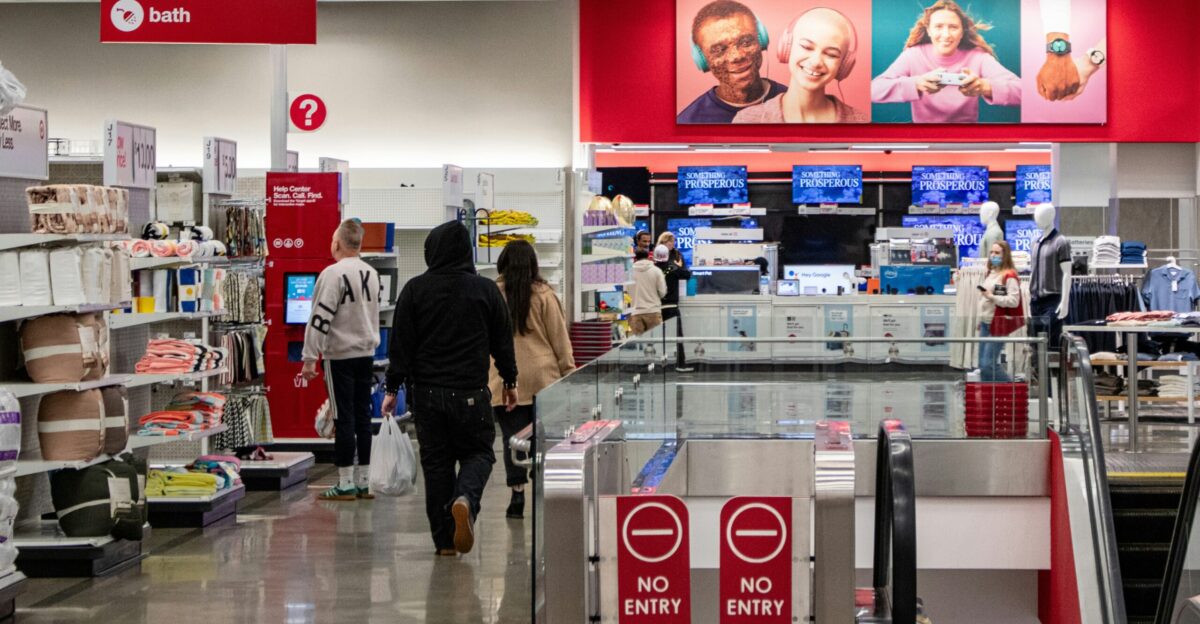
Target’s restructuring is part of a larger pattern across the retail sector. In 2025, companies such as Walmart and Best Buy also reduced their corporate staff in response to slowing sales and tighter margins. Meanwhile, global competitors such as Amazon and Costco have managed to maintain growth. Amazon’s retail segment posted double-digit revenue gains this quarter, and Costco reported an 8% rise in sales, according to CNBC. “Target must balance cost-cutting with continued innovation to remain competitive,” retail analyst Jessica Ramirez told Yahoo Finance.
Suppliers who rely on Target for contracts are closely monitoring developments. Many expect business to continue but anticipate slower timelines and tighter budgets as the company reorganizes its purchasing and product development teams.
Human Stories Behind the Numbers

For employees, the layoffs are more than a statistic. “It’s been a mix of grief and disbelief,” one worker told Bring Me The News. Those affected will receive severance pay and benefits through January 2026, but the emotional toll is significant. Local career coaches and mental health professionals are preparing for an increase in demand as displaced workers seek support and new opportunities.
The layoffs also come at a time when Target is reassessing its internal culture. Following controversy over its 2023 Pride merchandise, the company has scaled back some diversity, equity, and inclusion programs. Human resources experts note that such initiatives are often among the first to be reduced during cost-cutting cycles, raising questions about the company’s long-term cultural direction.
Looking Ahead: A Defining Moment

As Target navigates this pivotal moment, the stakes are high for both the company and the broader Minneapolis community. The company’s last major restructuring was a decade ago, but today’s retail landscape is far more volatile, shaped by inflation, e-commerce, and rapidly shifting consumer habits. Investors responded cautiously, with Target’s stock rising slightly after the announcement, but analysts remain divided on whether the cuts will deliver the agility and innovation the company needs.
For shoppers, Target insists that store experiences and digital services will remain unchanged. However, insiders suggest the brand may take a more conservative approach to marketing and collaborations in the near term. As CEO Michael Fiddelke faces his first major test, the coming months will reveal whether a leaner Target can maintain its creative edge and community focus while satisfying both investors and customers. Across Minneapolis, hope and uncertainty coexist as the company rewrites its story for a new era.