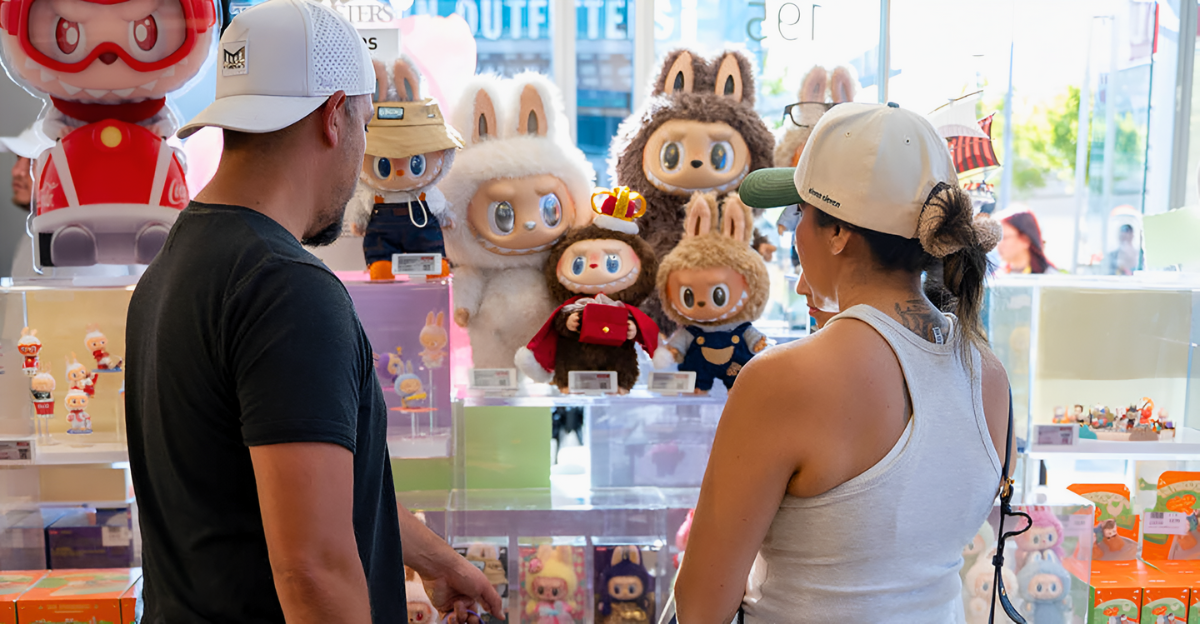
Not every craze comes wrapped in sparkle. Labubu, the snaggletoothed plush with rabbit-like ears, has turned imperfection into gold. Fans queue overnight for launches, some fights have broken out in stores, and resale prices climb into thousands.
According to Pop Mart’s 2024 financials, Labubu alone drove $423 million in revenue. With Rihanna and Blackpink’s Lisa spotted carrying one, the so-called “ugly toy” has cemented its place as a playground favorite and cultural status symbol, proof that sometimes, different does win.
Born in a Storybook, Not a Boardroom
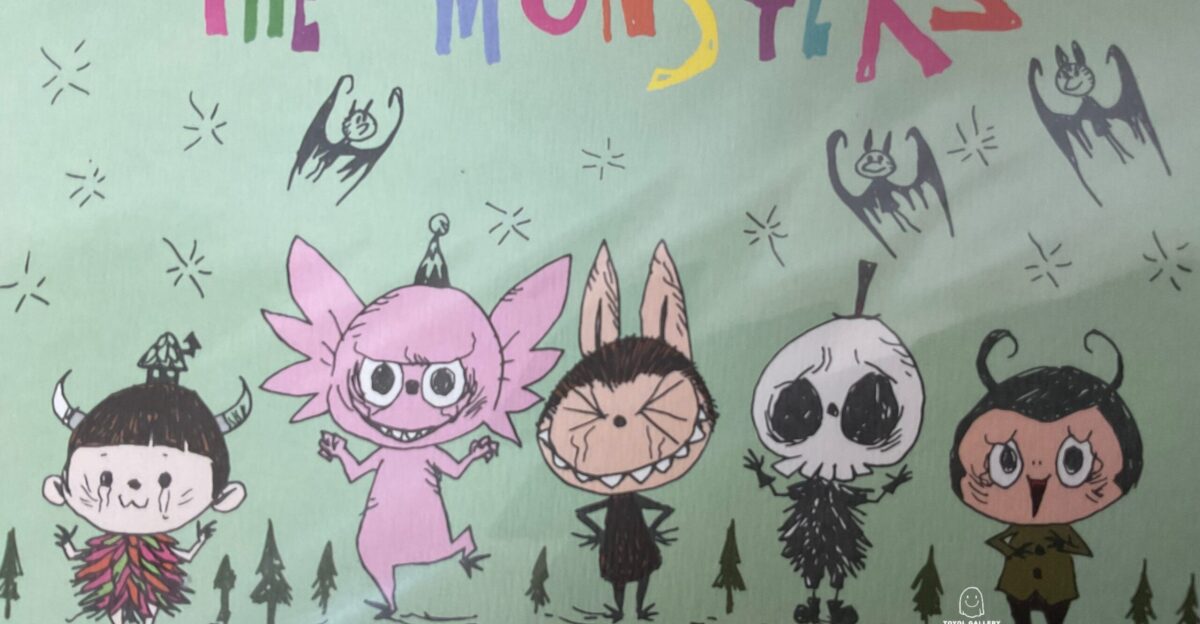
The unlikely star began life as a sketch in “The Monsters,” a fantasy picture book by Hong Kong artist Kasing Lung. Lung told Tatler Asia that he drew inspiration from Nordic folklore and his childhood memories, shaping Labubu into a mischievous elf-like character.
Years later, Pop Mart transformed that drawing into a collectible, and what was once a whimsical side character evolved into a global juggernaut. It’s a reminder that the most significant cultural waves often start not with corporate planning, but with an artist’s imagination.
Pop Mart’s Billion-Dollar Bet Pays Off
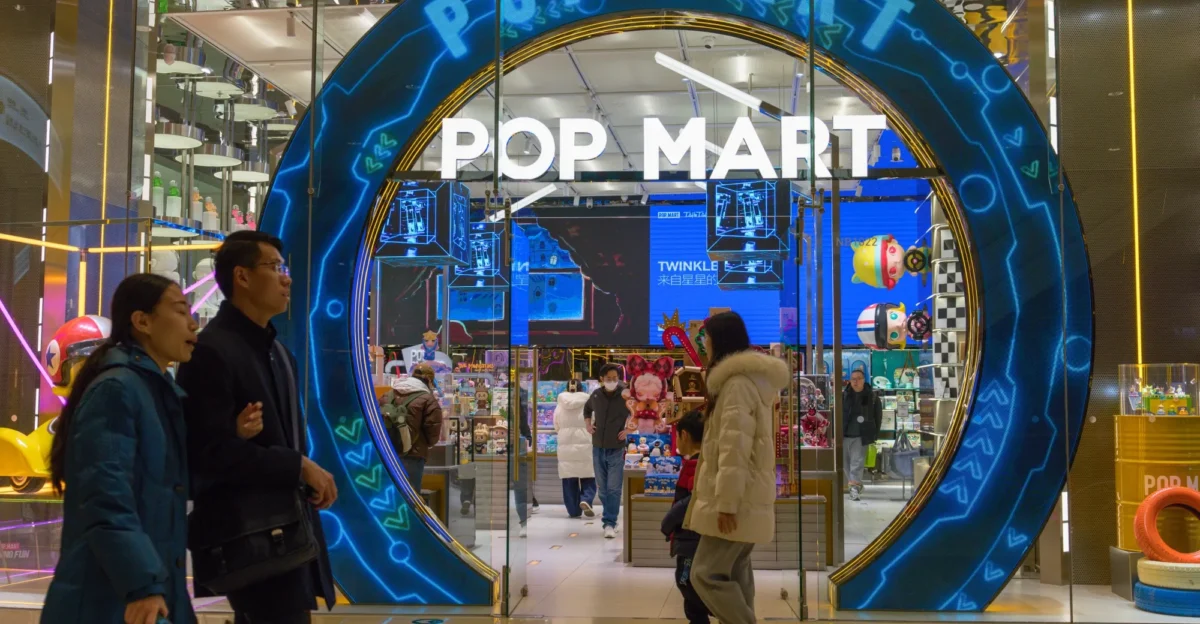
Beijing-based Pop Mart was hardly a household name before Labubu. With its market cap topping $39 billion—higher than Hasbro or Mattel—it has redefined modern toy culture. CEO Wang Ning told Nikkei Asia that Labubu’s breakout success changed the company’s trajectory overnight.
With Labubu as its flagship, the Monsters line generated $423 million in 2024 alone, fueling global expansion and turning Pop Mart into a powerhouse. A once-niche brand is now dictating what the next generation of collectibles looks like.
The Thrill Hidden Inside a Box
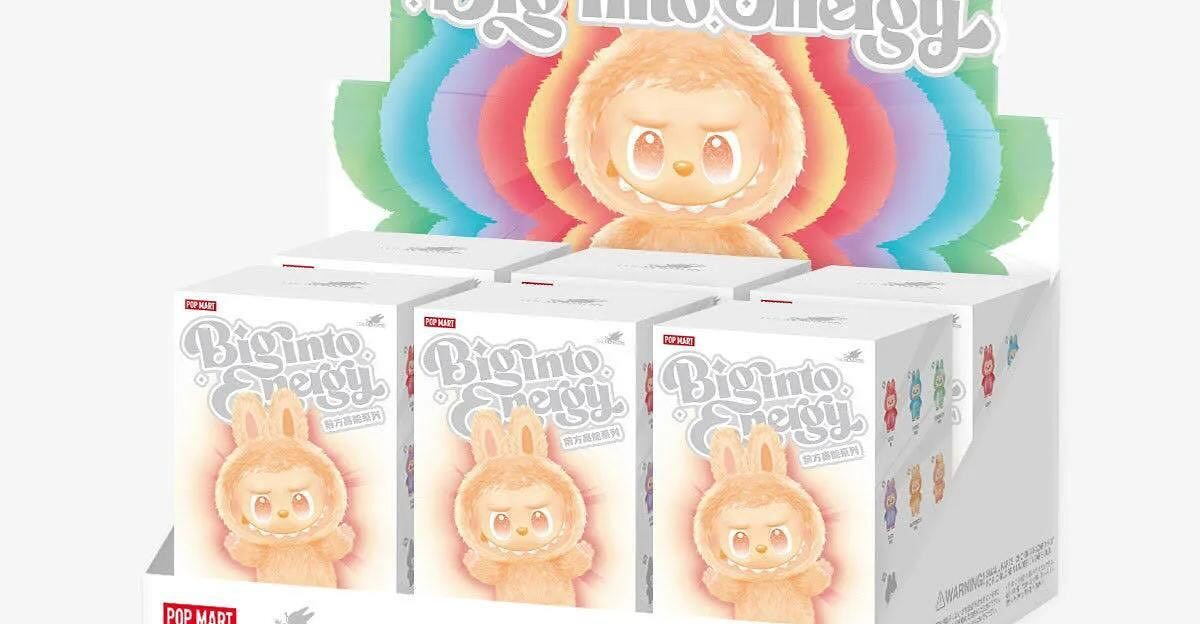
Part of Labubu’s meteoric rise is due to its packaging genius. Each figure arrives in a sealed “blind box,” hiding its style until the moment of reveal. Every rip of the foil is a gamble: Will it be common, rare, or the near-mythical secret edition?
This format has turned shopping into a spectacle, driving the viral unboxing craze that dominates TikTok and YouTube. “It feels like scratching a lottery ticket, only cuter,” one collector told The Guardian. The mix of suspense, heartbreak, and jackpot wins keeps fans hooked, and wallets wide open.
Not Just a Fad – Numbers That Stagger
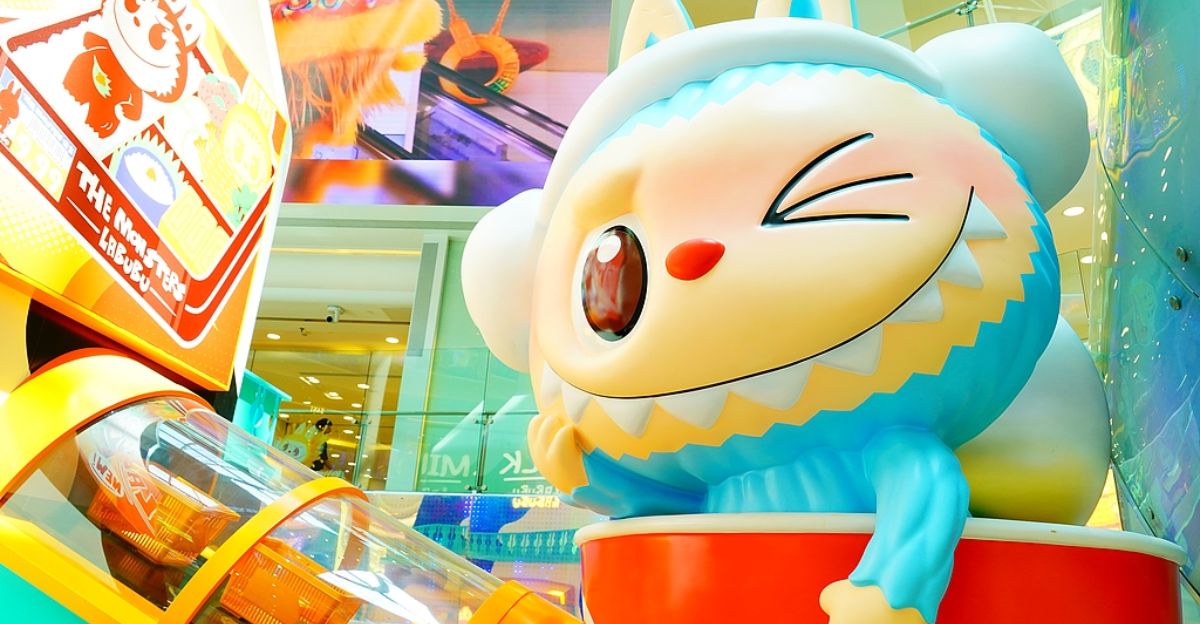
Labubu’s growth isn’t a niche blip as Pop Mart reports that there are more than 120 million collectors worldwide, with young women in Southeast Asia and the U.S. leading the trend. In 2024, blind box sales alone jumped 726% year over year.
Resale platform StockX reported a further 748% spike in Labubu transactions in the first half of 2025. What started as an art toy has become one of the fastest-growing cultural exports of the decade, rivaling sneaker drops and K-pop merch.
From Rihanna’s Handbag to Fashion Week
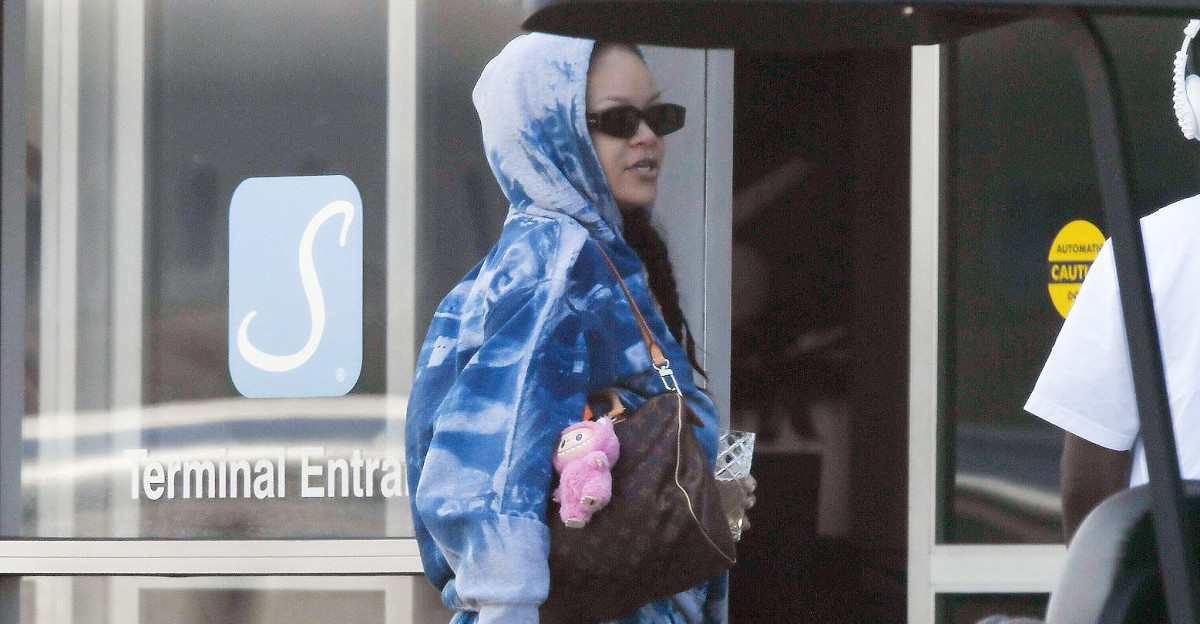
When celebrities joined the craze, Labubu went viral. Think about the moment when Rihanna carried a Labubu during a New York outing or when Dua Lipa and Lisa from Blackpink posted theirs on Instagram. Vogue editors later spotted Labubus dangling from handbags at Paris Fashion Week.
For many fans, the celebrity embrace has turned Labubu from a toy into a lifestyle flex. “It’s not just cute, it’s attitude,” a stylist said in Elle. What once looked like a plush has crossed into high fashion.
Scarcity as the Ultimate Power Play
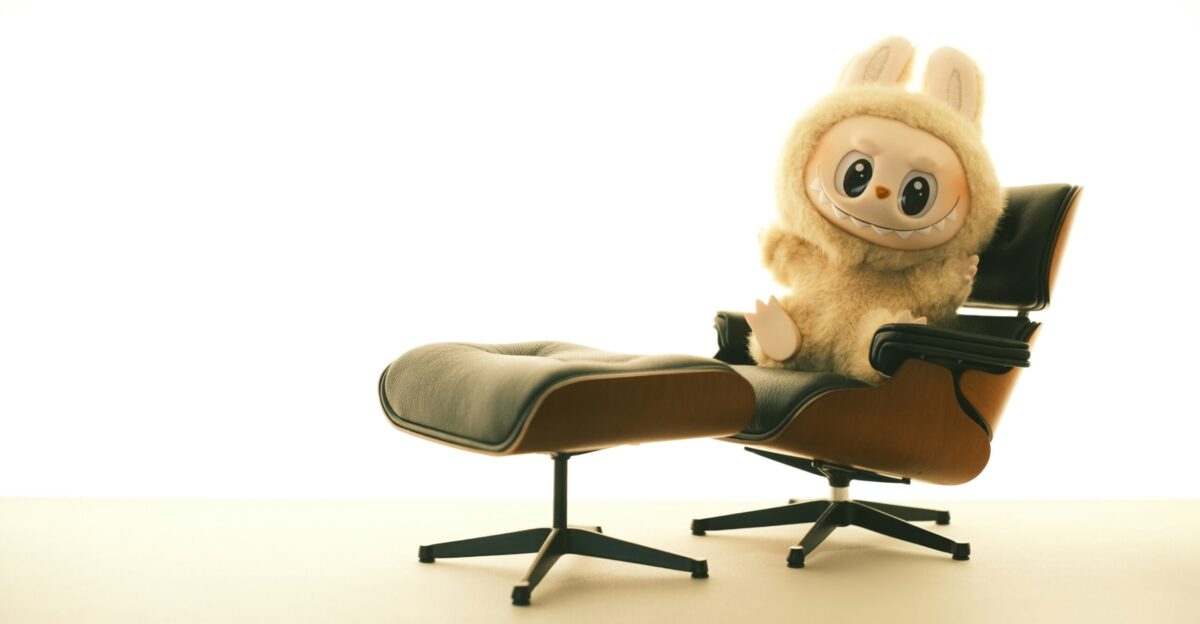
How does a $30 toy skyrocket to $10,000 on resale? The answer is carefully engineered scarcity. Pop Mart drops Labubu in tightly timed waves, limits production runs, and fuels hype with Vans and Coca-Cola collaborations. Add in region-only exclusives, and suddenly, collectors are scrambling worldwide for their holy grail.
On eBay and StockX, prices soar up to 125 times retail, with rare editions commanding five figures. What looks like simple toy marketing is really an art form—FOMO sharpened into a billion-dollar business model that transforms plush into prestige.
A Community That Fuels the Fire
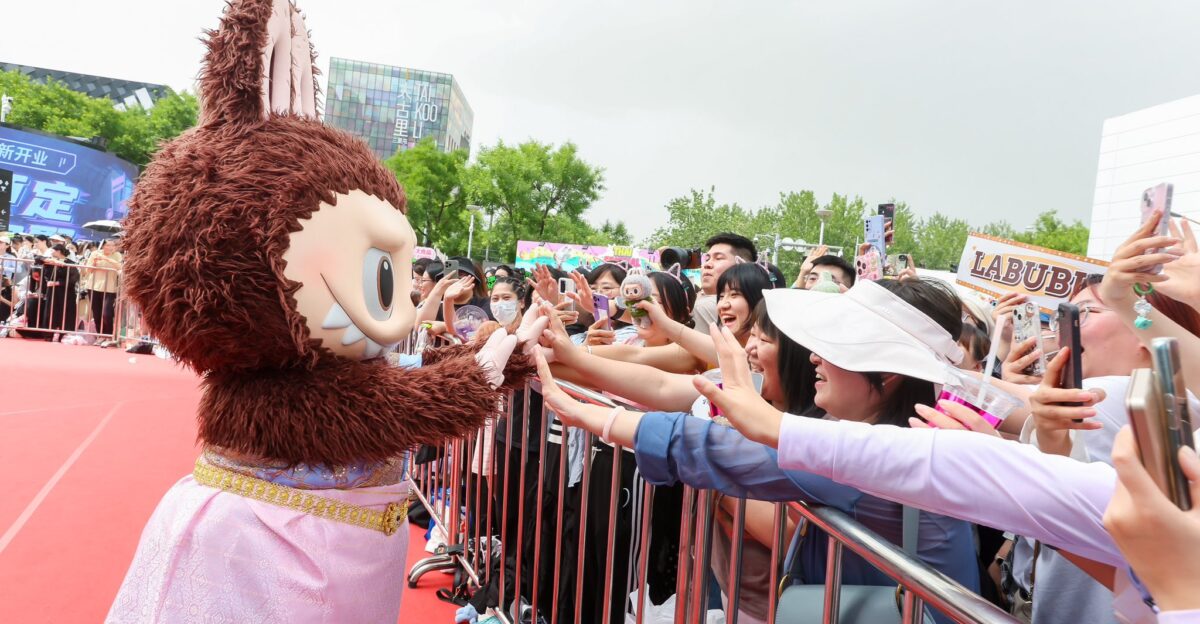
The real marketers aren’t Pop Mart; it’s the fans. TikTok hosts over 1.3 million videos tagged #Labubu, ranging from dramatic unboxings to baking Labubu-themed cupcakes. Discord servers organize trades, while enthusiasts tattoo Labubu’s snaggletooth grin on their skin.
“We don’t just buy it; we live it,” one fan in Bangkok told the South China Morning Post. From Brussels murals to Manila street fairs, the community has transformed Labubu from a product into a global cultural movement.
When Toys Sell Like Fine Art
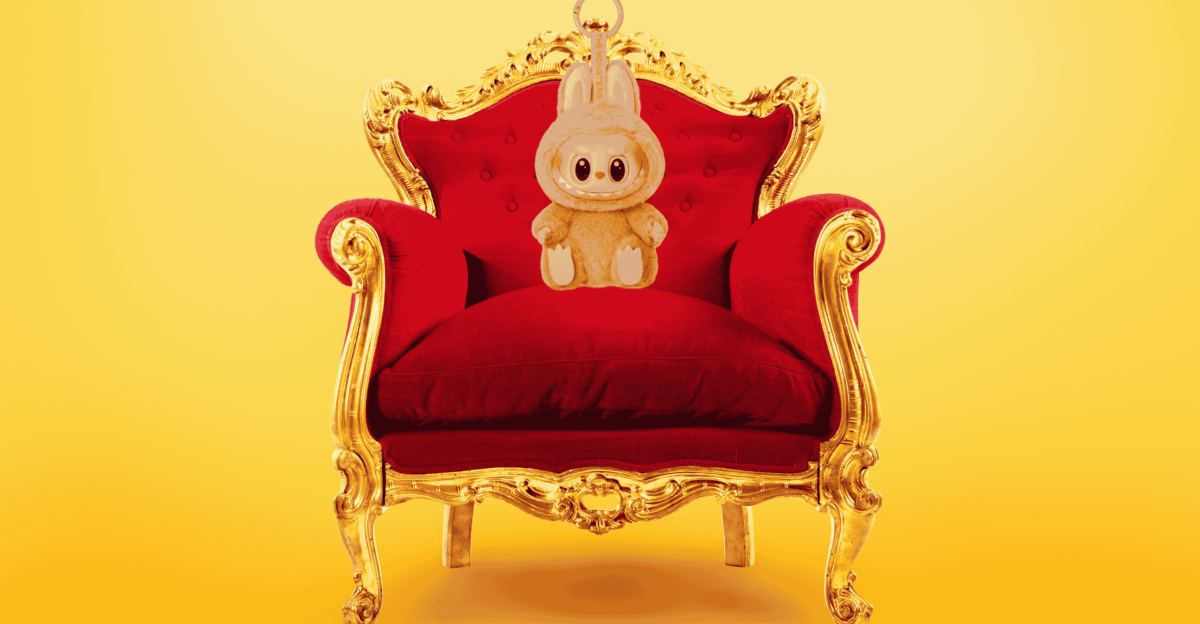
While a surprise box retails for $13 to $30, the resale market tells a different story. The average resale on StockX now sits around $121, and ultra-rare editions have gone for $10,500 and a staggering $170,000 in one auction.
Such numbers echo the art world more than the toy aisle. Collectors justify the cost with Labubu’s rarity and cultural cachet, suggesting that what started as plush may occupy a new hybrid space of part toy, part fashion, part fine art.
Who’s Collecting Them?
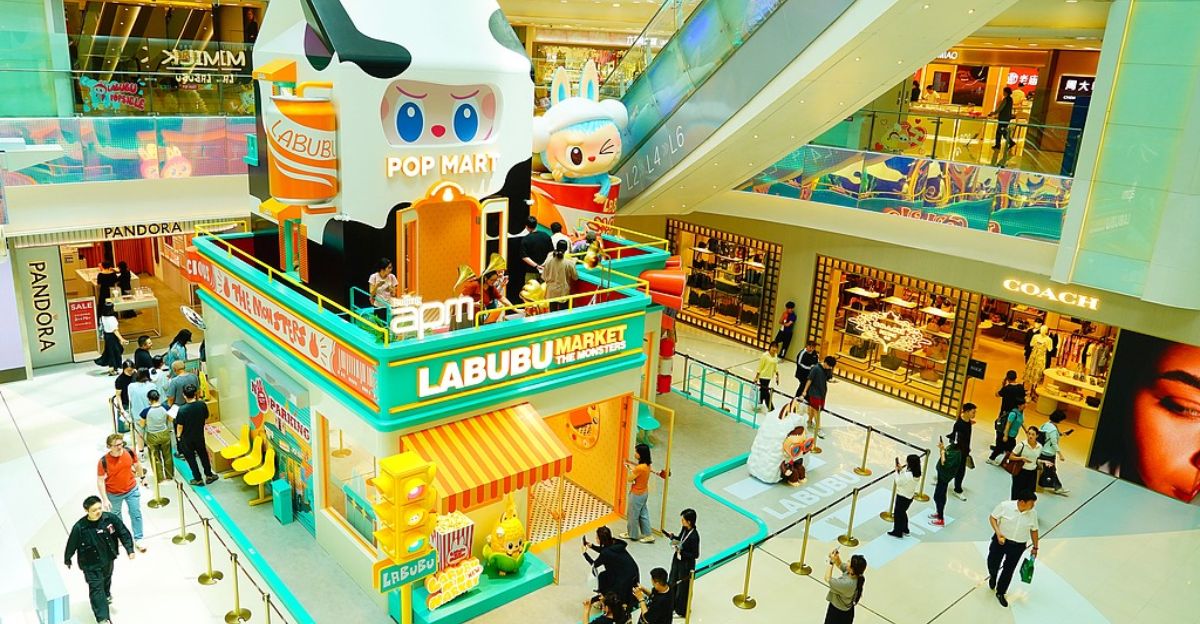
Labubu isn’t confined to one generation; it’s a phenomenon that spans them all. Kids clip the plush to their backpacks, teens flood TikTok with dramatic unboxing videos, and adults proudly display them as quirky lifestyle décor. In New York, souvenir shops say both tourists and locals snap them up daily.
One 93-year-old grandmother in Hong Kong even became a minor celebrity when her collection was featured on TV, charming viewers across Asia. Few collectibles achieve this kind of universal reach. Labubu bridges playgrounds and living rooms, proving obsession has no age cap.
When Collecting Becomes Investing
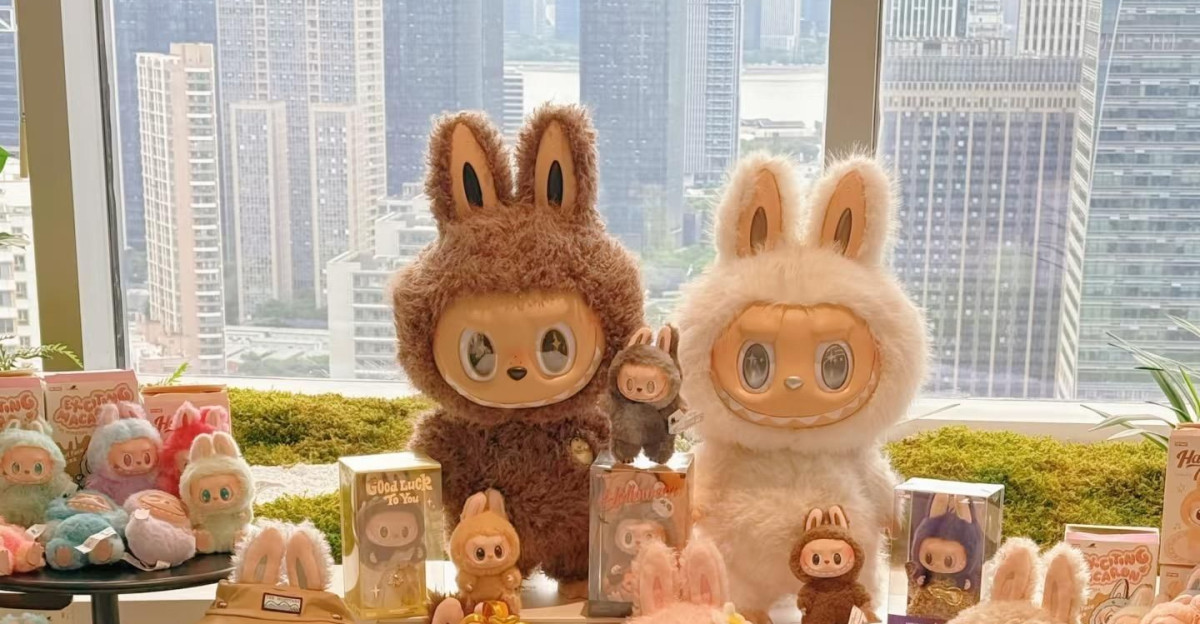
For some, Labubu isn’t just play; it’s a portfolio. Analysts note that early editions, especially collaborations, are appreciated as “blue chip” assets. A Shanghai-based collector told Bloomberg he treats Labubu like stocks: “buy low, hold, and wait.”
Pop Mart’s careful supply management ensures resale values stay high, creating a secondary market as competitive as sneakers. The toy has shifted from fad to financial strategy, proving how collectibles are now part of the wealth conversation.
The Social Game of Scarcity
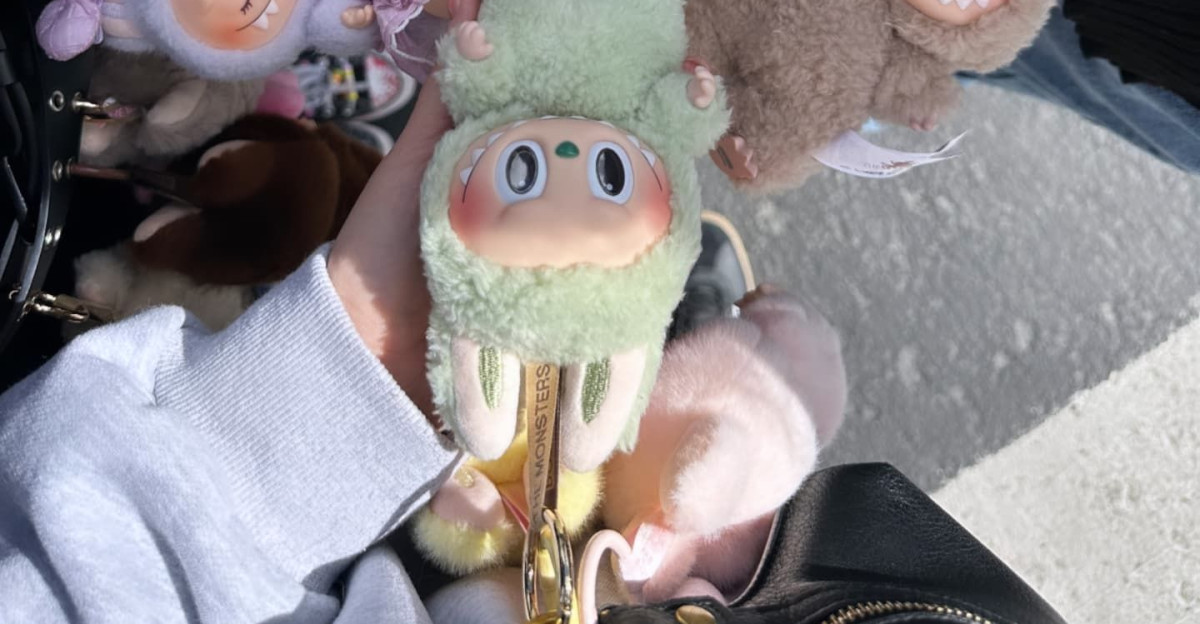
Labubu launches are less about shopping and more about spectacle. Students camp out on campuses, Discord groups coordinate global swaps, and online waitlists vanish in minutes. Regional exclusives—like Japan-only editions—send fans scrambling to trade across borders, creating a worldwide treasure hunt.
“It’s not about toys, it’s about the chase,” one U.K. collector told BBC. Each drop becomes a social event, where securing a Labubu means more than owning a plush; it’s proof of belonging in a global club driven by passion, persistence, and bragging rights.
From Plush to Pop-Culture Symbol
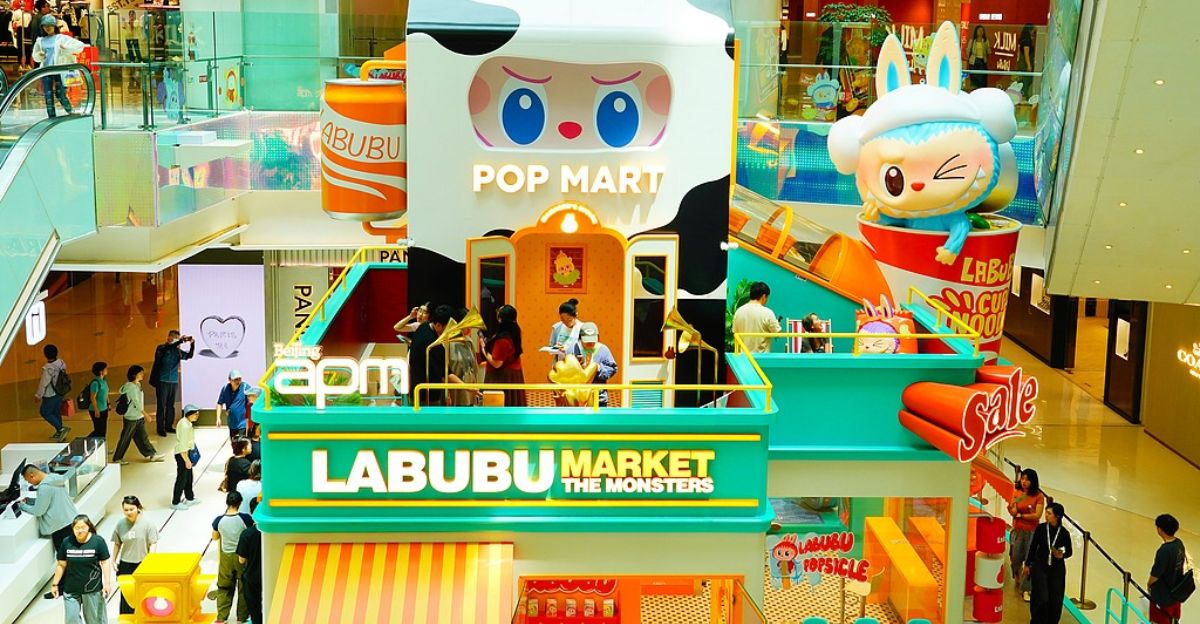
Labubu is no longer just a plush; it’s a mirror of youth culture. Its crooked grin and offbeat charm perfectly capture Gen Z’s rejection of polished perfection in favor of raw authenticity. Cultural critics call it proof that “ugly is the new cool,” a trend reflected in viral memes, DIY fashion, and TikTok humor that revels in the awkward and unexpected.
What began as a strange little design now stands as a cultural badge, a symbol young people proudly wear, share, and flaunt as a declaration of identity and individuality.
Why Ugly Is the New Cute
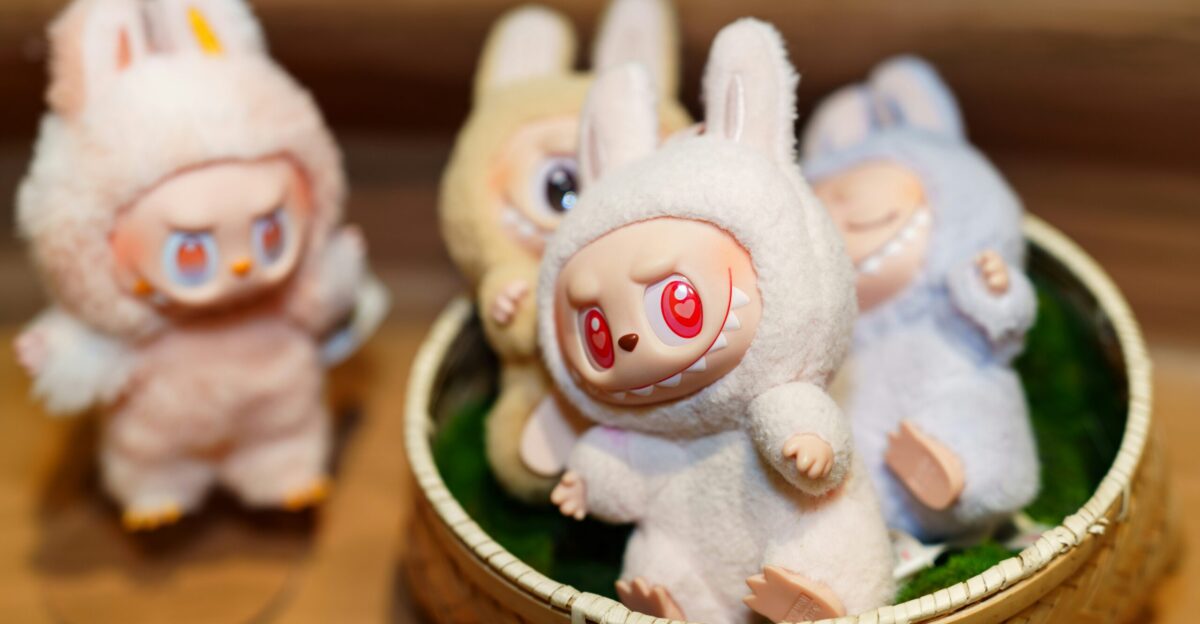
Labubu’s appeal is rooted in contradiction. It is ugly, and that is exactly why people love it. With jagged teeth and oversized ears, the design breaks every traditional rule of cuteness. For Gen Z, that rebellion feels magnetic, a rejection of sameness in favor of originality.
A cultural theorist told The New York Times that Labubu’s ugliness makes it stand out in a world obsessed with perfection. By turning cute culture upside down, it has created a new aesthetic language for a generation that prizes bold individuality.
The Rise of the Kidult Economy
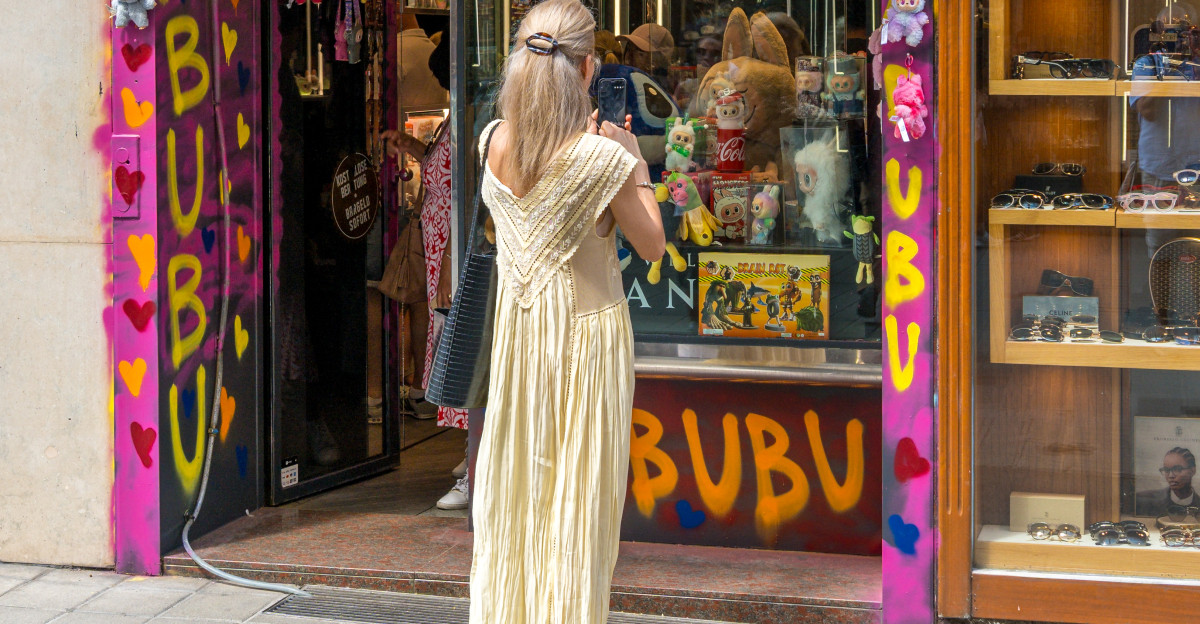
Labubu has found its sweet spot in the booming kidult market, where adults unapologetically buy toys for themselves. Research from NPD Group shows kidults now drive a quarter of all toy sales worldwide, reshaping the industry. Pop Mart has embraced this shift with NFT tie-ins, streetwear collaborations, and luxury pop-ups that place Labubu alongside fashion rather than in the toy aisle.
One analyst told CNBC that this isn’t about children but nostalgia, identity, and spending power. Labubu has become less a toy and more a lifestyle signal in a new adult-driven economy.
Global Growth, Local Flavor
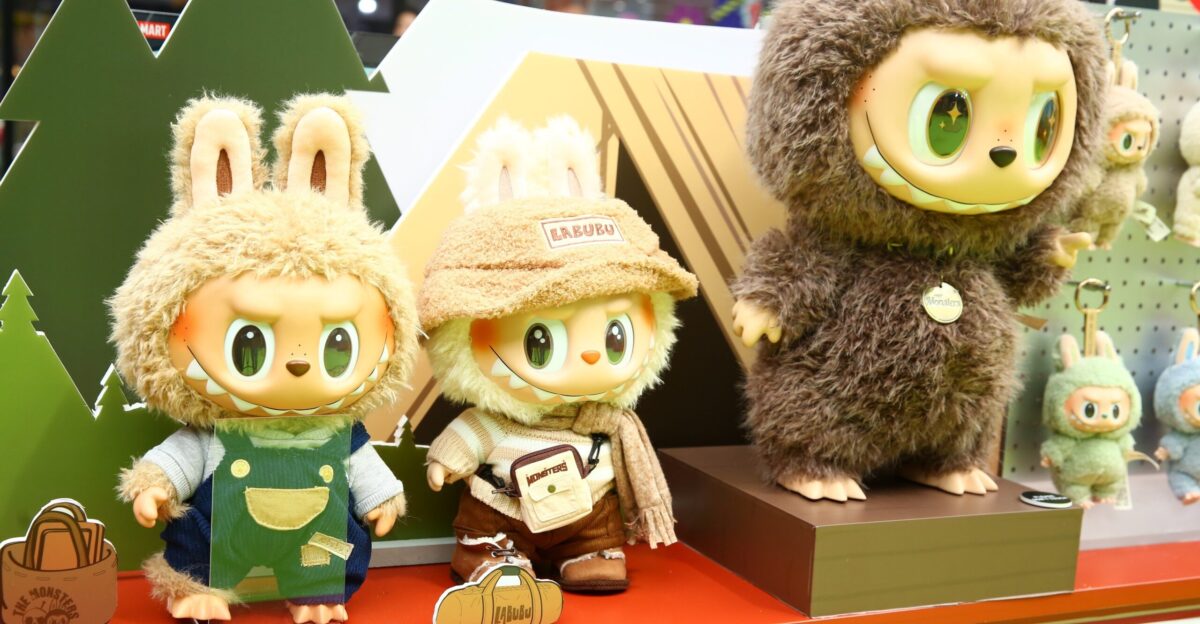
Labubu’s expansion feels global yet local. Depending on the region, Pop Mart tweaks packaging, language, and even toy names. U.S. collaborations with designers differ from those in China, while Southeast Asian launches often tie into local festivals. This localization strategy keeps Labubu authentic while ensuring worldwide resonance.
“It feels like it belongs here,” a Manila collector told the Philippine Daily Inquirer. That balancing act has fueled explosive international adoption without losing its cultural core.
Labubu in the Digital Wild
Scroll social media and you’ll see Labubu everywhere, from TikTok skits, Discord swaps, to Instagram fashion shots. Pop Mart cleverly amplifies this by teasing “secret drops” online, creating digital scavenger hunts fans chase like quests.
The result is a blend of shopping and storytelling. “It’s not just buying—it’s playing,” one influencer told Wired. In the digital age, Labubu isn’t just consumed; it’s performed, shared, and endlessly remixed.
A Marketing Playbook for the Future

Business schools are studying Labubu’s rise as a blueprint for viral success. Pop Mart’s approach combines surprise boxes, carefully timed scarcity, and influencer seeding to create frenzy without traditional advertising. Fans become the campaign, spreading obsession through TikTok unboxings and Instagram reels.
“They engineered demand by letting go of control,” a marketing professor told Forbes. Labubu’s story goes beyond toys, showing how culture can market itself, where hype, community, and emotion replace billboards and TV spots, turning a plush collectible into a worldwide sensation.
The Next Wave Is Already Coming
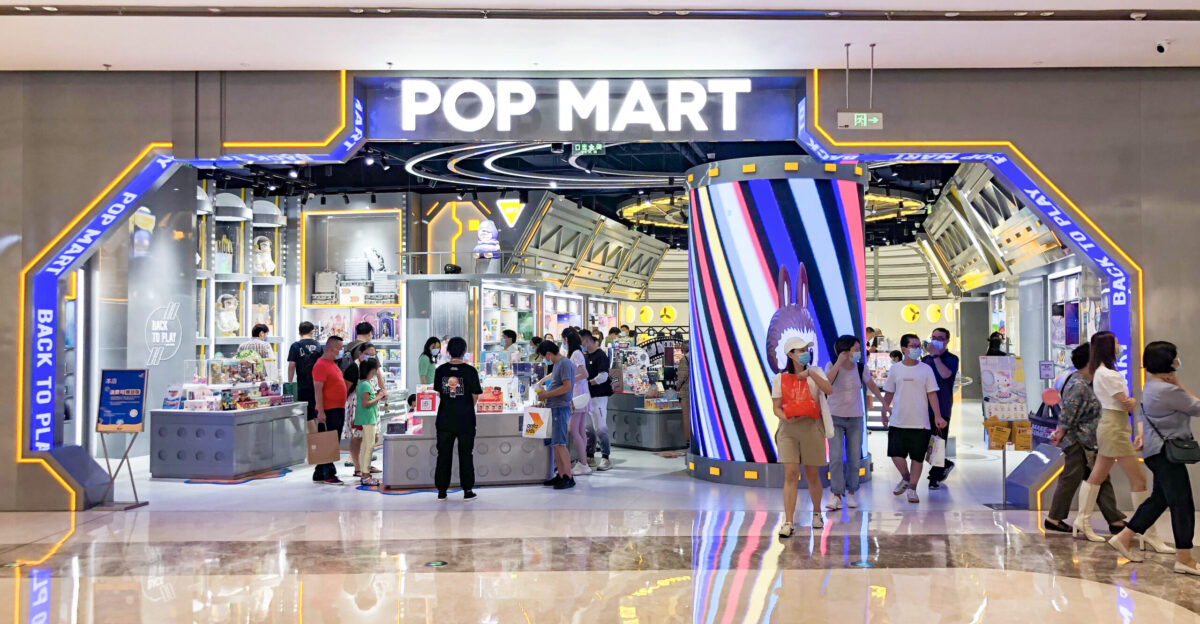
With Pop Mart’s international sales up 700 percent in 2024, Labubu mania shows no signs of slowing. Founder Wang Ning saw his net worth surge by $1.6 billion in a single day as the toy captured global attention. Pop Mart is already planning new collaborations, immersive pop-up experiences, and luxury crossovers for late 2025.
Wang told The Financial Times that the company is only scratching the surface. For collectors, the next chapter promises even wilder hunts, bigger crowds, and resale prices that could climb higher than ever before.
From Toy to Movement
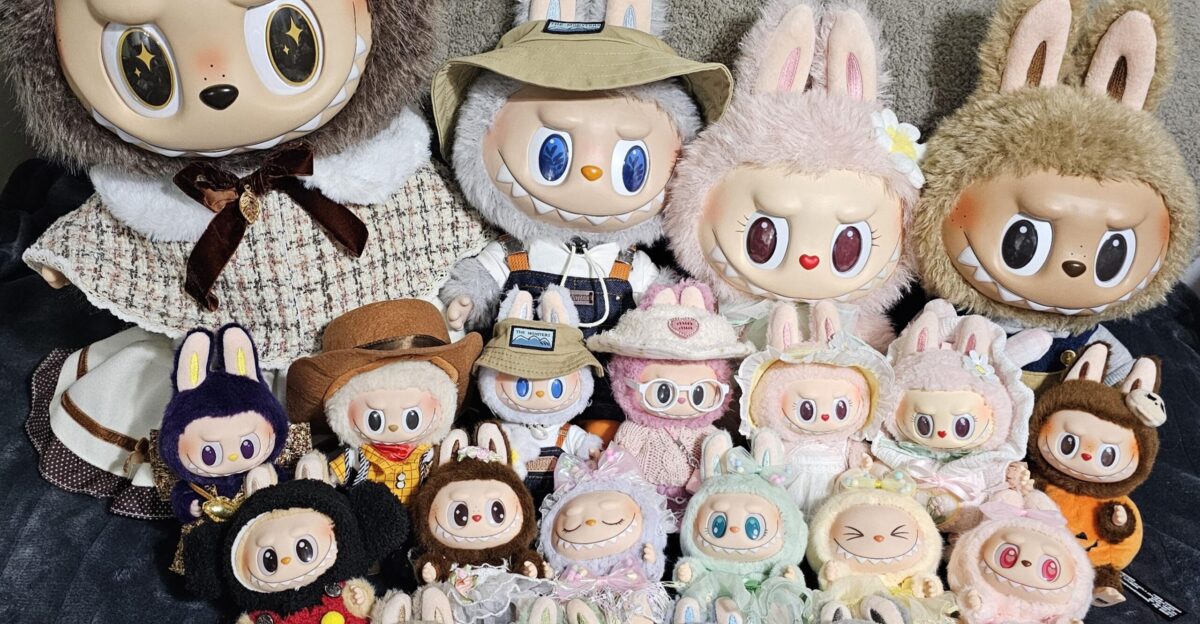
Labubu’s rise isn’t just about plush; it’s a window into a culture hungry for connection, creativity, and self-expression. Fans trade, share, and gather not just to buy, but to belong, turning toy stores, pop-up events, and online communities into stages for their passion.
That crooked grin now symbolizes a generation that celebrates the quirky, the imperfect, and the unexpected. From school backpacks in Manila to luxury handbags in Paris, Labubu travels the world in the hands of devoted collectors.
At the center of a $423 million phenomenon, it proves that imperfection can inspire pride, joy, and a global obsession that shows no signs of slowing.