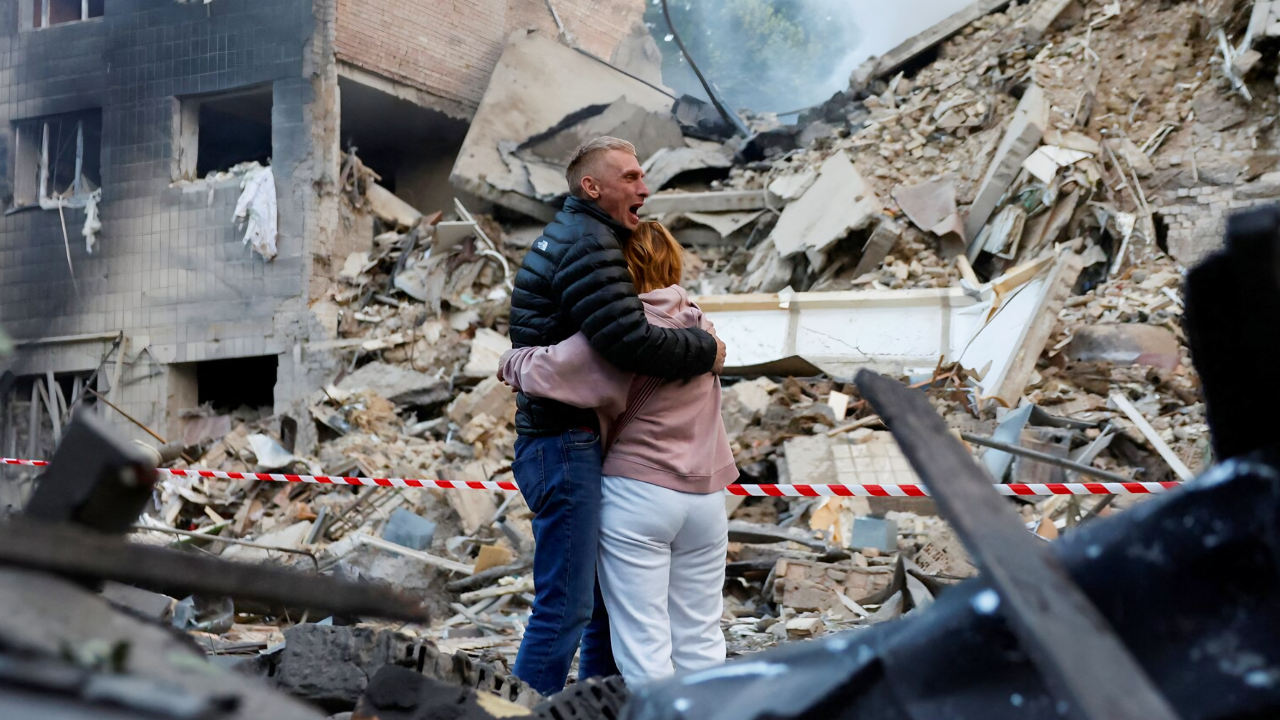
Explosions shattered the night sky as sirens blared across Ukraine—an unprecedented barrage dropped on the country in one overnight strike. On the night of October 30–31, 2025, Russia launched over 650 drones and more than 50 missiles at Ukraine’s energy and civilian infrastructure.
Kyiv’s streets trembled, lights flickered out, people rushed to shelters—and the scale of the assault sent a chilling message: winter is coming, and with it a new chapter of escalation.
Kyiv Under Fire: Capital City Faces Coordinated Assault

Kyiv bore the brunt of the strike, with multiple districts rocked by explosions and air-raid sirens wailing throughout the night. Civilian casualties were confirmed in the Kyiv region, and the city’s power network was severely damaged, forcing emergency power-sharing arrangements. Beyond the capital, at least 20 locations across Ukraine, including Zaporizhzhia—struck by over eight ballistic missiles and some 20 drones—were hit in one massive coordinated campaign.
The sweeping nature of the attack sent a strategic signal: the launch was not isolated but crafted to overwhelm and inflict maximum disruption. With Kyiv and provincial regions alike under fire, the assault spanned cities and power grids, not just frontline zones.
Why Did Russia Strike?
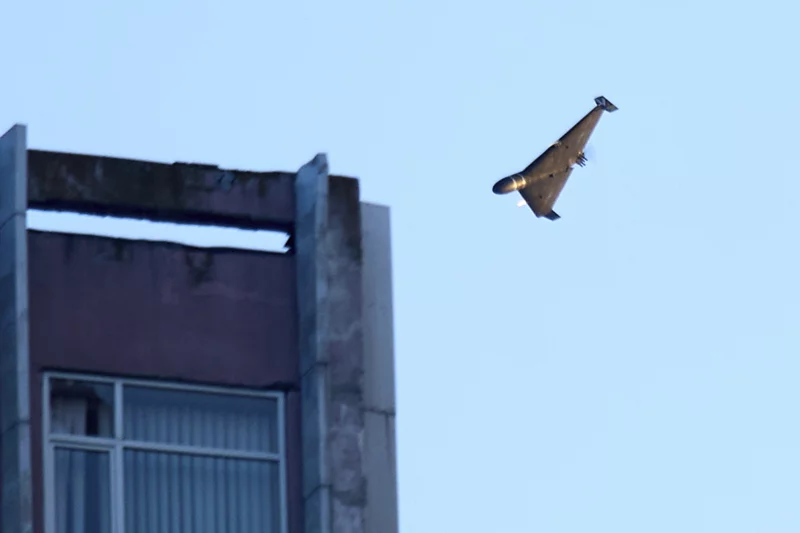
The timing is unmistakable: as winter approaches, the assault sought to strike when vulnerabilities would magnify. Russian forces appeared to target energy grids and civilian infrastructure to plunge the country into darkness, raising pressure on both population and government. Ukrainian officials described the action as a deliberate attempt to erode morale and disrupt essential services ahead of the cold months.
By undermining warmth, light, and community services, this kind of attack shifts from military to psychological warfare—forcing calming routines into chaos, affecting how people live day-to-day. The message: “This can happen anytime.”
Blackouts Hit Millions, Including Kyiv Residents
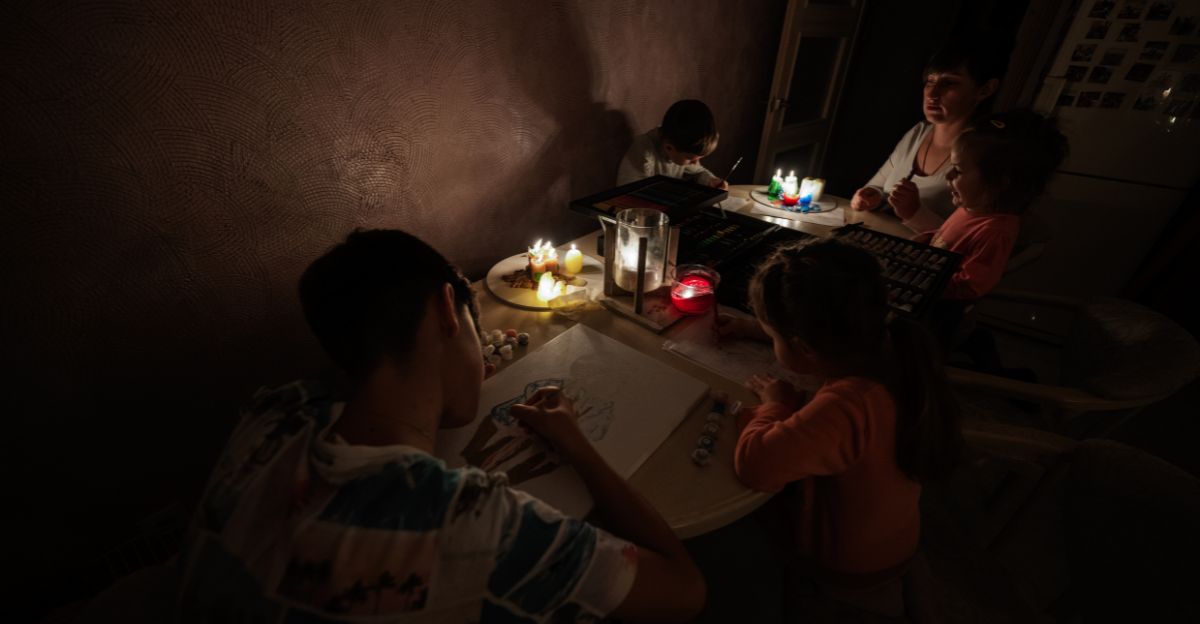
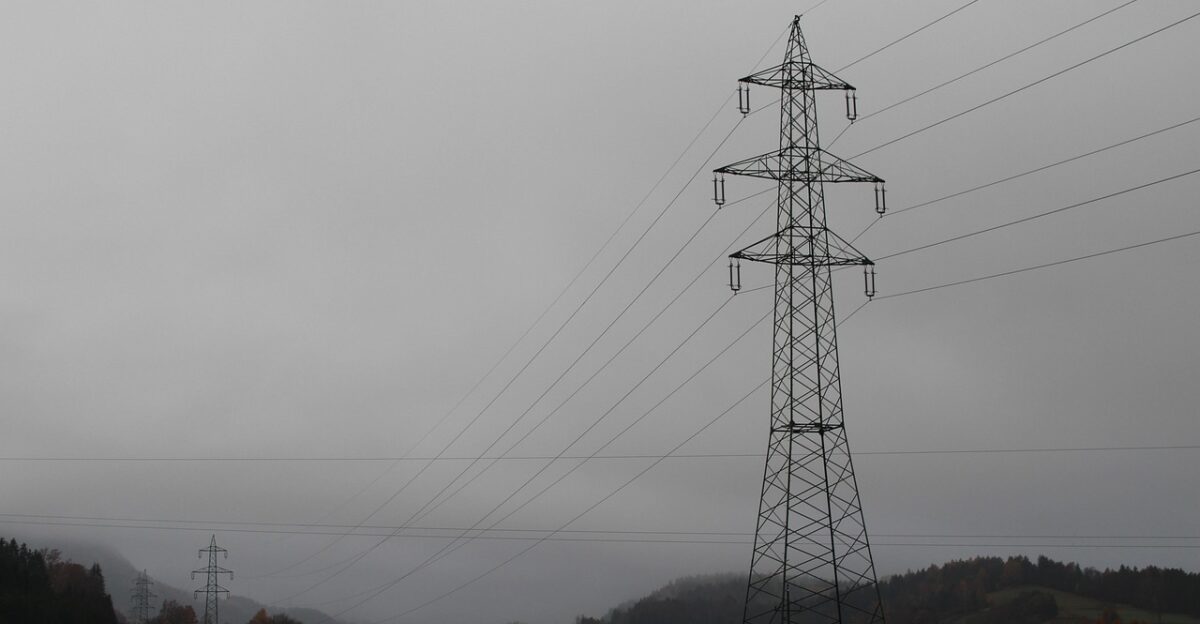
Damage to power plants and transmission lines triggered nationwide outages. Residents in Kyiv faced rolling blackouts and heating shortages just as temperatures began to fall. Nationwide, millions of Ukrainians experienced energy restrictions; in the capital, peak restrictions struck between 4 PM and 6 PM under an emergency sharing schedule.
The consequences stretch beyond discomfort. In modern society, no power means no light, no heat, compromised water and sewage systems, and a knock-on effect on healthcare, business and community safety.
Businesses Scramble to Adapt
From industrial factories to neighborhood shops, businesses across Ukraine raced to secure backup energy sources. Some operated on skeleton hours, others closed temporarily. Critical sectors such as healthcare and food distribution struggled to maintain service as power disruptions rippled across the nationwide grid.
The adaptation isn’t just technical—it’s financial. Procuring generators or shifting to alternate supply increases cost and complexity for organizations already under stress, bearing down on the broader economy.
Demand Surges for Energy Alternatives
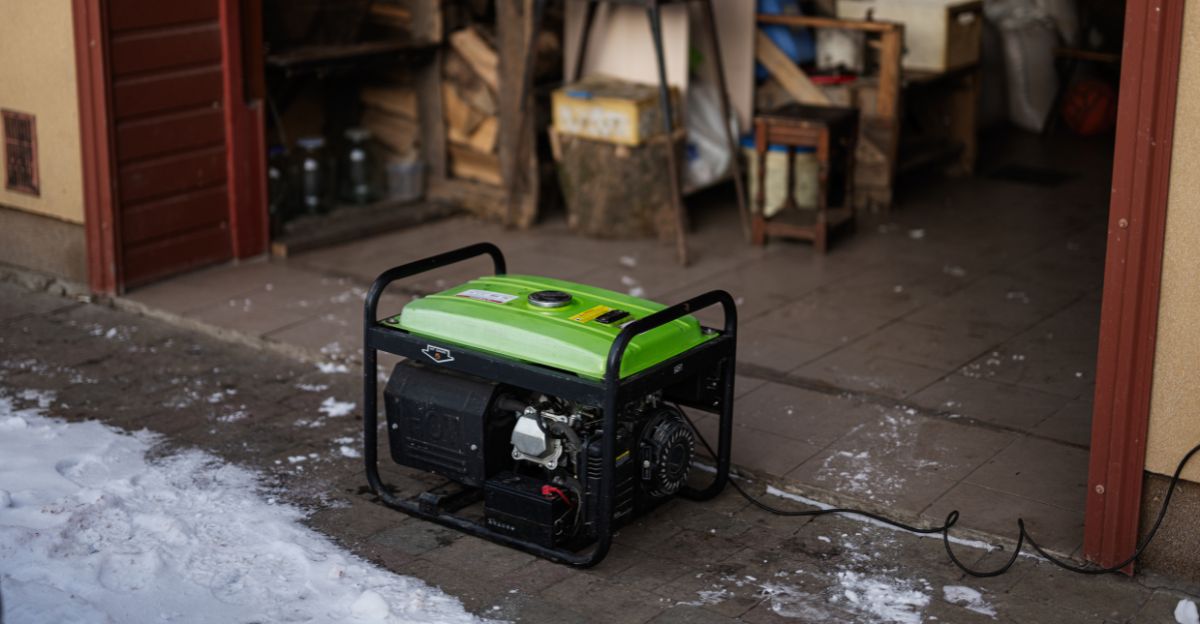
In response to the grid chaos, Ukrainian households and businesses ramped up purchases of portable generators, batteries and solar panels. Kyiv’s residents rushed to stock backup solutions, triggering supplier shortages and spiking prices across the board.
These shifts hint at long-term change: when the core infrastructure becomes unreliable, consumers and firms redirect resources toward resilience—wiring in new habits and investments that persist beyond the crisis.
International Energy Trade Disrupted

With its energy network battered, Ukraine turned to increased electricity imports from the EU to stabilize supply. Meanwhile, Russia’s assault drew condemnation from European leaders, and cross-border energy flows became more volatile. Talks of expanded sanctions and bolstered support for Ukraine’s energy sector grew urgent.
Beyond immediate relief, this disruption threatens to reshape regional energy dynamics. Infrastructure, trade agreements, and mutual dependencies are being stressed—and may realign post-war.
Human Toll: Seven Dead, Including Child
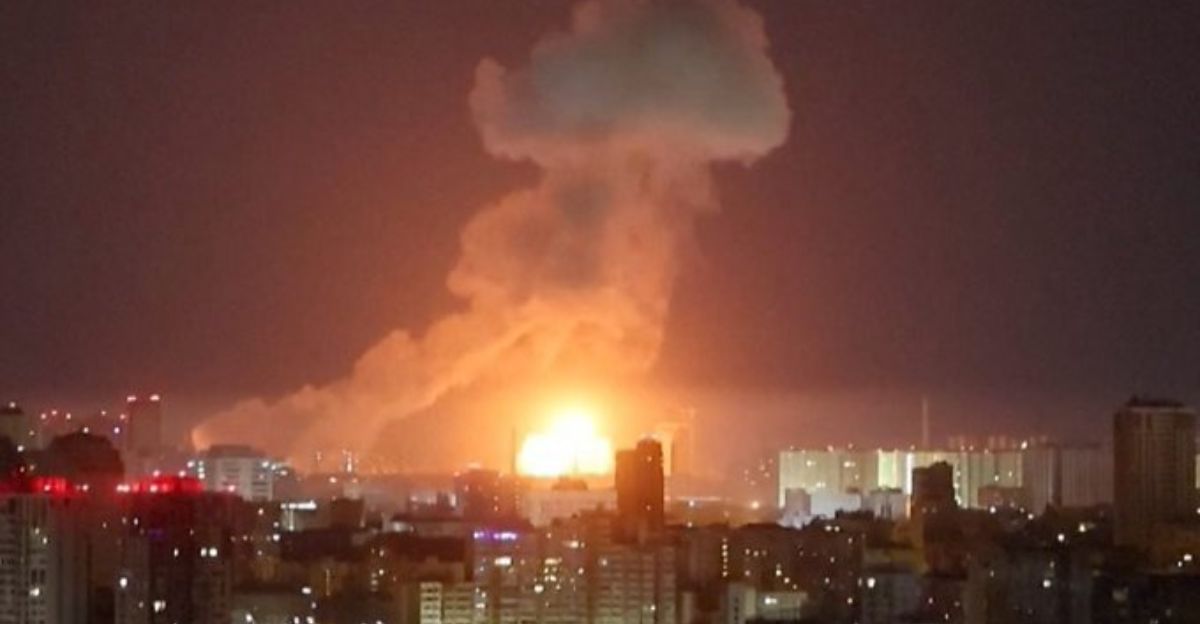
At least seven people were killed in this attack, including a 7-year-old girl, and many more injured. In Zaporizhzhia, over eight ballistic missiles and 20 drones hit, resulting in two deaths and 23 wounded. Families in high-rise apartments in Kyiv found themselves days without heat or water, while utility and emergency crews risked their lives restoring services during ongoing threats.
Each statistic is a person. Each blackout a risk for lives. This isn’t just infrastructure damage—it’s humanity under stress.
Political Response: Ukraine Demands More Air Defense

Ukraine’s leadership vowed to “preserve the light,” with President Volodymyr Zelenskyy and other officials urging Western allies to deliver additional air defense systems and impose stricter sanctions on Russia’s oil and energy sectors. The government prioritized rapid repairs to infrastructure and appealed for international humanitarian aid to support affected communities.
The framing here is clear: it’s not just a military request, it’s existential. Defense of power and civilian infrastructure becomes tantamount to defense of the state.
Economic Ripple: Inflation and Uncertainty
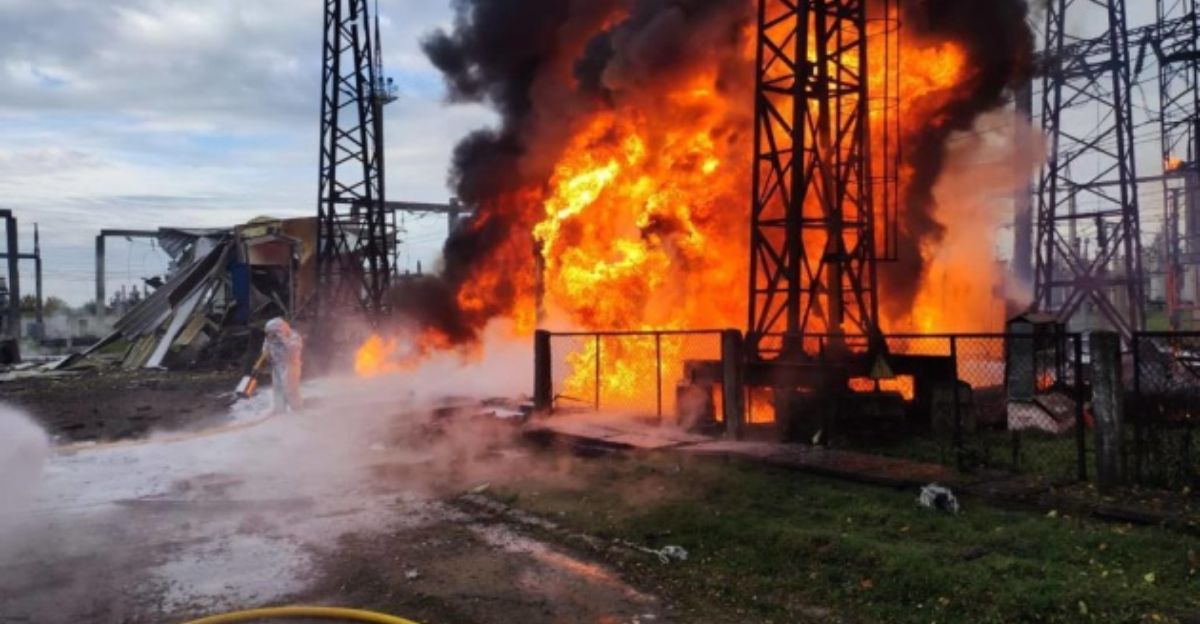
Destruction of energy infrastructure triggered rising electricity costs and disrupted supply chains all over Ukraine. Industry in Kyiv and beyond confronted inflationary pressures as operational costs climbed. Analysts warned that if attacks on power facilities persist through winter, a recession looms—threatening jobs and exports alike.
In war-economics, damage to infrastructure doesn’t just stop productivity—it detours growth, increases uncertainty and shakes investor and public confidence.
Health and Daily Life Under Strain

Hospitals and clinics in Kyiv and across Ukraine faced operations without reliable power, endangering patient care. Schools were forced to close or shift online. Vulnerable populations—elderly, children, displaced families—faced greater risks from cold, lack of heat, and disruption of essential services just as winter deepens.
Life under these conditions isn’t just harder—it becomes precarious. Basic routines become survival calculations.
Global Perception and Response

International media coverage surged as the scope of the attack on Kyiv and other Ukrainian cities became clear. Aid organizations and foreign governments accelerated the delivery of generators, medical supplies and technical support to Ukraine, reflecting global solidarity with its civilian population and recognizing the broader implications of the power-grid assault.
The global narrative is shifting—not just “Ukraine war,” but “Ukraine’s home front under siege.” That changes how aid, diplomacy and public opinion engage.
Unexpected Winners and Losers

In the damage and disruption emerged some winners and losers. Makers of generators, batteries and renewable-energy equipment saw a surge in orders as Ukrainians sought backup power. On the flip side, industries dependent on stable power—like steel and agriculture—suffered production losses, putting jobs and exports at risk.
This creates a paradox: resilience becomes a growth sector while baseline capacity collapses. The war economy shifts the playing field.
Financial Markets and Consumer Advice
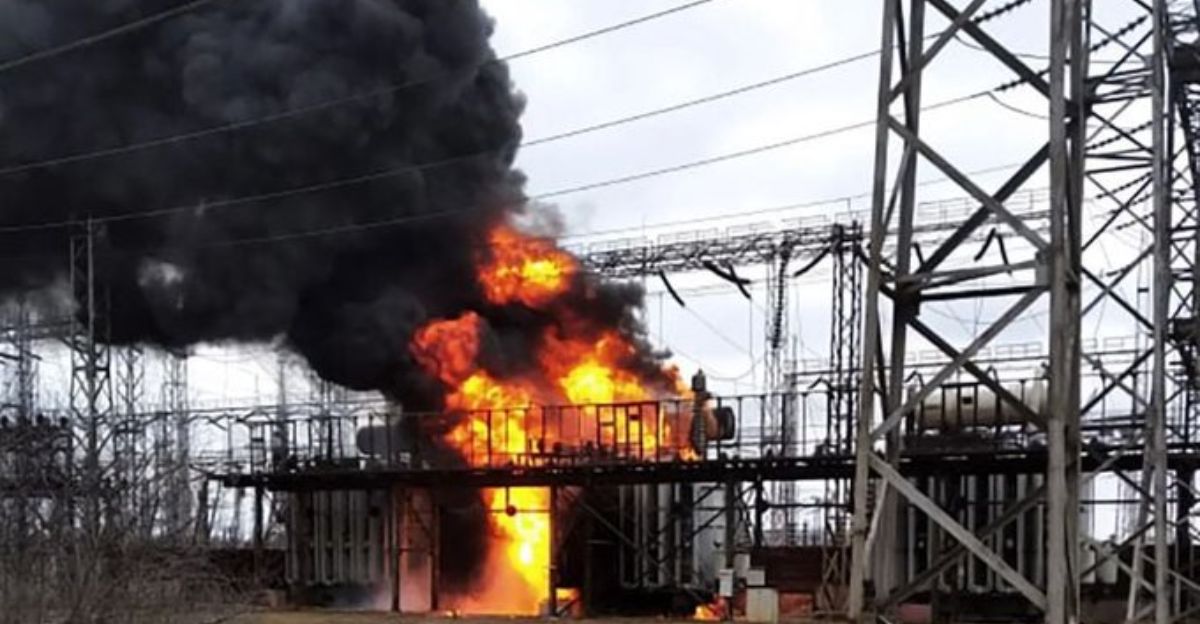
Financial markets responded with volatility, especially in energy and utility sectors, as the scale of the power grid strike became evident. Experts advised Ukrainian consumers to conserve energy, invest in backup solutions, and stay aware of emergency services and aid programs as the country braces for more attacks.
For the average person: the preparation matters. For the economy: risk translates into cost. For the future: resilience becomes strategic.
What’s Next for Ukraine and Kyiv?
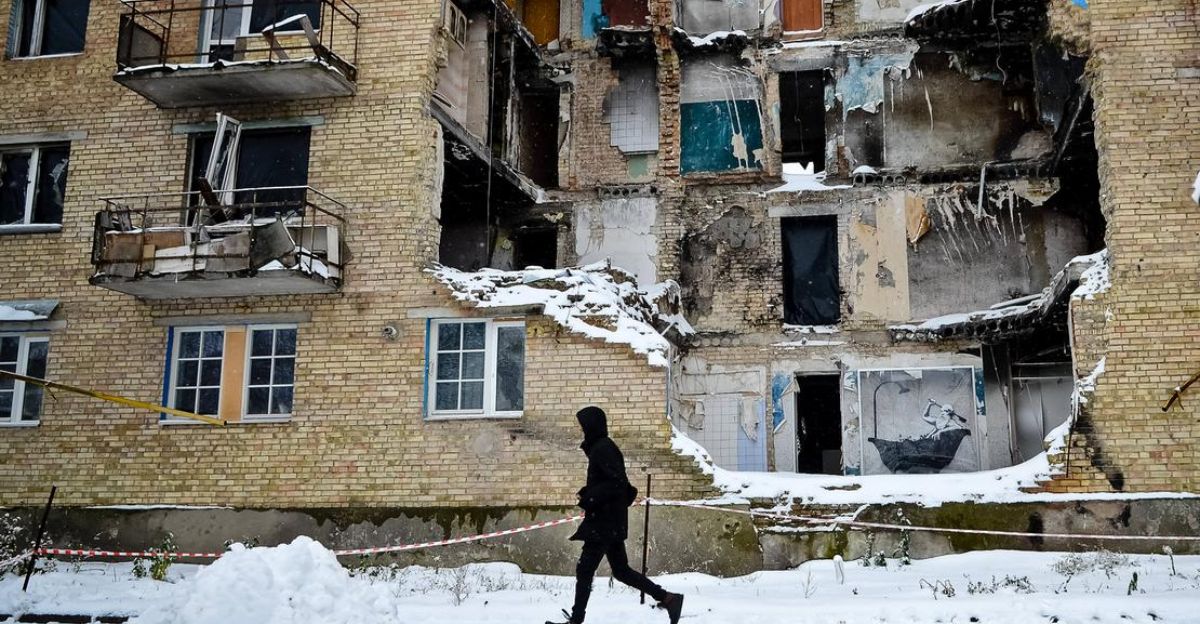
As winter deepens, Kyiv and all of Ukraine face the dual threat of persistent attacks on energy infrastructure and the skyrocketing humanitarian stakes of cold, darkness and disruption. The October 30 assault was a major escalation—one of the largest in the war’s 1,345-day span. The country’s resilience, the effectiveness of air-defense systems, and international support will be crucial in navigating the crisis and rebuilding for the future.
While the night seemed darkest, what comes next may yet define not just this war—but the post-war order. Urgency is here; time to act is now.