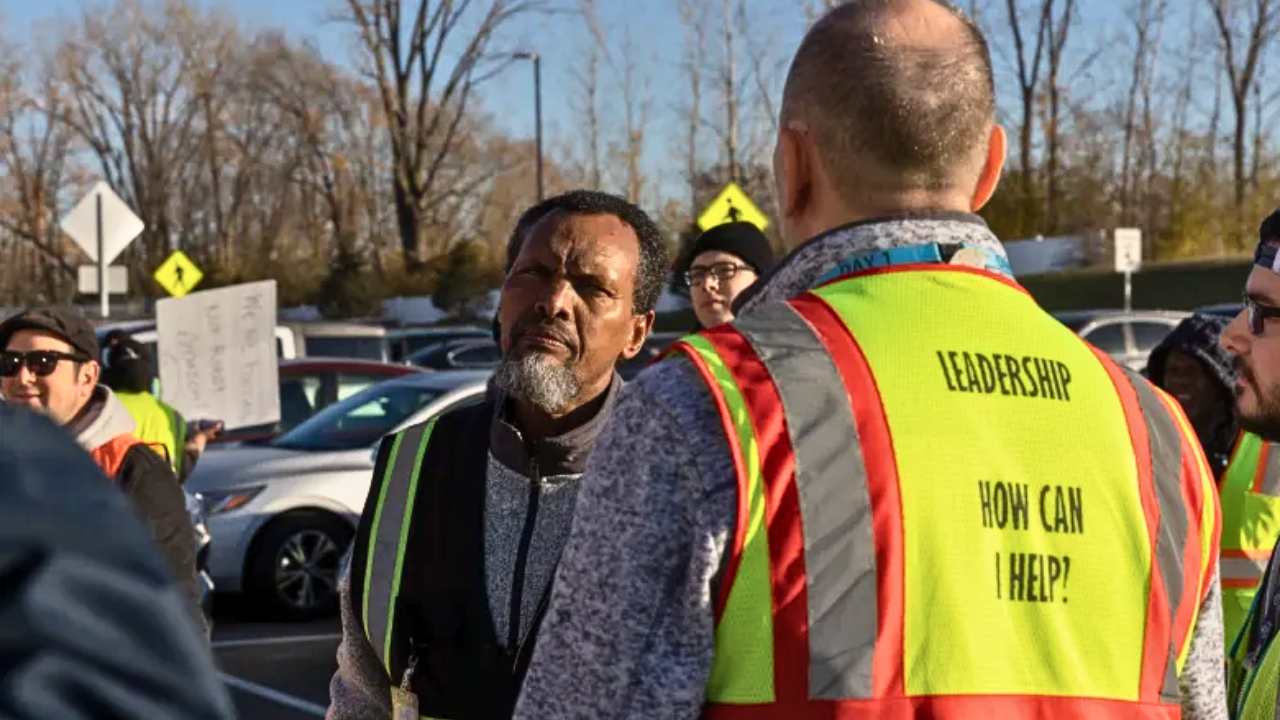
The U.S. manufacturing sector has been in long-term decline, but this year brought a particularly steep wave of layoffs, reshaping communities from Detroit to Dallas. Thousands of jobs vanished across automotive, electronics, and packaging plants, leaving economic and social ripples in their wake. Some states were hit harder than others, revealing the uneven toll of industrial shifts.
But today , we examine the 15 states that lost the most manufacturing jobs this year, highlighting the industries, closures, and broader trends behind these losses. Understanding this context sheds light on what communities face today—and what may lie ahead.
What History Shows Us
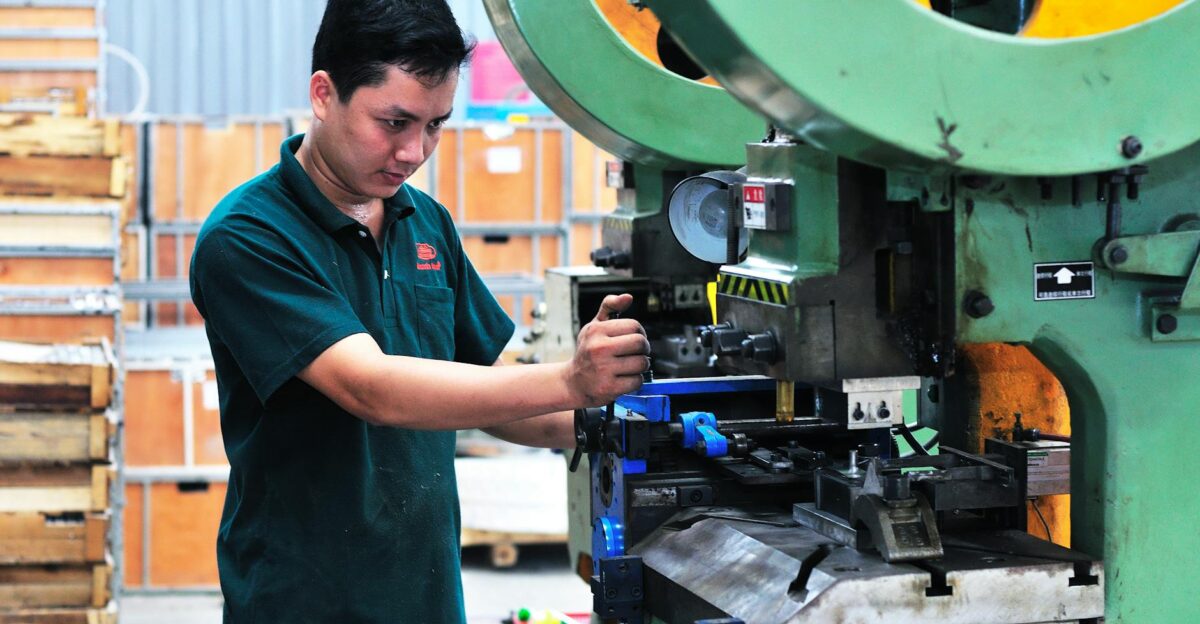
The U.S. lost more than 4.5 million manufacturing jobs from 2000–2024, a 26% decline. California lost 614,700, New York lost nearly half its workforce. Seven states accounted for over half of all losses. Only Nevada grew its manufacturing jobs, showing that success was possible but rare.
These numbers set the stage for 2025’s dramatic layoffs across multiple states, highlighting the industries and regions at greatest risk.
Which Industries Were Hit Hardest?

Computer and electronics lost 786,000 jobs, printing lost 452,000, and apparel lost 421,000. Only food and beverage/tobacco manufacturing grew. Automation, offshoring, and global competition reshaped the sector, leaving some regions more vulnerable than others.
Understanding which industries collapsed helps explain why certain states lost more jobs in 2025 and which sectors might recover first.
Factories Make More, Employ Fewer
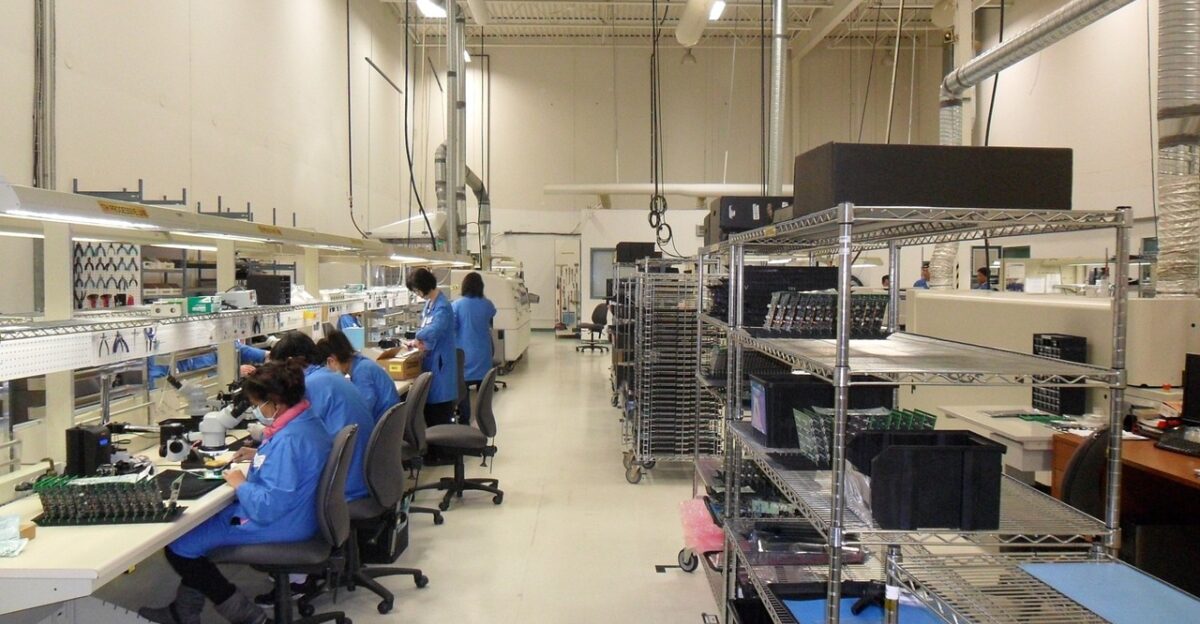
From 2000–2024, U.S. manufacturing GDP rose 45% while employment fell 26%. Productivity doubled in key sectors, with factories producing nearly twice as much per worker.
Automation, robotics, and digital tools improved efficiency but displaced millions. These changes provide context for the 2025 layoffs and the ongoing challenges for workers across the country.
A Century of Change
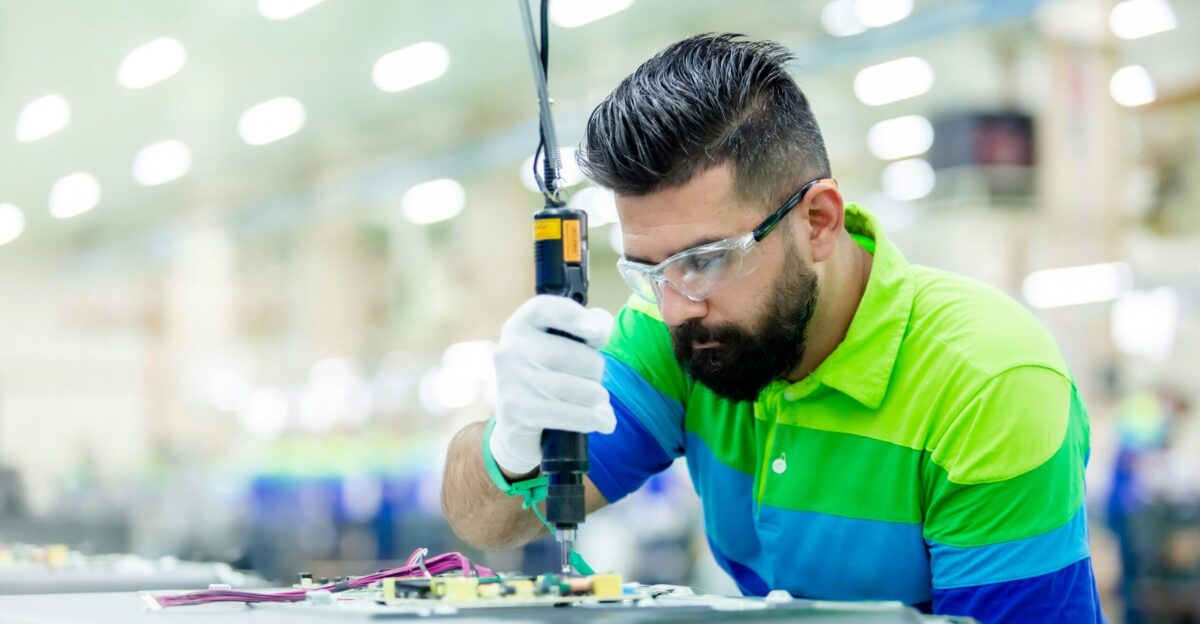
Manufacturing peaked in 1979 with 19.6 million workers and 22% of all U.S. jobs. Since then, recessions, trade shocks, and automation caused long-term declines, leaving employment around 12.7 million in 2024.
This year’s numbers reveal the scale and patterns of job losses across states, highlighting industries most affected. Let’s start with the state at the bottom of the list.
15. Louisiana
Louisiana lost 500-800 manufacturing jobs as International Paper shut its Red River mill in Campti, eliminating 481 positions. The closure removed 814,000 tons of annual containerboard capacity from the national supply chain by March 31.
The move reflects wider consolidation trends in paper and packaging, driven by declining demand and efficiency pressures. How other states fared offers a sharper perspective.
14. Wisconsin
Wisconsin experienced 500-1,000 manufacturing job losses in 2025 due to multiple plant closures. A major packaging facility closed in October, mirroring regional declines in automotive and food processing sectors.
Rising operational costs and tariff uncertainty compounded losses, pressuring smaller manufacturers. These trends hint at broader Midwest industrial vulnerabilities.
13. Alabama

Alabama recorded 1,000-1,500 job losses in manufacturing amid 3,100 mass layoffs across industries. Automotive suppliers and metal fabrication facilities were particularly affected, with one North Alabama plant alone cutting 152 positions.
The closures stemmed from rising input costs, supply chain disruptions, and falling order volumes from key automotive clients. Could the South see similar patterns elsewhere?
12. Kentucky

Kentucky lost 800-1,200 manufacturing jobs, including 230 at a major automotive plant by March 2026. Akebono Brake planned to close its Elizabethtown plant, affecting 450 workers, while ARaymond Tinnerman shuttered Flemingsburg with 112 layoffs.
The closures are tied to declining volumes and the shift toward electric vehicles needing fewer traditional components. What other Midwest states share this challenge?
11. Minnesota
Minnesota shed 1,000-1,500 manufacturing jobs in 2025, with over 3,500 total job cuts across industries. Temporary layoffs included 600 miners at Hibbing Taconite, while CNH Industrial and Smurfit Westrock closed plants affecting hundreds.
Unemployment remained 3.6%, masking concentrated distress in manufacturing hubs. Despite stability, localized job losses show the sector’s fragile footing.
10. South Carolina

South Carolina lost 1,500-2,500 manufacturing jobs despite growth in manufacturing GDP. Between 2020-2024, the state shed 71,000 positions, shrinking manufacturing employment from 22% to 14% of the workforce.
Automation, AI adoption, and offshoring increased productivity but eliminated labor-intensive roles. Could this be a preview of deeper Southern manufacturing transformations?
9. Tennessee
Tennessee’s 1,000-1,500 manufacturing job losses included temporary shutdowns at GM’s Ultium battery plant in Spring Hill, affecting 1,050 workers. Slower EV adoption and eliminated federal tax credits contributed to these reductions.
These disruptions follow nearly 2,000 layoffs in 2024, reflecting mounting challenges in automotive and battery production. How did Texas respond to similar pressures?
8. Texas
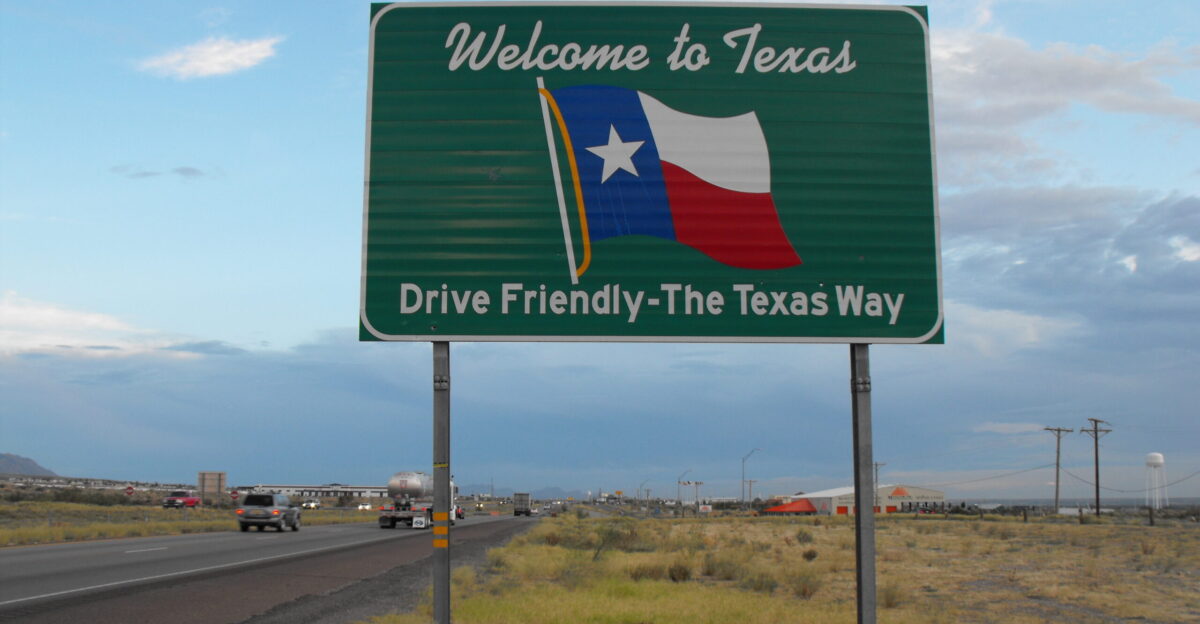
Texas lost 1,000-1,500 manufacturing jobs, including 183 from Texas Instruments’ Dallas-area production line and 46 at Hill & Smith’s Garland facility. Multiple closures occurred in July alone, affecting electronics and semiconductor sectors.
Declining orders, tariff uncertainty, and supply chain adjustments drove these cuts. This sets the stage for Iowa’s even larger losses.
7. Iowa
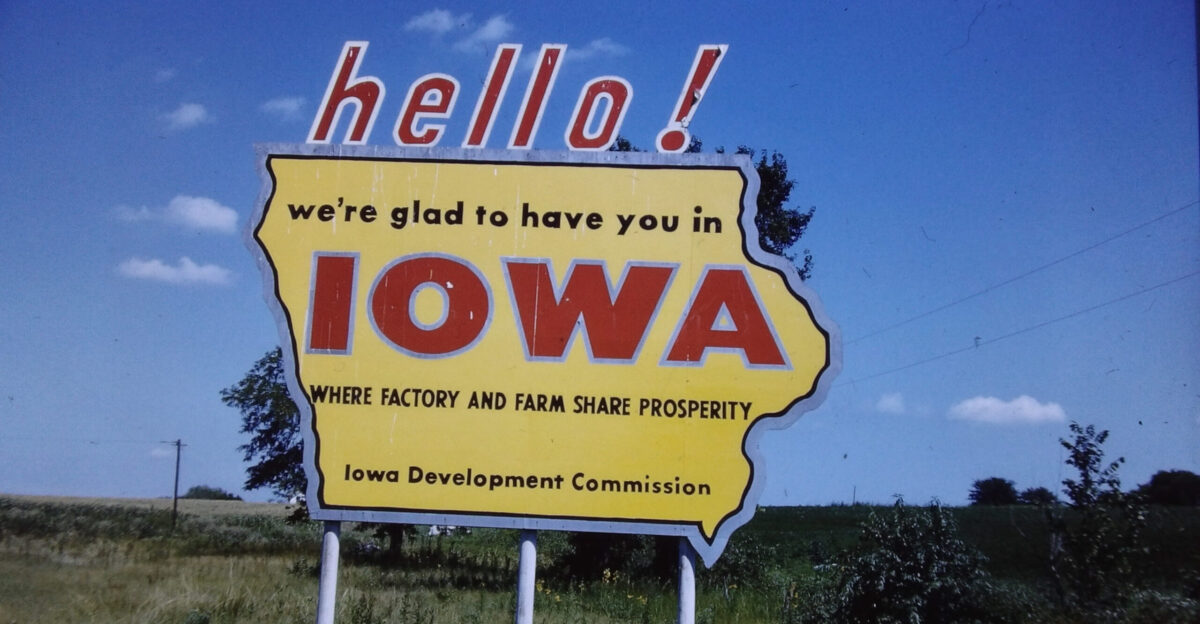
Iowa lost 2,000-3,000 manufacturing jobs, totaling 5,400 cuts between July 2024-July 2025 and nearly 11,000 since June 2023. Deere & Company and Tyson Foods closures worsened the impact.
Dependence on agriculture and food processing made the state vulnerable to automation, tariffs, and commodity price swings. Could industrial reliance on specific sectors accelerate job losses elsewhere?
6. New Jersey

New Jersey’s manufacturing sector lost 1,500-2,000 jobs, driven by pharmaceutical and biotech layoffs. Novo Nordisk cut 811 jobs in Plainsboro, Bristol Myers Squibb eliminated 1,156 positions, and GAF Materials closed 106 roles.
Analysts cite stalled hiring and tariff uncertainty. These disruptions reveal how specialized sectors face sudden, concentrated employment shocks.
5. Indiana

Indiana lost 2,000-3,000 manufacturing jobs, including Stellantis plant closures affecting 900 hourly workers. Tyson Foods also announced closures, with tariffs making cross-border production economically unfeasible.
Integrated supply chains amplified the impact, showing how automotive reliance magnifies vulnerability. What other Rust Belt states faced similar erosion?
4. Illinois

Illinois lost 1,500-2,500 manufacturing jobs amid labor unrest. Boeing’s St. Louis-area facilities faced a three-month strike starting August 4, 2025, delaying fighter jet and weapons production for over 3,200 machinists.
Stellantis’ Belvidere Assembly Plant plans 5,000 new jobs could partially offset losses, highlighting tension between labor actions and industrial investment.
3. Ohio

Ohio lost 2,000-3,000 manufacturing jobs, with Dana Inc., Phillips Manufacturing, and GM causing widespread cuts. Temporary shutdowns at Ultium battery plants removed over 1,000 positions.
The state’s automotive-heavy base faced ongoing vulnerability to EV transitions and automation, illustrating deeper regional structural risks.
2. Pennsylvania

Pennsylvania lost 2,500+ manufacturing jobs in 2025. Boeing, Philips Respironics, and International Paper layoffs drove 14,500 total reductions across multiple facilities, while metal fabrication and food processing closures compounded the impact.
Multiple WARN notices indicated widespread anxiety in traditional manufacturing hubs. What state faced the largest blow to manufacturing employment?
1. Michigan
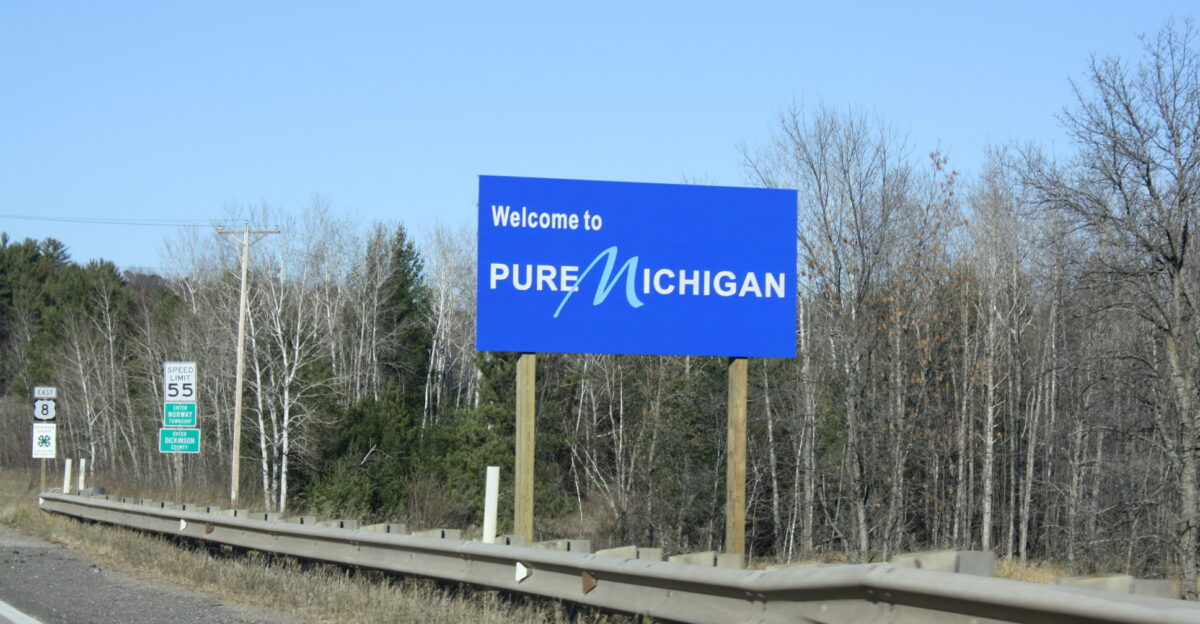
Michigan led the nation with 3,000-5,000 manufacturing jobs lost. General Motors cut 1,200 at Factory Zero in Detroit, paused Ultium battery production affecting 1,000+, and Dana Thermal Products closed Auburn Hills’ EV battery plant.
Stellantis plant shutdowns impacted thousands more. As America’s automotive heartland, Michigan’s losses highlight the human and economic cost of industrial shifts.
Millions of Jobs Could Go Unfilled
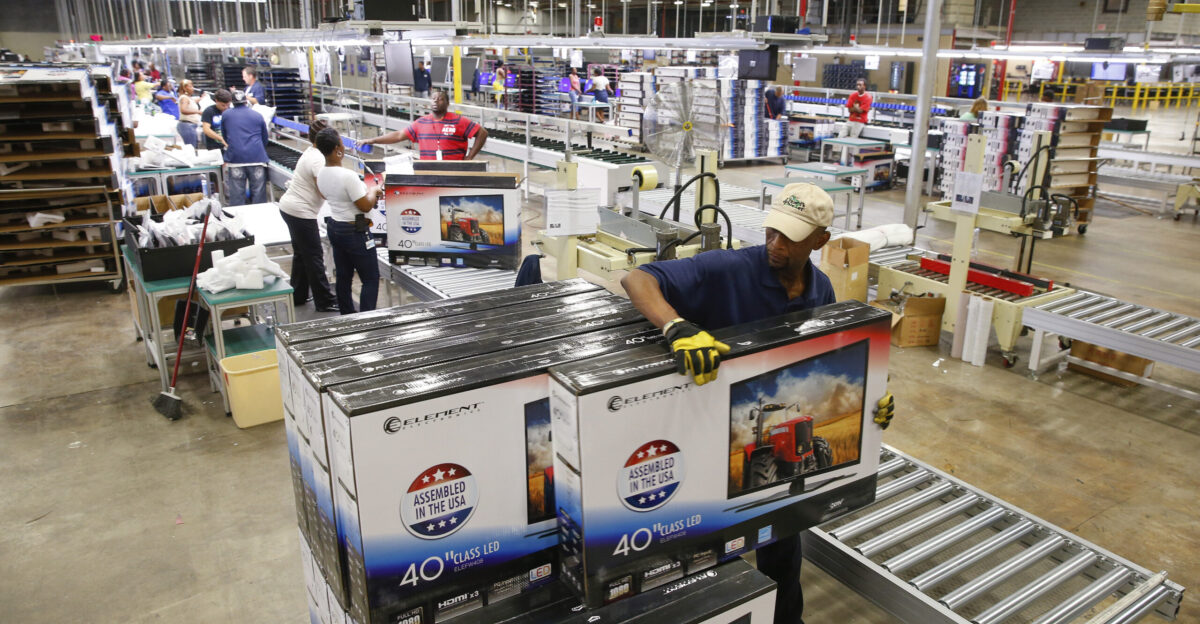
By 2030, 2.1 million manufacturing jobs could remain open, costing $1 trillion in lost output. Retiring Baby Boomers, skill shortages, and lingering pandemic effects will worsen the gap.
Even today, hundreds of thousands of positions remain unfilled, showing that 2025’s layoffs are part of a bigger workforce crisis.
A Growing Skills Problem

94% of manufacturing executives report serious skills gaps in robotics, CNC, and data analytics. Modern factories demand technical knowledge that many schools fail to provide.
Without a skilled workforce, states recovering from 2025 losses may struggle to fill new roles or sustain production growth.
How Companies Are Responding
Manufacturers are investing in apprenticeships, school partnerships, and digital tools for training. These initiatives aim to attract and retain workers in high-demand roles.
The urgency is clear: 2025 losses reveal that proactive workforce planning is essential to prevent further job declines.
What the Future Holds
Automation, offshoring, and retirements mean factories produce record output with fewer workers. Some sectors, like food and beverage, remain resilient, while traditional manufacturing communities face ongoing challenges.
This imbalance suggests future disparities between states and industries, highlighting why understanding the 15 worst-hit states is critical for policymakers and workers alike.